Articles
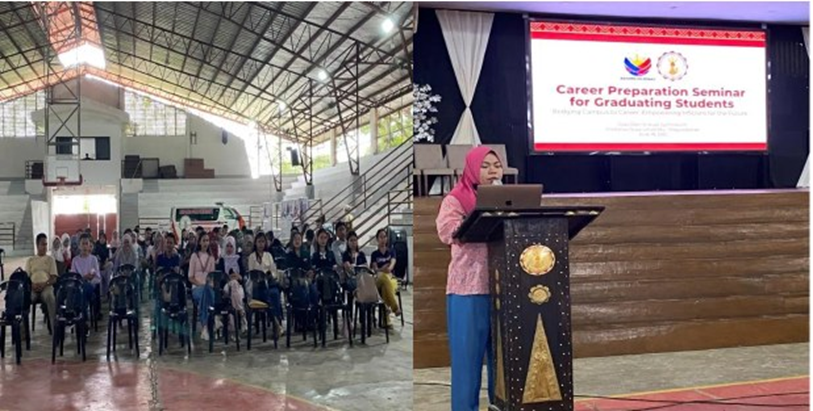
Mindanao State University–Maguindanao Prepares Graduating Students for the Workplace through Career Preparation Seminar
Mindanao State University–Maguindanao, through the University Guidance and Counselling Office under the Division of Student Affairs, conducted its Career Preparation Program for graduating students on June 27, 2025, at the Datu Odin Sinsuat Gymnasium.The program trained graduating students in career planning, job searching, resume writing, and job interviews, and discussed professionalism, work ethics, workplace behavior, and the common concerns of first-time employees. Alumni and working professionals shared how they found and kept their first jobs, and an open forum allowed students to consult the Guidance Counselor on their career choices and employment plans. Graduating students attend the Career Preparation Seminar for Graduating Students held at the DOS Gymnasium on June 27, 2025.By equipping students with practical job-seeking skills and an understanding of workplace standards before they graduate, the program upholds full, productive, and decent employment for young people and helps reduce the share of youth who leave school without moving on to work, further study, or training.The University will continue to implement employment-preparation programs to facilitate graduates’ transition from education to the workplace. Through these initiatives, MSU–Maguindanao aims to support employers, government agencies, industries, and communities by producing graduates who are professionally competent, ethically responsible, work-ready, and capable of making meaningful contributions to the workforce.
July 8, 2026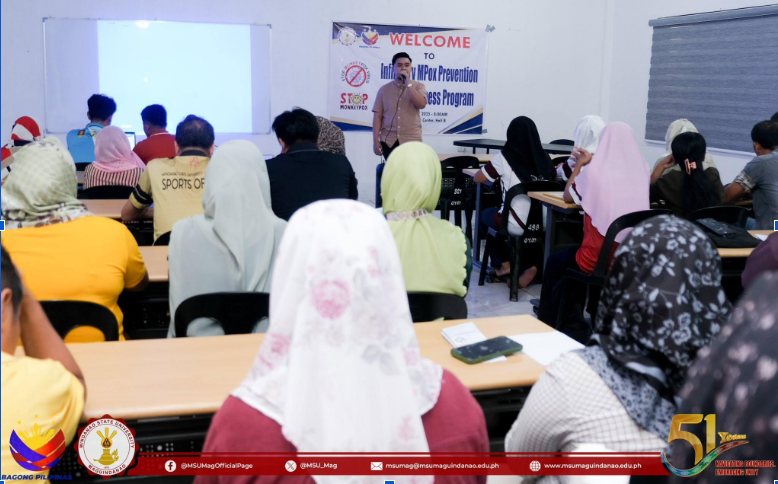
MSU–Maguindanao Infirmary Conducts Health Education Session on Mpox Prevention and Early Detection
Strengthening health awareness and preparedness within and outside university community, the MSU–Maguindanao Infirmary conducted an Mpox Prevention and Awareness Program on May 30, 2025, at Training Center Hall B, MSU-Maguindanao. The initiative aimed to equip students and employees with reliable information on Mpox transmission, signs and symptoms, prevention, early detection, and available treatment.University students and employees participating in the Mpox awareness and prevention initiative.Led by Dr. Firkhan A. Estrella, Chief of Hospital of the MSU–Maguindanao Infirmary, the seminar and open forum discussed the global and local Mpox situation and emphasized practical measures for protecting individual and community health. The activity reached 50 participants, comprising 25 students and 25 employees. Educational materials were also distributed to reinforce learning and encourage the sharing of accurate health information.By providing accessible, expert-led health education, the program strengthened participants’ understanding of disease prevention and appropriate health-seeking practices. Students and employees gained information they could apply in their learning and working environments and share with their families and peers, extending the potential reach of the initiative beyond the seminar.The Infirmary will continue to promote health education and preventive awareness as part of its support for a safer university environment. Sustained access to reliable health information and stronger preparedness can help the university community recognize health risks, respond appropriately to emerging infectious diseases, and contribute to wider public-health awareness across the Bangsamoro region.
July 1, 2026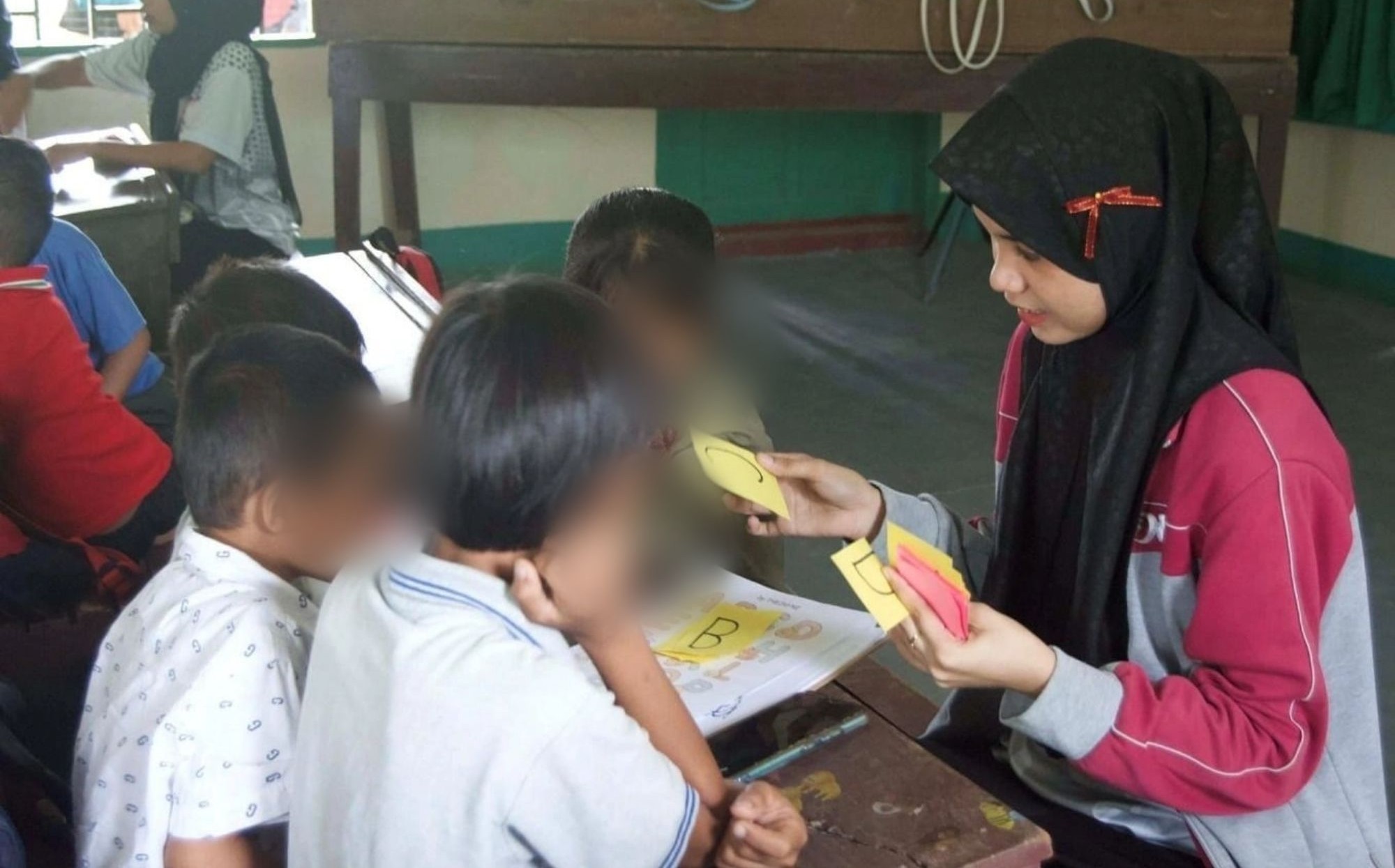
MSU–Maguindanao literacy and numeracy program helps struggling young learners improve foundational skills
Mindanao State University–Maguindanao (MSU–Maguindanao), through the College of Education and the National Service Training Program (NSTP) Office, implemented the Basic English (Reading and Writing) Literacy and Numeracy Program in partnership with Adaon Elementary School and Barangay Adaon. The initiative provided targeted instruction in reading, writing, and arithmetic to 30 identified Grade 1 and Grade 2 learners who needed additional support with foundational skills.LTS student facilitators provide hands-on reading and learning support to participating elementary learners.The program responded to diagnostic assessments and classroom observations that identified substantial learning gaps. At baseline, 26 of the 28 learners assessed in reading (92.86%) were classified at the non-reader or frustration level, while two (7.14%) were at the instructional level; none read independently. The report also identified weaknesses in writing and basic arithmetic, alongside challenges with letter-sound recognition, word decoding, sentence construction, number concepts, attention, retention, and learner confidence.Participants and university and partner-school representatives during the opening ceremony of the literacy and numeracy extension program.MSU–Maguindanao mobilized faculty supervision and 29 Literacy Training Service (LTS) students to deliver the intervention. Across 21 reported sessions, facilitators worked on English sounds and phonics, word and sentence reading, comprehension, spelling, paragraph writing, number recognition, place value, arithmetic operations, and mathematical problem-solving. Learning activities included guided practice, games, drills, collaborative tasks, hands-on exercises, and individualized remediation.The program was designed around the learners’ local language and learning context. Because Maguindanaon and Filipino were the primary languages used in their daily lives and English exposure was limited, facilitators used repetition, review, varied activities, and one-to-one support to respond to different learning needs. A feeding component, conducted from April 18 to May 31, 2026, also supported learner well-being and continued participation.Post-assessment results showed substantial improvement in reading among the 28 learners assessed. Fourteen learners (50.00%) reached the independent reading level and 13 (46.43%) reached the instructional level; one learner (3.57%) remained at the frustration level. In total, 27 of 28 learners (96.43%) were classified at the instructional or independent levels after the intervention. The report also states that 74.19% attained Fair to Excellent performance in writing and 51.62% attained Proficient or Advanced performance in arithmetic. These writing and arithmetic figures should be confirmed against the original assessment tables before publication.The intervention also provided practical training for the 29 LTS students, who worked under faculty supervision to plan lessons, tutor learners, monitor progress, and adapt instruction to individual needs. Adaon Elementary School gained an extension partner and additional support for learners requiring remediation, while the project strengthened coordination among the University, school personnel, parents or guardians, and barangay stakeholders.The program helped primary learners strengthen foundational reading, writing, and numeracy skills needed for continued learning. Post-assessment results showed improvements in reading proficiency, with most assessed learners reaching the instructional or independent reading levels. These outcomes demonstrate progress toward ensuring that children complete primary education with relevant foundational competencies. However, the report did not measure longer-term effects on learner retention, grade progression, or subsequent academic achievement.Through this extension initiative, MSU–Maguindanao applied its academic and community-service functions to an identified learning need in Barangay Adaon. The assessment results provide a basis for refining future literacy and numeracy support, while follow-up assessments and reconciled learner records would help determine whether the gains are sustained.
June 25, 2026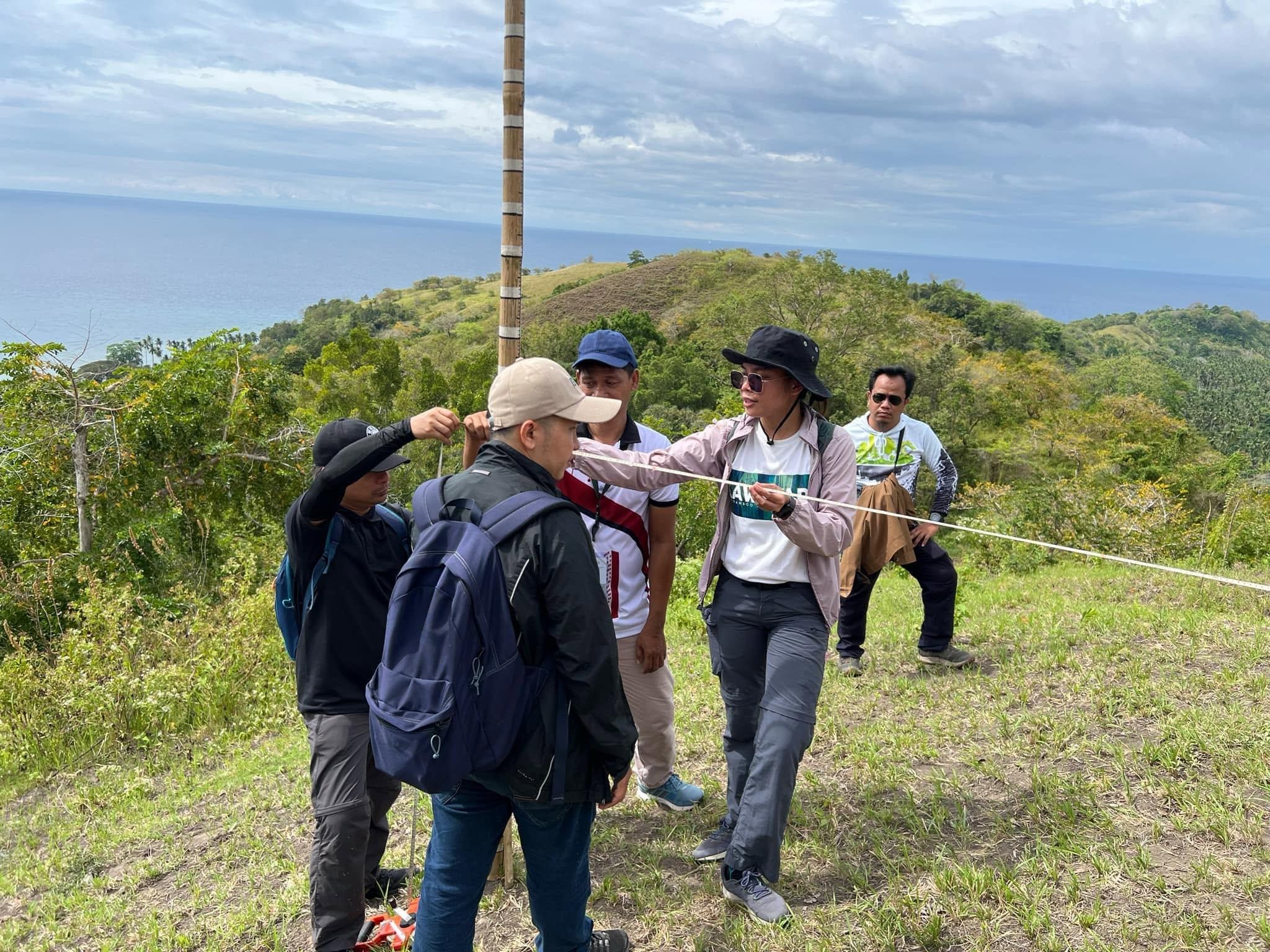
Training of Trainers on Agroforestry Establishment and Development: Leveraging ALCAMS for Effective Land Assessment
Mindanao State University–Maguindanao, through its College of Forestry and Environmental Studies (CFES), partnered with the University of the Philippines Los Baños–Institute of Agroforestry (UPLB-IAF) conducted the Training of Trainers on Agroforestry Establishment and Development: Leveraging the Agroforestry Land Capability Assessment and Mapping Scheme (ALCAMS) for Effective Land Assessment from February 25–27, 2025. Supported by a DOST-PCAARRD-funded project, the training aimed to strengthen local capacity for sustainable land management and climate-resilient livelihoods in Datu Blah Sinsuat, Maguindanao.Training session on ALCAMS and agroforestry development, demonstrating the integration of scientific knowledge and practical land-management approachesThe three-day activity combined discussion, field assessments, and practical agroforestry planning. Participants learned to use ALCAMS to assess slope, vegetation, and soil conditions. Field exercises in Barangay Nalkan enabled them to apply these techniques and develop site-specific agroforestry plans suited to local land characteristics.The training brought together faculty and students from forestry, agriculture, and engineering programs, representatives from other Mindanao State University campuses, and personnel from the Ministry of Environment, Natural Resources and Energy (MENRE). Participants also prepared re-entry action plans to apply their learning in their respective institutions and communities.By strengthening technical skills in land assessment and agroforestry planning, the initiative supports sustainable land use, soil and water conservation, and livelihood diversification. These practices can help farming households protect productive resources, manage climate-related risks, and develop more resilient livelihood opportunities.Through continued application of these skills, trained participants can help communities make informed land-use decisions and promote sustainable agroforestry practices across climate-vulnerable areas of the Bangsamoro region.Training session on ALCAMS and agroforestry development, demonstrating the integration of scientific knowledge and practical land-management approaches
April 23, 2026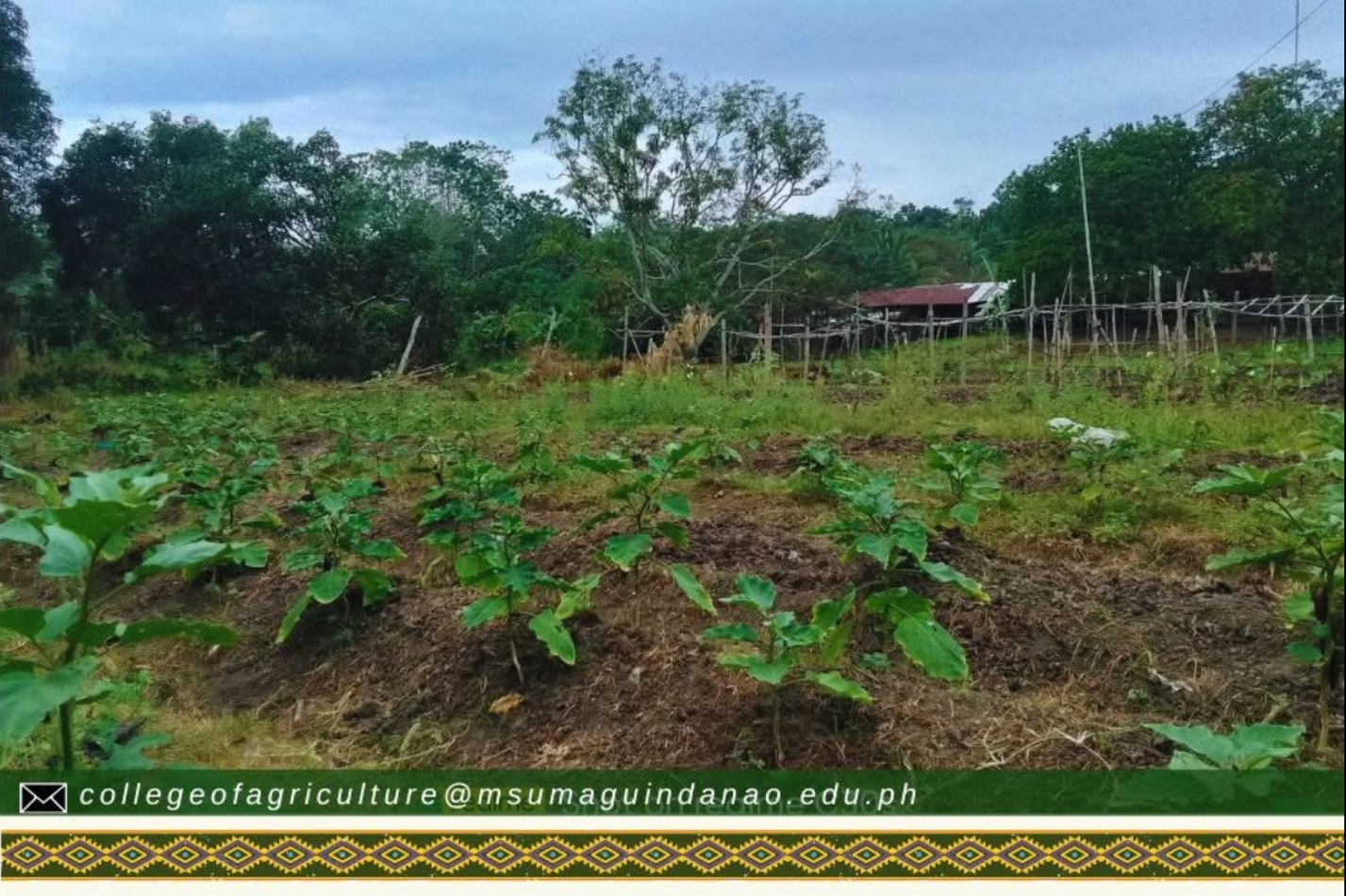
College of Agriculture Turns Campus Land into a Student Farm for Vegetable and High-Value Crop Production
MSU-MAGUINDANAO CAMPUS - The College of Agriculture of Mindanao State University-Maguindanao (MSU-Maguindanao) has designated a dedicated field laboratory and production area for Vegetable Production and High-Value Crops Production, giving students hands-on space to grow what they study in the classroom.Vegetable and production area within College of AgricultureThe initiative began with a coordination meeting led by College of Agriculture Dean Dr. Norhaya S. Tiago, together with University Income-Generating Project (IGP) Head Lemuel T. Embate, College Nursery Personnel Mohaimin Lumambas, and staff member Jemuel Sorbito, who identified potential sites and outlined how the areas would support instruction, research, extension, and production. A site validation and field inspection followed, led by Agriculture faculty member Nurjhon Subat and Horticulturist Ana Liza D. Latinang-Garcia, to assess land suitability before the areas were formally delineated for College use.The designated space now functions as a student field laboratory for Vegetable Production and High-Value Crops Production, giving students, faculty, and eventually nearby farmers access to a working site for crop production and applied research. Growing vegetables and high-value crops sustainably on these plots contributes to efforts to end hunger and ensure access to sufficient, safe, and nutritious food, while strengthening the productivity of small-scale food producers who can draw on the models and technologies the field laboratories are expected to generate.Rather than treat the land as passive infrastructure, MSU-Maguindanao is positioning it as a living laboratory that keeps producing competent graduates, applied research, and community-ready technologies well beyond this initial validation phase, carrying its impact from the classroom to farms across the region.
February 19, 2026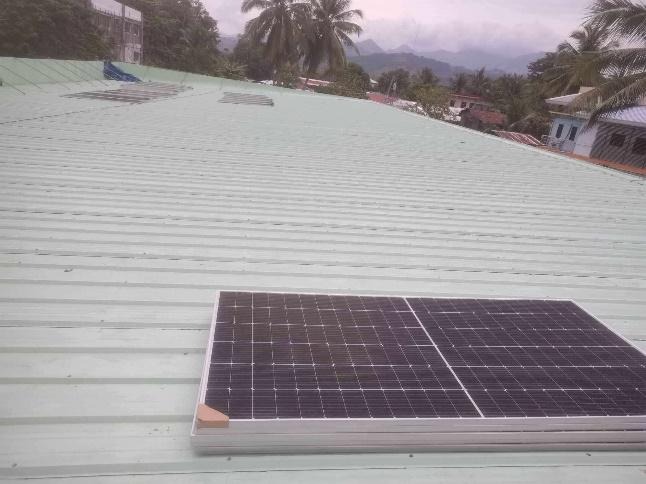
Augmentation of Energy Source Through Solar Power of Infirmary Hospital
The Mindanao State University–Maguindanao upgraded its campus health infrastructure by installing a dedicated solar power system at the Infirmary Hospital. The project integrated high-capacity solar panels and advanced inverter storage units directly onto the facility's roof and utility rooms to guarantee uninterrupted medical power.Solar Panel installed at the Roof of the InfirmaryThis setup harnesses renewable energy to strengthen daily grid stability, protecting essential health services from sudden power disruptions. By turning to clean solar technology, the hospital cuts down on conventional electricity expenses while maintaining steady, reliable care for students and staff.This infrastructure milestone directly supports substantially increasing the share of renewable energy in the global energy mix. Through these targeted campus upgrades, MSU–Maguindanao ensures that clean energy directly powers essential community services when they matter most.
December 31, 2025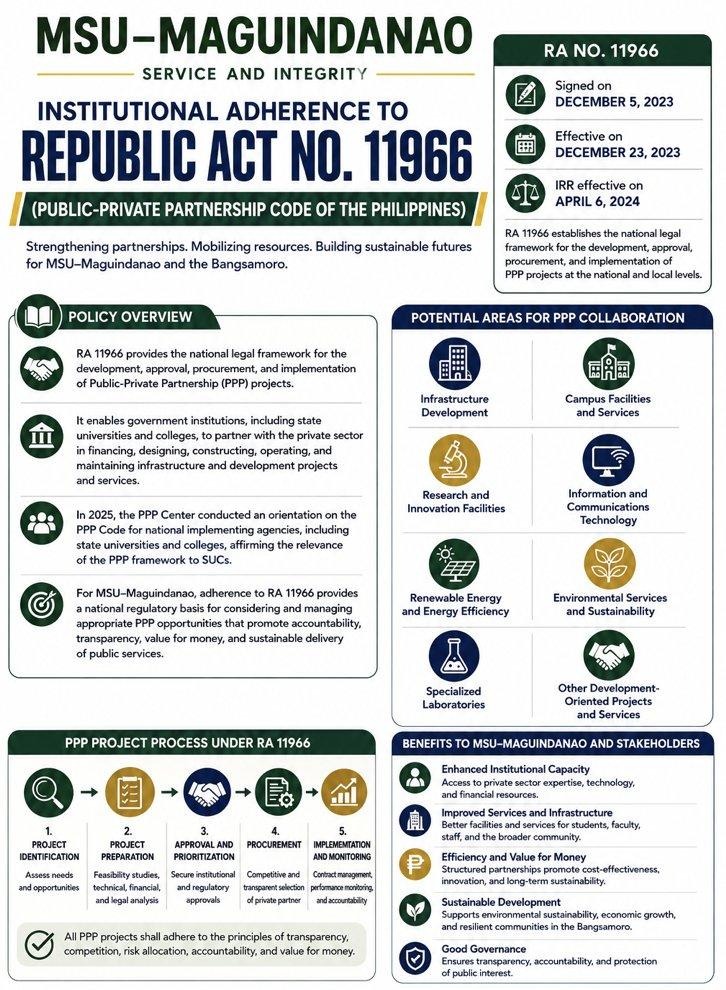
Institutional Adherence to Republic Act No. 11966
Mindanao State University–Maguindanao adheres to Republic Act No. 11966, the Public-Private Partnership (PPP) Code of the Philippines, as its framework for partnerships with the private sector. Signed on December 5, 2023, with its Implementing Rules and Regulations in effect since April 6, 2024, the law governs the development, approval, procurement, and implementation of PPP projects by government institutions, including state universities and college.Mindanao State University–Maguindanao institutional material on its adherence to Republic Act No. 11966, outlining potential areas for public-private collaboration and the PPP project processBefore pursuing a proposed private-sector partnership, University leadership and the offices responsible for planning and development, finance and administration, legal affairs, procurement, physical facilities, and research and innovation determine whether it qualifies as a PPP under the Code. Qualifying proposals undergo feasibility, technical, financial, legal, and environmental assessment before approval and remain under University oversight through implementation. Priority areas include campus infrastructure, research and innovation facilities, information and communications technology, renewable energy, and specialized laboratories.The University encourages effective public-private partnerships that draw on the experience and resourcing strategies of its partners and comply with the Code’s requirements for transparency, accountability, and value for money in the use of public resources. Such partnerships can expand quality, reliable, and sustainable infrastructure for teaching and research in the Bangsamoro. Public-Private Partnership Center of the Philippines reference page for Republic Act No. 11966 and its Implementing Rules and Regulations.Mindanao State University–Maguindanao is committed to applying the Code to future infrastructure, technology, and research partnerships and strengthening the capacity of its offices to manage them
December 31, 2025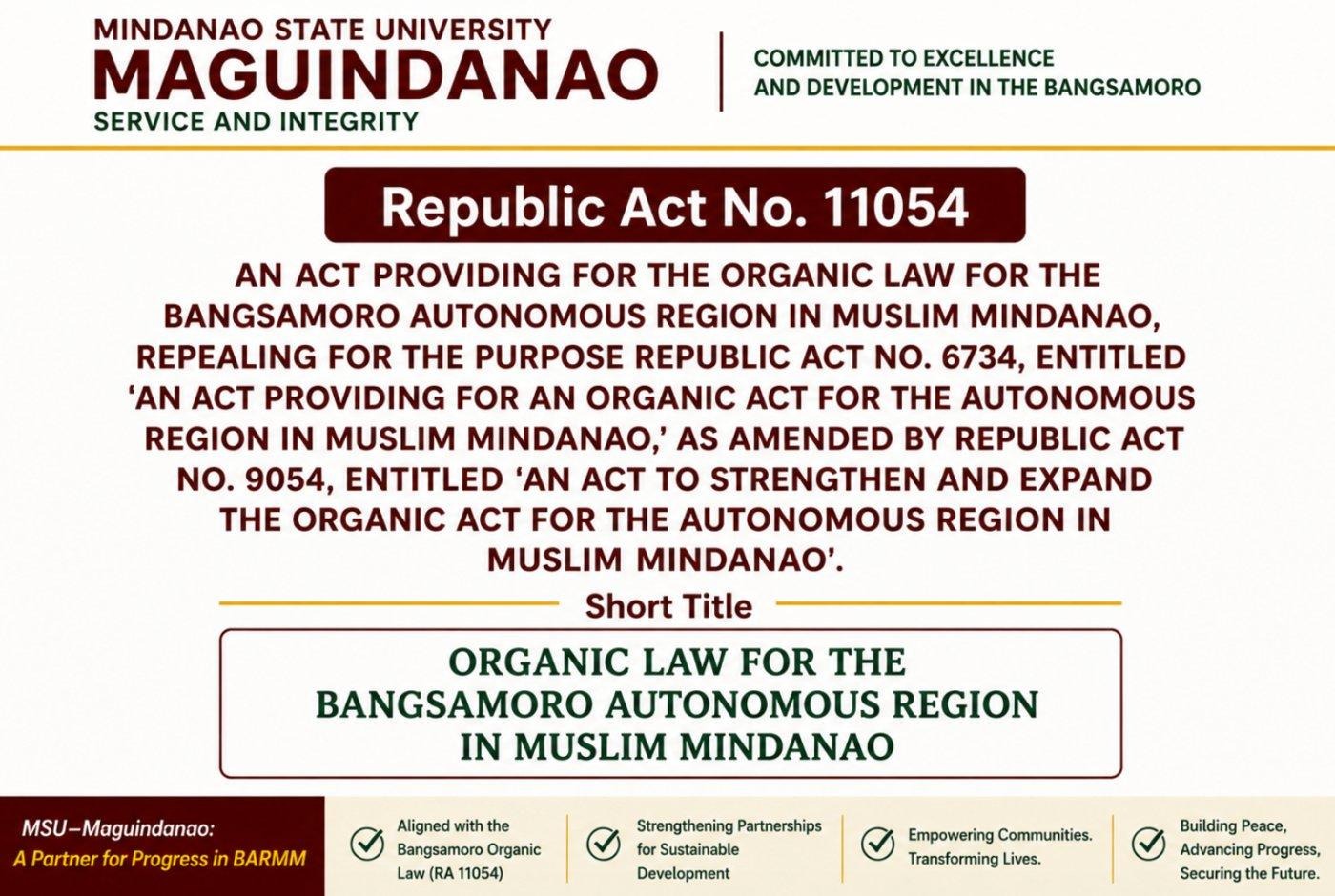
Institutional Alignment with Republic Act No. 11054 (Bangsamoro Organic Law)
Mindanao State University–Maguindanao upholds Republic Act No. 11054, the Organic Law for the Bangsamoro Autonomous Region in Muslim Mindanao, as a guiding framework for its instruction, research, extension, and partnerships. The law directs the National Government to continue to support, enhance, and strengthen the Mindanao State University System (Article IX, Section 16) and calls on the Bangsamoro Government to give priority to science, research, and technology education (Article IX, Section 21).Mindanao State University–Maguindanao institutional material on its alignment with Republic Act No. 11054, presenting the University as a partner for progress in BARMM.The University puts this commitment into practice through formal partnerships and joint work with national and regional institutions. In 2025, it turned over livelihood projects to ten cooperatives in Camps Omar, Abubakar, and Badre with the Office of the Presidential Adviser on Peace, Reconciliation and Unity in support of the Bangsamoro peace process; presented research-based policy recommendations to five Bangsamoro local governments through the MinSuPala–IRDC consortium; coordinated with the Ministry of Environment, Natural Resources and Energy on the 1,894-hectare South Upi Watershed Forest Reserve; and evaluated a regional assistance program with the Bangsamoro Planning and Development Authority.The University’s commitment to the Bangsamoro Organic Law strengthens public and civil society partnerships and promotes greater policy coherence between national and regional governments, contributing to more responsive, inclusive, and participatory decision-making in the region.Mindanao State University–Maguindanao will continue to align its programs and research priorities with the Bangsamoro Organic Law and expand its partnerships with BARMM ministries, local governments, and Indigenous Peoples communitie
December 31, 2025
Collaboration with International Universities to Review Comparative Approaches and Develop Research-Based Best Practices for Sustainable Development
Five hundred Maguindanao residents surveyed with partners in Greece, 280 seaweed consumers interviewed with researchers in Türkiye and Malaysia, and biodiversity measurements shared at an international conference the University co-hosted show how Mindanao State University–Maguindanao participates in international collaboration on gathering and measuring data for sustainable development. Through joint research, international conferences, and exchange, its researchers collect field data in the Bangsamoro with international partners, measure it with shared methods, and make it available to the international scientific community.International Research CollaborationWith the Democritus University of Thrace in Greece, Peter Jan D. de Vera of MSU–Maguindanao measured how much the public values protecting the endangered long-tailed macaque, a primate that lives close to farms and settlements in Maguindanao. Conservation programs need to know whether residents will support protection, and how much they value it, before agencies can design and fund it. Working with Isshi Rayna Bel E. Paquingan and John Paul A. Catipay of Notre Dame University and Vasileios J. Kontsiotis and Vasilios Liordos of the Greek university, he surveyed 500 Maguindanao residents with approval from the MSU–Maguindanao Ethics Research Committee, asking how much each would be willing to pay every year to protect the species. The study, published in Environments (Vol. 12, Issue 12, Art. No. 467, 2025) with its dataset openly available, found an average willingness to pay of PHP 46.90 a year, or about PHP 10.5 million a year across the study area.A second collaboration, with researchers in Türkiye and Malaysia, gathered data on food and coastal livelihoods. Seaweed farming supports many families in Tawi-Tawi, but little had been recorded about how much seaweed local people eat and which species they use. Jonald C. Bornales of the College of Fisheries joined a 19-member team led by Albaris B. Tahiluddin that documented seaweed consumption in seven Tawi-Tawi municipalities: Bongao, Panglima Sugala, Simunul, Sitangkai, Sibutu, Tandubas, and South Ubian. Working under ethics approval OVCRE-ERC-004-2024-18 from the MSU–Maguindanao Research Ethics Committee, the team held 280 interviews and seven focus group discussions. It found that about 99 percent of respondents eat seaweed and identified 13 edible species (Phycology, Vol. 5, Issue 2, Art. No. 25, June 2025).The University also builds the skills to gather such data. Under a Memorandum of Understanding with the Vietnam National University of Forestry, the College of Forestry and Environmental Studies sent four BS Forestry students to Hanoi from August 11, 2025, when they were formally received by the university’s coordinators for international students, to October 5, 2025, for training in Natural Resources Ecology and Measurement and in Global Change Ecology: Impacts and Mitigation, learning field methods for ecological assessment that they can apply to forests in the Bangsamoro.BS Forestry students take part in a hands-on field activity during their exchange at the Vietnam National University of Forestry, Hanoi, August to October 2025.Co-hosting of Research ConferenceThe University also shares its measurements internationally. On July 23, 2025, it co-hosted the 4th Biennial Conference on Tropical Biodiversity with the Faculty of Forestry of Hasanuddin University in Indonesia, Tomsk Polytechnic University in Russia, Universiti Teknologi MARA in Malaysia, and the University of North Sumatra, held in Makassar and online. Ten University faculty researchers presented 13 studies, with field measurements of birds, epiphytes, tree species diversity, aboveground biomass and carbon stocks, the wood properties of native and fruit trees, and soil and water quality, along with assessments of land-use change, forest management for climate change, public attitudes toward conserving the Philippine brown deer, and residents’ willingness to pay for protecting two watersheds. The presenters were Sandra Samaon Akmad, Cindy Poclis, Kristine Joy Rendon, Adelene Lababo, Datulabi Untong Jr., Jayric Villareal, Mercedita Laurie, Peter Jan De Vera, Rolly James F. Cheng, and Rowena C. Benavides. One of these studies, a land use and land cover analysis of Datu Odin Sinsuat co-authored with researchers affiliated with Nanjing Forestry University in China, was published in IOP Conference Series: Earth and Environmental Science (Vol. 1553, 2025).MSU–Maguindanao faculty present biodiversity at the 4th Biennial Conference on Tropical Biodiversity, July 23, 2025.
December 29, 2025