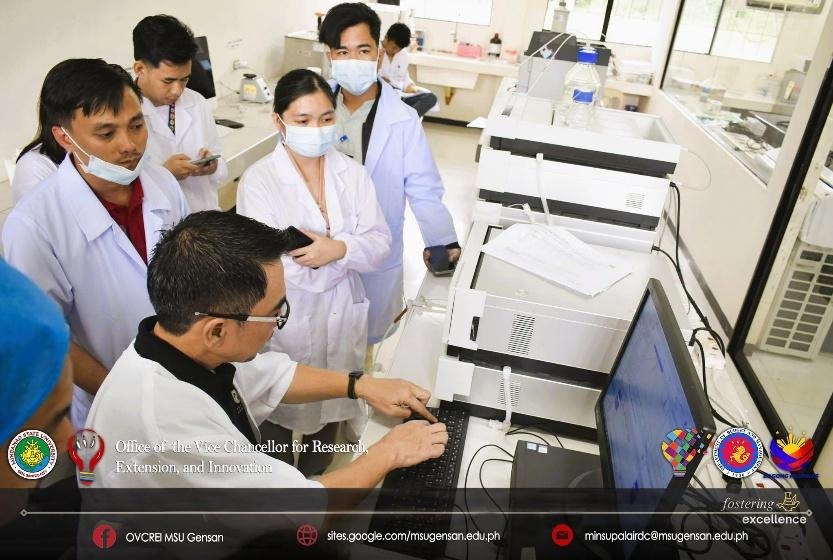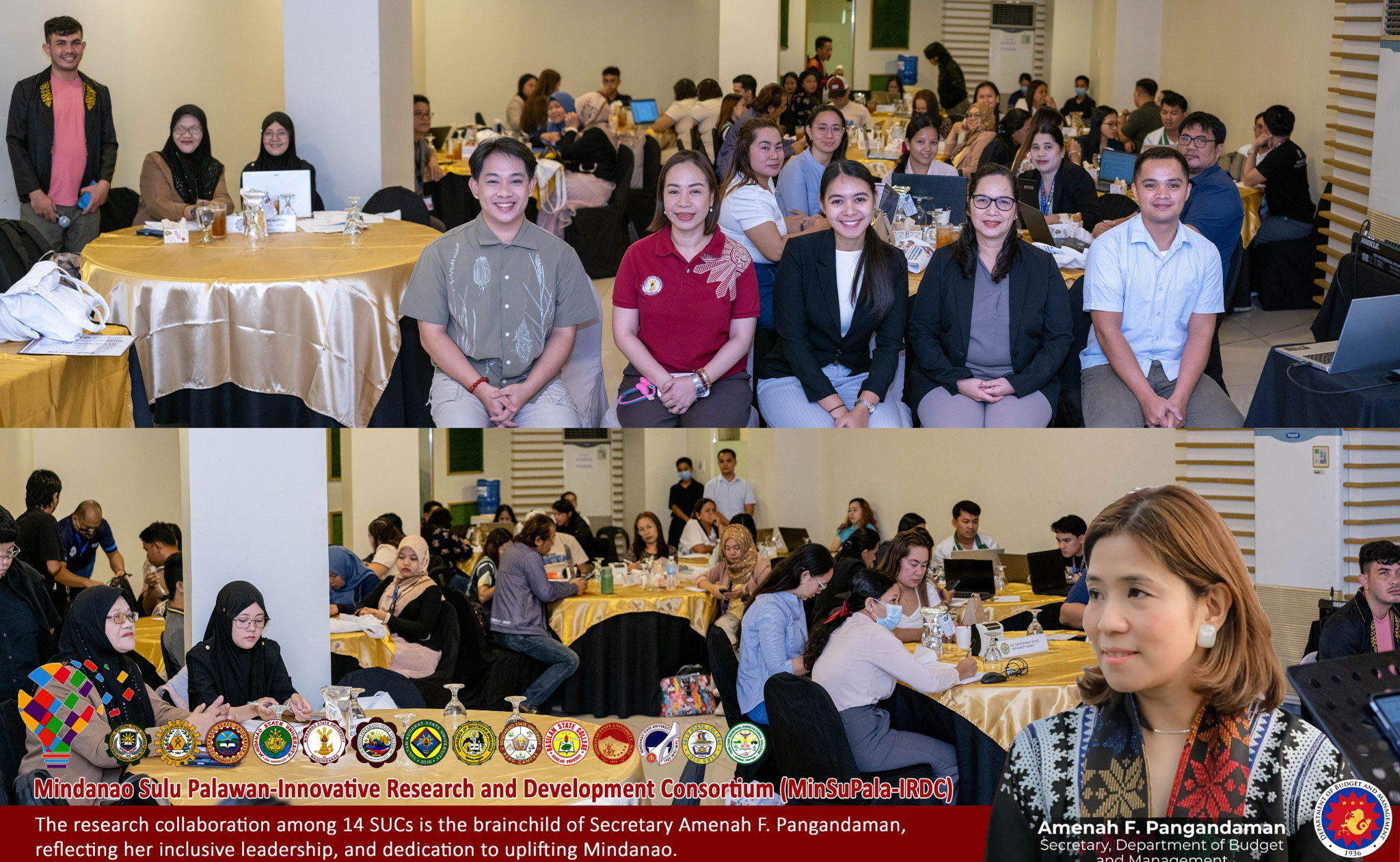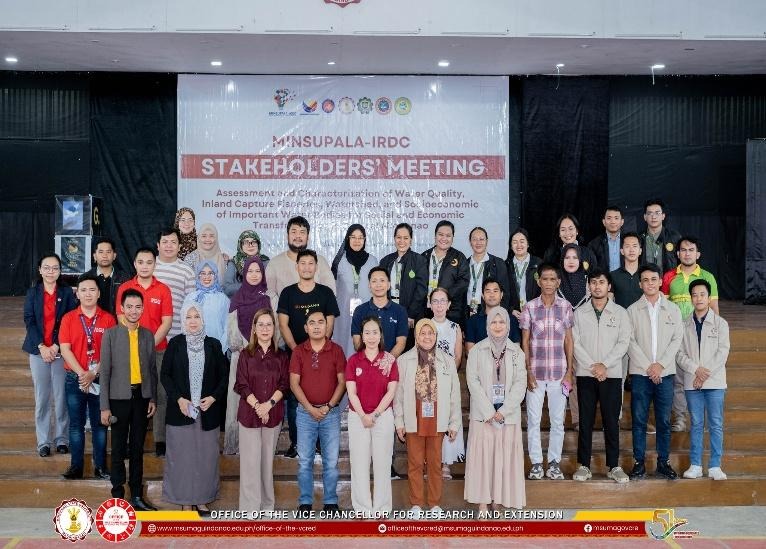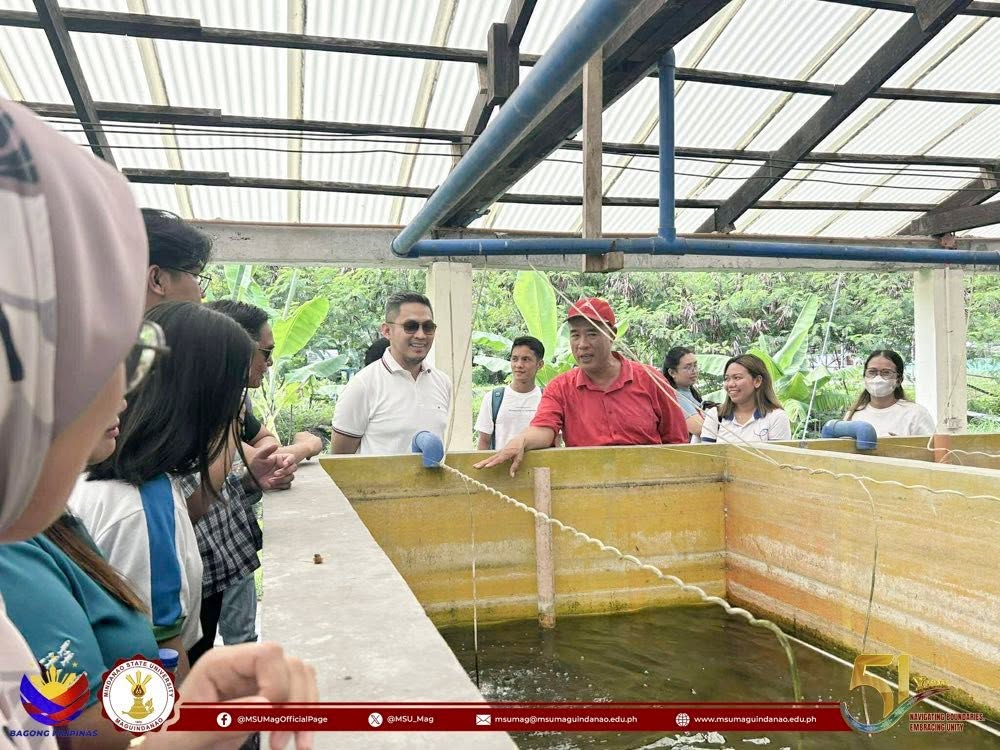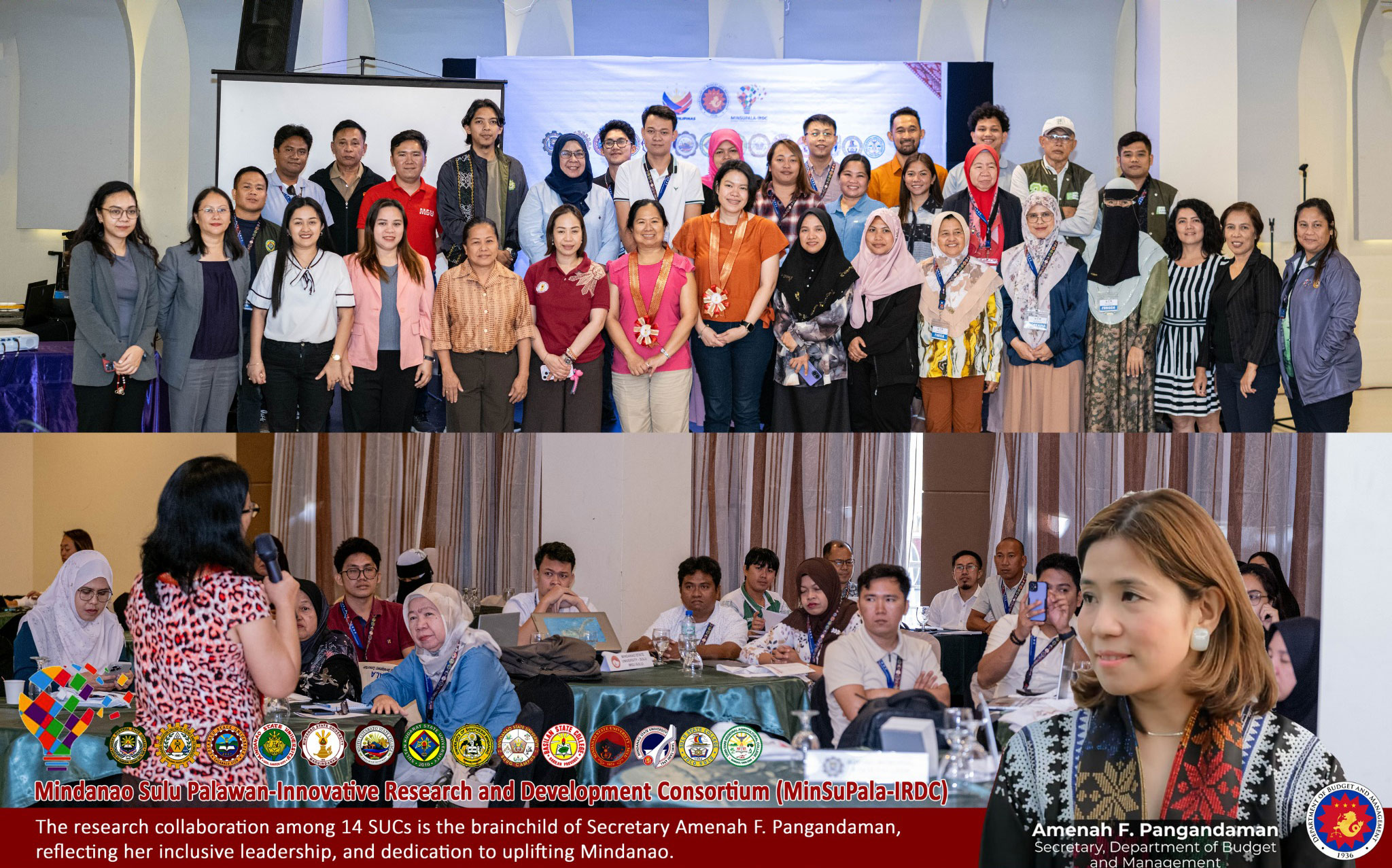
The Mindanao State University–Maguindanao joined forces with 12 other State Universities and Colleges (SUCs) across Mindanao for an intensive "Training-Workshop on Preliminary Nutritional Assays of Indigenous Crops and Fishes for Product Development" hosted by MSU-General Santos. Funded by the Department of Budget and Management (DBM) under the MinSuPala–Innovative Research and Development Consortium (IRDC), the three-day initiative trained regional researchers to perform advanced laboratory assays to analyze and commercialize native aquatic and agricultural species.
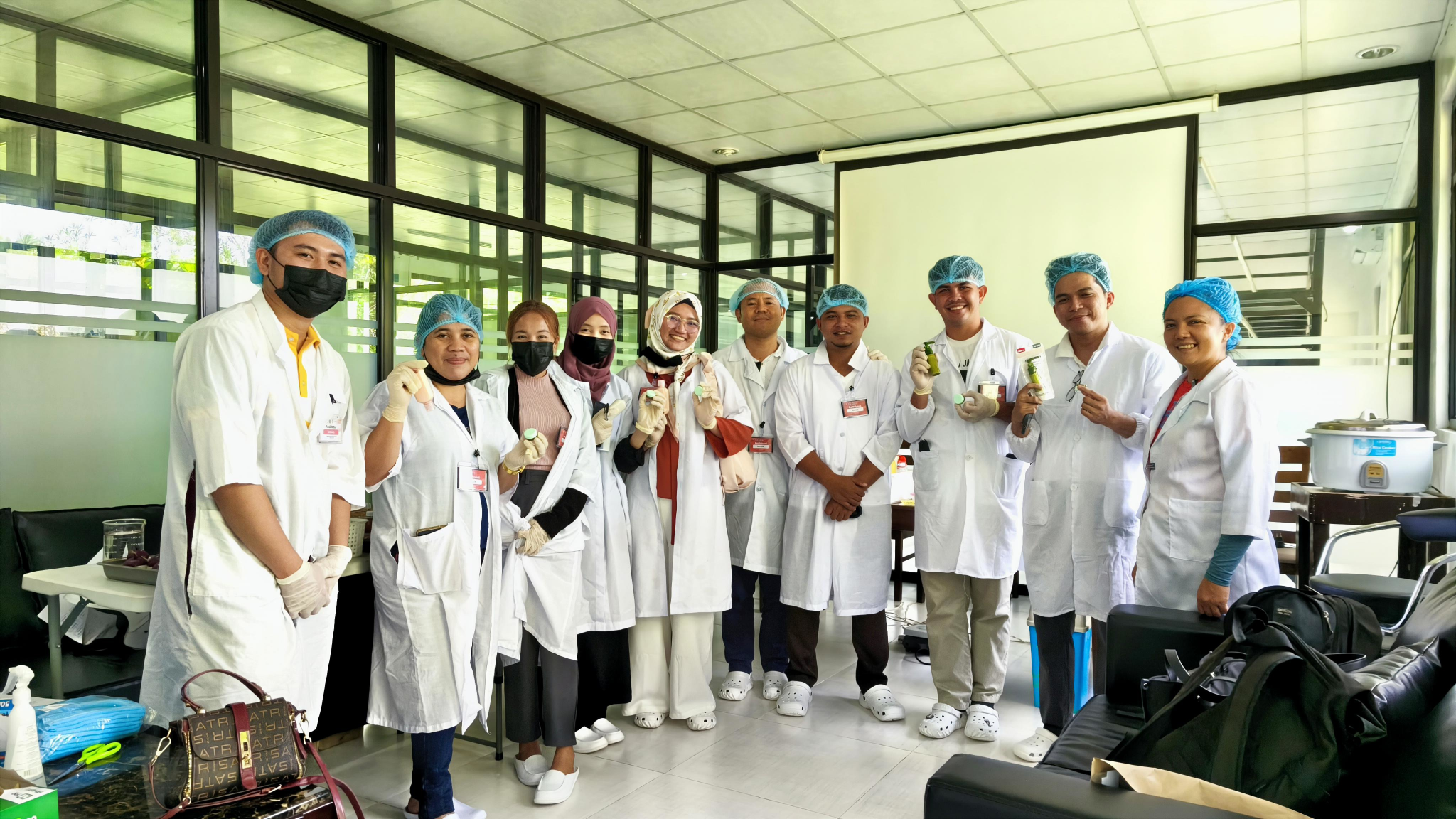
Nutritional Analysis Training
Through hands-on laboratory sessions, researchers evaluated raw indigenous fish and crops to build precise nutritional profiles and create high-value product prototypes, including functional food items, nutraceuticals, and cosmeceuticals.
Dr. Bai Hejira Nefertiti M. Limbona, the Chancellor of MSU-Maguindanao, Atty. Shidik T. Abantas, the Chancellor of MSU-GenSan, and Dr. Christine Dawn G. Obemio, the MSU-GenSan Vice Chancellor for Research, championed the multi-institutional network that unties academic institutions from mainland Mindanao to island provinces like Basilan, Sulu, and Tawi-Tawi.
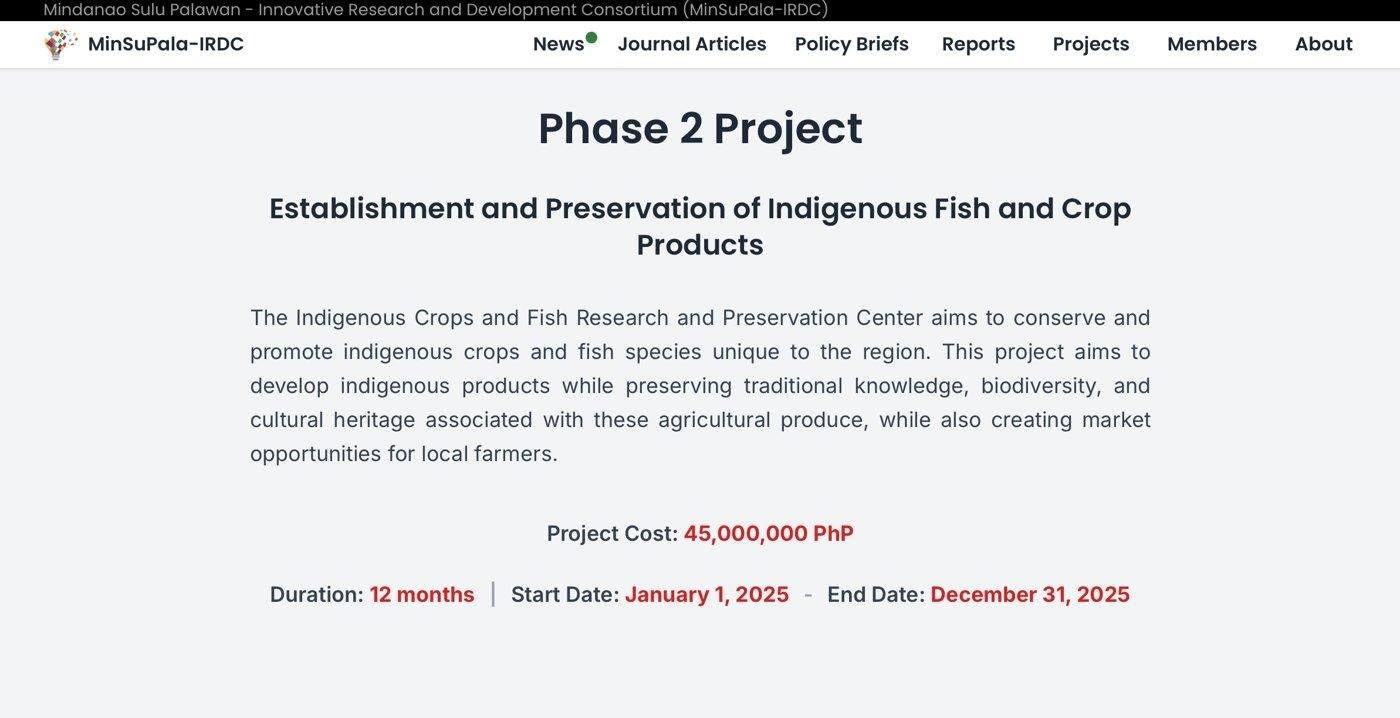
This high-impact initiative advances sustainable management and protection of indigenous crops and fishes to avoid significant adverse impacts; effectively regulate harvesting; and implement science-based management plans by supporting small-scale fishers.
By converting raw native fish into high-value nutritional products, it equips local institutions to maximize the economic returns of indigenous species without increasing fishing pressure.
Through these collaborative efforts, MSU-Maguindanao accelerates scientific innovation that strengthens regional food security, protects aquatic biological resources, and elevates local livelihoods.