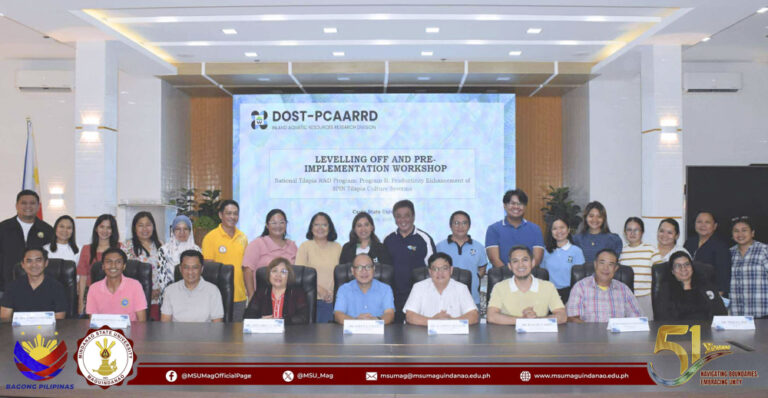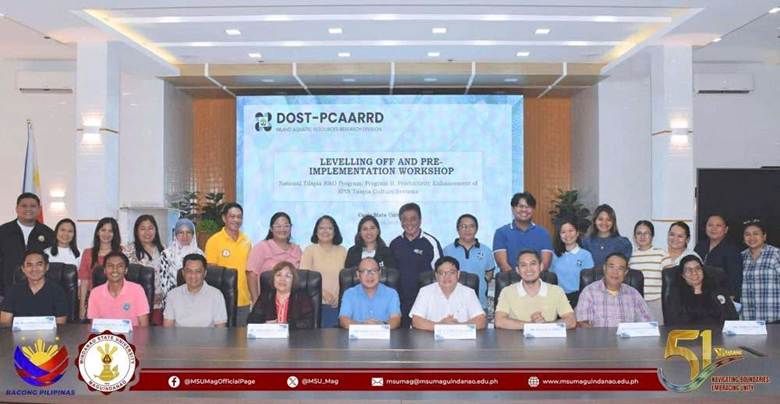
Mindanao State University–Maguindanao (MSU–Maguindanao), through its College of Fisheries, leads the National Tilapia R&D Program: Program B – Productivity Enhancement of SPIN Tilapia Culture Systems, a national research initiative supported by the Department of Science and Technology–Philippine Council for Agriculture, Aquatic and Natural Resources Research and Development (DOST-PCAARRD). The program's inception meeting was held on June 19, 2025, at Capiz State University, bringing together partner institutions to coordinate research activities aimed at improving saline-tolerant tilapia production, promoting sustainable aquaculture, and supporting food security.
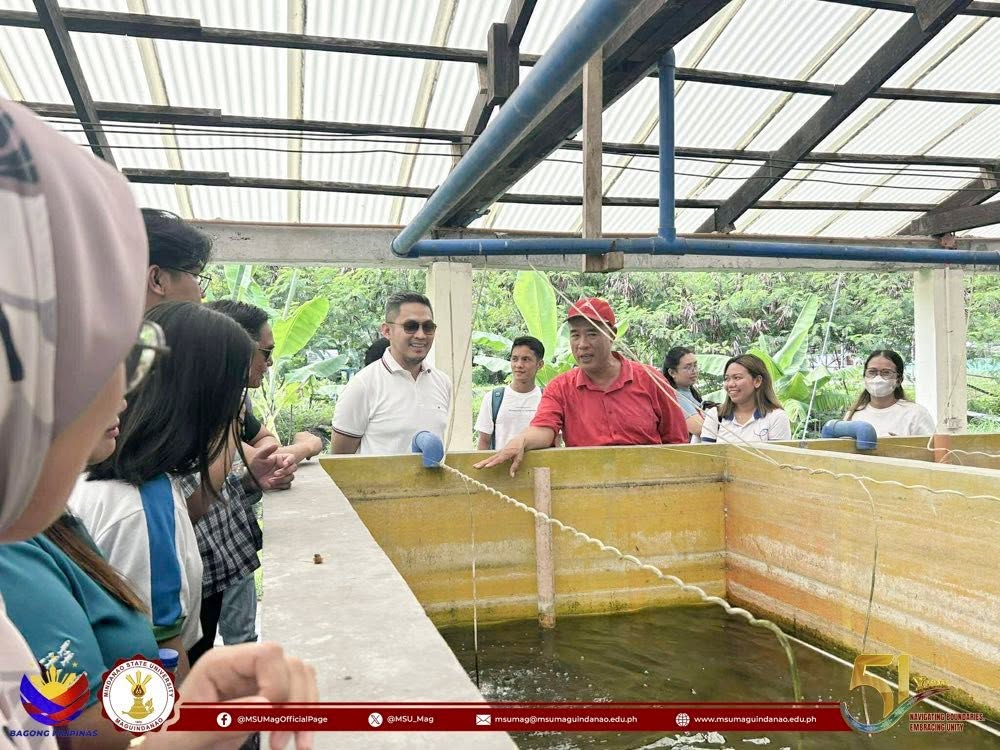
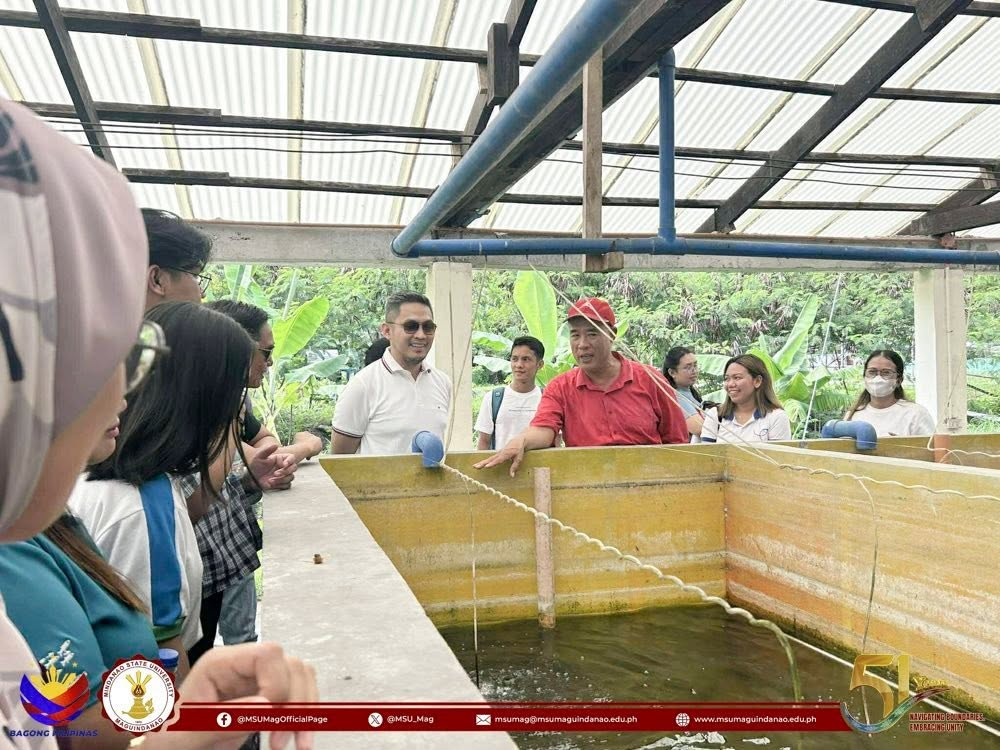
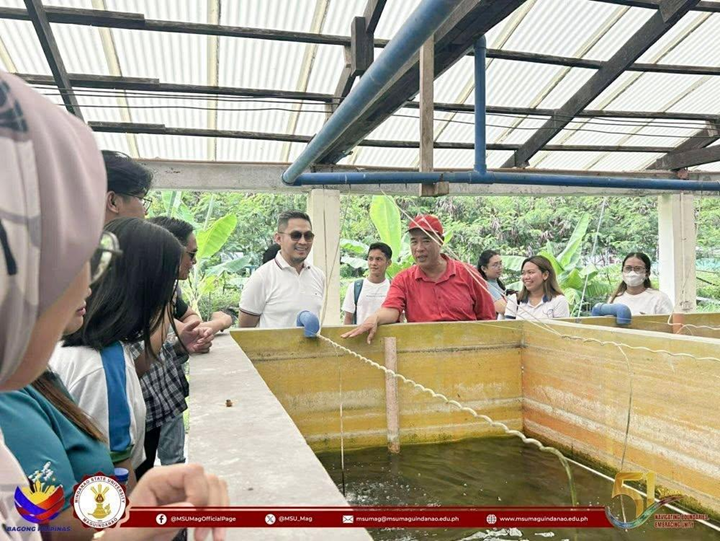
Dr. Ramjie Y. Odin, Dean of the College of Fisheries, MSU–Maguindanao, and Overall Program Leader and Project 1 Leader, conducts a field visit to the project area together with representatives of the Department of Science and Technology–Philippine Council for Agriculture, Aquatic and Natural Resources Research and Development (DOST-PCAARRD)
The program focuses on Saline-tolerant Population of Improved Nilotica (SPIN). By improving the culture systems of this saline-tolerant strain, the initiative seeks to expand sustainable fish production opportunities while promoting the responsible management of aquatic resources.
The program is led by Dr. Ramjie Y. Odin, Dean of the MSU–Maguindanao College of Fisheries, who serves as the overall Program Leader and Project 1 Leader. Partner institutions include Capiz State University, Northern Iloilo State University, Zamboanga State College of Marine Sciences and Technology, and the University of the Philippines. Through five interconnected research projects, the collaboration focuses on improving hatchery and grow-out systems, feeding strategies, microbial-based nursery production, acclimation and transport methods, and locally developed probiotics.
The initiative advances research on aquaculture technologies and practices that support sustainable aquatic resource management and seek to minimize potential environmental impacts on aquatic ecosystems. By improving SPIN tilapia culture systems, production efficiency, and resource utilization, the program aims to promote responsible aquaculture practices, sustainable fish production, and livelihood opportunities for communities dependent on tilapia farming. The inception meeting established a coordinated framework for research implementation, methodology alignment, and project monitoring among participating institutions.
MSU–Maguindanao remains committed to advancing research and collaborative innovation in sustainable aquaculture technologies and practices that help the fisheries and aquaculture industries minimize or prevent damage to aquatic ecosystems, conserve aquatic biodiversity, and promote the responsible utilization of aquatic resources for future generations.