In 2025, Mindanao State University–Maguindanao (MSU–Maguindanao) demonstrated its commitment to providing dedicated outreach and educational activities for the wider community, including local residents, displaced and conflict-affected populations, former combatants, farmers, and women's organizations, through its agricultural livelihood and camp transformation initiatives. Under the program “Sowing Hope, Reaping Peace: MSU–Maguindanao Agricultural Livelihood and Camp Transformation Program in Camps Omar, Abubakar, and Badre,” the University extended its academic expertise, technical knowledge, and community development services beyond the campus to support livelihood recovery, food security, economic reintegration, and sustainable peace in the Bangsamoro Autonomous Region in Muslim Mindanao (BARMM).
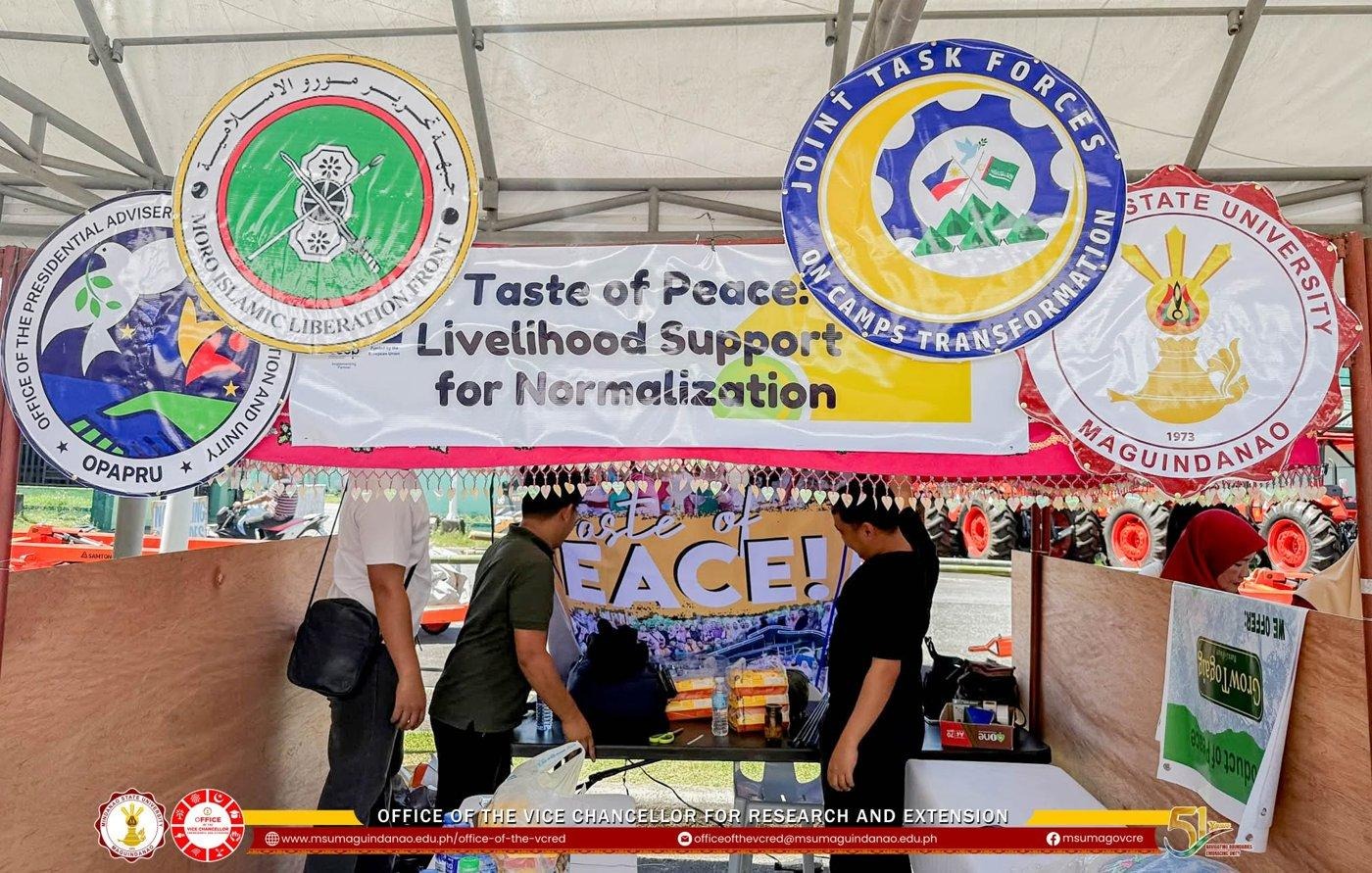
Implemented in partnership with the Office of the Presidential Adviser on Peace, Reconciliation and Unity (OPAPRU), MILF Camps Transformation mechanisms, local government units, and community cooperatives, the initiative formed part of the Agricultural Livelihood Support Projects under the MILF Camps Transformation Plan and the Normalization Track of the Comprehensive Agreement on the Bangsamoro. Through community engagement, technical extension support, stakeholder consultations, knowledge sharing, and livelihood interventions, MSU–Maguindanao helped participating communities gain access to productive resources and practical opportunities for sustainable economic participation.
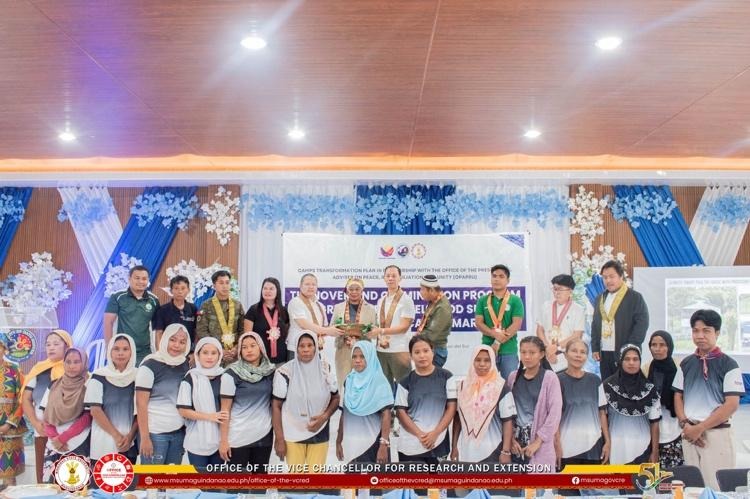
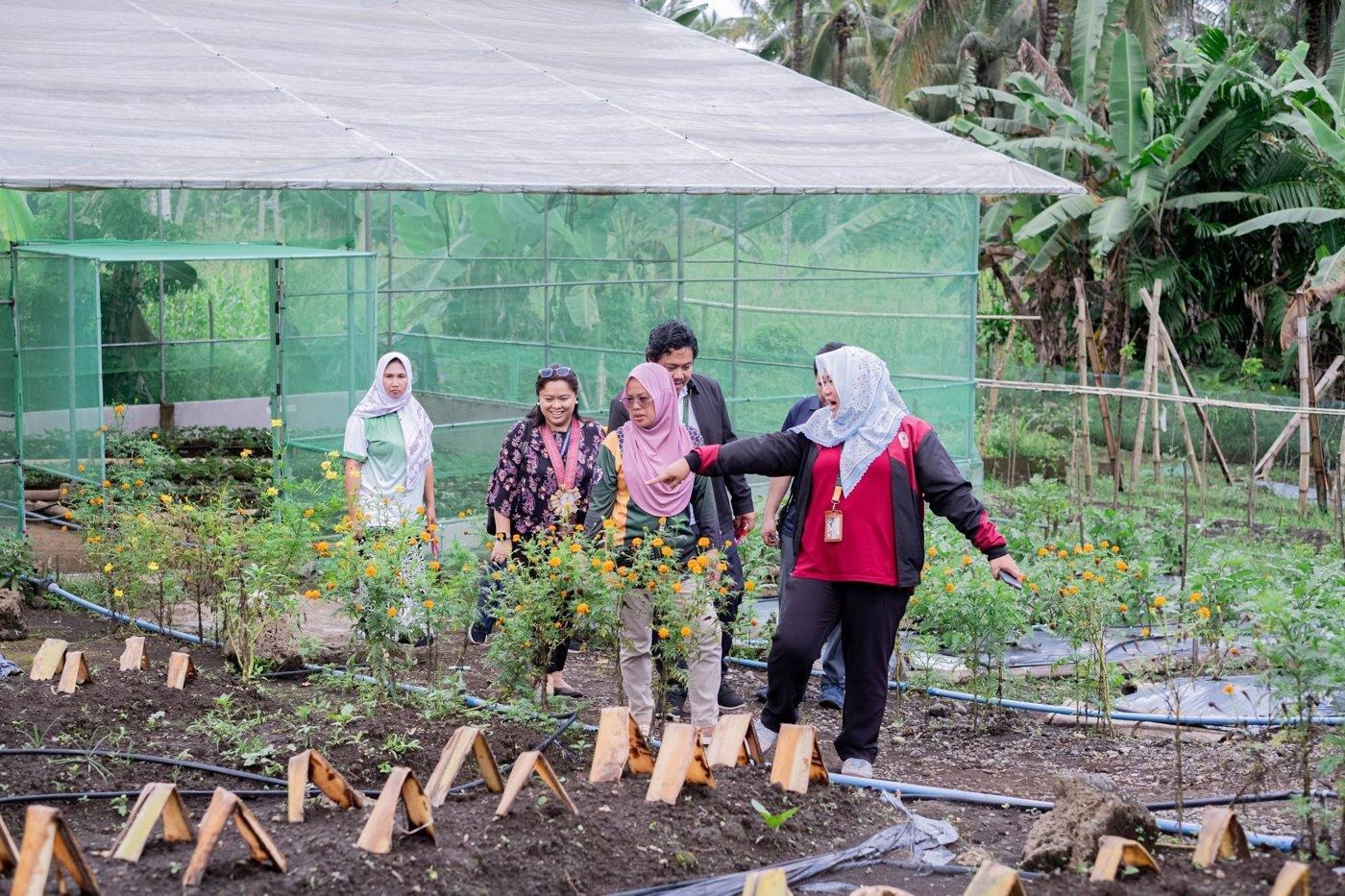
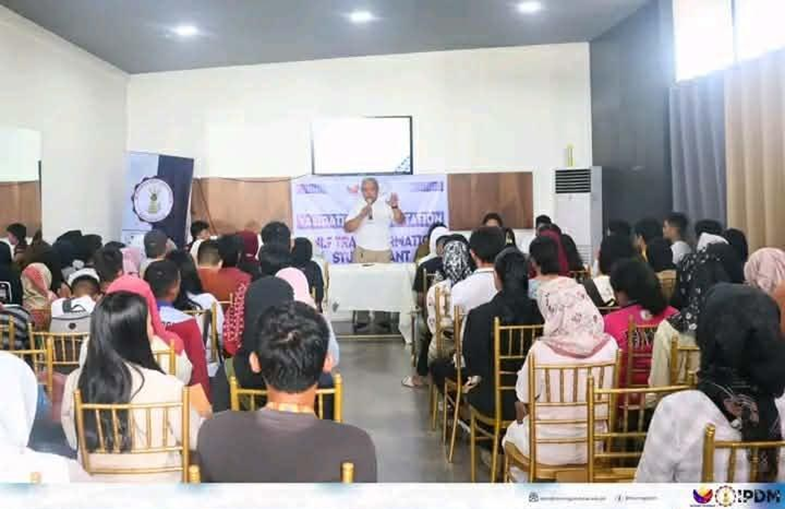
On June 17, 2025, MSU–Maguindanao and OPAPRU conducted the turnover of agricultural livelihood projects for Camp Omar at the Datu Hoffer Municipal Training Center. The initiatives supported four community organizations through diversified livelihood activities involving vegetable production, goat raising, poultry production, and fish farming. These interventions connected agricultural knowledge and university extension services with community-based food production, livelihood diversification, and cooperative development, creating opportunities for local residents to strengthen household food security and economic self-reliance.
On June 18, 2025, the University and OPAPRU formally turned over a kitchen facility in Camp Abubakar, Barira, Maguindanao del Norte, benefiting the Calagan Women's Marketing Cooperative and Gawad Kalinga Village Togaig Farmer's Marketing Cooperative. The facility provided productive infrastructure for cooperative-led food enterprises and community livelihoods, particularly supporting women's economic participation. The intervention also contributed to the socioeconomic reintegration of decommissioned combatants by creating opportunities for civilian livelihood development within communities transitioning from armed conflict.
The University continued its community outreach through the turnover of agricultural livelihood support projects for Camp Badre on July 16, 2025, at the Datu Odin Sinsuat Gymnasium, MSU–Maguindanao. The initiative benefited four agricultural and marketing cooperatives, supporting organized farming communities through productive livelihood resources and agricultural development opportunities. Across the three camps, 10 community organizations and cooperatives directly benefited from the University's extension interventions, including women's organizations and farmer-led enterprises.
These dedicated community outreach activities demonstrate how MSU–Maguindanao connects higher education with lifelong learning opportunities, practical skills development, poverty reduction, food security, sustainable agriculture, women's economic empowerment, productive employment, social inclusion, and community resilience. By supporting vulnerable and conflict-affected populations, the University contributes to reducing inequalities and promoting peaceful and inclusive societies. Its collaboration with government institutions, local communities, and cooperatives also reflects the importance of effective institutions, knowledge sharing, capacity-building, and multi-stakeholder partnerships in addressing sustainable development challenges.
MSU–Maguindanao remains committed to expanding accessible, community-responsive outreach and educational opportunities for the wider community, strengthening technical knowledge transfer, and sustaining livelihood development initiatives that empower local residents and vulnerable populations. Through continued partnerships, participatory community engagement, and inclusive extension services, the University seeks to transform academic knowledge into lasting opportunities for self-reliance, equitable development, and sustainable peace throughout the Bangsamoro.