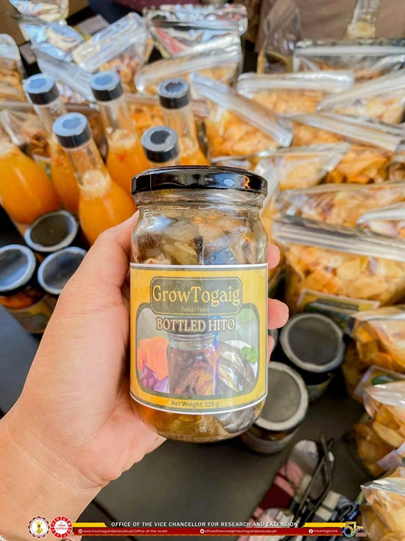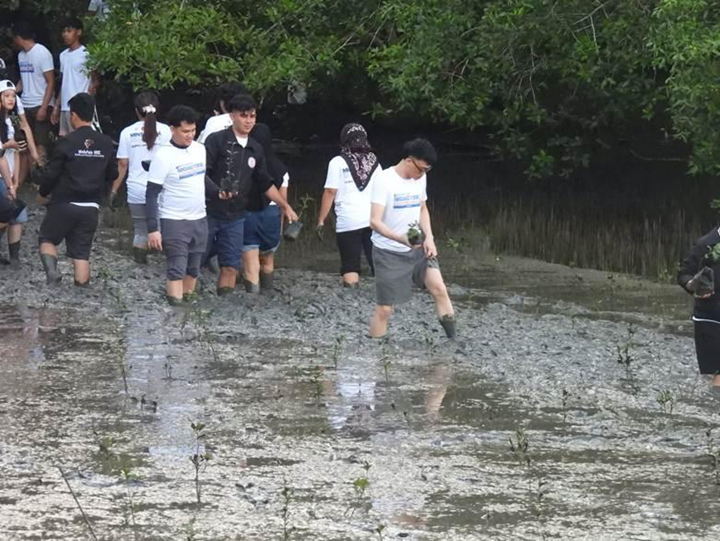
Jonald C. Bornales of Mindanao State University–Maguindanao, working alongside Albaris B. Tahiluddin from MSU–Tawi-Tawi and an international team of researchers, surveyed 280 residents across seven coastal municipalities to document how local communities prepare and value edible seaweed. Despite seaweed being deeply rooted in the Bangsamoro diet, systematic data on consumption habits and health perceptions had remained limited.
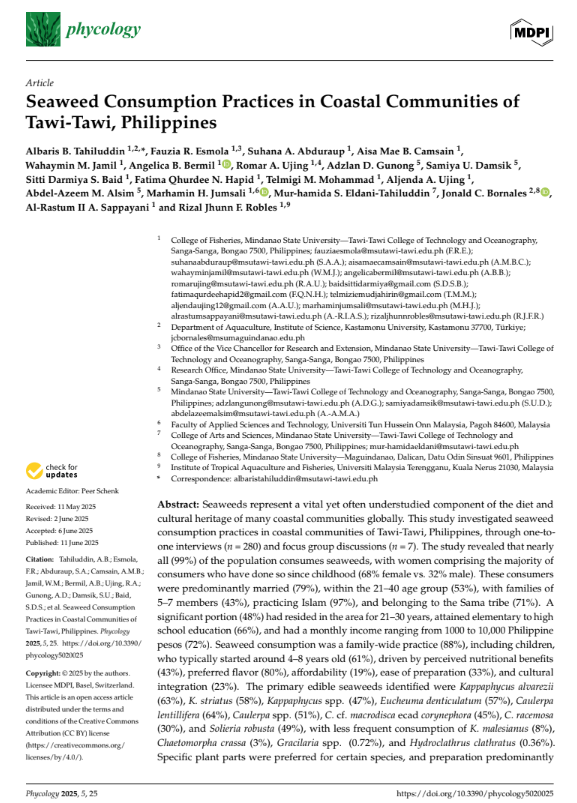
By combining community surveys with seven focus group discussions, the team uncovered a strong culinary tradition that heavily relies on family heritage. The study was published in the journal Phycology. The findings show that 95% of participants learned how to prepare and eat seaweed directly from older generations. These local families value seaweed not only as a daily dietary staple, but also as a accessible source of essential nutrition that supports household food security.
This research directly advances the increase of scientific knowledge and develops research capacity, while also advancing zero hunger and responsible consumption and production, by highlighting sustainable marine resource use and safeguarding local food heritage.
Ultimately, by putting real numbers behind these age-old habits, the team offers local leaders the evidence they need to design better nutrition programs and keep these healthy and ocean-based food traditions alive.