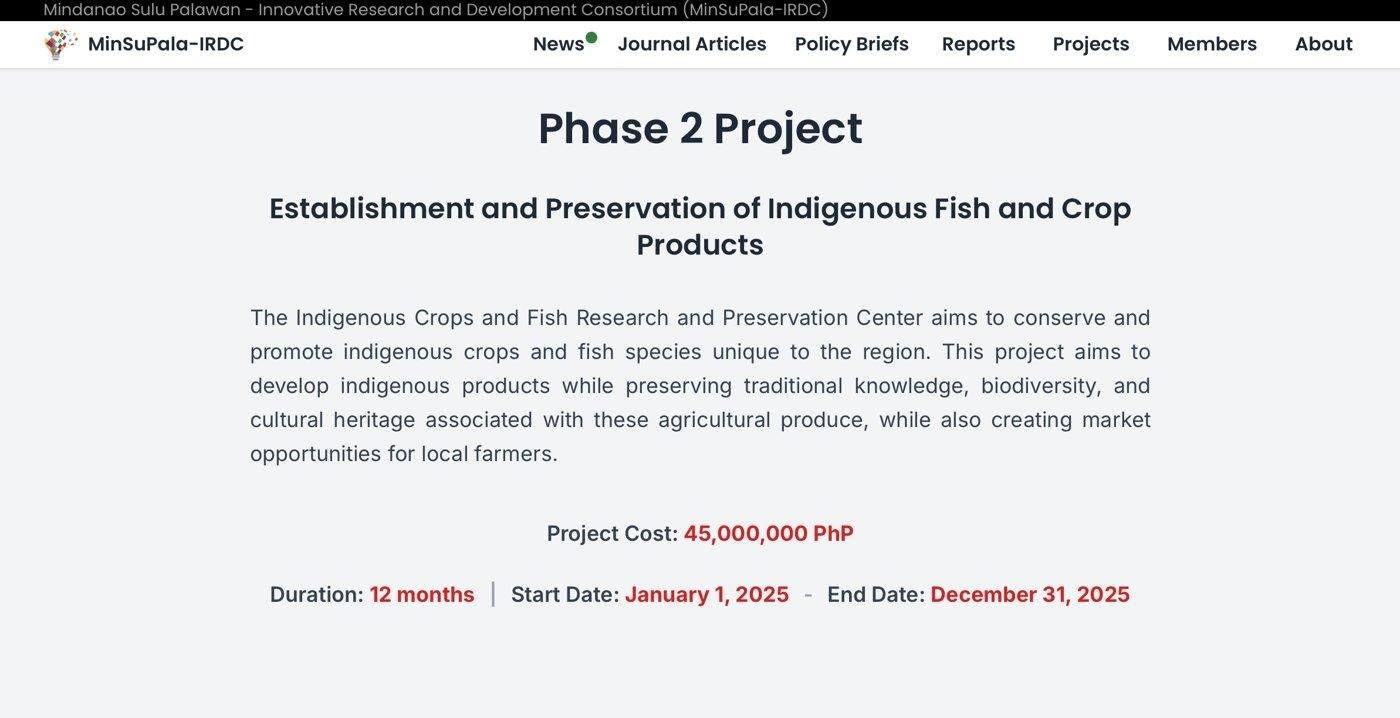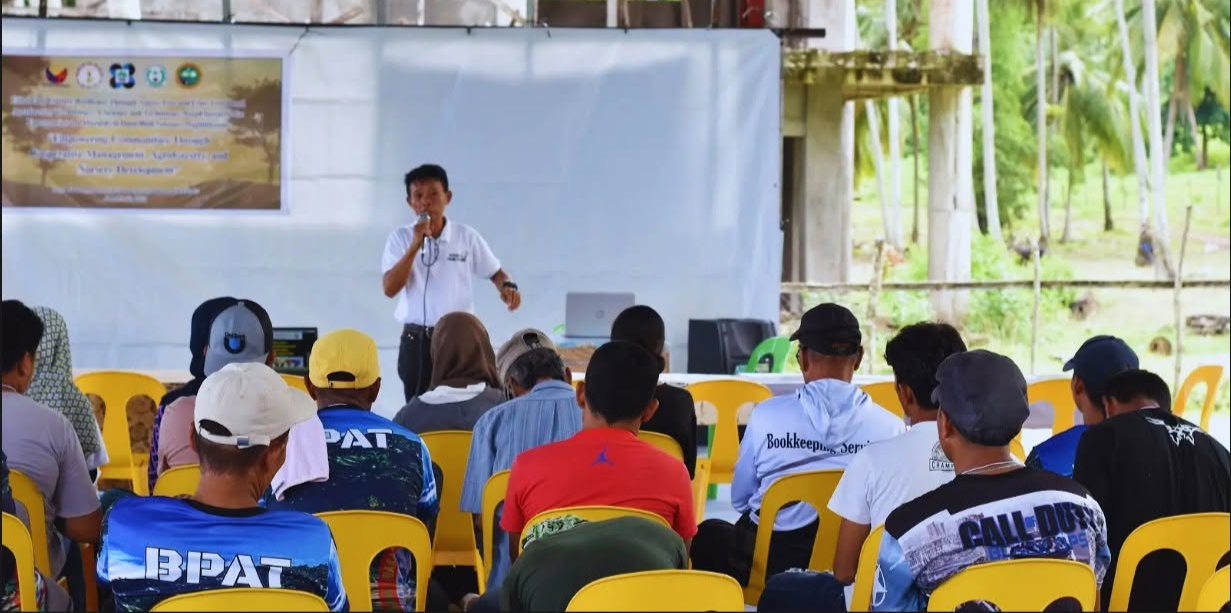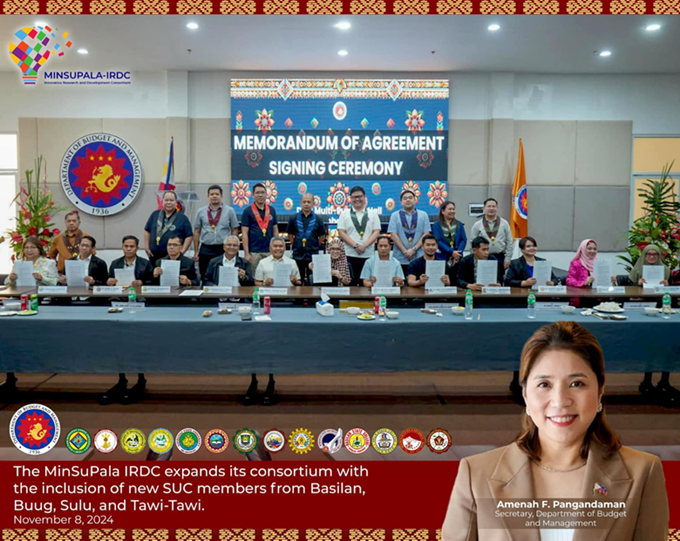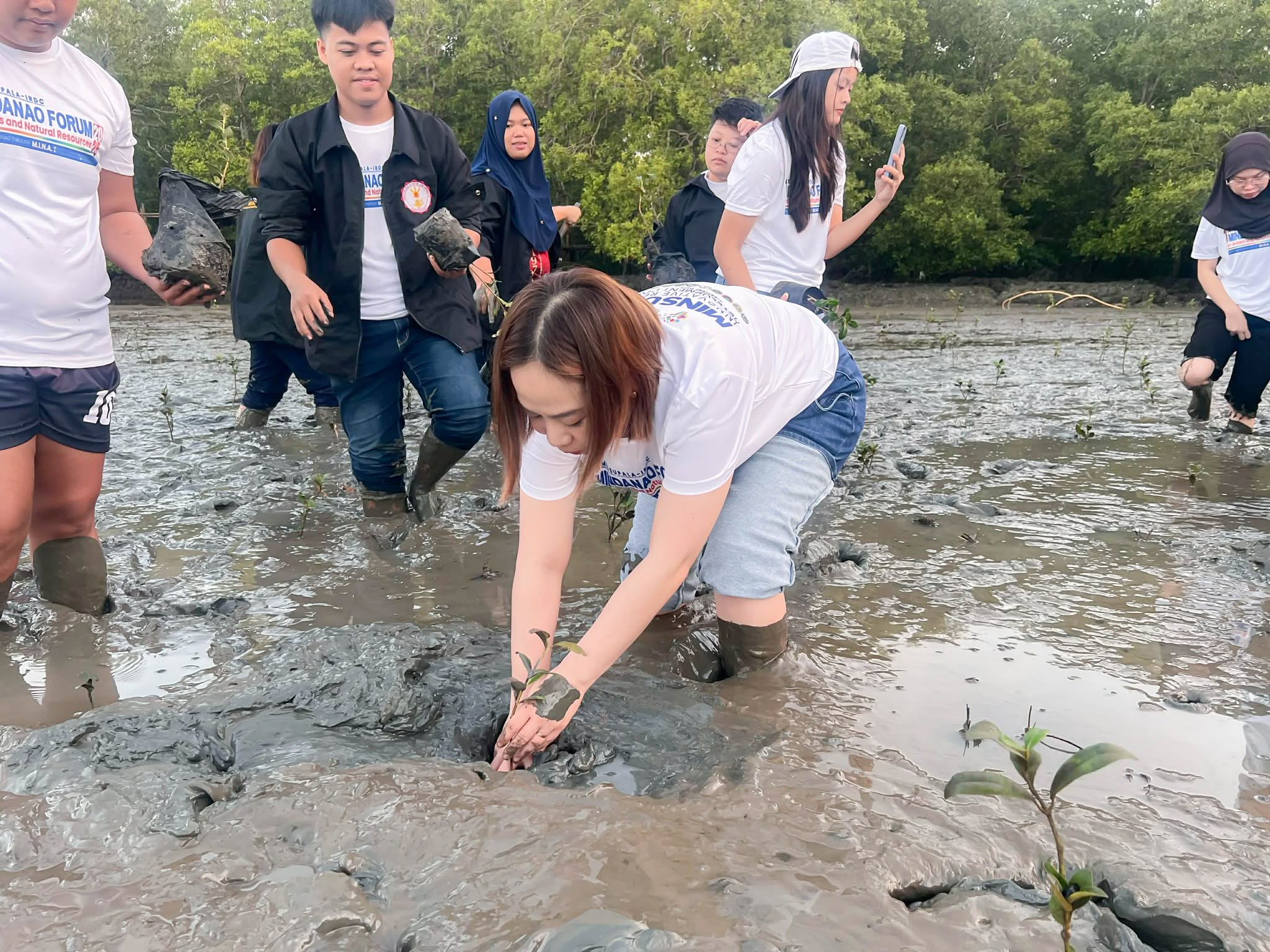
In a series of productive dialogues held from July 23 to 25, 2025, the MSU-Maguindanao MinSuPala-IRDC project team convened coordination meetings with the Local Government Units (LGUs) of Cotabato City, Kabuntalan (Maguindanao del Norte), Talitay (Maguindanao del Norte), Datu Piang (Maguindanao del Sur), and Northern Kabuntalan (Maguindanao del Norte). These meetings served as a vital platform for launching the second phase of the consortium’s flagship project titled “Establishment and Preservation of Indigenous Fish and Crop Products.”
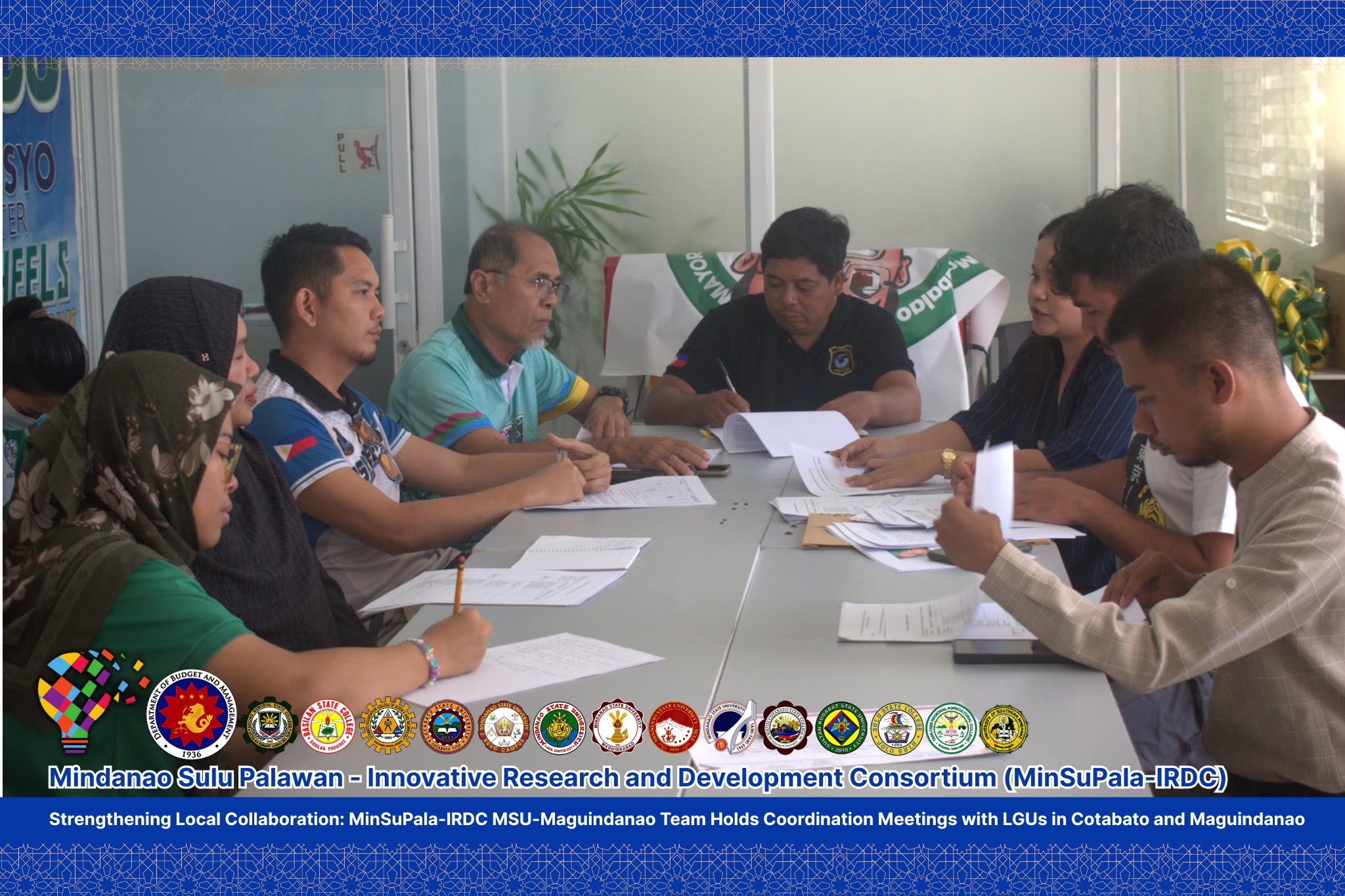
Strengthening Local Collaboration: MinSuPala-IRDC MSU-Maguindanao Team Holds Coordination Meetings with LGUs in Cotabato and Maguindanao for Phase 2 Project
The project aims to protect and promote indigenous fish and crop species that are vital to the culture, livelihood, and food traditions of local communities in the region. By enhancing food security and supporting sustainable farming and fishing practices, the initiative seeks to improve the well-being of local populations. As part of the coordination meetings, the MinSuPala-IRDC team conducted the Prioritization Tool Survey, which allowed community leaders, farmers, and fisherfolk to identify the most important indigenous species for preservation. Their input will guide the research team on conducting the Phase 2 project.
Local Government Units (LGUs) expressed strong support and committed to partnering with the project team. They recognized the potential of the project to help preserve natural resources and improve community life. The meetings also strengthened the collaboration between MSU-Maguindanao and the LGUs, setting a solid foundation for Phase 2.
The success of these coordination meetings was made possible through the unwavering support of MSU-Maguindanao Chancellor Bai Hejira Nefertiti M. Limbona, whose leadership continues to inspire innovation and collaboration across the university’s research and extension initiatives. The active participation of the project team members—composed of faculty researchers and staff—ensured meaningful engagements with stakeholders and facilitated the smooth conduct of the activity. With this collective effort, the project is now well-positioned to move forward with more focused, community-based actions to conserve and sustain indigenous fish and crop species for future generations.