Mindanao State University–Maguindanao (MSU–Maguindanao) actively collaborates with local communities, government agencies, and academic institutions to promote the conservation, rehabilitation, and sustainable management of shared land ecosystems. Through community-based agroforestry initiatives, capacity-building activities, and technical partnerships, the University supports efforts to restore degraded landscapes, enhance biodiversity, and strengthen local participation in sustainable land management practices.
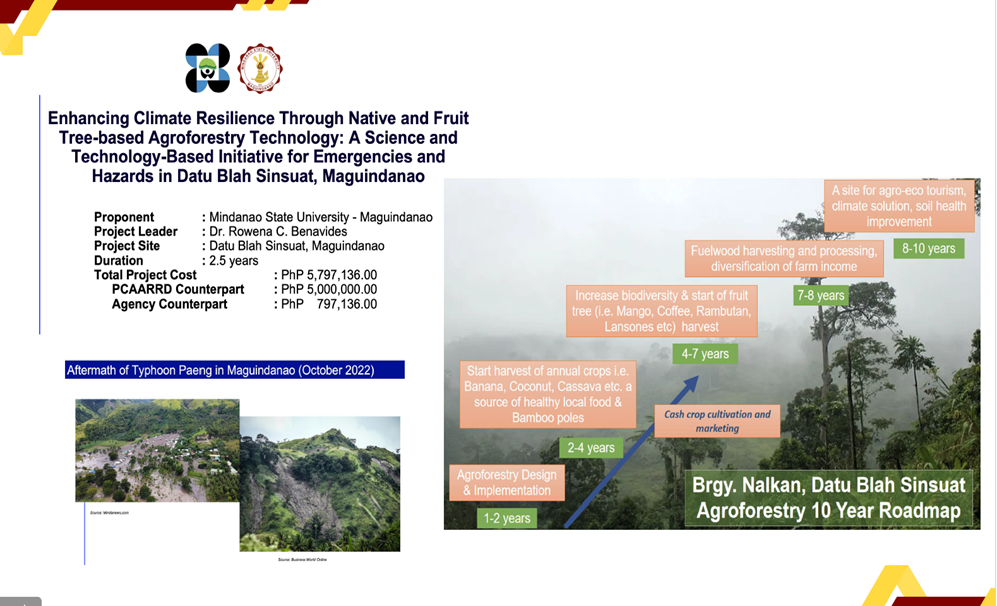
One of the University's major initiatives is the Native and Fruit Tree-Based Agroforestry Project in Barangay Nalkan, Datu Blah Sinsuat, Maguindanao del Norte, implemented by the College of Forestry and Environmental Studies (CFES) with funding support from the Department of Science and Technology–Philippine Council for Agriculture, Aquatic and Natural Resources Research and Development (DOST-PCAARRD). Officially launched in March 2025 and continuing in 2026, the project involves collaboration with Barangay Nalkan officials, local government representatives, and community stakeholders. It aims to rehabilitate degraded land through the establishment of agroforestry systems integrating native and fruit-bearing trees. The initiative emphasizes community participation in land rehabilitation planning, sustainable resource management, and the development of livelihood opportunities compatible with ecosystem conservation. Its planned activities also include community nursery development and farmer capacity building to support the long-term sustainability of restored landscapes.
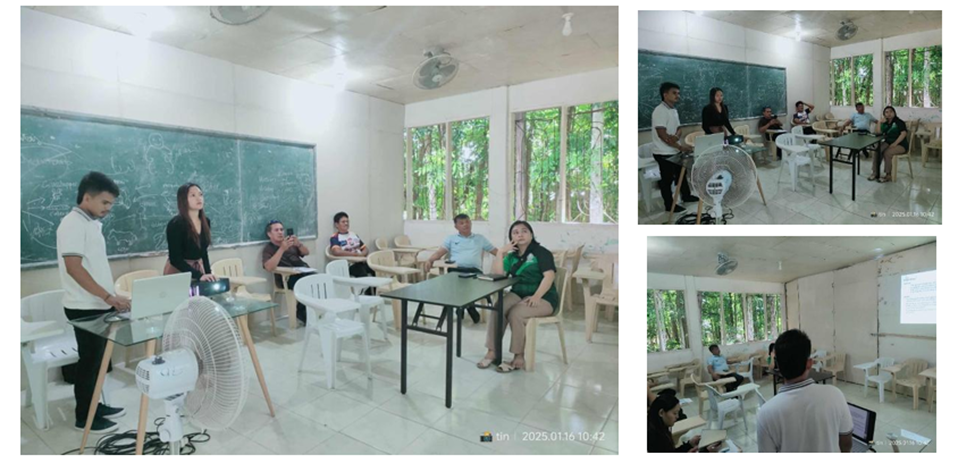
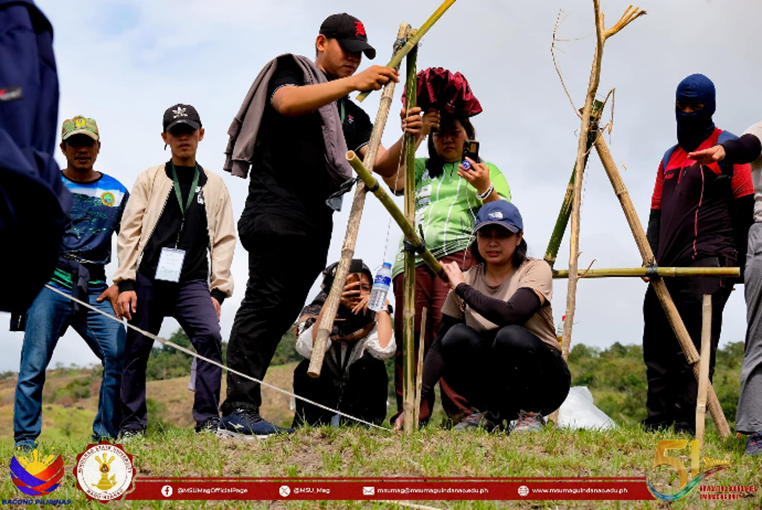
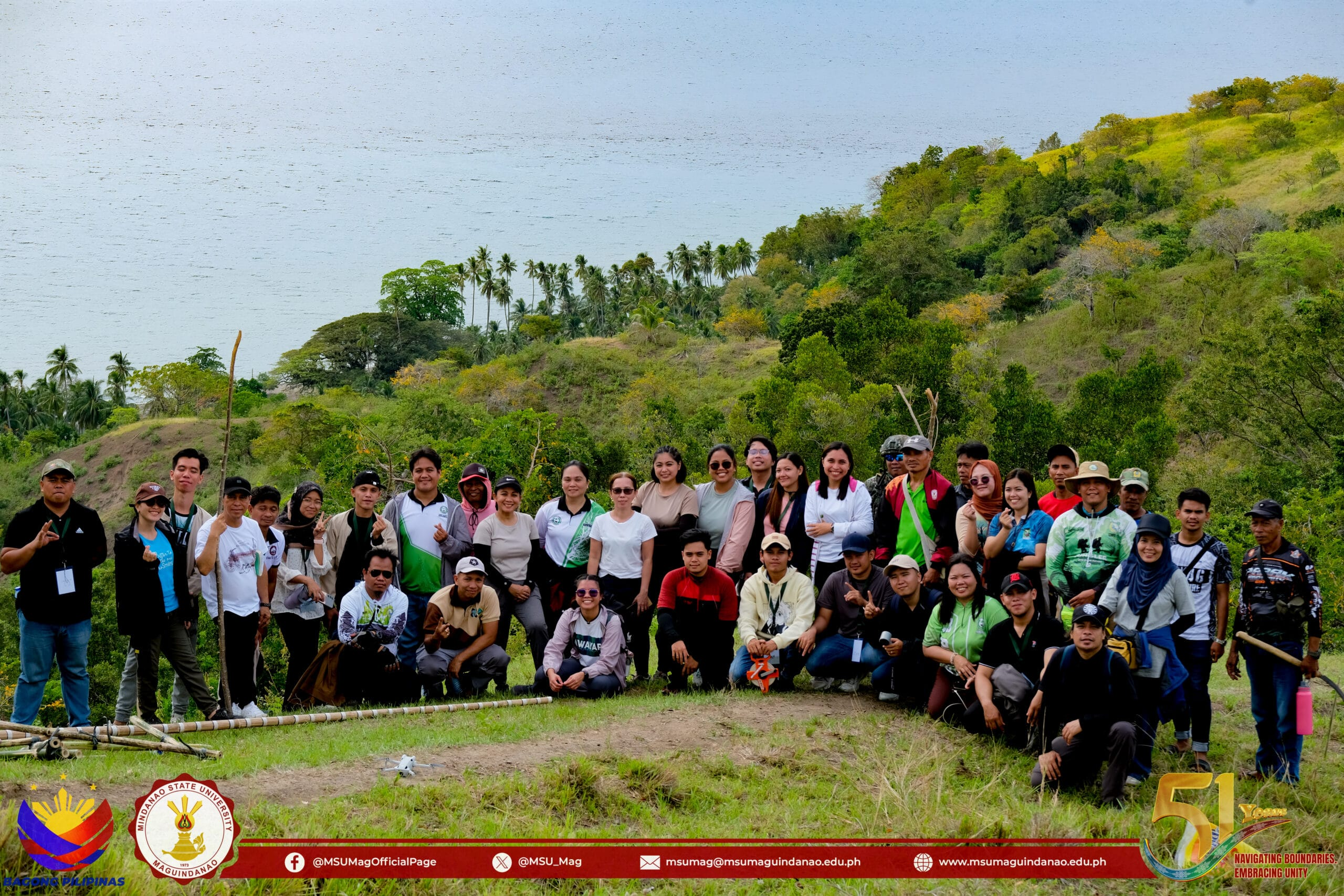
To strengthen the technical implementation of this initiative, MSU–Maguindanao partnered with the University of the Philippines Los Baños–Institute of Agroforestry (UPLB-IAF) in conducting the Agroforestry Land Capability Assessment and Mapping Scheme (ALCAMS) Training on Agroforestry Establishment and Development on February 25–27, 2025. The training included a field assessment in Barangay Nalkan on February 26, where participants examined land slope, vegetation characteristics, and site conditions to determine appropriate agroforestry interventions. The field activity was coordinated with local barangay leadership, demonstrating the integration of scientific land assessment and community-based ecosystem rehabilitation planning. This collaboration helped strengthen the technical foundation for sustainable land use and agroforestry development within the project area.
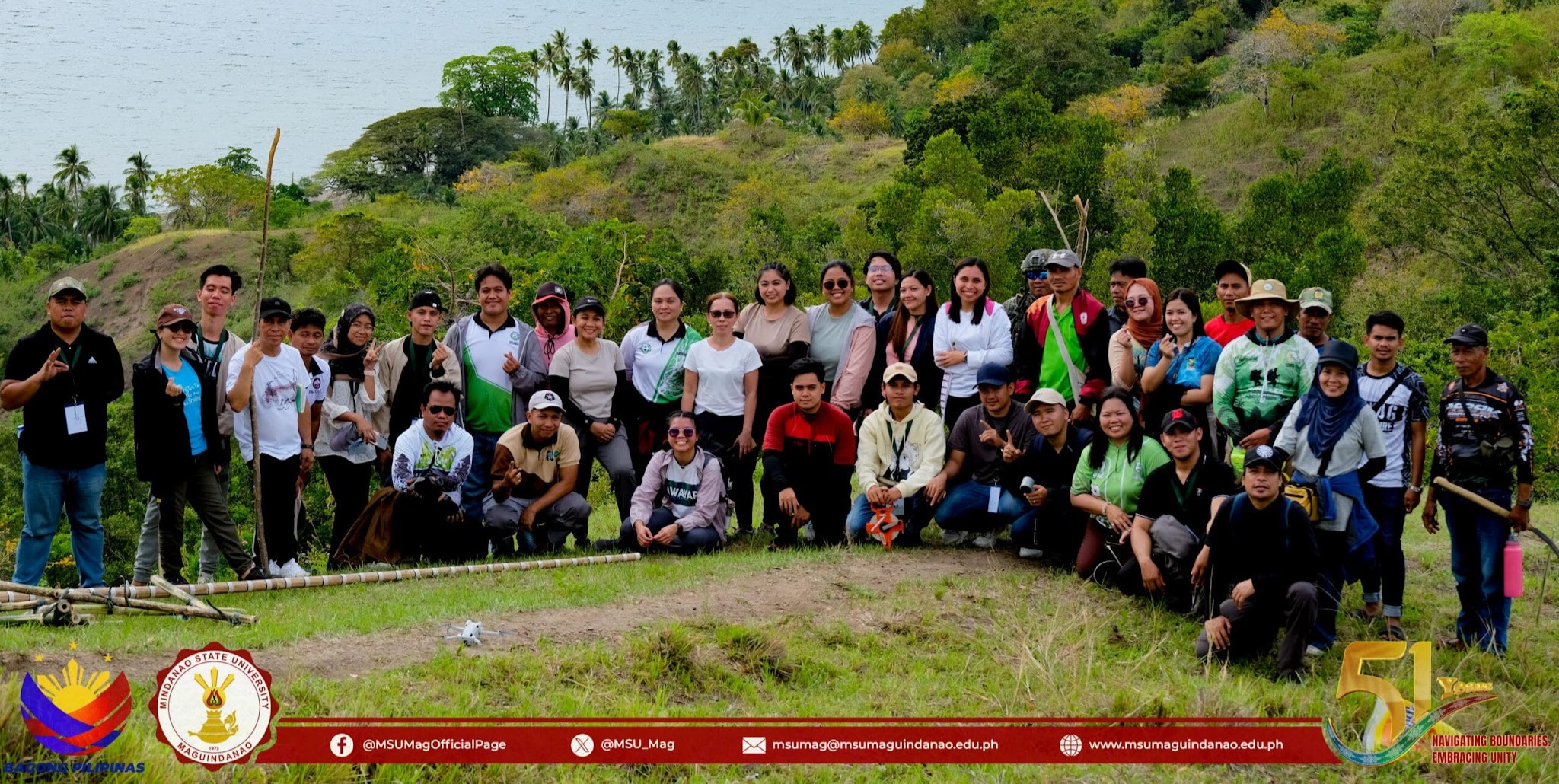
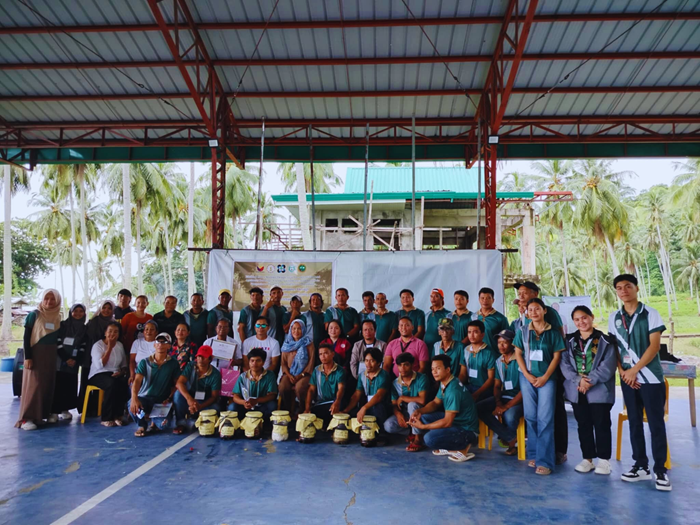
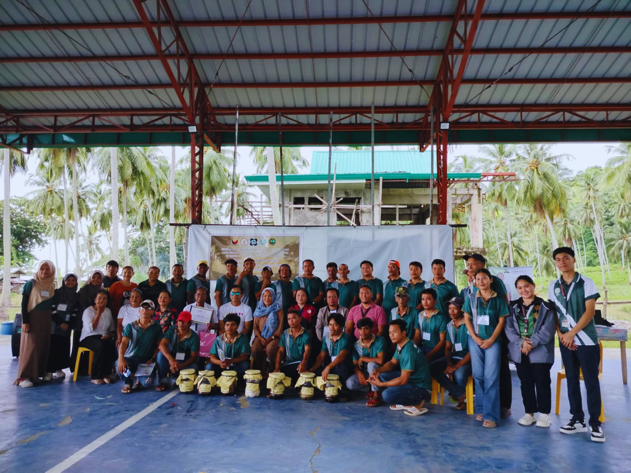
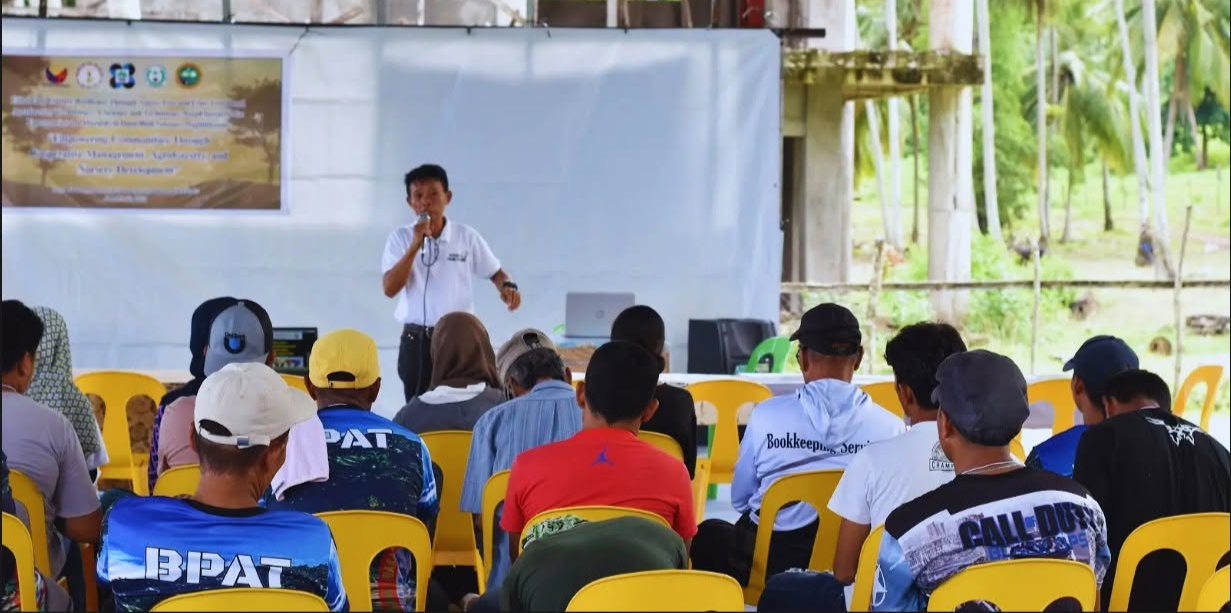
Further demonstrating its direct engagement with local communities, the University conducted a Community Seminar-Workshop on Agroforestry and Nursery Development on June 16–17, 2025, in Datu Blah Sinsuat, Maguindanao del Norte. Organized through the CFES agroforestry project, the activity engaged community beneficiaries in discussions and practical learning on agroforestry establishment, nursery development, cooperative management, and organic fertilizer production. These activities were designed to strengthen local knowledge and skills in sustainable land management, promote environmentally responsible agricultural practices, and encourage community involvement in ecosystem rehabilitation.
Collectively, these initiatives demonstrate MSU–Maguindanao's sustained institutional commitment to working with local communities in maintaining and restoring shared terrestrial ecosystems. By combining community partnerships, scientific expertise, environmental education, and participatory capacity building, the University contributes to the rehabilitation of degraded land, the promotion of sustainable agroforestry practices, and the development of local capacity for long-term ecosystem stewardship.