Mindanao State University-Maguindanao (MSU-Maguindanao), in partnership with the University of the Philippines Los Baños-Institute of Agroforestry (UPLB-IAF), conducted a three-day Trainers’ Training on Agroforestry Establishment and Development Leveraging the Agroforestry Land Capability Assessment and Mapping Scheme (ALCAMS) for Effective Land Assessment on February 25–27, 2025. The training aimed to equip agroforestry practitioners and prospective trainers with practical competencies in land capability assessment, agroforestry system design, and soil and water conservation to support climate-resilient land management in upland communities.
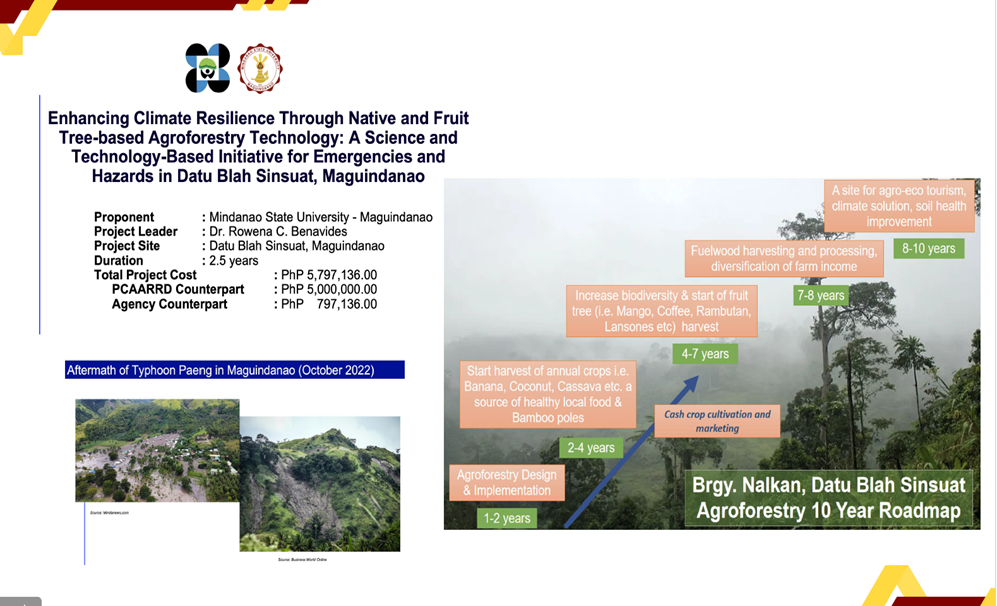
The activity was implemented under the DOST-PCAARRD-funded project, Enhancing Climate Resilience through Native Tree and Fruit Tree-based Agroforestry Technology: A Science and Technology-Based Initiative for Emergencies and Hazards in Datu Blah Sinsuat, Maguindanao. The initiative addressed environmental challenges affecting upland and hazard-prone communities, particularly soil erosion, land degradation, and declining agricultural productivity. Through the project, MSU-Maguindanao and UPLB-IAF promoted science-based approaches to developing agroforestry systems suited to local soil, slope, and vegetation conditions.
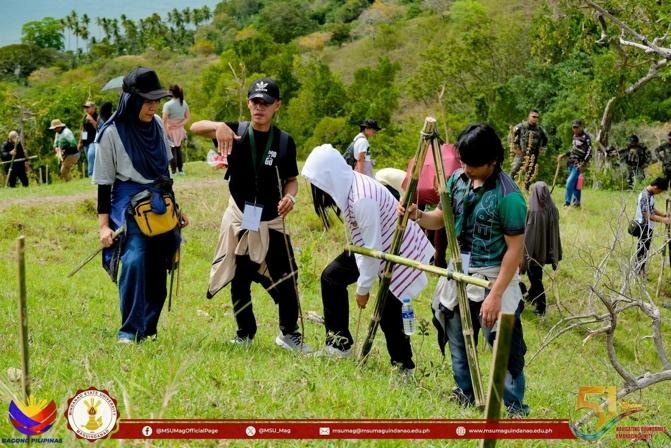
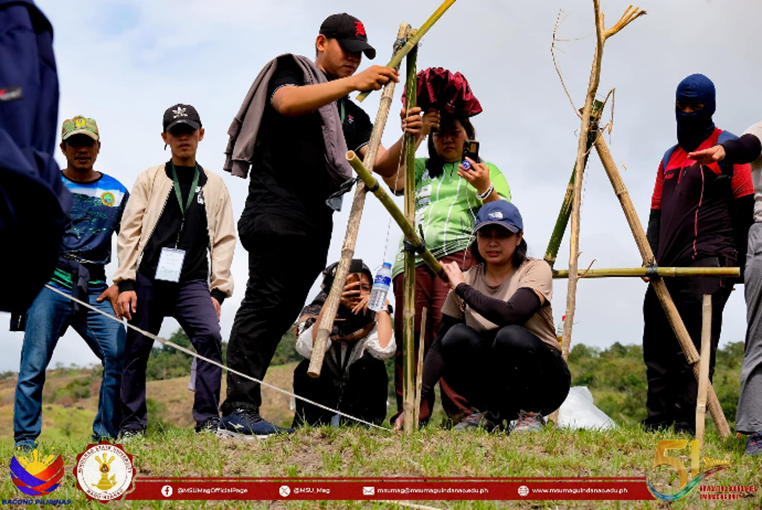
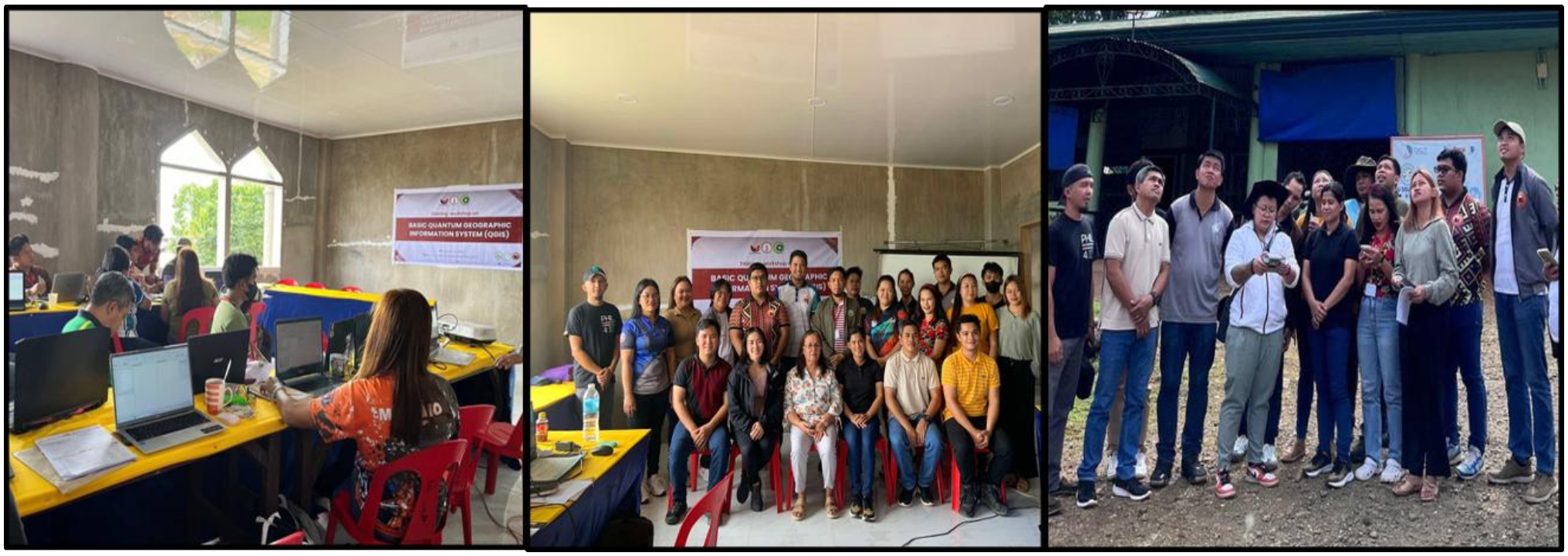
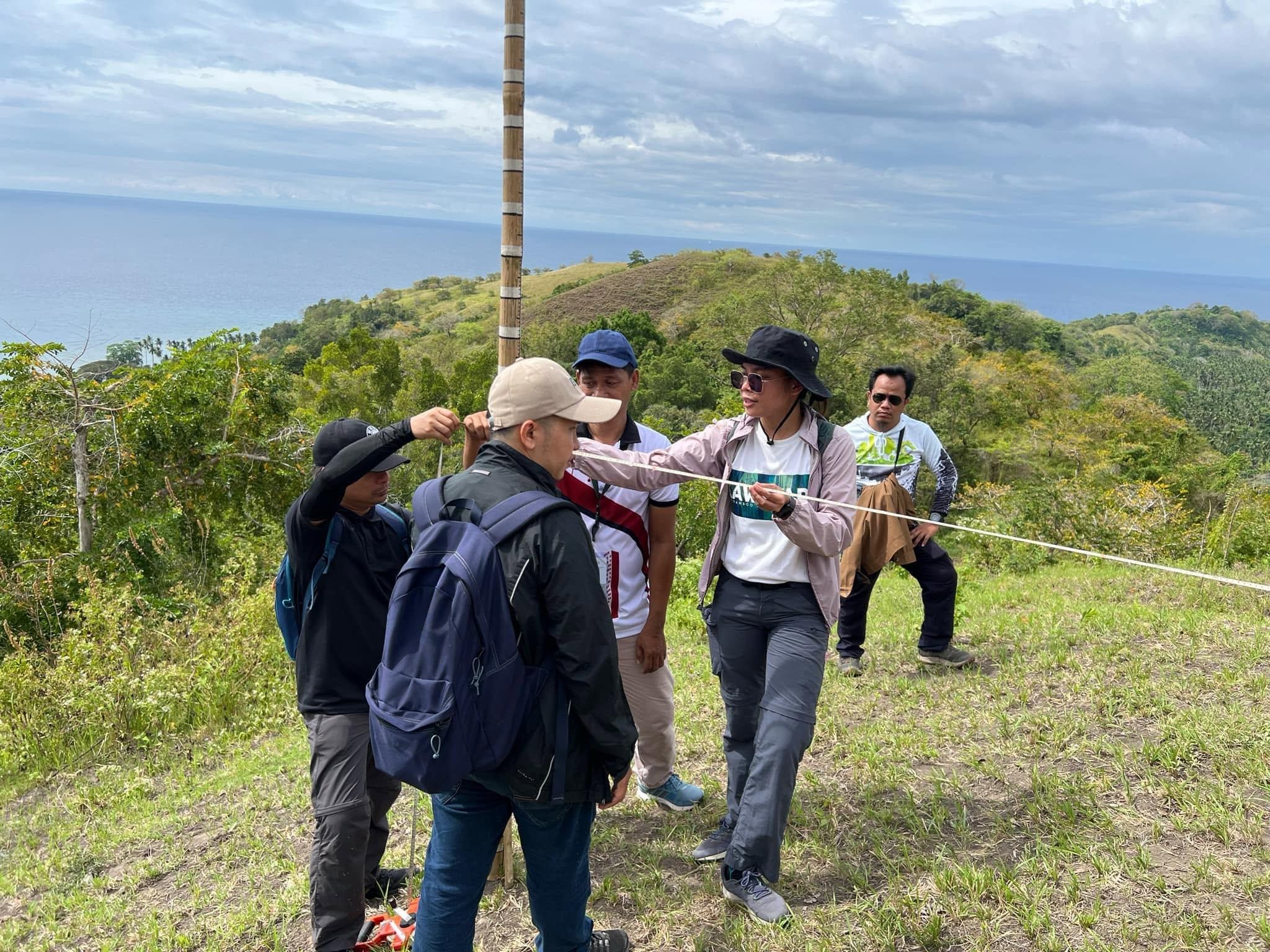
The training combined classroom discussions, field assessment, and applied planning. On the first day, participants gathered at the MSU-Maguindanao Training Center for the discussion of agroforestry fundamentals, technologies for establishing agroforestry systems, and soil and water conservation principles. On the second day, the training moved to the project site in Barangay Nalkan, Datu Blah Sinsuat, Maguindanao del Norte, where they conducted field assessments of slope using an A-Frame and Brunton Compass, and vegetation. On the third day, participants performed soil analysis and developed sketch maps illustrating slope, land use, and soil fertility. These assessments informed their evaluation of the site’s suitability for agroforestry. The training concluded with discussions on agroforestry management and group exercises in which participants developed site-specific agroforestry plans, considering appropriate tree species, sustainable land-use practices, and soil and water conservation measures.
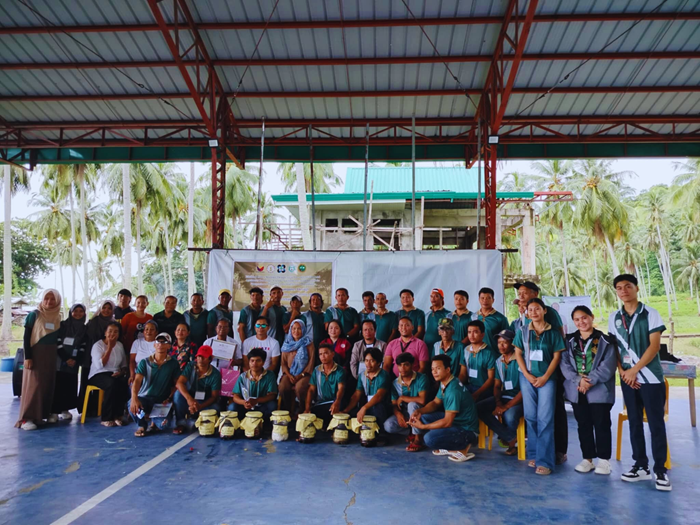
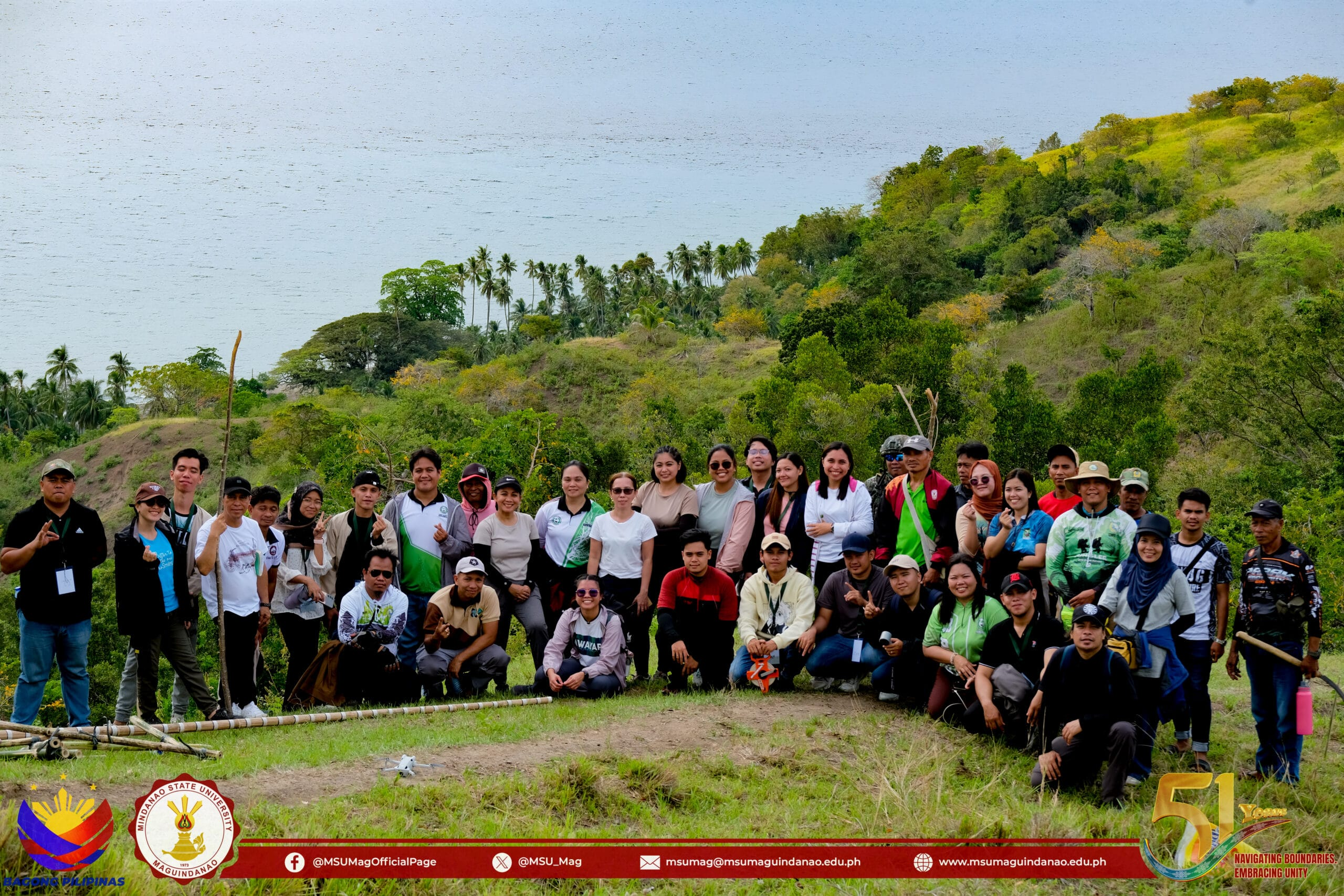
The activity brought together faculty members and selected students from MSU-Maguindanao’s College of Forestry and Environmental Studies, faculty from the College of Agriculture and the College of Engineering and Computing Studies, forestry faculty from MSU-Buug, MSU-Marawi, and MSU-Lanao del Norte Agricultural College, and a representative from the Bangsamoro Autonomous Region in Muslim Mindanao’s Ministry of Environment, Natural Resources, and Energy (MENRE). This multidisciplinary and inter-institutional participation strengthened opportunities for knowledge exchange and the wider application of ALCAMS-based land assessment methods in instruction, research, extension, and environmental management.
The residents of Barangay Nalkan are the ultimate intended beneficiaries of the initiative. The site-specific agroforestry plans developed during the training provide a science-based foundation for selecting suitable tree species and identifying appropriate land management and conservation practices. Their implementation can help improve agricultural productivity, reduce soil erosion, protect natural resources, and support more sustainable livelihoods in the community.
Building on the training, the University aims to support the wider application of science-based agroforestry practices and strengthen collaboration with academic institutions, government agencies, and local communities toward climate resilience, environmental stewardship, and sustainable development in the Bangsamoro region.