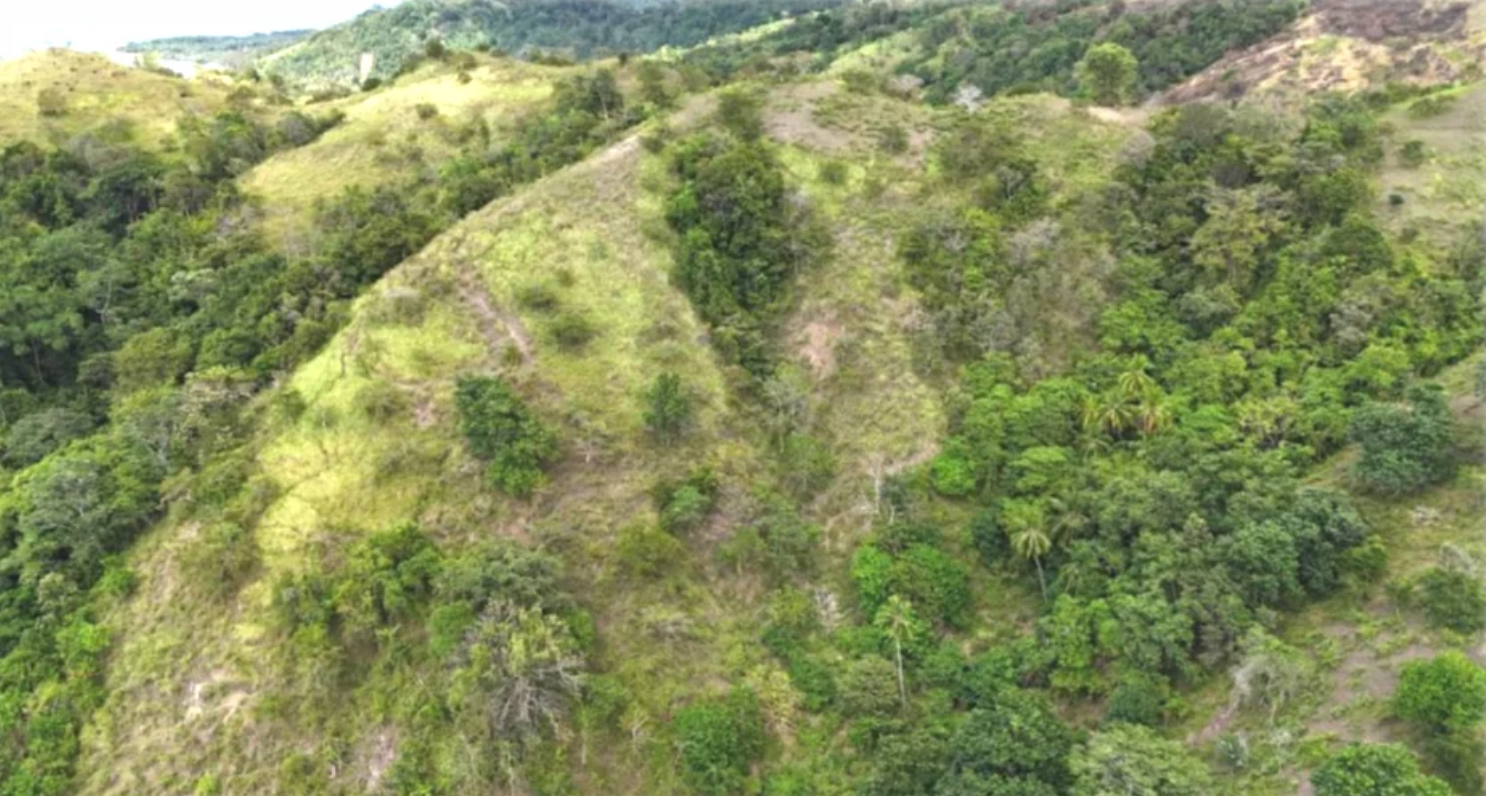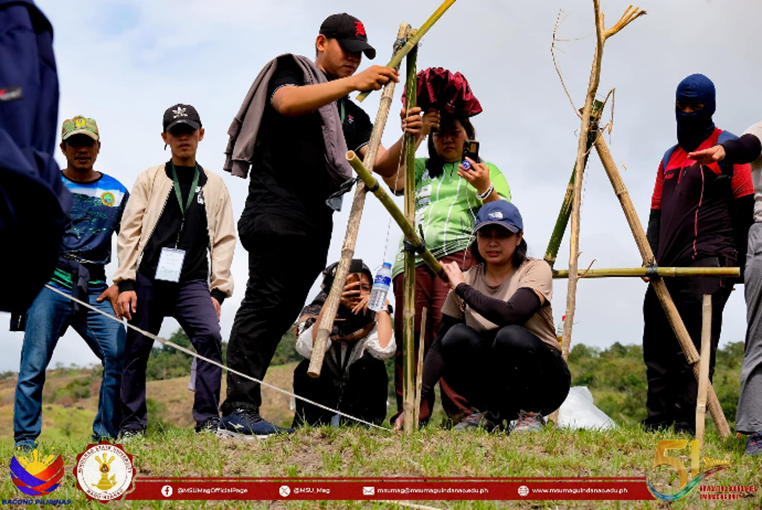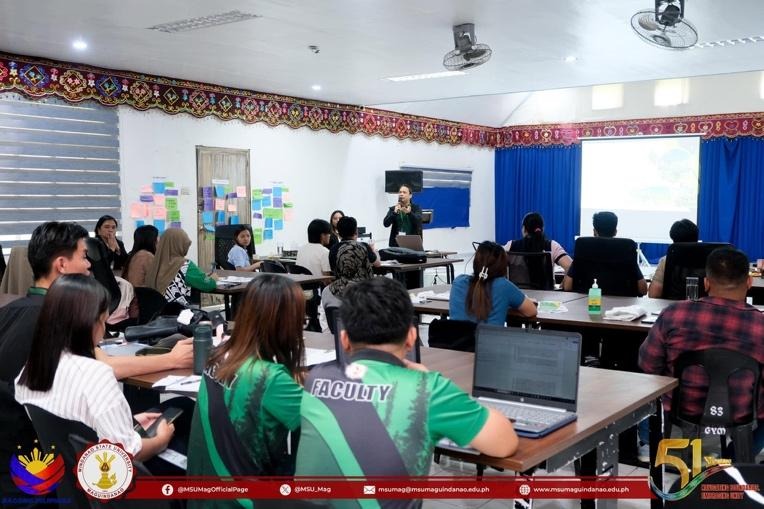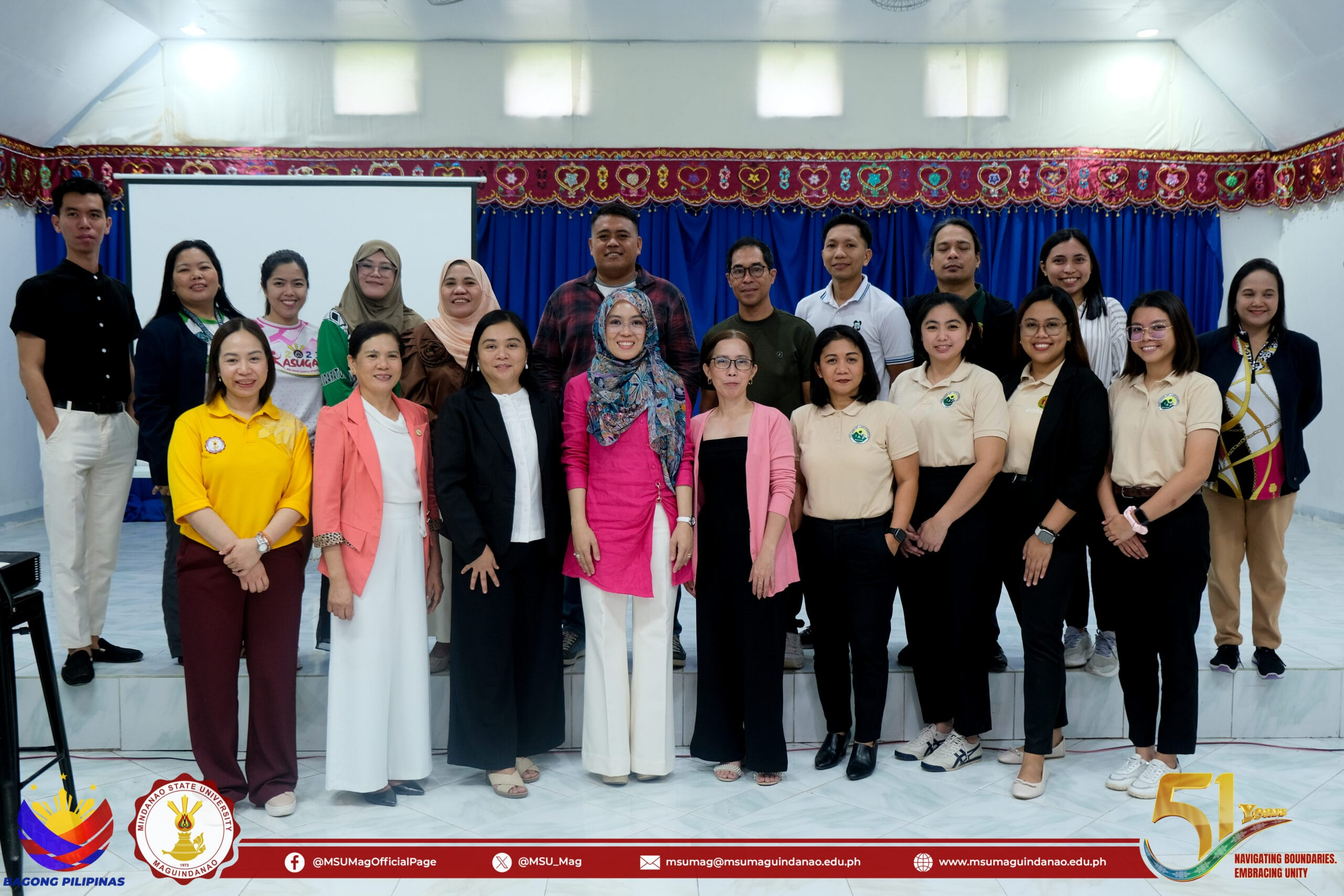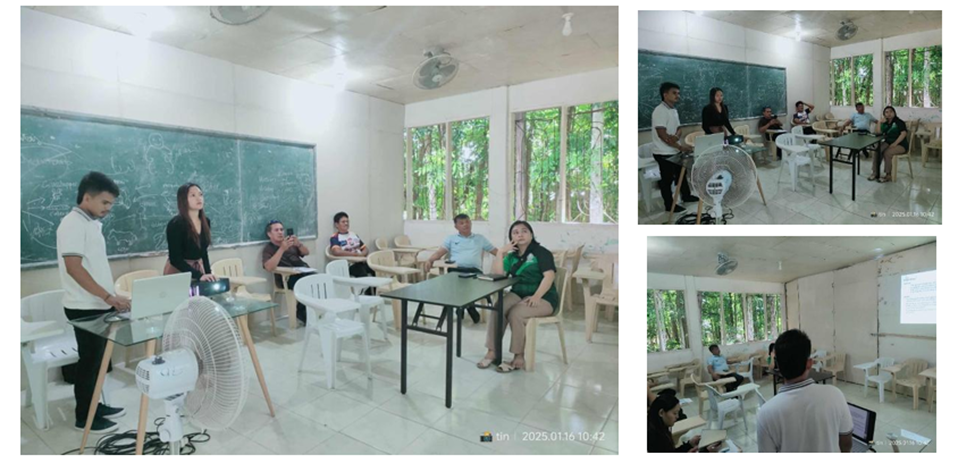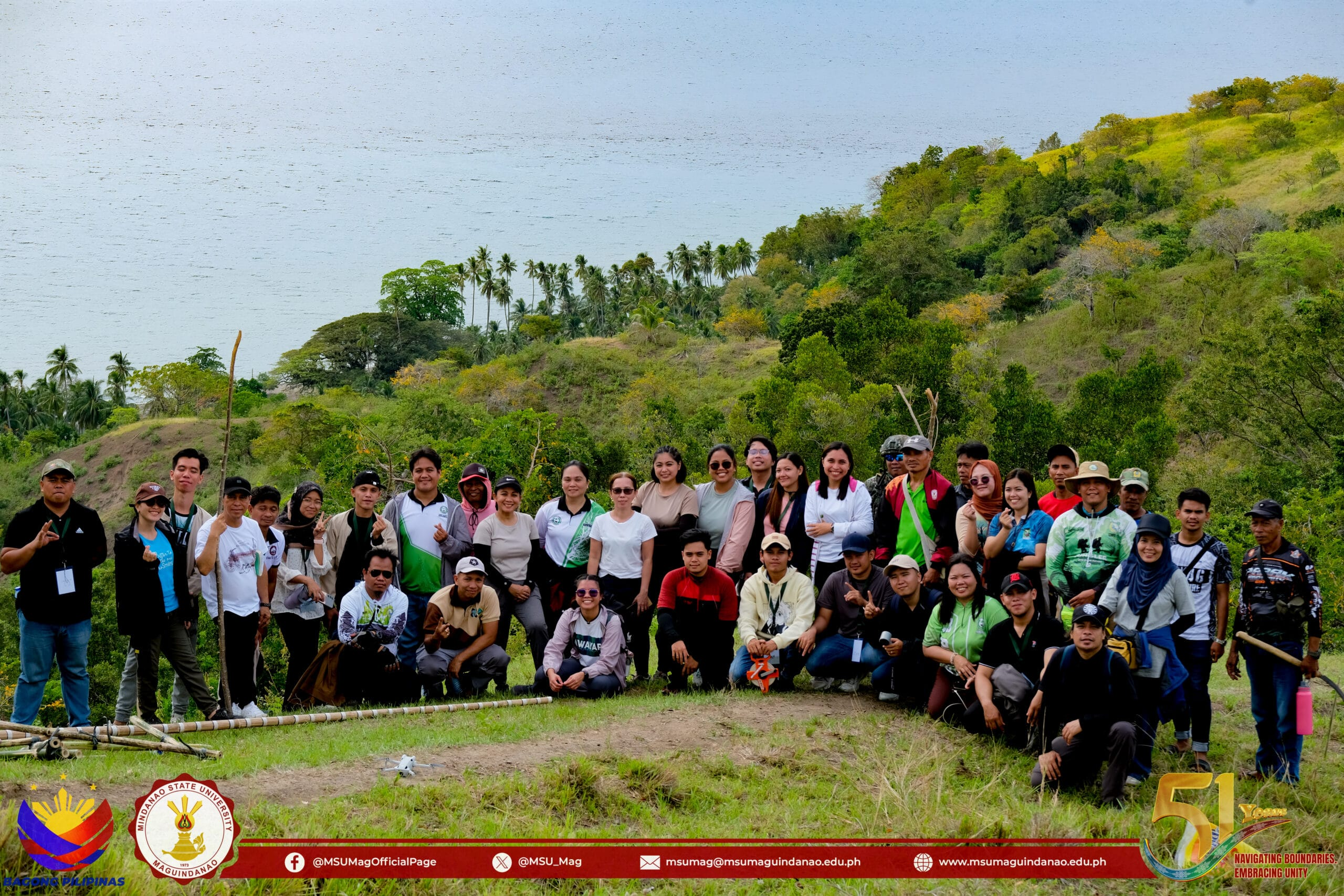
The College of Forestry and Environmental Studies (CFES) of Mindanao State University–Maguindanao is implementing the project "Enhancing Climate Resilience through Native Tree and Fruit Tree-Based Agroforestry Technology: A Science and Technology-Based Initiative for Emergencies and Hazards in Datu Blah Sinsuat, Maguindanao." Funded with ₱5 million (approximately US$87,111) by the Department of Science and Technology–Philippine Council for Agriculture, Aquatic and Natural Resources Research and Development (DOST-PCAARRD), in partnership with the University of the Philippines Los Baños–Institute of Agroforestry (UPLB-IAF), the project aims to rehabilitate 10 hectares of degraded upland areas and produce 50,000 seedlings, consisting of 20,000 native trees and 30,000 fruit trees. These interventions aim to restore vegetation cover, improve soil and water conservation, reduce erosion, and strengthen the project site's ecological resilience in Barangay Nalkan, Datu Blah Sinsuat, Maguindanao del Norte.
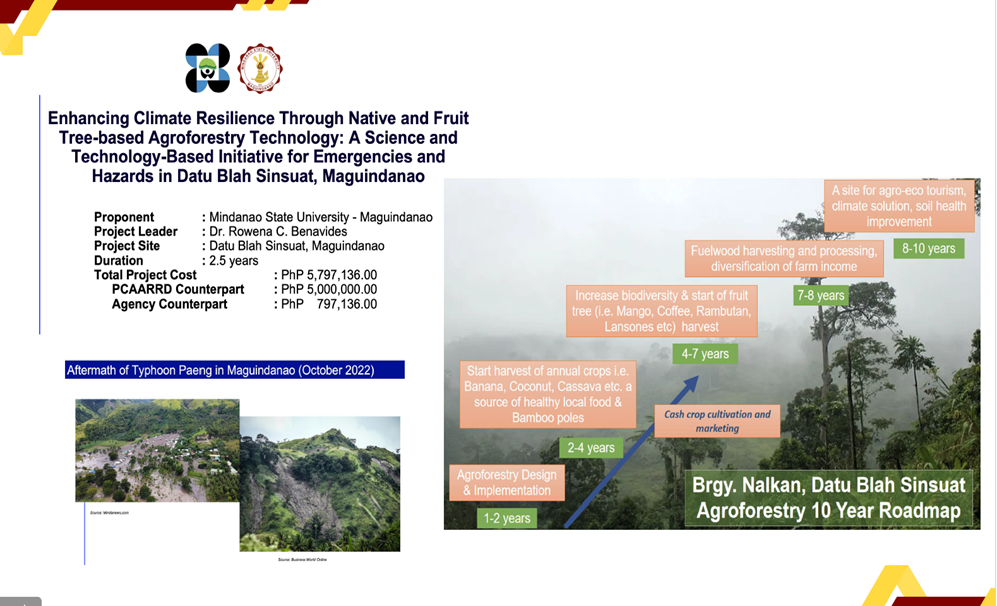
The Project Site - Barangay Nalkan, Datu Blah SInsuat, Maguindanao del Norte Agroforestry 10-Year Road Map
Through the project, 2 nurseries for propagating and maintaining native and fruit tree seedlings have been established and developed, which have already produced 52,000 seedlings, exceeding the initial target of 50,000 by 2,000 seedlings. These comprise 22,000 native tree seedlings and 30,000 fruit tree seedlings, providing sufficient planting materials for the planned agroforestry establishment and rehabilitation of the target area.
As part of its long-term vision, the project aims to transform the rehabilitated landscape into an agro-ecotourism site within 8 to 10 years. Through sustained agroforestry development, restoration of native vegetation, and the cultivation of fruit-bearing trees, the site is envisioned to serve as a destination for nature-based tourism, environmental education, and community learning on sustainable land management. This long-term initiative also seeks to demonstrate how science-based agroforestry can support biodiversity conservation, climate resilience, and sustainable livelihood opportunities for local communities while laying the foundation for responsible tourism development.