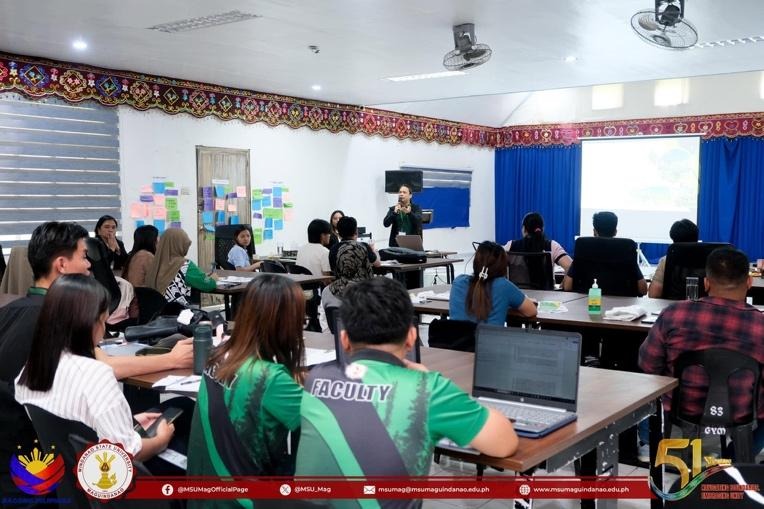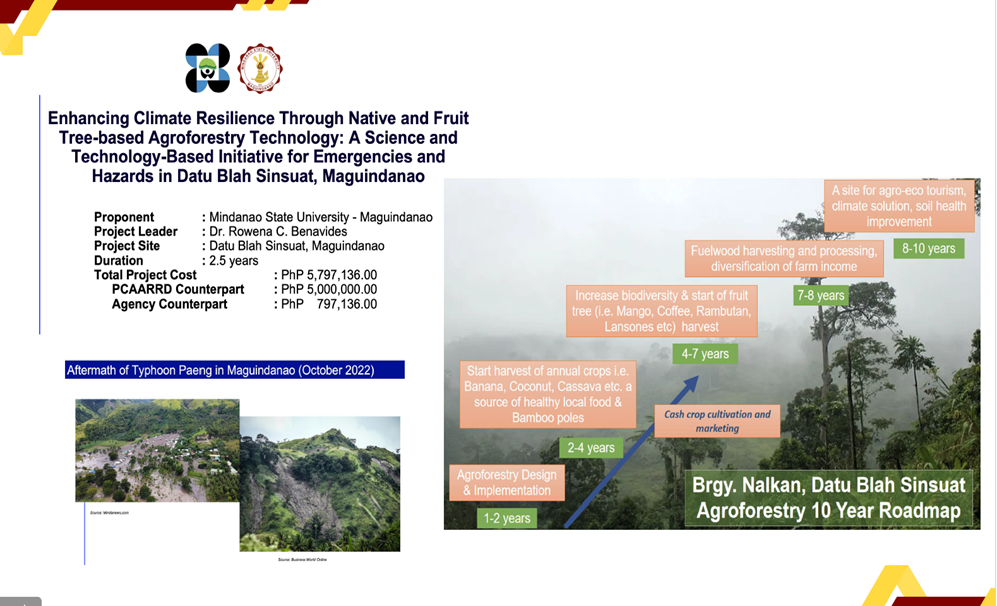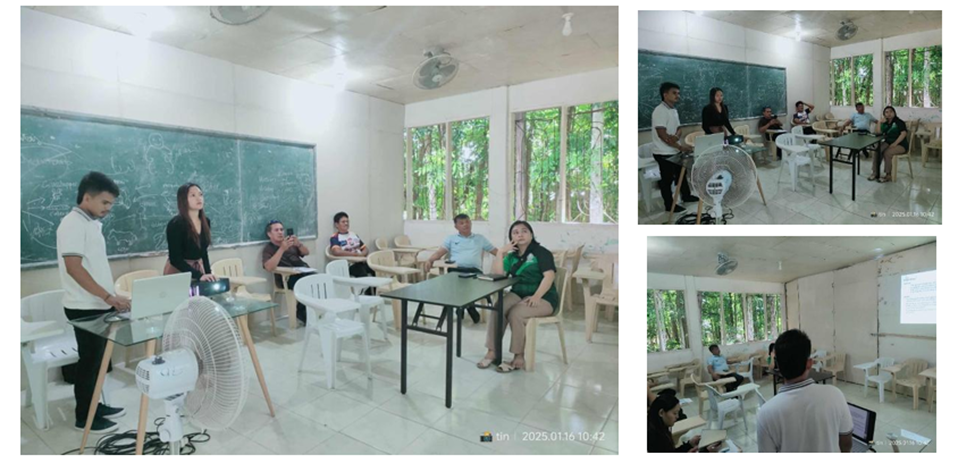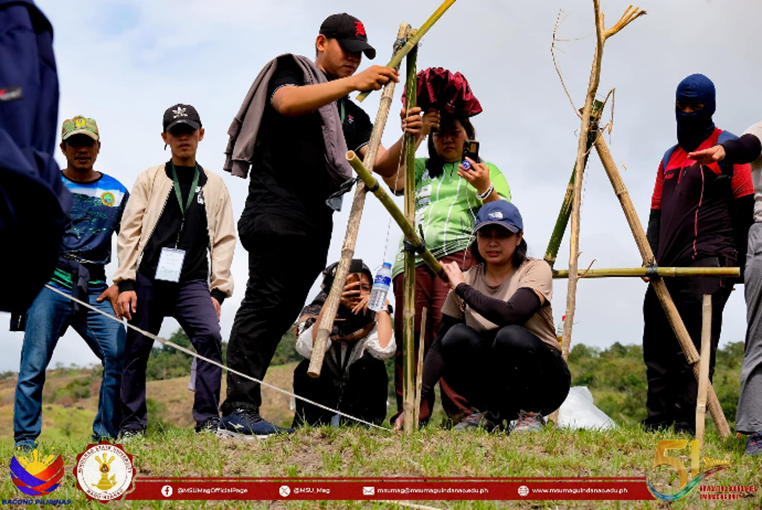
The Mindanao State University–Maguindanao (MSU–Maguindanao), through its College of Forestry and Environmental Studies, launched a ₱5-million project aimed at strengthening climate resilience and promoting sustainable agriculture through native and fruit tree-based agroforestry technology.
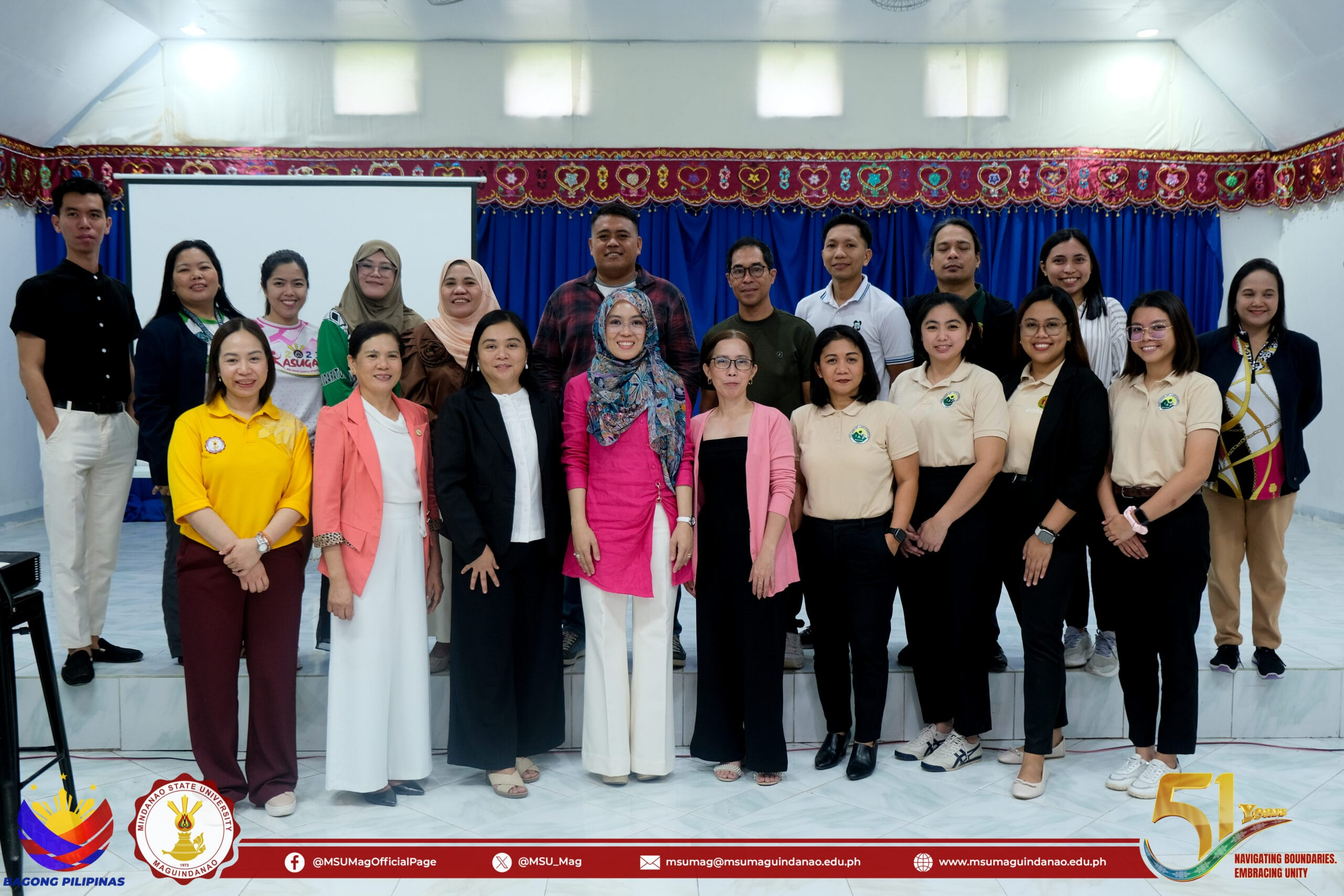
Funded by the Department of Science and Technology–Philippine Council for Agriculture, Aquatic and Natural Resources Research and Development (DOST-PCAARRD), the project, titled “Enhancing Climate Resilience Through Native and Fruit Tree-Based Agroforestry Technology: A Science and Technology-Based Initiative for Emergencies and Hazards in Datu Blah Sinsuat, Maguindanao,” seeks to help communities respond to climate-related hazards while supporting sustainable livelihoods.
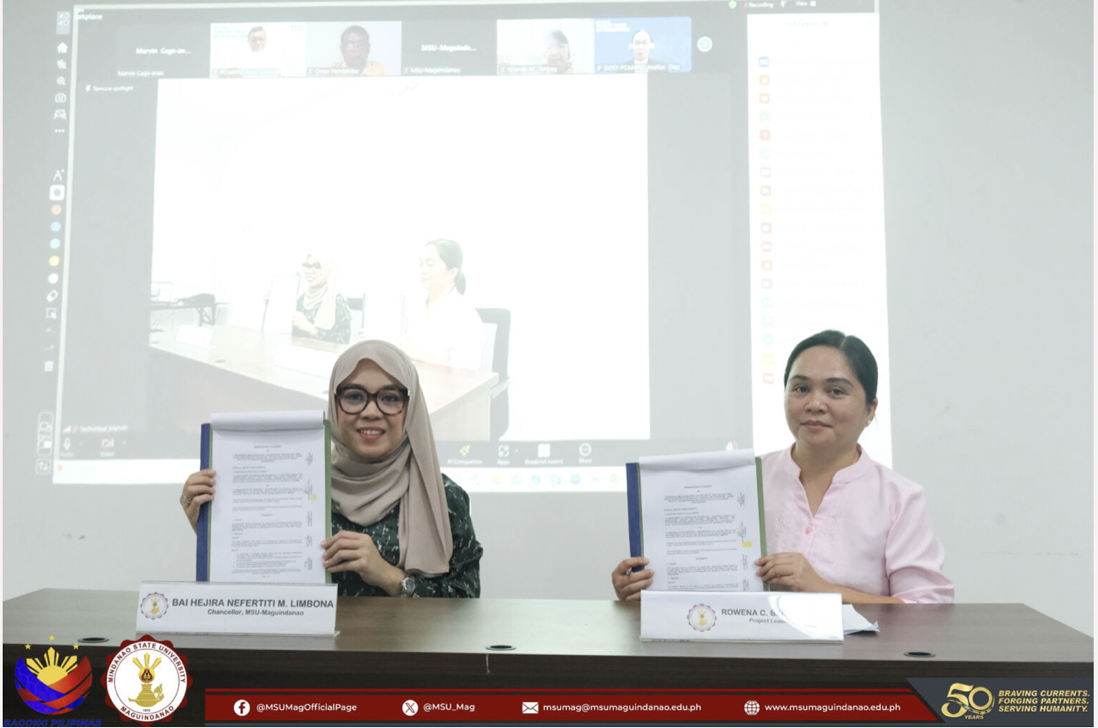
MSU–Maguindanao Chancellor Bai Hejira Nefertiti M. Limbona expressed support for the initiative, highlighting its potential to provide local communities with science-based technologies that contribute to climate change mitigation and strengthen socioeconomic activities. The project also emphasizes community participation in planning and implementation to encourage local ownership and ensure the sustainability of its outcomes.
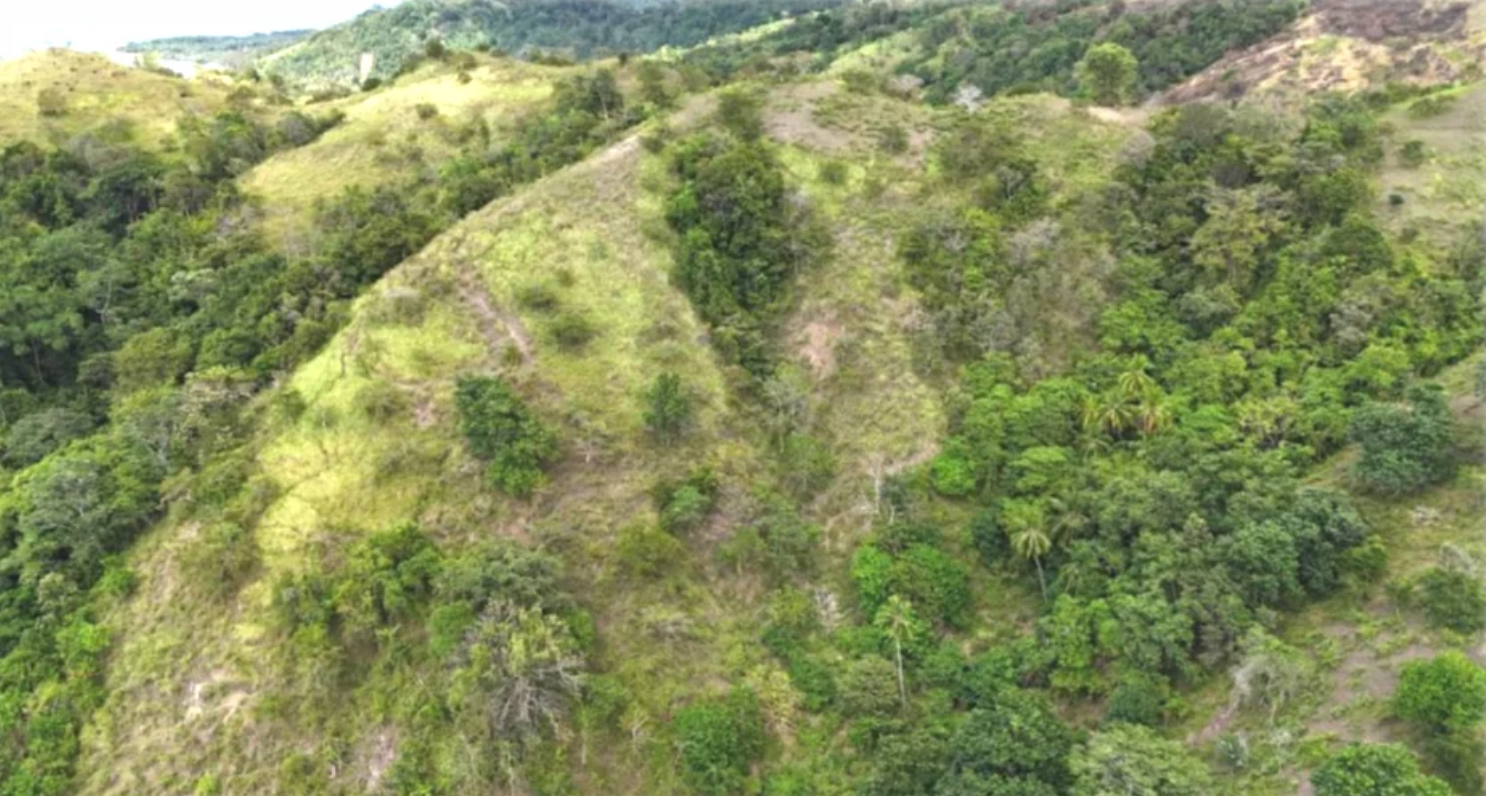
Through technical training and the promotion of agroforestry practices, the initiative aims to strengthen the capacities of local practitioners and upland communities. Integrating native and fruit-bearing trees into agricultural systems can help protect soil, support biodiversity, improve land management, and provide additional livelihood opportunities for farming households.
These efforts contribute to the broader objectives of Sustainable Development Goal 11 (SDG 11): Sustainable Cities and Communities, particularly strengthening resilience to climate-related disasters and reducing the environmental impact of communities. By promoting nature-based solutions and improving local preparedness, the project can help communities become better equipped to manage environmental risks while sustaining their natural resources.
The primary beneficiaries include upland communities, local farmers, and agroforestry practitioners in Datu Blah Sinsuat. In the long term, the project is expected to support more sustainable farming systems, strengthen local livelihoods, and encourage responsible stewardship of the environment, helping build communities that are more resilient to climate change and environmental hazards.
Through this science-based initiative, MSU–Maguindanao continues to advance research and community engagement that translate scientific knowledge into practical solutions for sustainable development in BARMM.