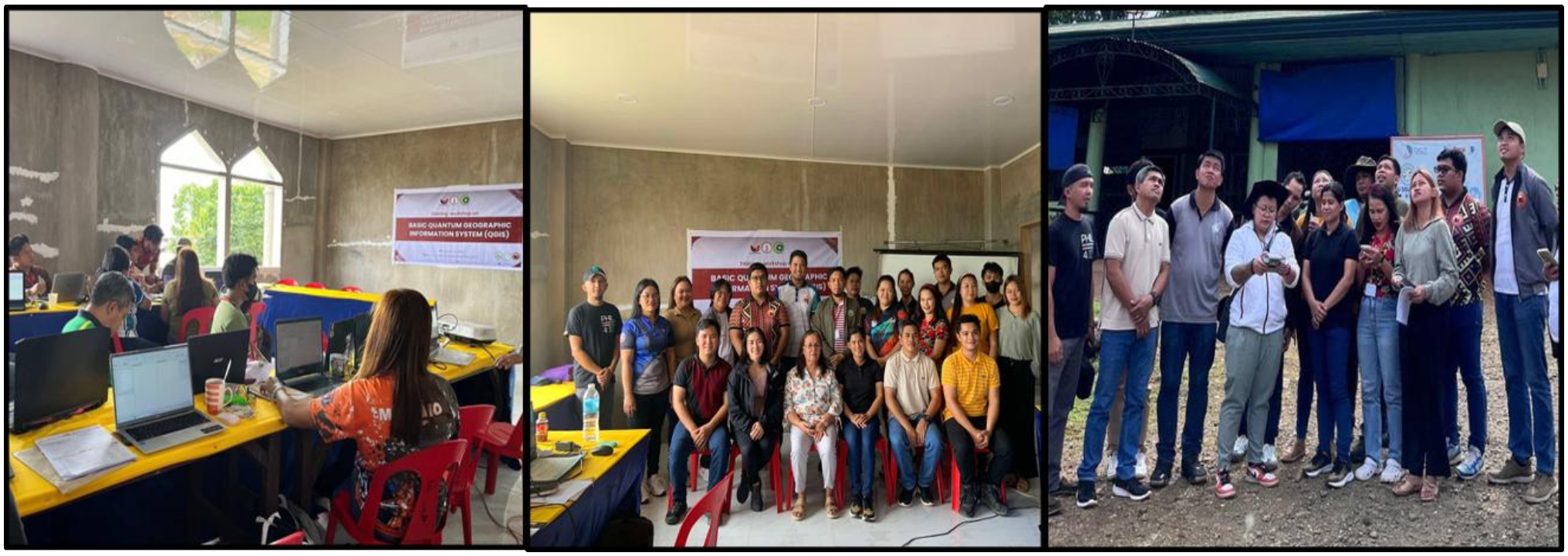
In response to growing threats to land and forest ecosystems, MSU-Maguindanao conducts and supports agroforestry capacity-building, environmental forums, stakeholder consultations, and tree-planting activities to strengthen land and forest conservation.
Capacity-Building Activity
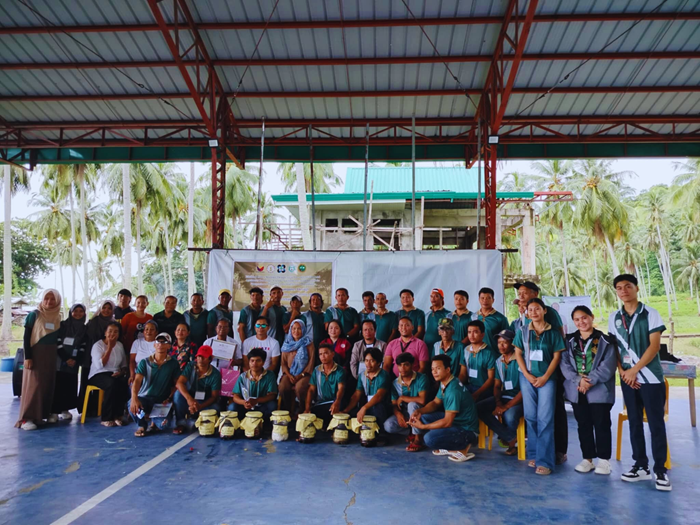
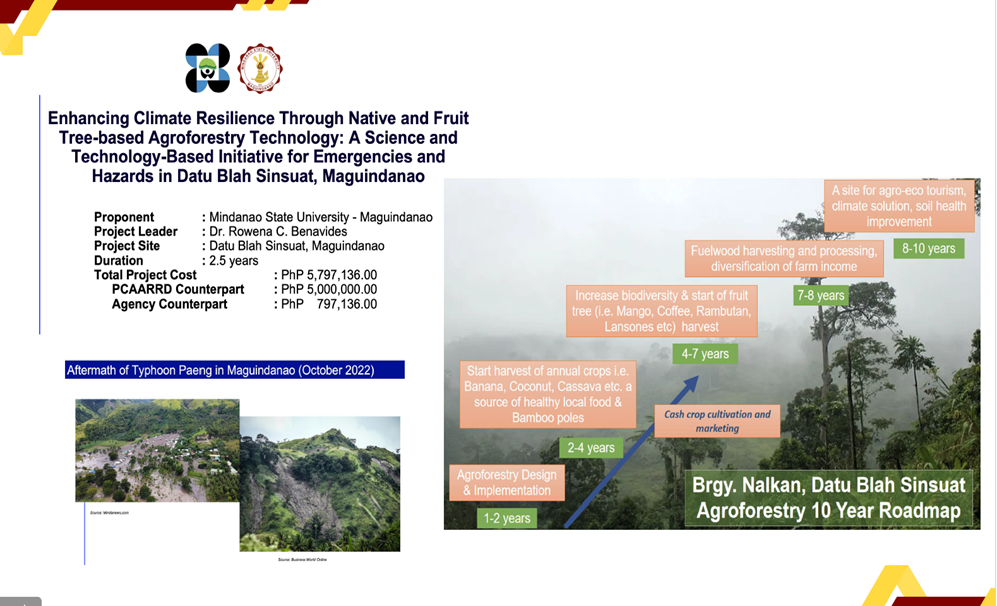
On February 25–27, 2025, the College of Forestry and Environmental Studies conducted a three-day Training of Trainers on Agroforestry Establishment and Development: Leveraging ALCAMS for Effective Land Assessment held at the University and Barangay Nalkan, Datu Blah Sinsuat, Maguindanao del Norte. The training was conducted as part of the project "Enhancing Climate Resilience through Native Tree and Fruit Tree-Based Agroforestry Technology: A Science and Technology-Based Initiative for Emergencies and Hazards in Datu Blah Sinsuat, Maguindanao," funded by the Department of Science and Technology–Philippine Council for Agriculture, Aquatic and Natural Resources Research and Development (DOST-PCAARRD). The training gathered 40 participants from MSU-Maguindanao, MSU-Marawi, MSU-Buug, MSU-LNAC, DOST-PCAARRD, and partner institutions, with technical experts from UPLB-IAF serving as resource persons. Participants learned about agroforestry systems, ecosystem services, soil and water conservation, and methods for assessing soil erosion.
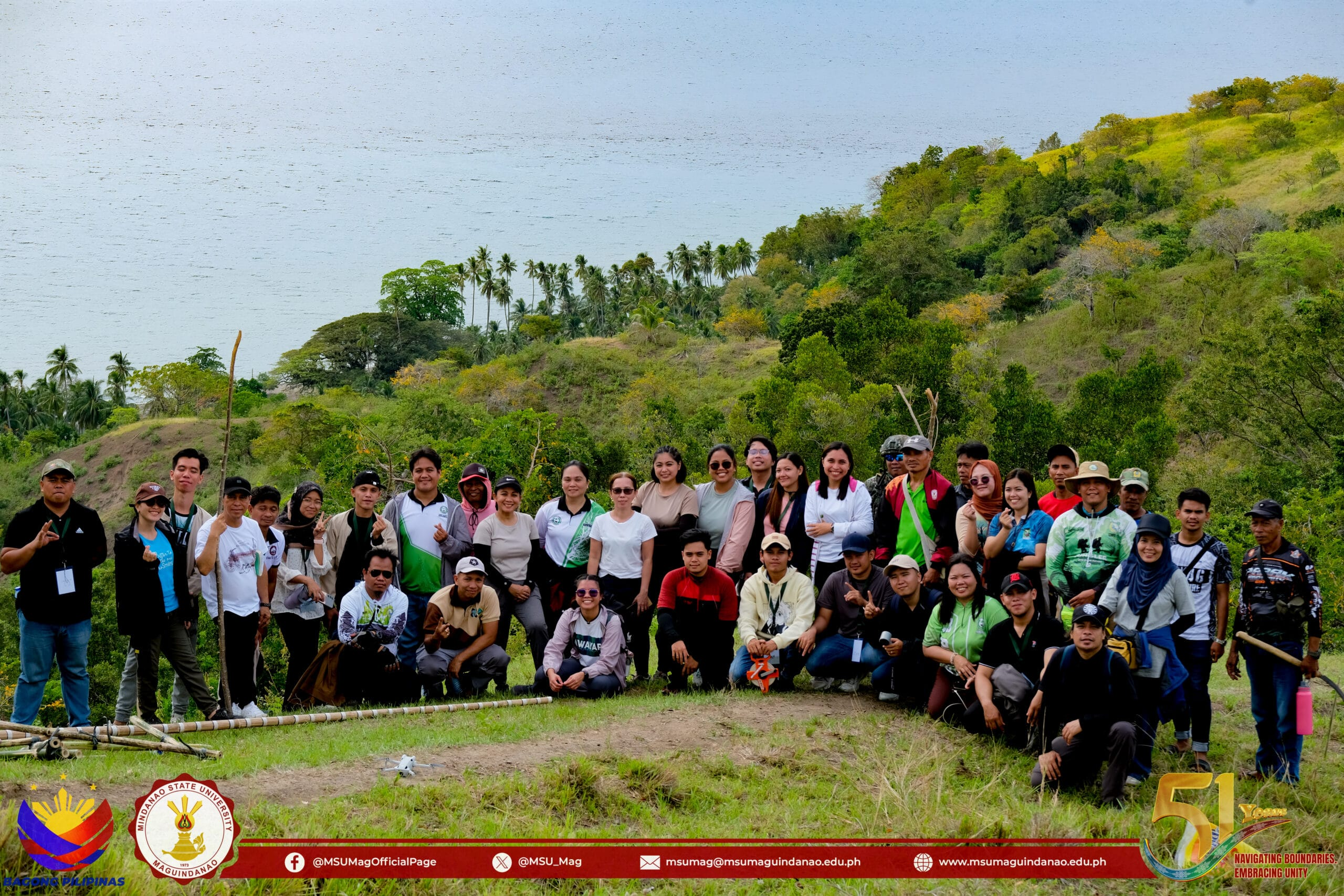
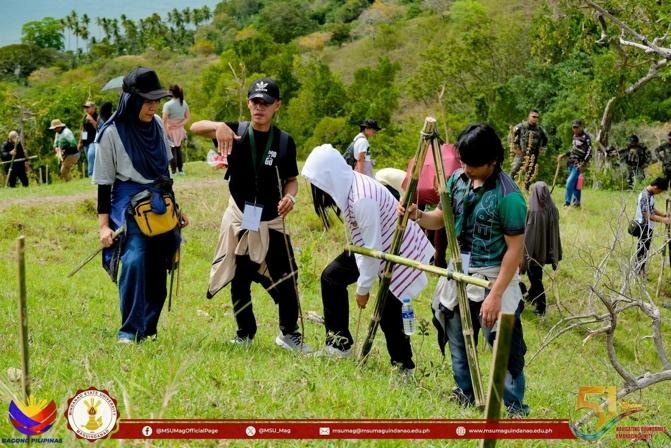
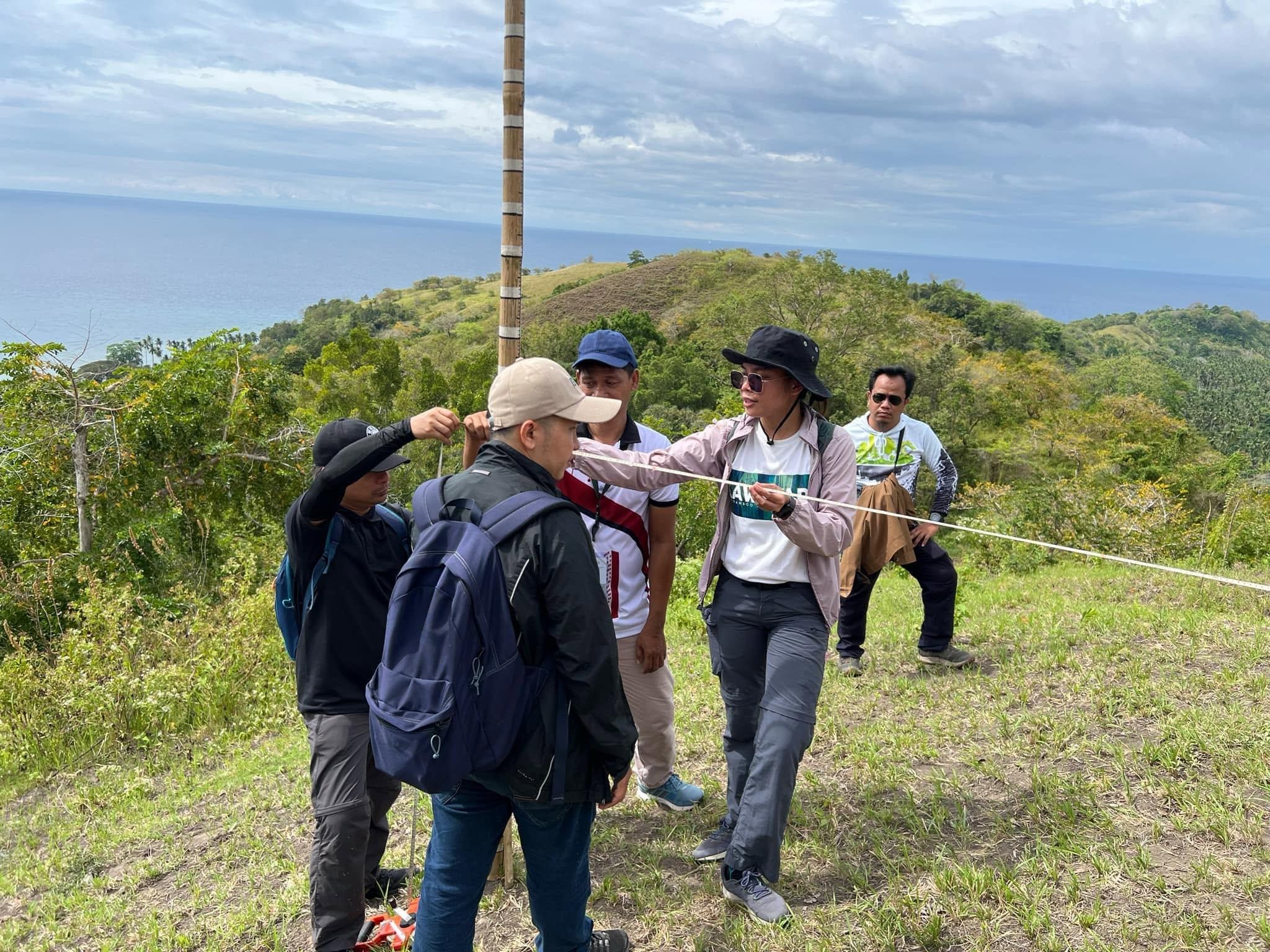
The training also included field exercises at the project site in Barangay Nalkan, where 35 participants applied the Agroforestry Land Capability Assessment and Mapping Scheme (ALCAMS). Through hands-on activities, they learned to assess land use, measure slopes, test soil fertility, map contour lines using an A-frame, and classify land suitability for agroforestry. They also developed re-entry plans to guide the application of these skills in their respective project sites and communities.
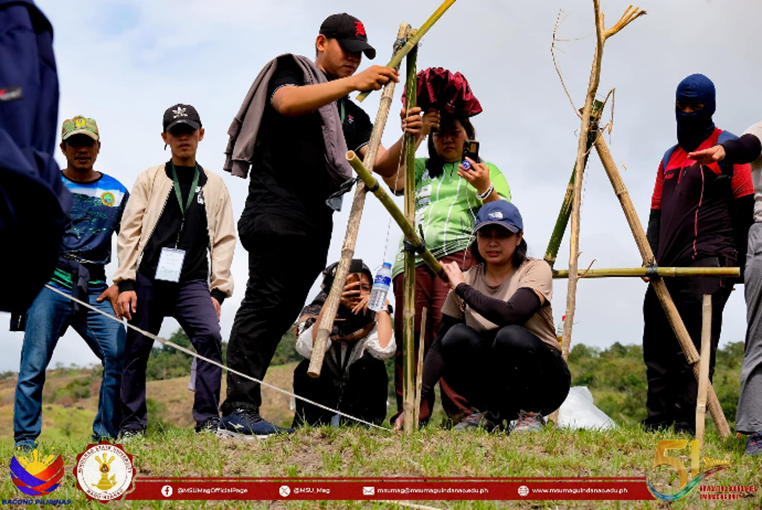
Participants engage in hands-on field exercises on land assessment using the Agroforestry Land Capability Assessment and Mapping Scheme (ALCAMS) at the project site in Nalkan, Datu Blah Sinsuat, Maguindanao del Norte on the 2nd day of the Training of Trainers on Agroforestry Establishment and Development: Leveraging ALCAMS for Effective Land Assessment held on February 25–27, 2025.
Environmental Forum
Beyond its community-based agroforestry initiatives, MSU-Maguindanao also exercised institutional leadership in regional environmental conservation efforts through the 1st Mindanao Forum on Waters and Natural Resources, held on November 26–28, 2025, in General Santos City. Through its leadership in the Mindanao Sulu Palawan–Innovative Research and Development Consortium (MinSuPala-IRDC), the University supported the organization of the three-day forum, which gathered more than 200 representatives from academic institutions, government agencies, research organizations, and development partners. The forum featured scientific presentations and thematic discussions on watershed resilience, biodiversity conservation, sustainable resource utilization, and environmental governance.
During the forum, MSU-Maguindanao researchers presented three studies on the Sifaran Watershed in Maguindanao. These presentations provided scientific evidence on the watershed’s biodiversity, vegetation, physical characteristics, and ecological resilience, contributing to discussions on watershed protection and sustainable resource management.
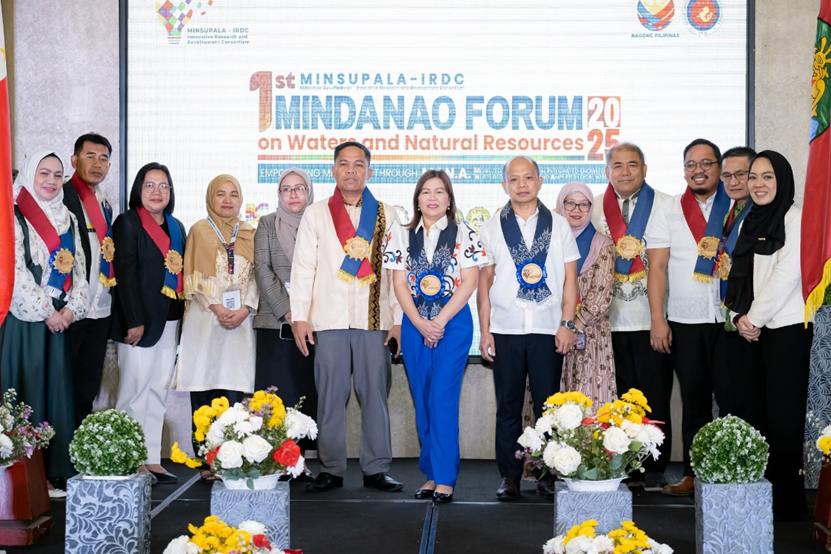
MSU-Maguindanao Chancellor Dr. Bai Hejira Nefertiti M. Limbona joins Region XII DBM Director Usman and the Presidents and Chancellors of member universities of the MinSuPala-IRDC during the 1st Mindanao Forum on Waters and Natural Resources, held on November 26–28, 2025, in General Santos City.
Tree Planting Activities
On November 28, 2025, as part of the 1st Mindanao Forum on Waters and Natural Resources organized in General Santos City, MSU-Maguindanao supported and actively participated in the Mangrove Growing Activity at the Baluan Mangrove Sanctuary in Barangay Baluan. The activity gathered 80 participants who planted 107 mangrove seedlings, demonstrating a shared commitment to mangrove conservation, coastal resilience, and sustainable environmental management.
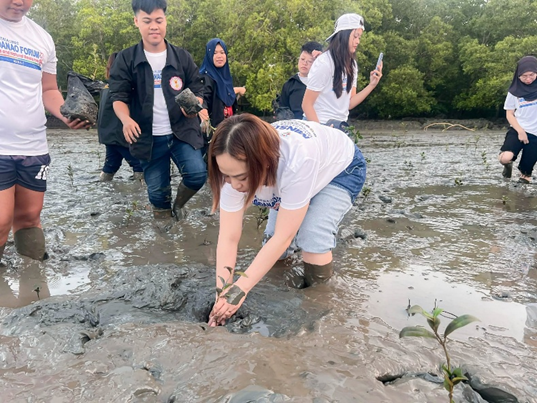
Dr. Raquel Santiago-Arenas, MSU-Maguindanao Vice Chancellor, along with other participants plants mangroves in Bualan Mangrove Sanctuary in General Santos on November 28, 2025.
In partnership with the Office of the Presidential Adviser on Peace, Reconciliation and Unity (OPAPRU), the University organized an Environmental Awareness and Agroforestry Establishment Activity on June 9, 2025, in Camp Omar, Datu Hoffer, Maguindanao del Sur.
The activity, conducted under the MILF Camps Transformation Plan and the Normalization Track of the Comprehensive Agreement on the Bangsamoro, brought together partner farmers from four community organizations, members of the Aljasuws OFW Agri-Business Association, Limpongo Women's Organization, Talibadok Kauyagan Marketing Cooperative, and Mujahidin a Nagapas Agri-Producer Cooperative, along with 49 MSU-Maguindanao student leaders.
A total of 500 fruit tree seedlings, consisting of 250 Marang and 250 Rambutan, were planted in the identified sites. The activity also included an orientation on climate resilience, agroforestry systems, and environmental responsibility, highlighting how integrating trees into agricultural landscapes can improve farm productivity, strengthen food security, and support climate change adaptation.
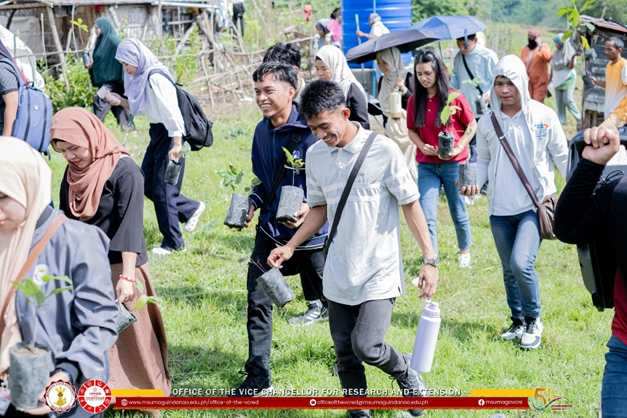
Students from MSU-Maguindanao and other participants of the Tree Planting Activity at Camp Omar, Datu Hoffer Ampatuan, Maguindanao del Sur
Through sustained agroforestry development, environmental education, and collaborative natural resource management, the University remains committed to supporting ecosystem restoration, protecting biodiversity, and promoting climate-resilient and sustainable landscapes across the Bangsamoro region and beyond.