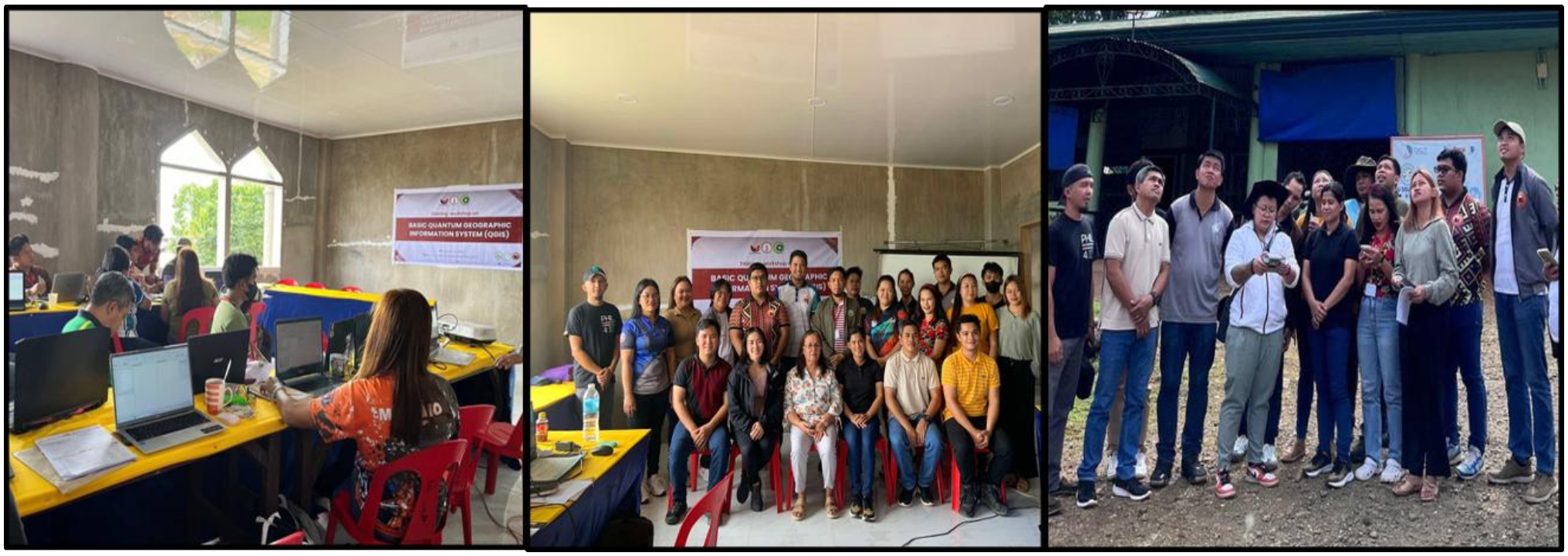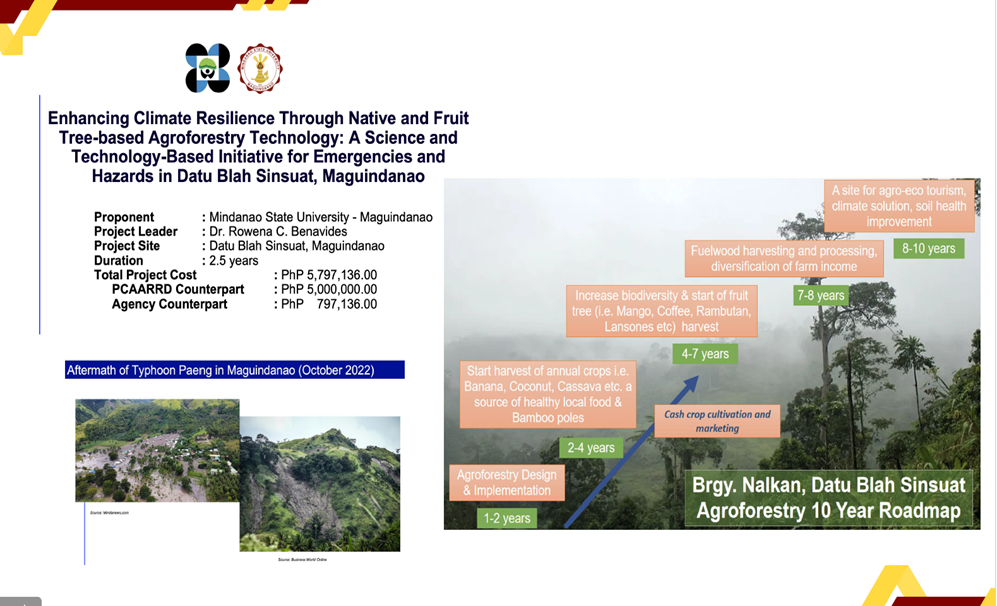
Mindanao State University-Maguindanao, in partnership with the University of the Philippines Los Baños-Institute of Agroforestry (UPLB-IAF), conducted a three-day Training of Trainers on Agroforestry Establishment and Development Using the Agroforestry Land Capability Assessment and Mapping Scheme (ALCAMS).
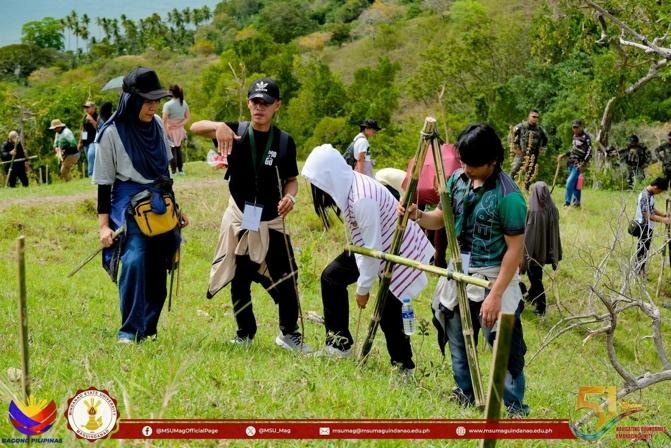
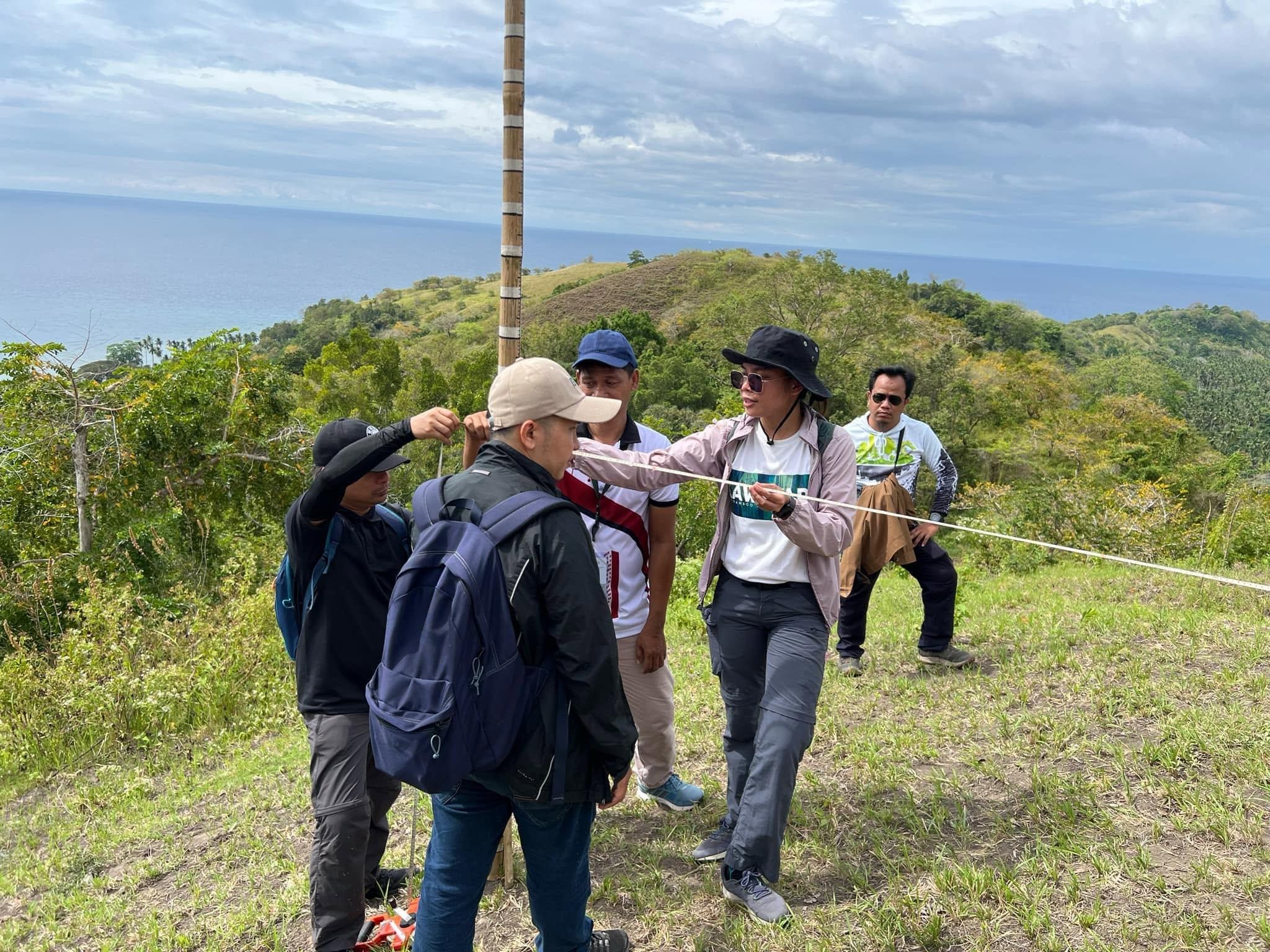
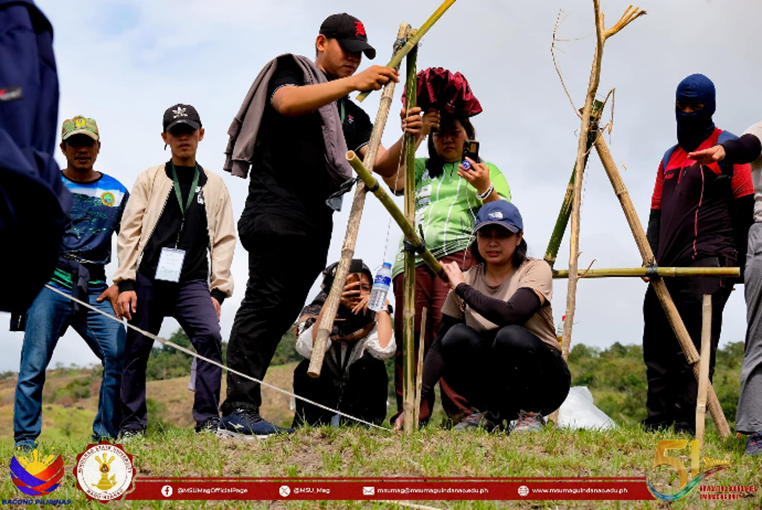
Participants conducting a hands-on slope assessment using an A-frame in the upland field site, linking land capability evaluation with sustainable agroforestry planning.
Funded by the Department of Science and Technology-Philippine Council for Agriculture, Aquatic and Natural Resources Research and Development (DOST-PCAARRD), the training is part of the project “Enhancing Climate Resilience through Native Tree and Fruit Tree-Based Agroforestry Technology: A Science and Technology-Based Initiative for Emergencies and Hazards in Datu Blah Sinsuat, Maguindanao.”
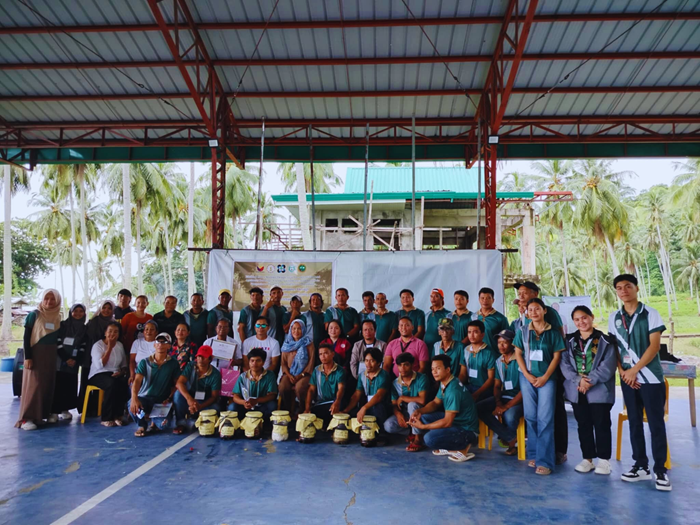
Held at the MSU-Maguindanao Training Center and the project site in Brgy. Nalkan, Datu Blah Sinsuat, the training combined classroom discussions with field-based exercises. Participants learned agroforestry establishment, soil and water conservation, slope measurement, vegetation assessment, and soil analysis, then prepared land assessment maps and site-specific agroforestry plans.
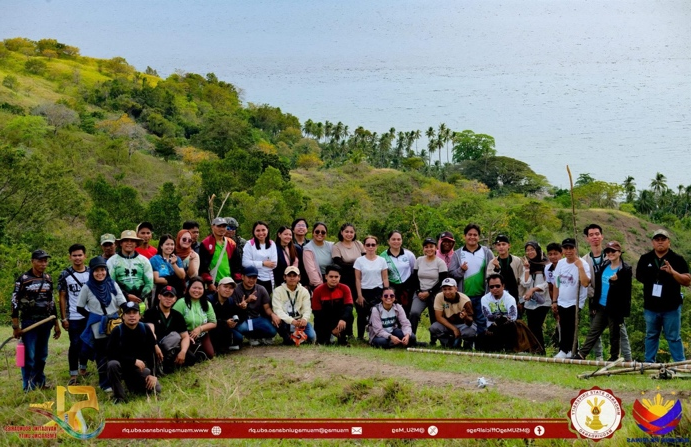
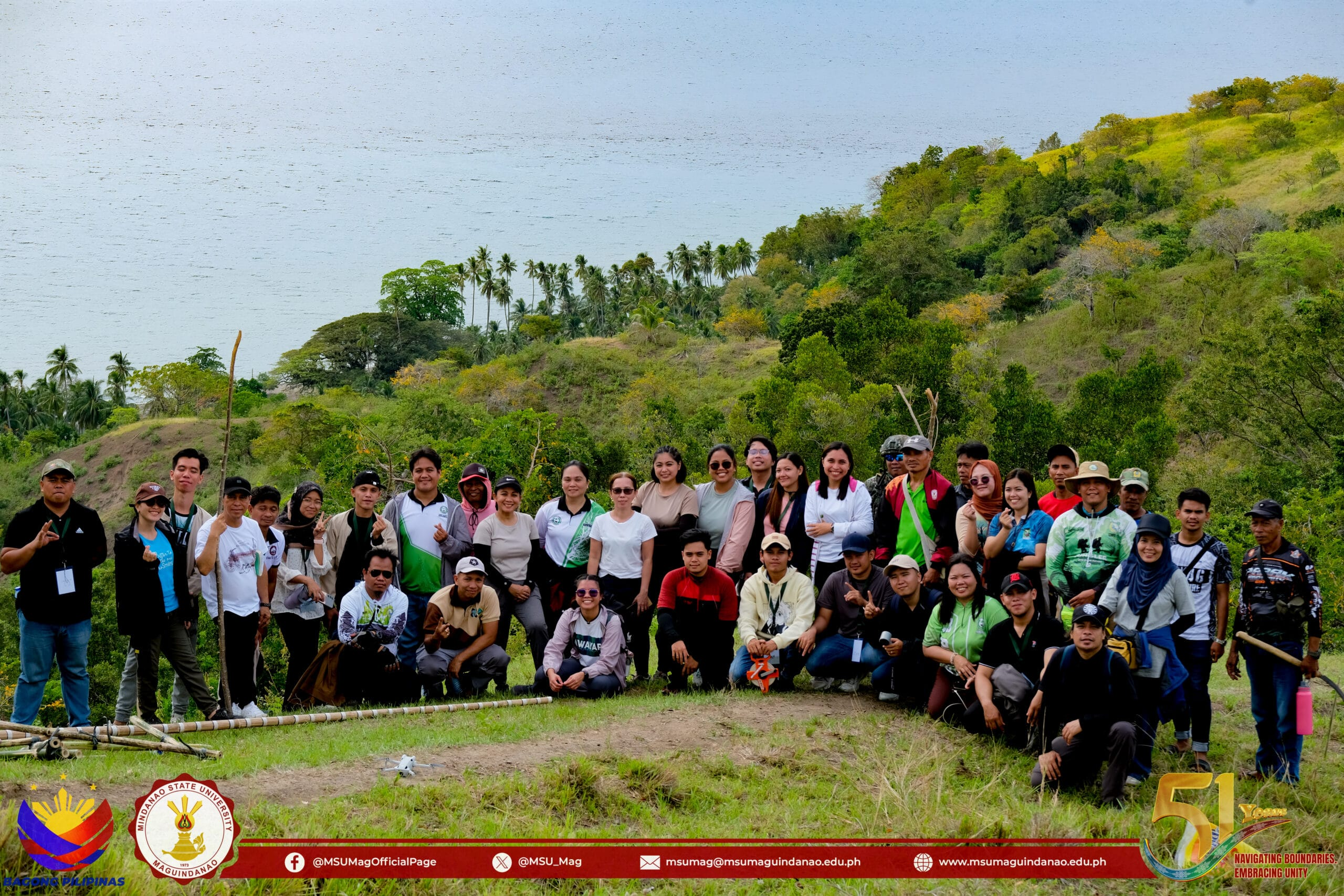
Participants and facilitators at the upland field site during the ALCAMS trainers’ training, documenting the interdisciplinary and field-based character of the activity.
Developed by UPLB-IAF, ALCAMS evaluates slope, vegetation, and soil fertility to determine land suitability for agroforestry and guide appropriate conservation measures.
Participants included selected students and faculty representatives from the College of Agriculture and the College of Engineering and Computing Studies of MSU-Maguindanao, who gained interdisciplinary exposure to agroforestry planning. Forestry faculty from MSU-Buug, MSU-Marawi, and MSU-Lanao del Norte Agricultural College, as well as a representative from the Ministry of Environment, Natural Resources and Energy (MENRE), also took part.
The training-of-trainers approach extends technical knowledge through instruction, research, extension, and community engagement. It also supports the project’s broader goals of rehabilitating about 10 hectares of land, establishing two community nurseries, improving soil conditions, reducing erosion, and strengthening livelihood opportunities for upland communities.
The ultimate beneficiaries are the farmers, landowners, and residents of Barangay Nalkan and Datu Blah Sinsuat. The training built the technical foundation for the interventions that follow, including promoting agroforestry technologies and training farmers and landowners. Community members therefore gain more than seedlings or planting activities: they benefit from agroforestry systems designed around site-specific data on slope, vegetation, soil fertility, species suitability, and conservation requirements.
The activity supports Sustainable Development Goal (SDG) 13, which calls for urgent action to combat climate change and its impacts. By equipping university and government trainers with practical, science-based tools for land-use planning, it improves education and institutional capacity on climate change adaptation, strengthening community resilience to hazards such as erosion and land degradation.
Through this partnership, MSU-Maguindanao applies science and technology to strengthen local capacity for sustainable land management in the Bangsamoro Autonomous Region in Muslim Mindanao (BARMM).