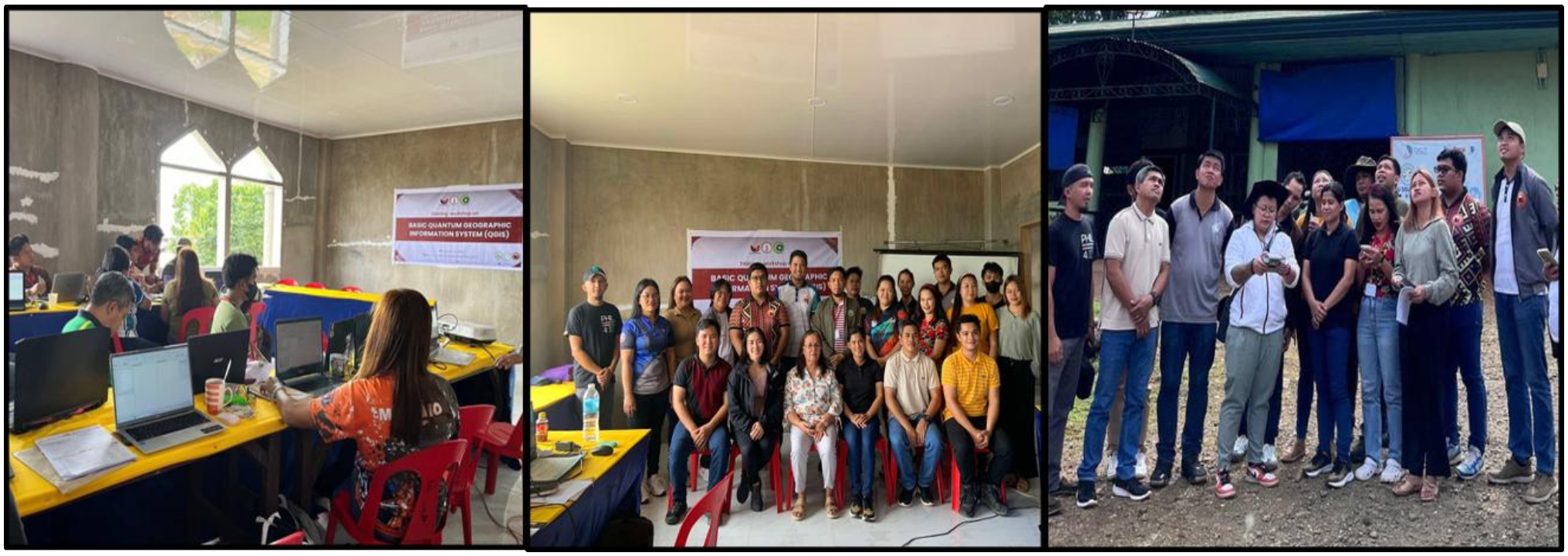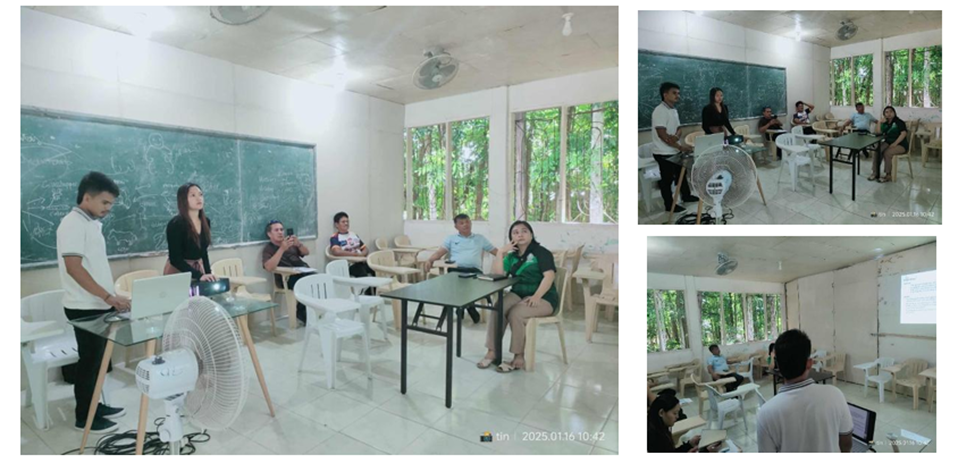
Through its research, extension, and capacity-building initiatives, Mindanao State University–Maguindanao provides communities, farmers, and other stakeholders with scientific knowledge, practical skills, and technologies for sustainable agricultural land management. These efforts included community-based agroforestry training and research dissemination activities that promoted sustainable farming, improved land productivity, and strengthened natural resource conservation.
Capacity-Building and Community Outreach Programmes
Trainers’ Training on Agroforestry Establishment and Development Leveraging the Agroforestry Land Capability Assessment and Mapping Scheme (ALCAMS) for Effective Land Assessment was conducted by the College of Forestry and Environmental Studies on February 25–27, 2025. This training is part of the project “Enhancing Climate Resilience through Native and Fruit Tree-Based Agroforestry Technology: A Science and Technology-Based Initiative for Emergencies and Hazards in Datu Blah Sinsuat, Maguindanao”, implemented in partnership with the University of the Philippines Los Baños–Institute of Agroforestry (UPLB–IAF) and funded by the Department of Science and Technology–Philippine Council for Agriculture, Aquatic and Natural Resources Research and Development (DOST–PCAARRD). The aimed to equip participants with the knowledge and technical skills needed to assess land capability and develop appropriate agroforestry systems.
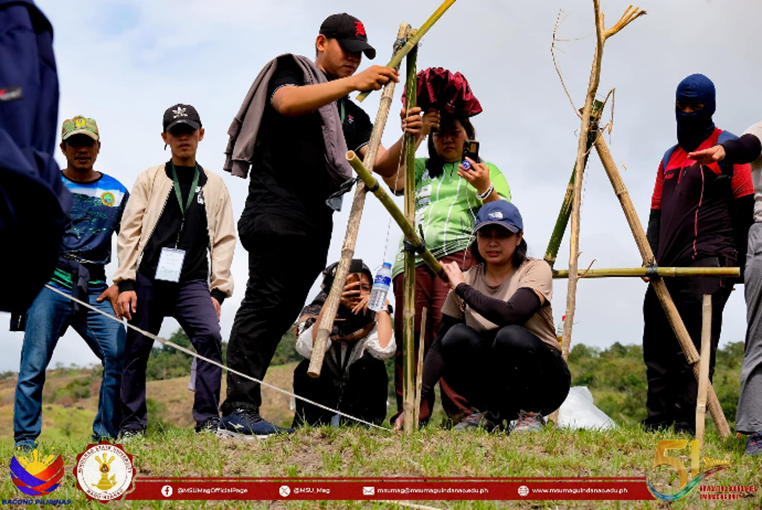
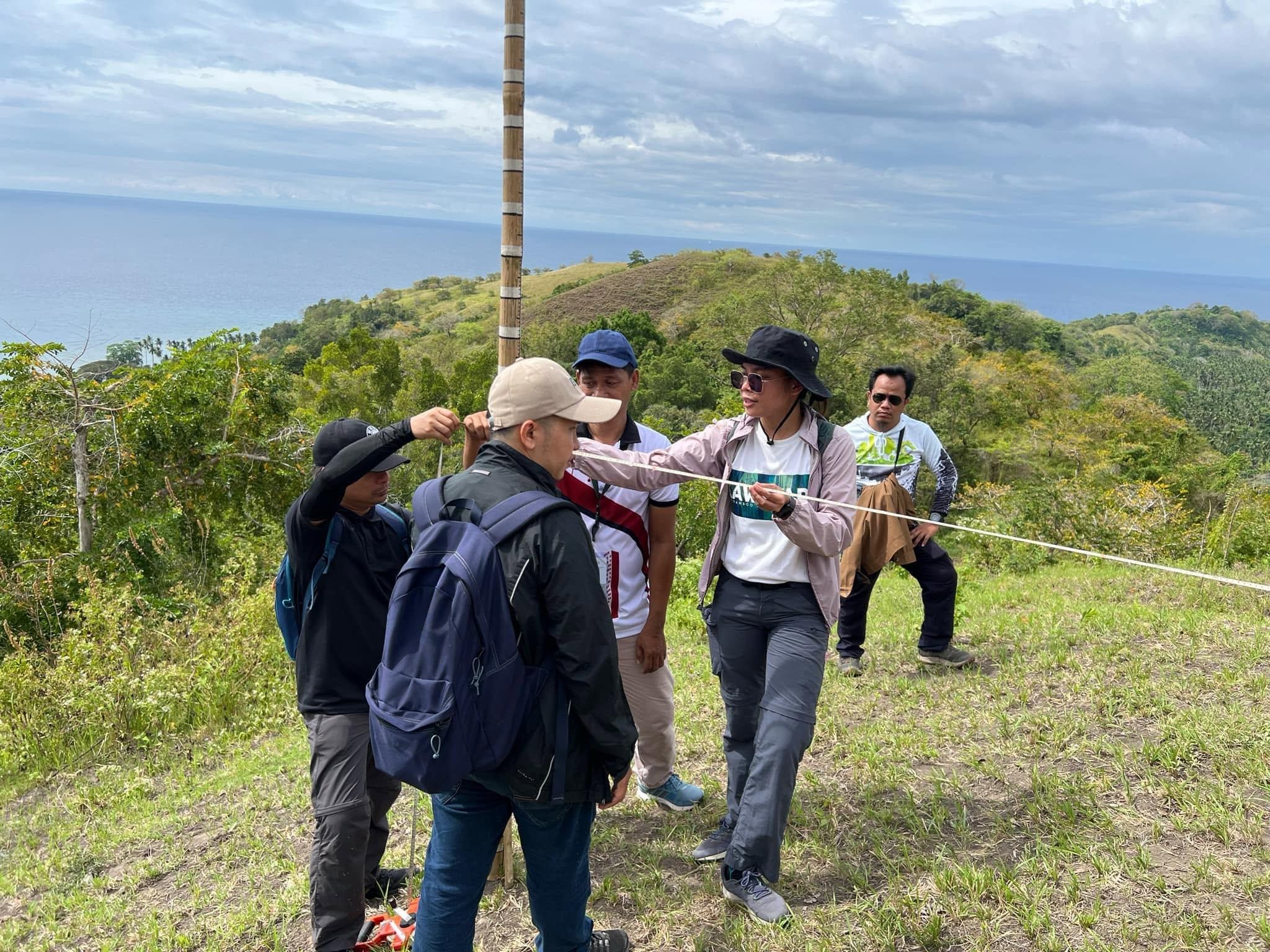
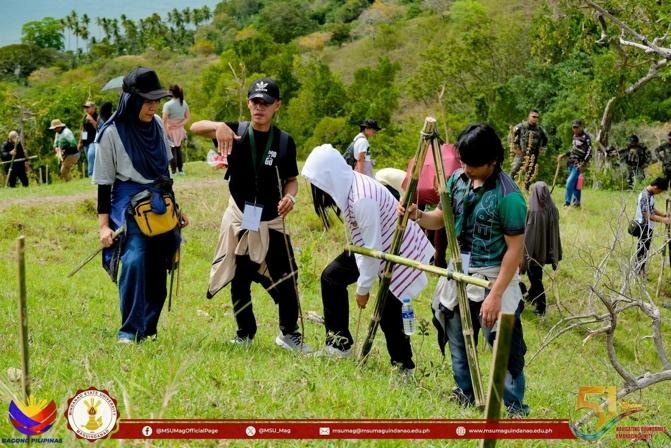
Through learning sessions, participants explored agroforestry concepts, principles, and system types in the Philippine context. They also learned soil and water conservation techniques and approaches for assessing soil erosion. These lessons were reinforced through field exercises in Barangay Nalkan, Datu Blah Sinsuat, Maguindanao del Norte, where participants examined existing land-use patterns, measured land slopes, assessed soil fertility using portable soil test kits, and constructed A-frames to identify contour lines. They subsequently applied the Agroforestry Land Capability Assessment and Mapping Scheme to classify land according to its capabilities and use site assessment data in preparing agroforestry farm development plans. The training concluded with group presentations of re-entry plans, allowing participants to identify how they could apply and share their acquired knowledge in their respective institutions and communities.
Participants included forestry faculty members from MSU-Buug, MSU-Marawi, and MSU-Lanao del Norte Agricultural College, representatives from the Ministry of Environment, Natural Resources and Energy, University faculty members and CFES students. As future trainers and practitioners, they also gained practical competencies that they can share with farmers and local communities to support climate-resilient and sustainable agricultural land management.
The University’s community outreach efforts were further extended through the Seminar-Workshop on Cooperative Management, Agroforestry, and Nursery Development held on June 16 – 17, 2025, in Datu Blah Sinsuat, Maguindanao del Norte. The University, through its College of Agriculture and College of Forestry and Environmental Studies, conducted the Seminar-Workshop on Empowering Communities Through Cooperative Management, Agroforestry, and Nursery Development on June 16–17, 2025, in Datu Blah Sinsuat, Maguindanao del Norte. The activity was also part of the DOST-PCAARRD-funded project on climate-resilient agroforestry, which promotes sustainable land-use practices to address soil degradation, declining farm productivity, and climate-related risks.
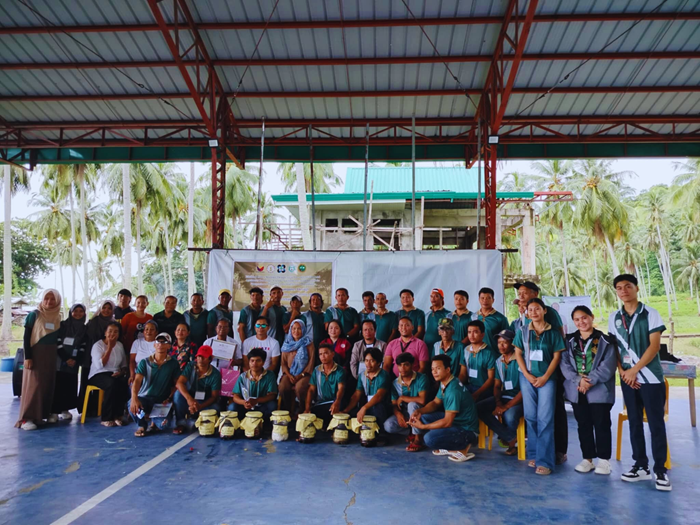
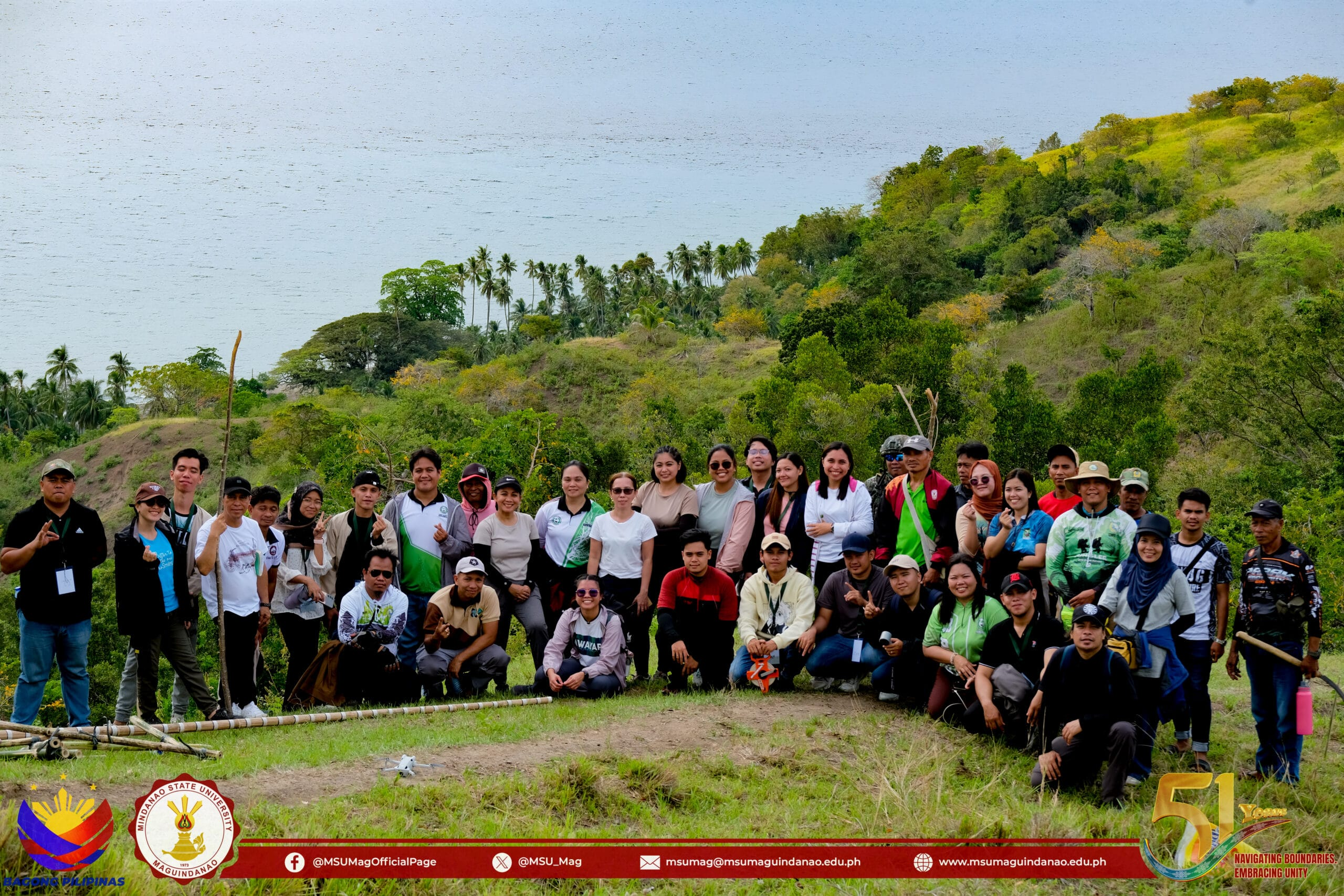
Participants of the Seminar-Workshop on Empowering Communities Through Cooperative Management, Agroforestry, and Nursery Development on June 16–17, 2025, in Datu Blah Sinsuat, Maguindanao del Norte.
The training aimed to equip participants with practical skills in agroforestry using native and fruit-bearing trees, cooperative management, nursery establishment, and organic fertilizer production. Sessions covered values transformation, cooperative development, agroforestry practices and ecosystem services, nursery management, and sustainable farming inputs. Faculty members, government practitioners, and private-sector experts facilitated the discussions. The seminar-workshop also included group workshops and the preparation of re-entry plans for applying the lessons to cooperative development, community nurseries, and agroforestry initiatives.
This activity provided the University a platform to extend its agricultural and forestry expertise to strengthen community capacity for sustainable farming, climate-resilient livelihoods, and responsible natural resource management.
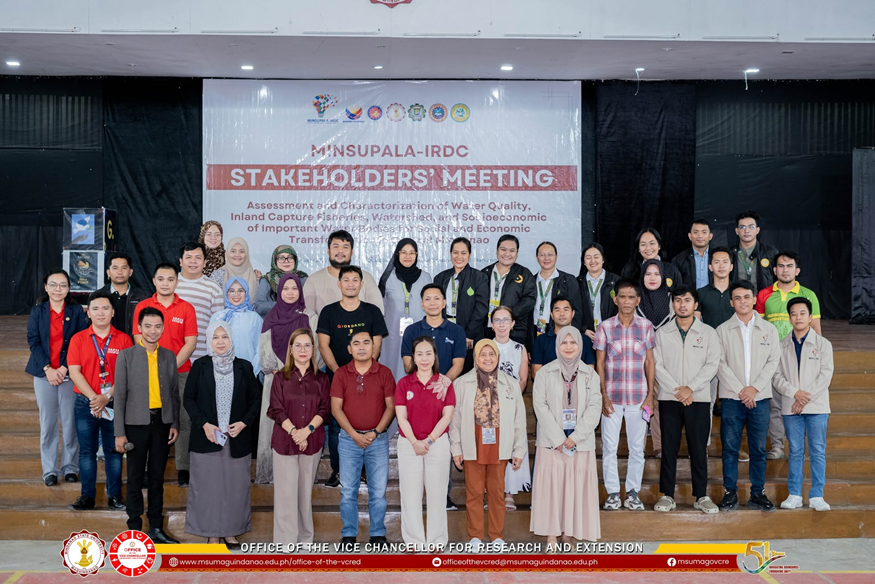
Researchers and stakeholders during the MinSuPala IRDC Stakeholders' Consultation held at MSU-Maguindanao on February 27, 2025
On February 27, 2025, Mindanao State University–Maguindanao hosted the Mindanao-Sulu-Palawan Innovative Research and Development Consortium Stakeholders’ Consultation. It aimed to facilitate scientific knowledge dissemination and develop policy recommendations for the conservation and sustainable management of these important ecosystems. Researchers from 4 state universities and colleges, including MSU–Maguindanao, presented their assessments of Ligawasan Marsh, Lake Buluan, the Rio Grande de Mindanao, and Lake Lanao. Their presentations covered water quality, fisheries, watershed conditions, and socioeconomic factors affecting these ecosystems.
The consultation, participated in by representatives from the Ministry of Agriculture, Fisheries and Agrarian Reform, Bangsamoro Planning and Development Authority, DOST-PCAARRD, Provincial Environment, Natural Resources and Energy Office of Maguindanao, and participating LGUs from Datu Piang, Talitay, Northern Kabuntalan, Cotabato City, Mangudadatu, and Sultan Kudarat, provided a venue for stakeholders to examine the implications of the research findings for local environmental governance and resource management. To further extend the reach of research dissemination, printed copies of the MinSuPala-IRDC Report Series, containing the research results and policy recommendations, were turned over to stakeholders for their reference and use in local planning and decision-making.
Another significant knowledge dissemination initiative was the 1st Mindanao Forum on Waters and Natural Resources, held on November 26–28, 2025, in General Santos City. Organized through the Mindanao Sulu Palawan–Innovative Research and Development Consortium (MinSuPala-IRDC), the forum gathered 200 participants representing 20 state universities and colleges, five line agencies, and stakeholders from four regions and nine cities and provinces. The event featured plenary sessions, scientific oral and poster presentations, policy pitches, and a Machine and Product Innovation Hackathon, providing platforms for sharing research findings, discussing environmental challenges, and promoting scientific learning on water resources and ecosystem sustainability.
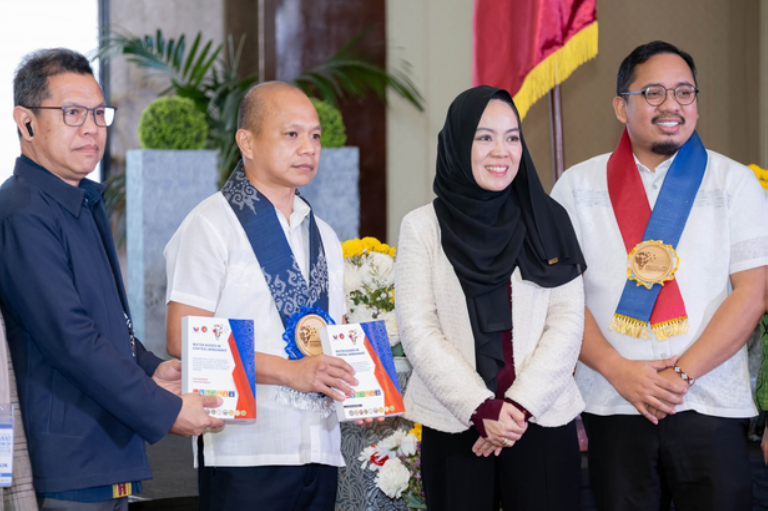
MSU-Maguindanao Chancellor Bai Hejira Nefertiti M. Limbona, together with Chancellor Shidik T. Abantas, leads the turnover of the Phase 1 Consolidated Report and published books to DBM Region XII Regional Director Akmad M. Usman and Regional Development Council Chairperson Emmylou Taliño-Mendoza, represented by Asst. Director Romel Patrick E. Tanghal.
A significant highlight was the ceremonial turnover of the Phase 1 Consolidated Reports and published books led by MSU–Maguindanao Chancellor Bai Hejira Nefertiti M. Limbona to Department of Budget and Management (DBM) Region XII Regional Director Akmad M. Usman and Regional Development Council Chairperson Emmylou Taliño-Mendoza, represented by Assistant Regional Director Romel Patrick E. Tanghal of the Department of Economy, Planning, and Development (DEPDev) Regional Office XII. The turnover made the consortium's research outputs available to government institutions, extending the reach of scientific knowledge to regional development stakeholders.
Through these complementary initiatives, MSU–Maguindanao demonstrates its commitment to extending educational opportunities and research-based knowledge beyond the University, helping local communities and stakeholders adopt informed and sustainable approaches to agricultural land use and natural resource management.