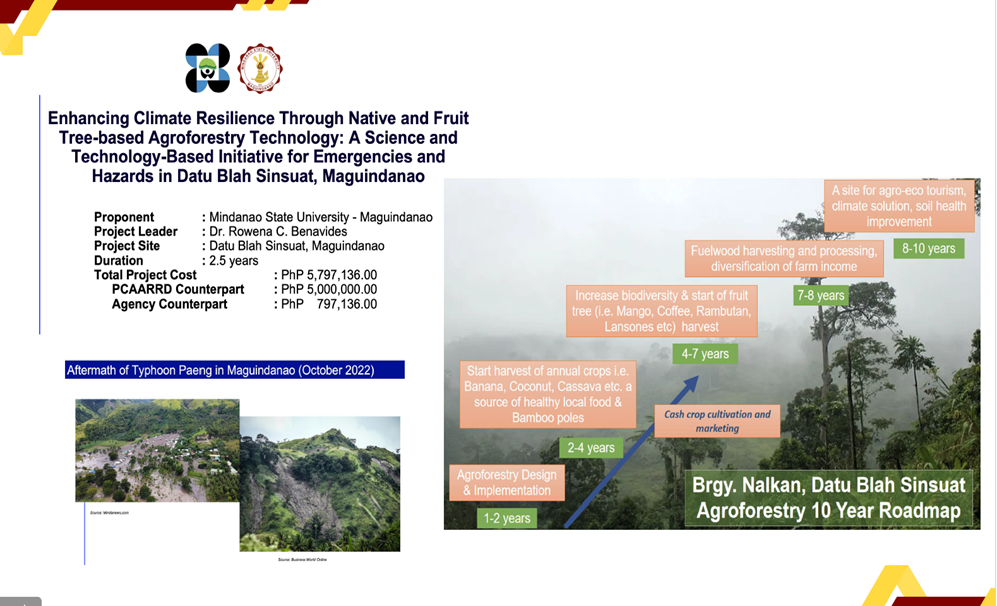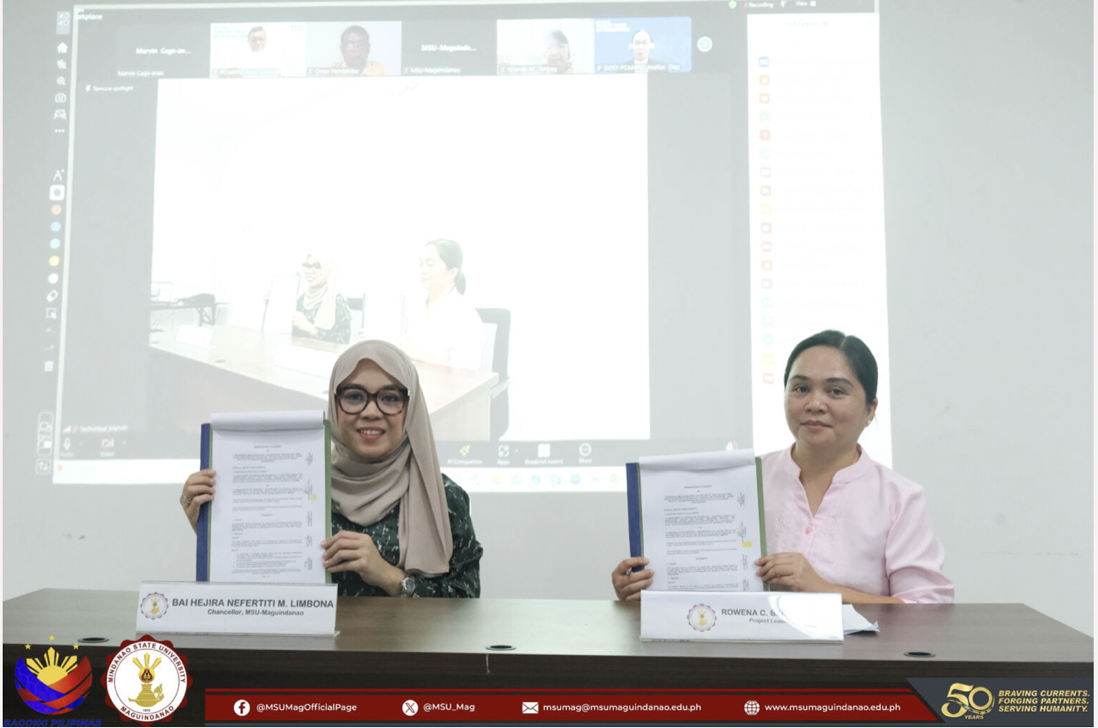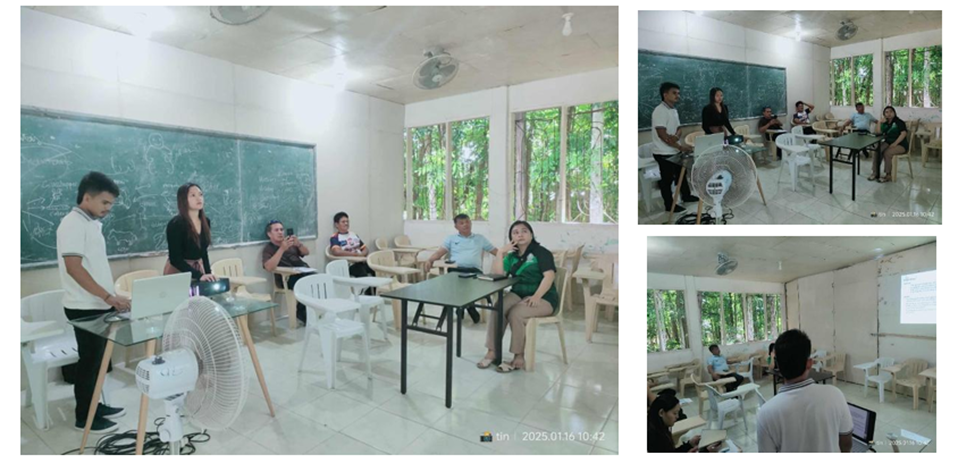
Mindanao State University-Maguindanao, through its College of Forestry and Environmental Studies, has launched a ₱5-million research and extension project to combat climate change and its impacts on upland communities in Datu Blah Sinsuat, Maguindanao del Norte. Titled “Enhancing Climate Resilience Through Native and Fruit Tree-Based Agroforestry Technology: A Science and Technology-Based Initiative for Emergencies and Hazards in Datu Blah Sinsuat, Maguindanao,” the project is funded by the Department of Science and Technology-Philippine Council for Agriculture, Aquatic, and Natural Resources Research and Development (DOST-PCAARRD). It aims to enhance climate resilience and promote sustainable agriculture through agroforestry technology.
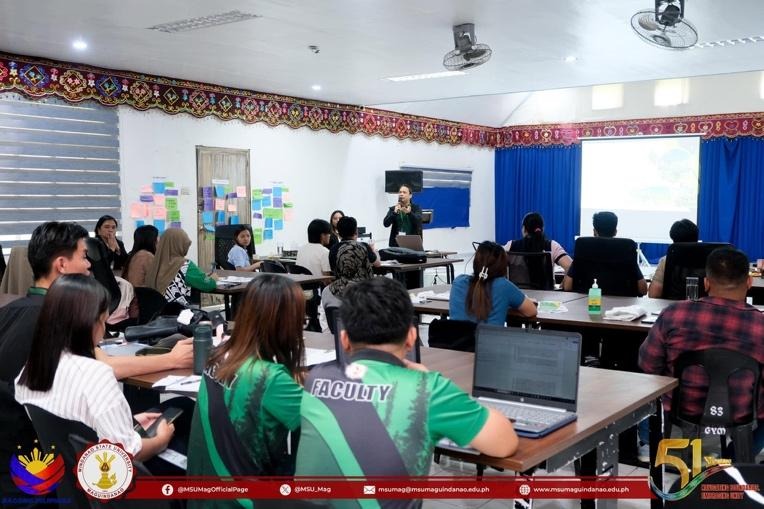
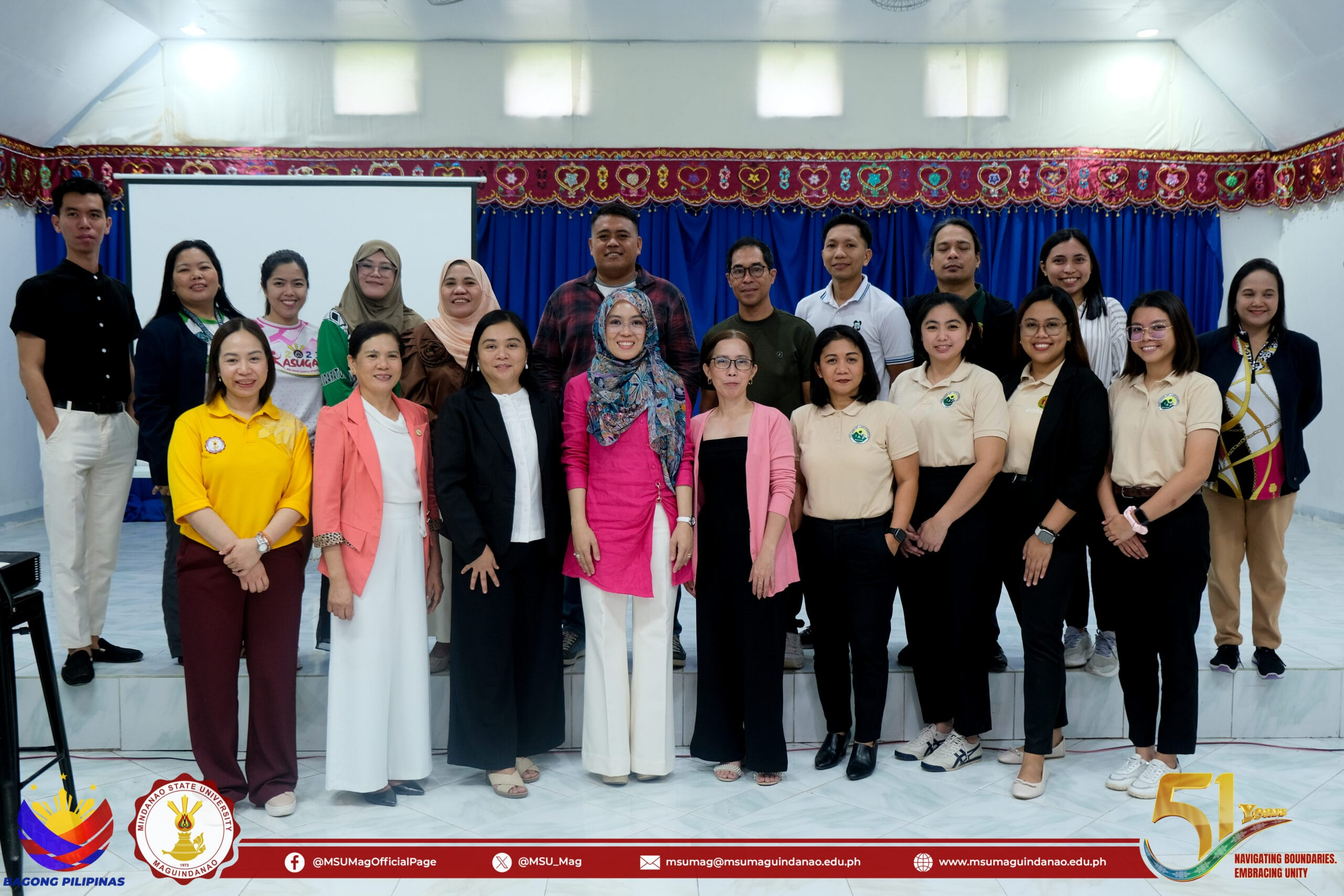
Trainers’ Training on Agroforestry Establishment and Development at the Training Center Hall A, MSU-Maguindanao on February 25, 2025.
Upland communities of Datu Blah Sinsuat are the primary beneficiaries, gaining climate-resilient land-use systems and livelihood support. Agroforestry practitioners and farmers will receive technical training, local government units gain a science-based approach to climate mitigation and hazard preparedness, and CFES faculty, researchers, and students benefit from applied research and extension opportunities.
This activity supports SDG 13 to take urgent action to combat climate change and its impacts. The project contributes to this goal by taking urgent action on both fronts. As the Chancellor noted, its technology aids climate change prevention and mitigation, while native and fruit tree-based agroforestry helps upland communities withstand climate-related emergencies and hazards. Practitioner training, community participation in decision-making, and engagement with local government and the provincial environment office build the knowledge and local capacity needed to sustain climate action beyond the project period.
MSU-Maguindanao will continue implementing the project with the community and its partners, and will report results, including trees planted, practitioners trained, and adaptation measures adopted, as monitoring data becomes available.