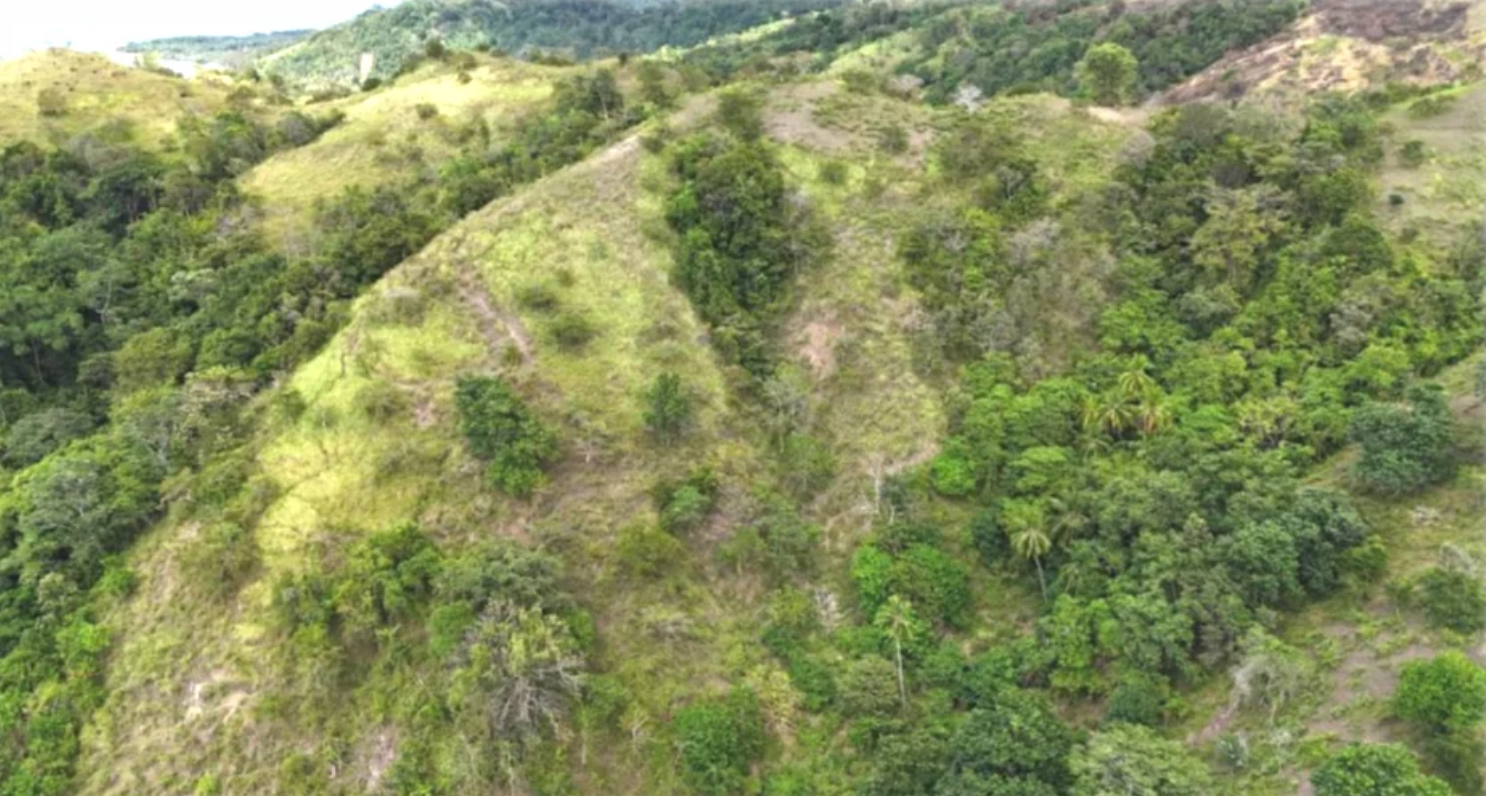
Aerial view of the project site for “Enhancing Climate Resilience through Native Tree and Fruit Tree-Based Agroforestry Technology: A Science and Technology-Based Initiative for Emergencies and Hazards in Datu Blah Sinsuat, Maguindanao"
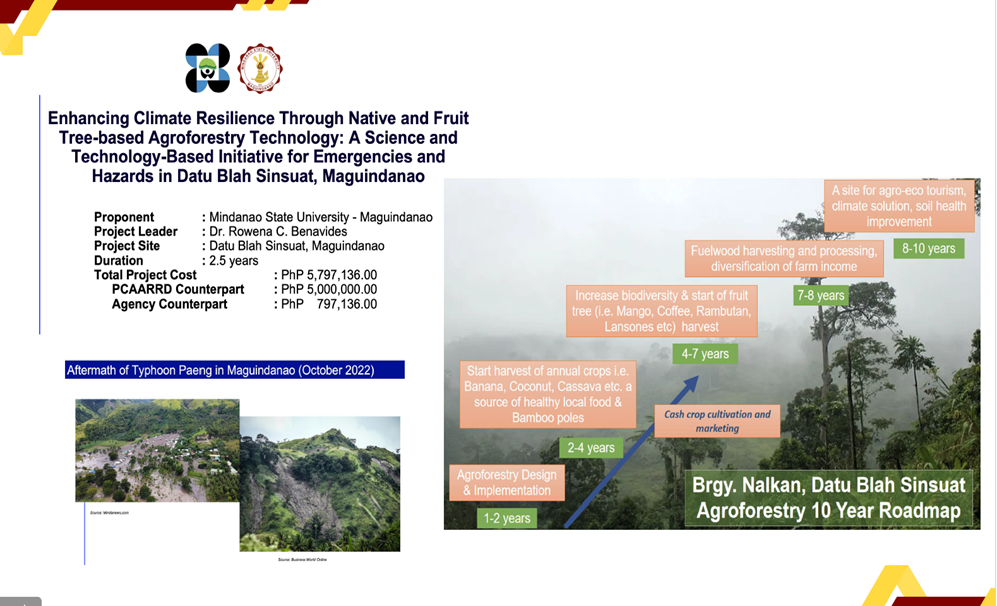
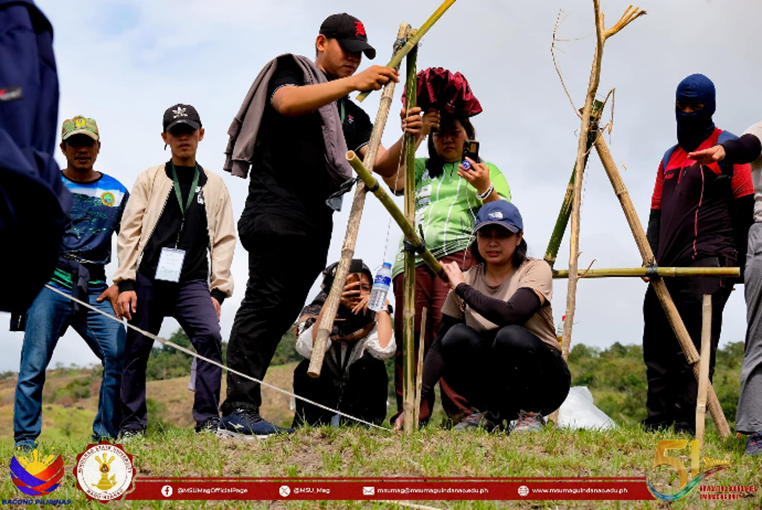
The College of Forestry and Environmental Studies (CFES) of Mindanao State University–Maguindanao is implementing the 2.5-year project "Enhancing Climate Resilience through Native Tree and Fruit Tree-Based Agroforestry Technology: A Science and Technology-Based Initiative for Emergencies and Hazards in Datu Blah Sinsuat, Maguindanao." With a project funding of ₱5 million (approximately US$87,111) from the Department of Science and Technology–Philippine Council for Agriculture, Aquatic and Natural Resources Research and Development (DOST-PCAARRD), and in partnership with the University of the Philippines Los Baños–Institute of Agroforestry (UPLB-IAF), the project aims to rehabilitate 10 hectares of degraded upland areas and produce 50,000 seedlings, consisting of 20,000 native trees and 30,000 fruit trees. These interventions aim to restore vegetation cover, improve soil and water conservation, reduce erosion, and strengthen the project site's ecological resilience in Barangay Nalkan, Datu Blah Sinsuat, Maguindanao del Norte.
To support the agroforestry establishment, the University developed nurseries for propagating and maintaining native and fruit tree seedlings. The nurseries has produced 52,000 seedlings, exceeding the initial target of 50,000 by 2,000 seedlings. These comprise 22,000 native tree seedlings and 30,000 fruit tree seedlings, providing sufficient planting materials for the planned agroforestry establishment and rehabilitation of the target area.
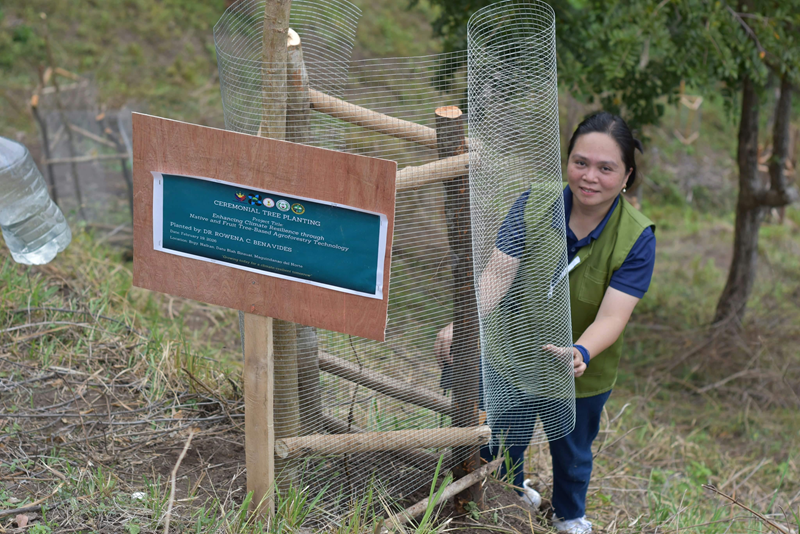
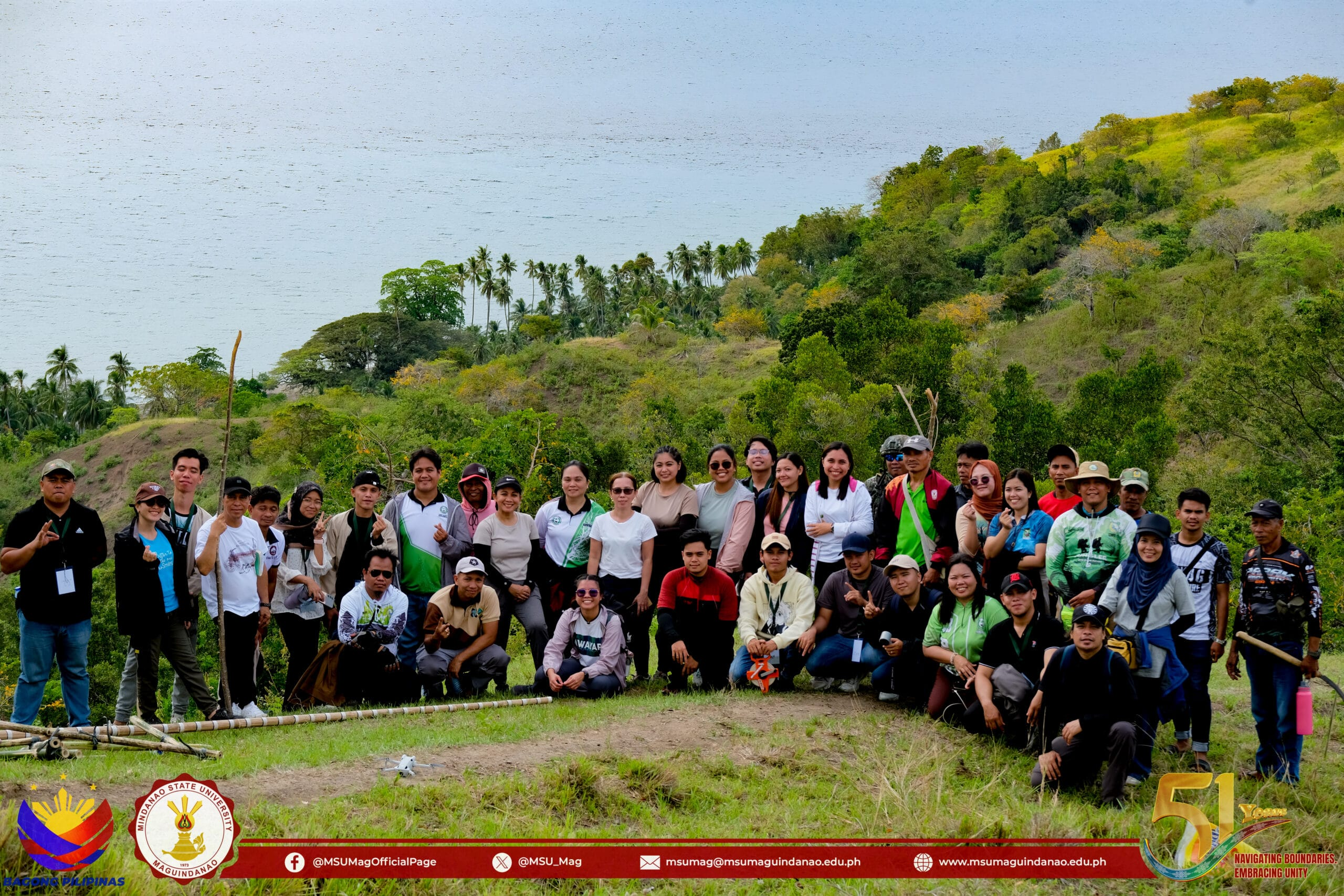
Project Leader Dr. Rowena C. Benavides of MSU-Maguindanao during the ceremonial tree planting for the project, “Enhancing Climate Resilience through Native and Fruit Tree-Based Agroforestry Technology,” held on February 19, 2026, in Barangay Nalkan, Datu Blah Sinsuat, Maguindanao del Norte.
The project team, in close coordination with the funding and local partners, will continue implementing the project until 2026, through additional planting activities, site maintenance, and community engagement to complete the 10-hectare rehabilitation target. The outcomes of these interventions, particularly seedling survival, vegetation establishment, and improvements in soil and habitat conditions, will also be regularly monitored by the University. The initiative aims to support long-term ecosystem restoration, strengthen climate resilience, and promote local biodiversity conservation.