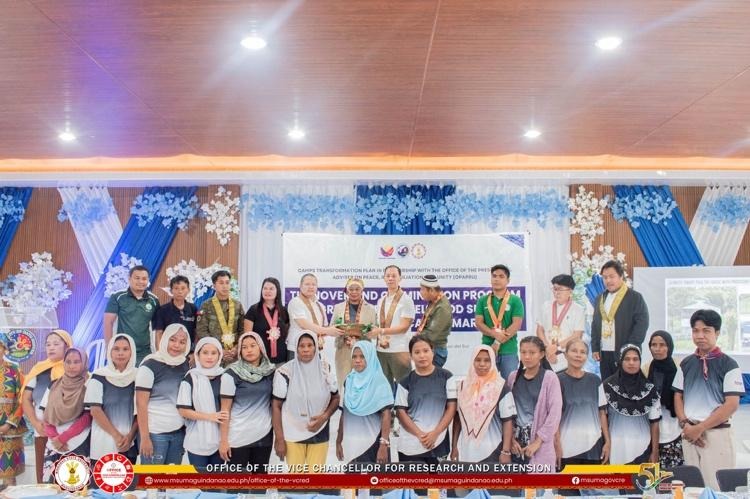
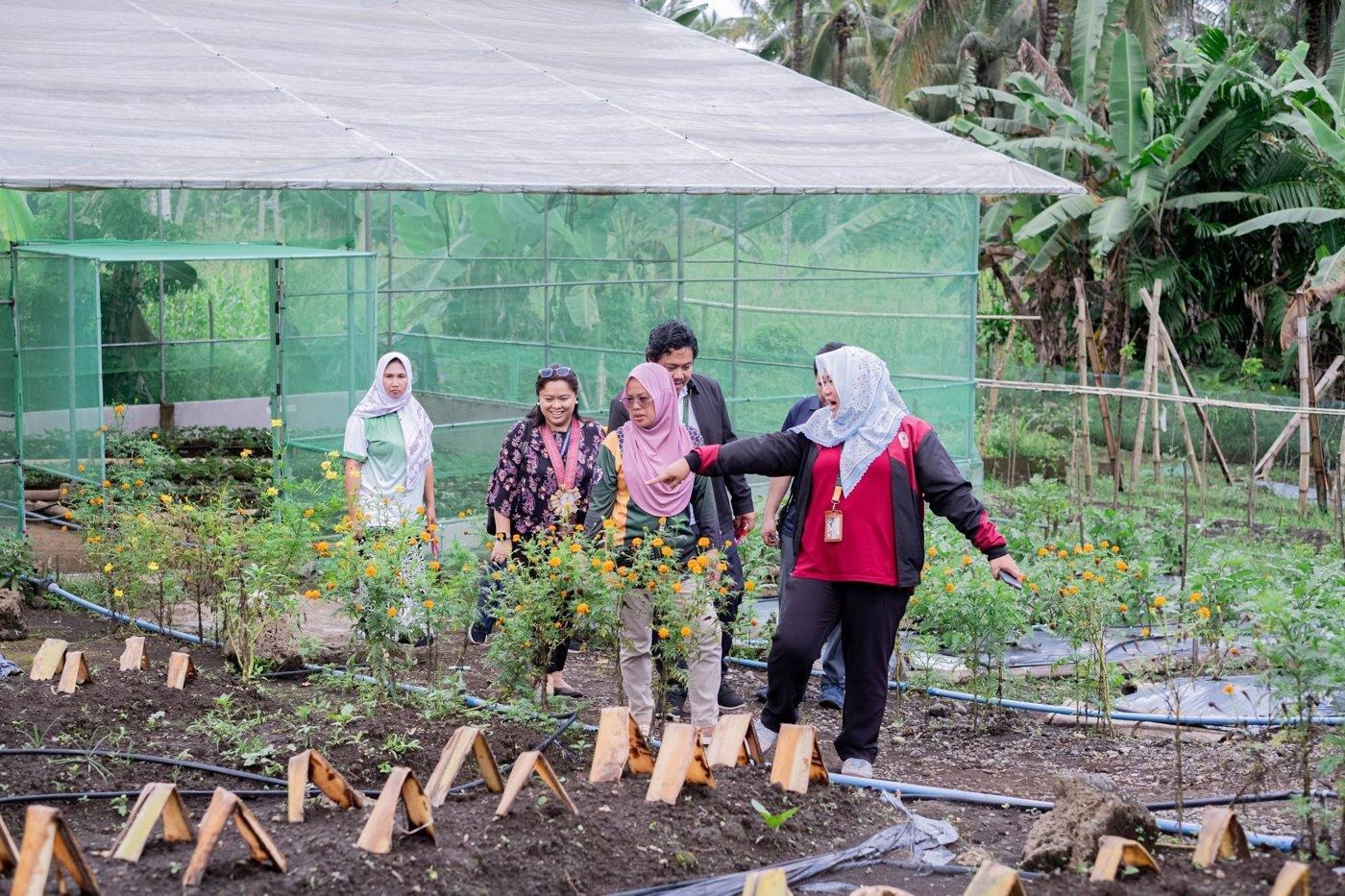
"Support local, eat local, and empower communities." With that call, Mindanao State University–Maguindanao (MSU–Maguindanao), through its Office of the Vice Chancellor for Research, Innovation, and Sustainable Engagements (OVCRISE), brought vegetables, eggs, and processed foods grown by partner cooperatives in Camp Abubakar, Camp Badre, and Camp Omar straight to buyers in 2025. The Taste of Peace sales, held with the Office of the Presidential Adviser on Peace, Reconciliation, and Unity (OPAPRU) and the Calagan Women's Marketing Cooperative, are part of the Agricultural Livelihood Support Project for the MILF Camps Transformation Plan.
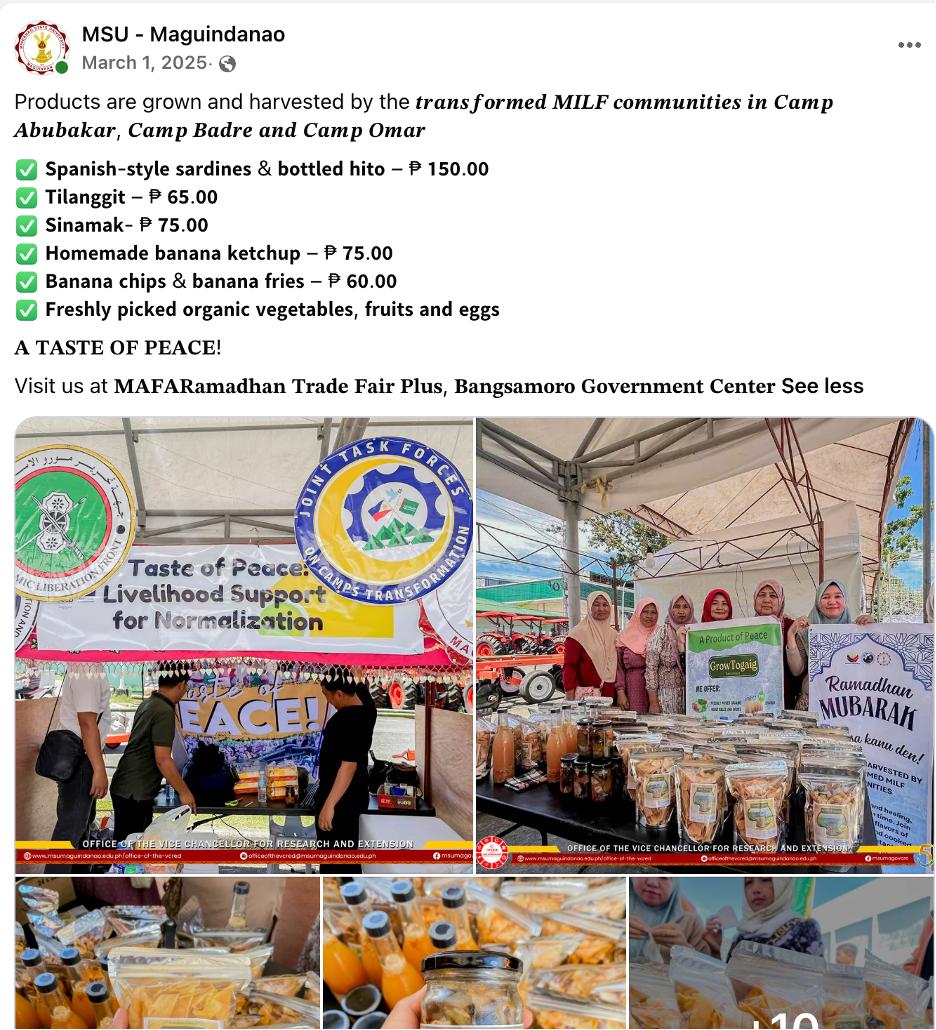
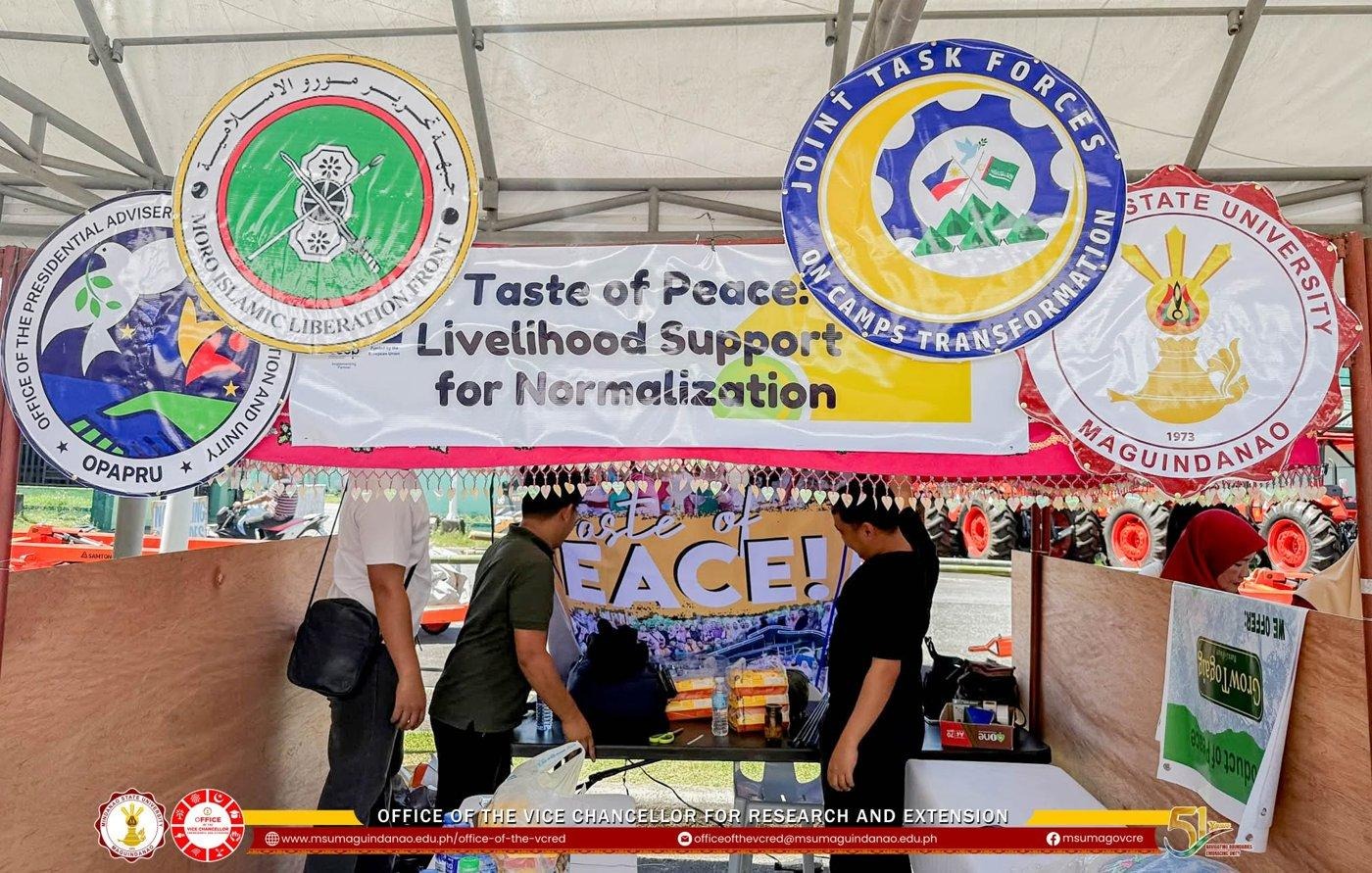
MSU-Maguindanao promotes locally grown and processed food products from the transformed communities of Camps Abubakar, Badre, and Omar at the MAFAR Ramadhan Trade Fair Plus, Bangsamoro Government Center.
From March 1, 2025, the University ran a Taste of Peace booth at the MAFARamadhan Trade Fair Plus at the Bangsamoro Government Center in Cotabato City. Cooperative members sold freshly picked organic vegetables, fruits, and eggs alongside halal-processed foods made from their own harvests: Spanish-style sardines and bottled hito at ₱150, tilanggit at ₱65, sinamak and homemade banana ketchup at ₱75, and banana chips and banana fries at ₱60. By March 3, the Camp Badre communities had added more products in eco-friendly packaging.
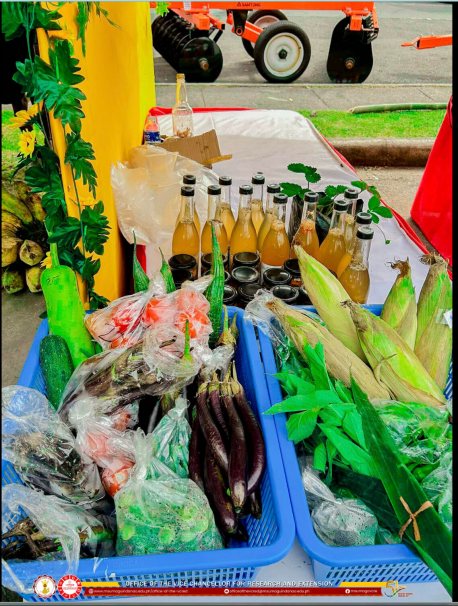
Fresh eggplant, corn, tomatoes, and other vegetables grown in the camps are sold beside bottled products at the Taste of Peace booth, March 2025.
The University also took orders for the camps' produce. Buyers reserved fresh eggs at ₱270 per tray and heritage chicks at ₱100 each from Camp Badre, and picked them up on June 16, 2025, during the Turnover and Culmination Program of the Agricultural Livelihood Support Projects at the Datu Odin Sinsuat Gymnasium of MSU–Maguindanao. University offices also bought these products for meetings, events, or tokens).
These sales put into practice the University's Sustainability Policy, which directs it to "support local and sustainable businesses whenever possible" (Article VII, Section 4) and to "promote the consumption of local and sustainably harvested food" (Article VII, Section 7). Every purchase goes directly to small-scale producers who grow their crops with climate-smart, chemical-free methods, giving them steady access to markets without middlemen.
Building on these sales, the University aims to make Taste of Peace products a regular feature of campus events and to give camp cooperatives first consideration when sourcing food for its official activities.