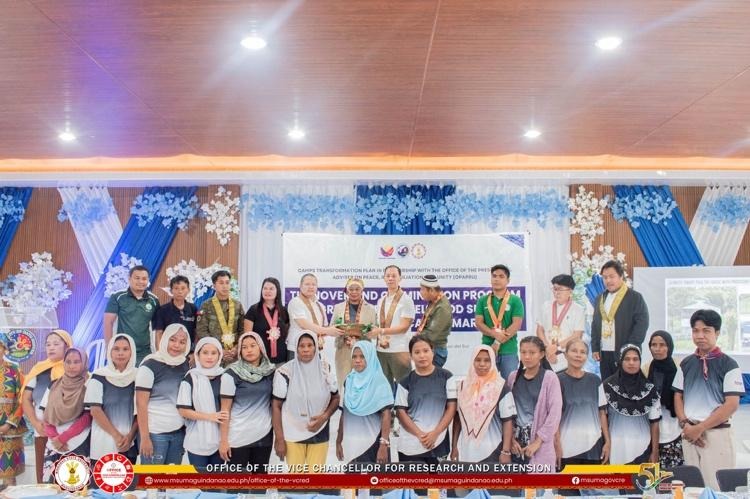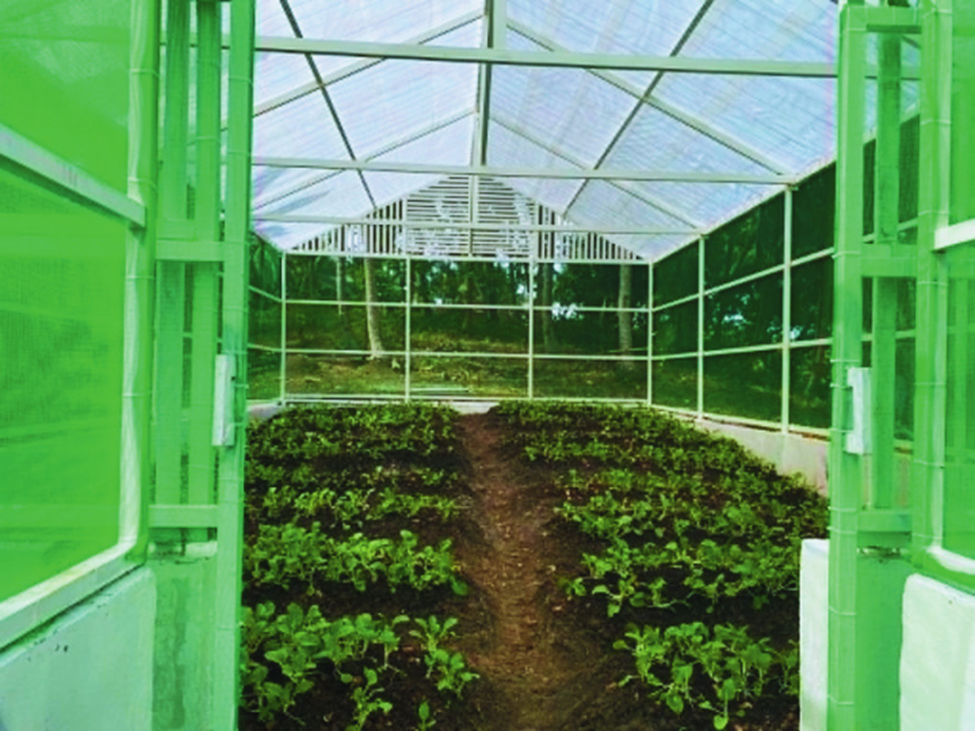
Camp farmers in three former MILF camps have been learning as much from one another as from experts. Through dialogue sessions, farm-to-farm learning visits, and trade fairs, Mindanao State University–Maguindanao (MSU–Maguindanao) brings farmers and food producers from Camp Abubakar, Camp Badre, and Camp Omar together with fellow growers, specialists, and buyers. These gatherings are part of the University's Agricultural Livelihood Support Project for the MILF Camps Transformation Plan and involve cooperatives such as the Calagan Women's Marketing Cooperative and the G.K. Village Togaig Farmers' Marketing Cooperative.
Regular Kamustahan sessions facilitated by the University bring cooperative members and project staff together to talk through progress, problems, and next steps, including sessions in Camp Omar in February 2025 and at Banwag Hall in Parang on April 25, 2025. Learning visits took farmers beyond their own fields: Camp Abubakar members spent three days in January 2025 at Binahon Agroforestry Farm, Umanika Eco-cultural Farm, and DA-NMACLRC in Bukidnon, while Camp Badre and Camp Omar members went on technology scouting in April 2025 at Esperanza Care Farm in Sultan Kudarat, Organikian Urban Farm in Koronadal City, and Saxonylyn Scientific Fishfarming and Zippora's Dairy Goat Farm in General Santos City, observing poultry, hydroponics, aquaculture, and dairy goat production.
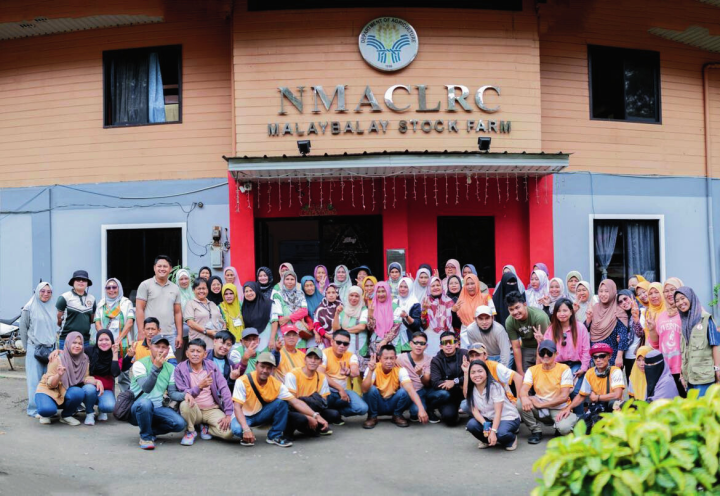
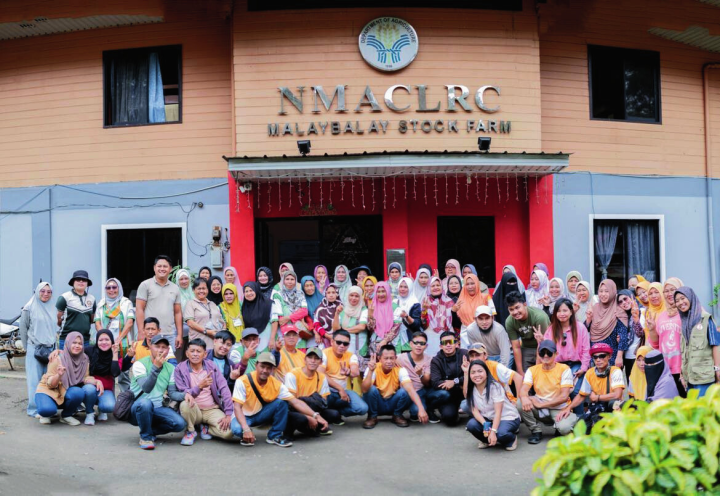
Members of the Calagan Women's Marketing Cooperative and the G.K. Village Togaig Farmers' Marketing Cooperative from Camp Abubakar visit the Department of Agriculture's Northern Mindanao Agricultural Crops and Livestock Research Complex (NMACLRC) Malaybalay Stock Farm in Bukidnon, January 2025.
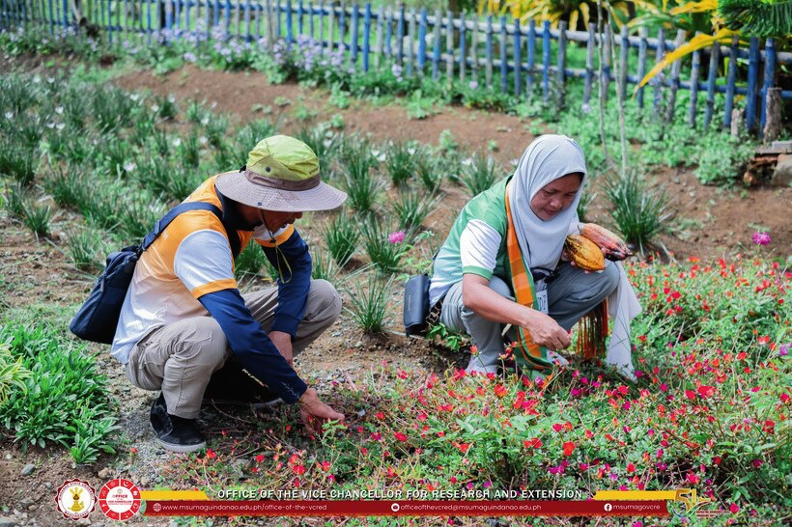
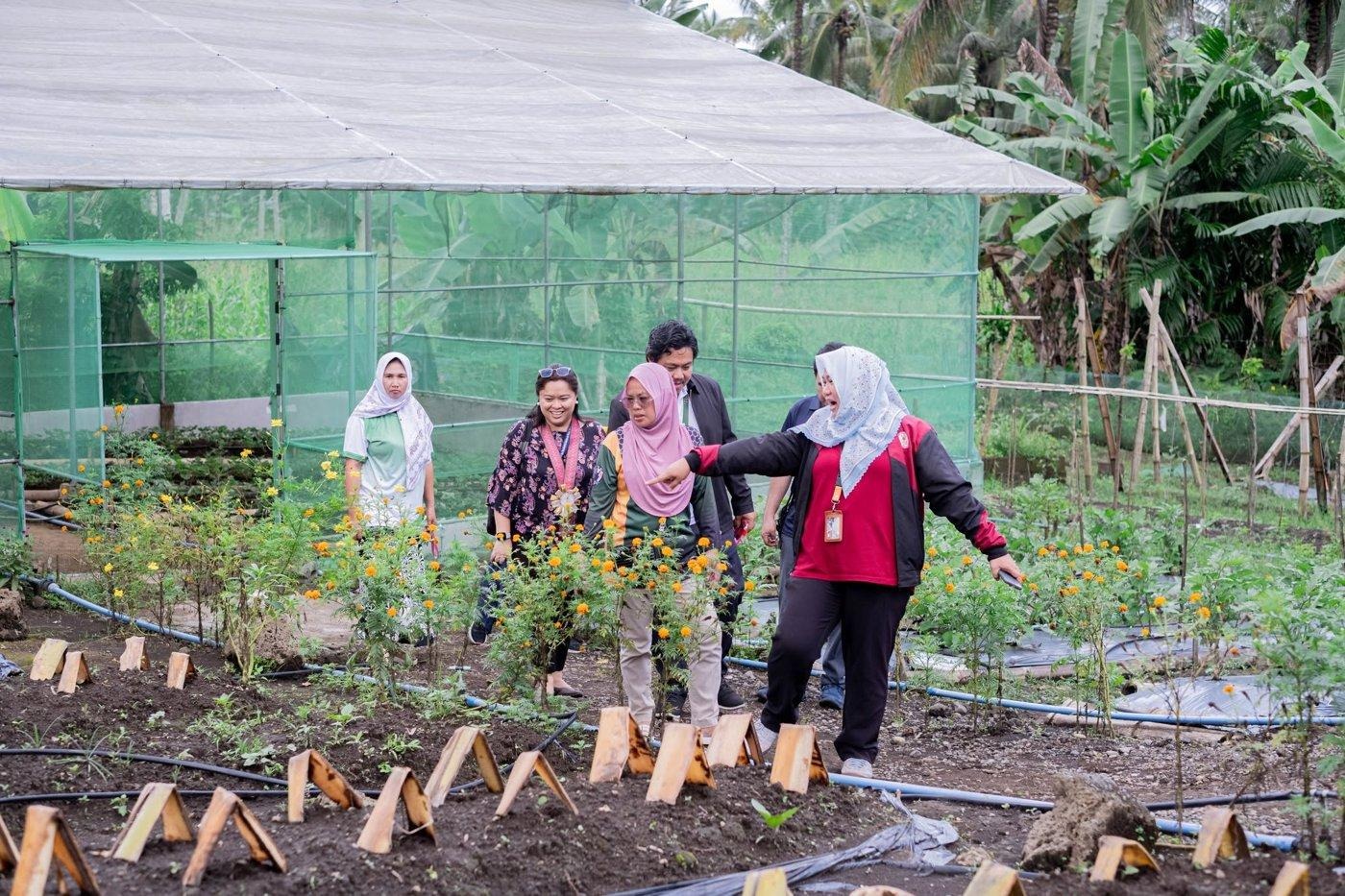
Partner-farmers from Camp Abubakar take a closer look at crops during the January 2025 learning visit to model farms in Bukidnon.
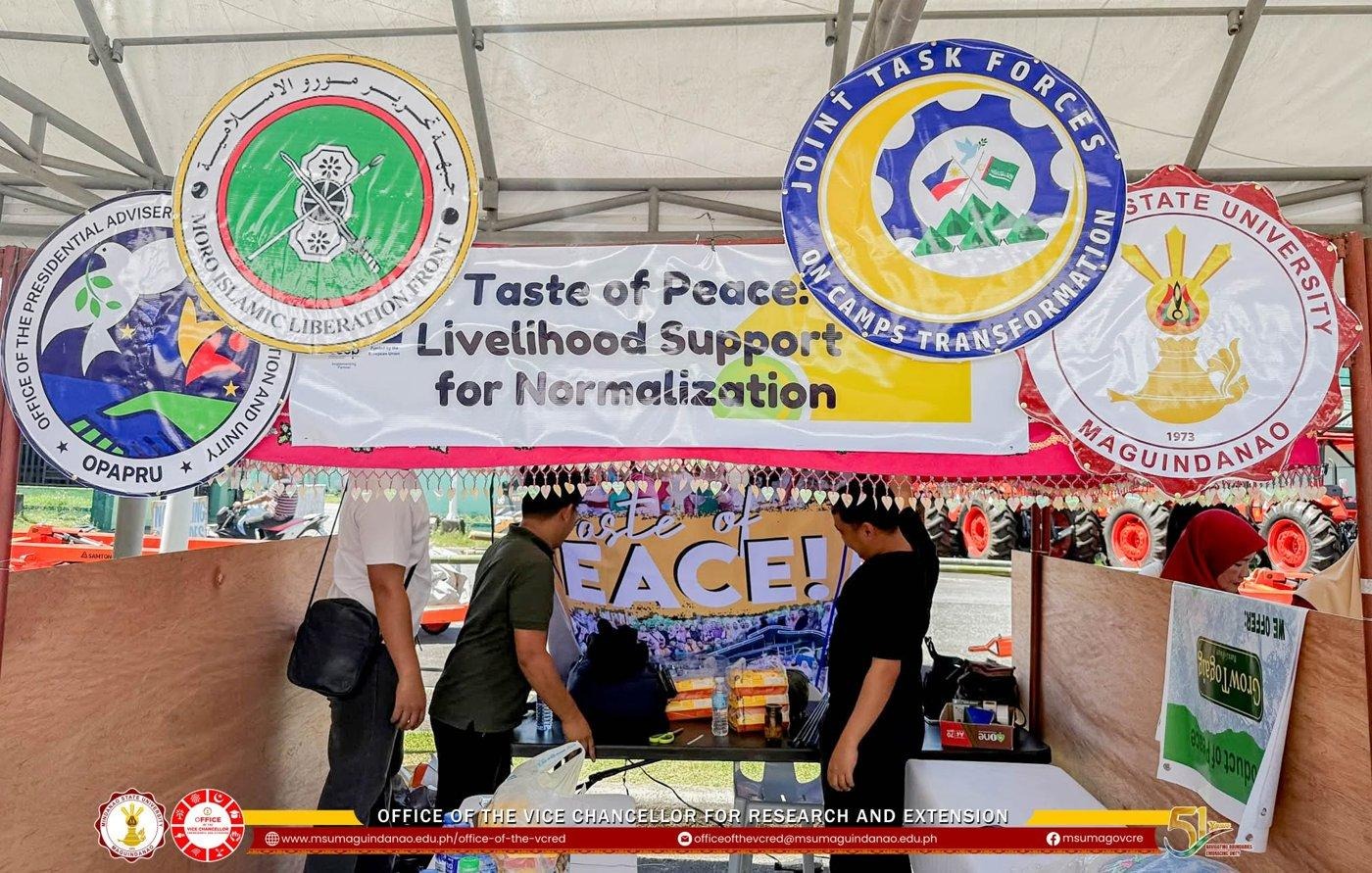
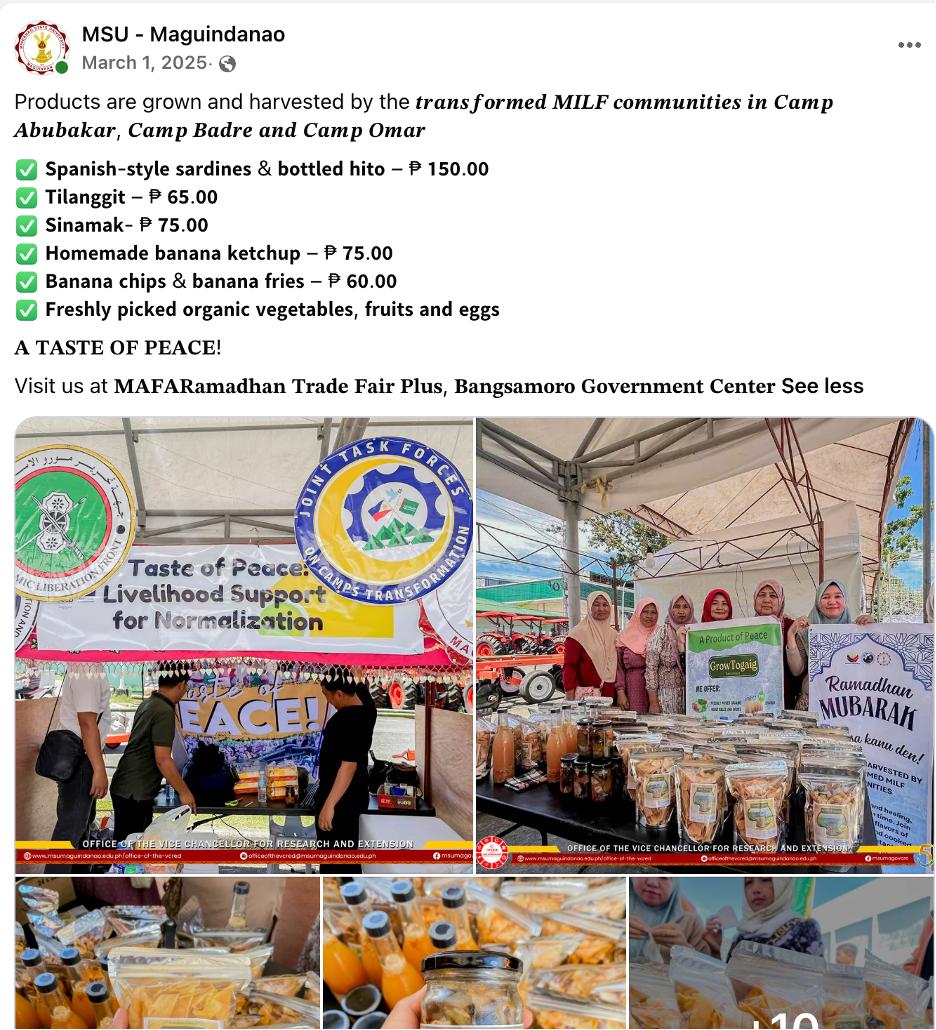
Knowledge has also flowed the other way, as camp farmers walked the European Union Ambassador and Malaysian facilitators through their vegetable and fish farms. In March 2025, cooperative members shared their stories of struggle and success at the Women's Month culmination program on the University campus, and in June 2025, turnover and culmination programs in the camps gathered members and stakeholders to showcase each component's outputs. At the MAFAR Ramadhan Trade Fair+ and the 10th Philippine Halal Trade and Tourism Expo in Davao City, the women's cooperative met buyers face to face, giving small-scale food producers in the camps a direct route to markets and fresh ideas for value-added products.
Looking ahead, the University will keep holding Kamustahan sessions and learning exchanges as the project moves into its next phases, while linking the cooperatives with more buyers and market outlets. Guided by a five-year roadmap that runs to 2030, these gatherings aim to grow the camp cooperatives into self-reliant enterprises whose experience other farming communities can learn from and replicate.