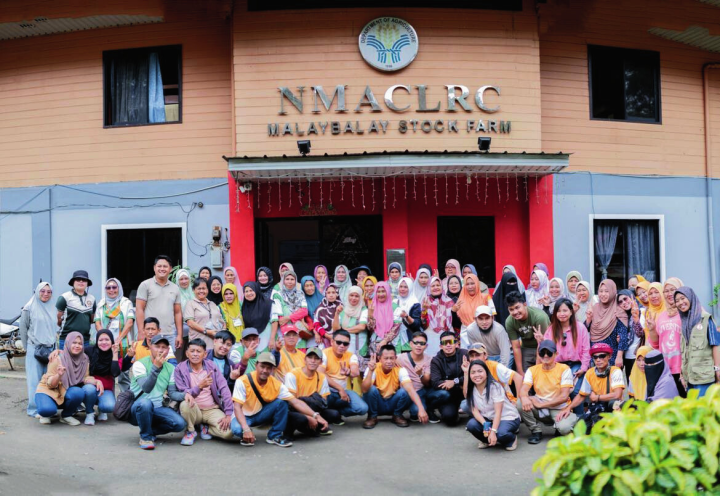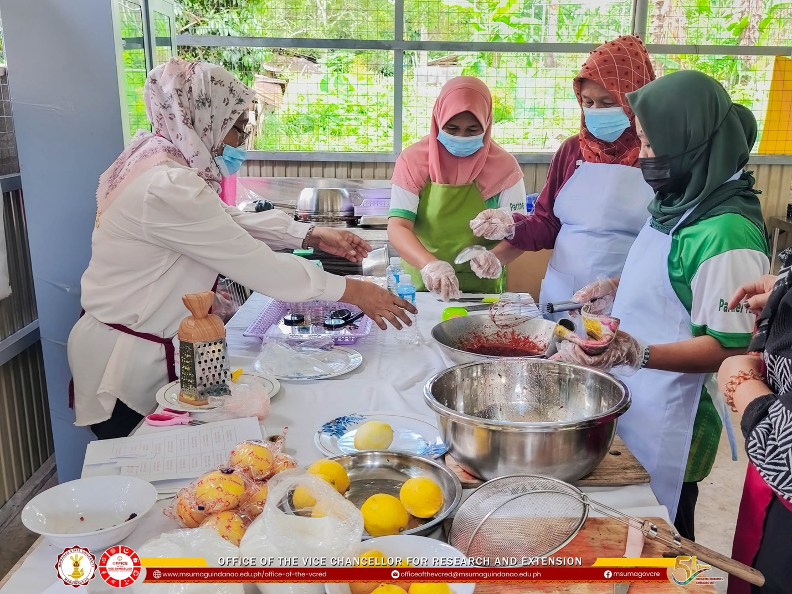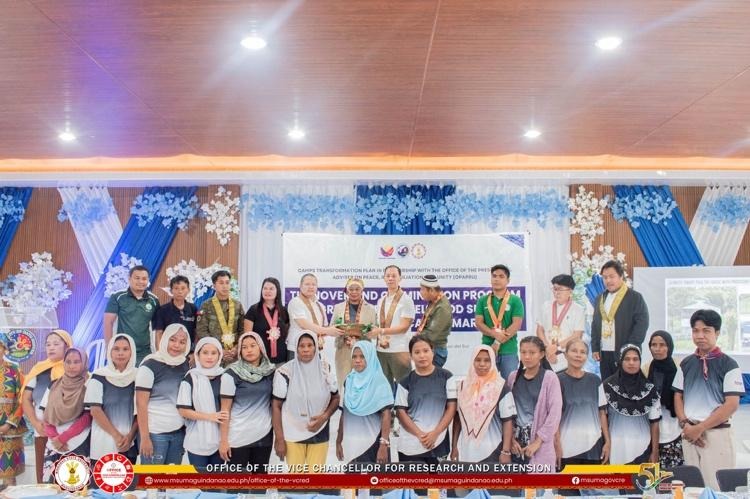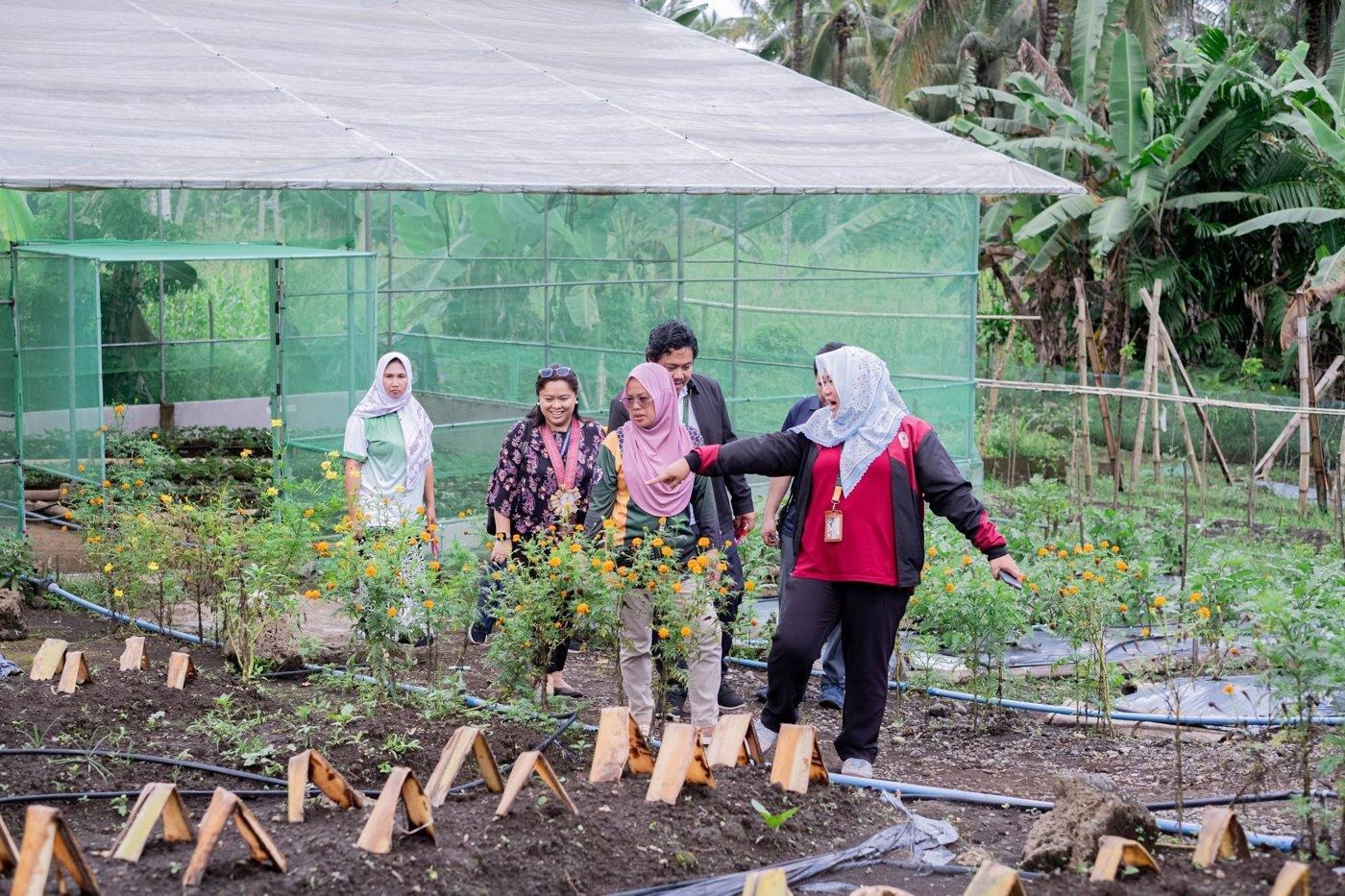
Partner-farmers in Camps Abubakar, Badre and Omar receive seedlings, soil test kits, livestock and agricultural technologies from MSU–Maguindanao. Greenhouses and livestock housing built within the camps complement these inputs, giving cooperatives access to production facilities at their community farming sites.
The support forms part of an ongoing livelihood initiative funded by the Office of the Presidential Adviser on Peace, Reconciliation, and Unity (OPAPRU) under the MILF Camps Transformation Plan. Since July 2024, the initiative has reached 305 partner-farmers organized in cooperatives across Barira, Datu Odin Sinsuat and Datu Hoffer.
The project is implemented by a multidisciplinary team of experts from the University’s College of Agriculture, College of Fisheries, College of Engineering and Computing Sciences, and College of Public Affairs and Governance. The team combines technical expertise with the provision of inputs, technologies and production facilities.
Planting materials and crop production technologies
The University supplies partner-farmers with seedlings, vegetable seeds, soil test kits, agricultural tools, organic fertilizers and other farm inputs. Distribution of agricultural inputs began in August 2024 and continued as the project developed production sites in the three camps.
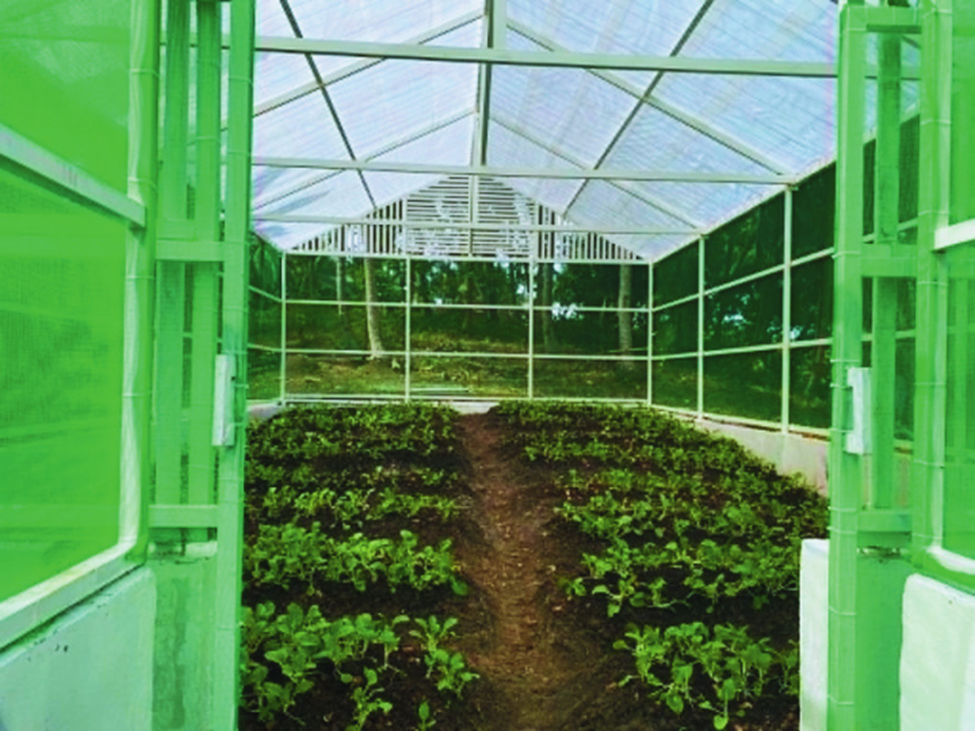
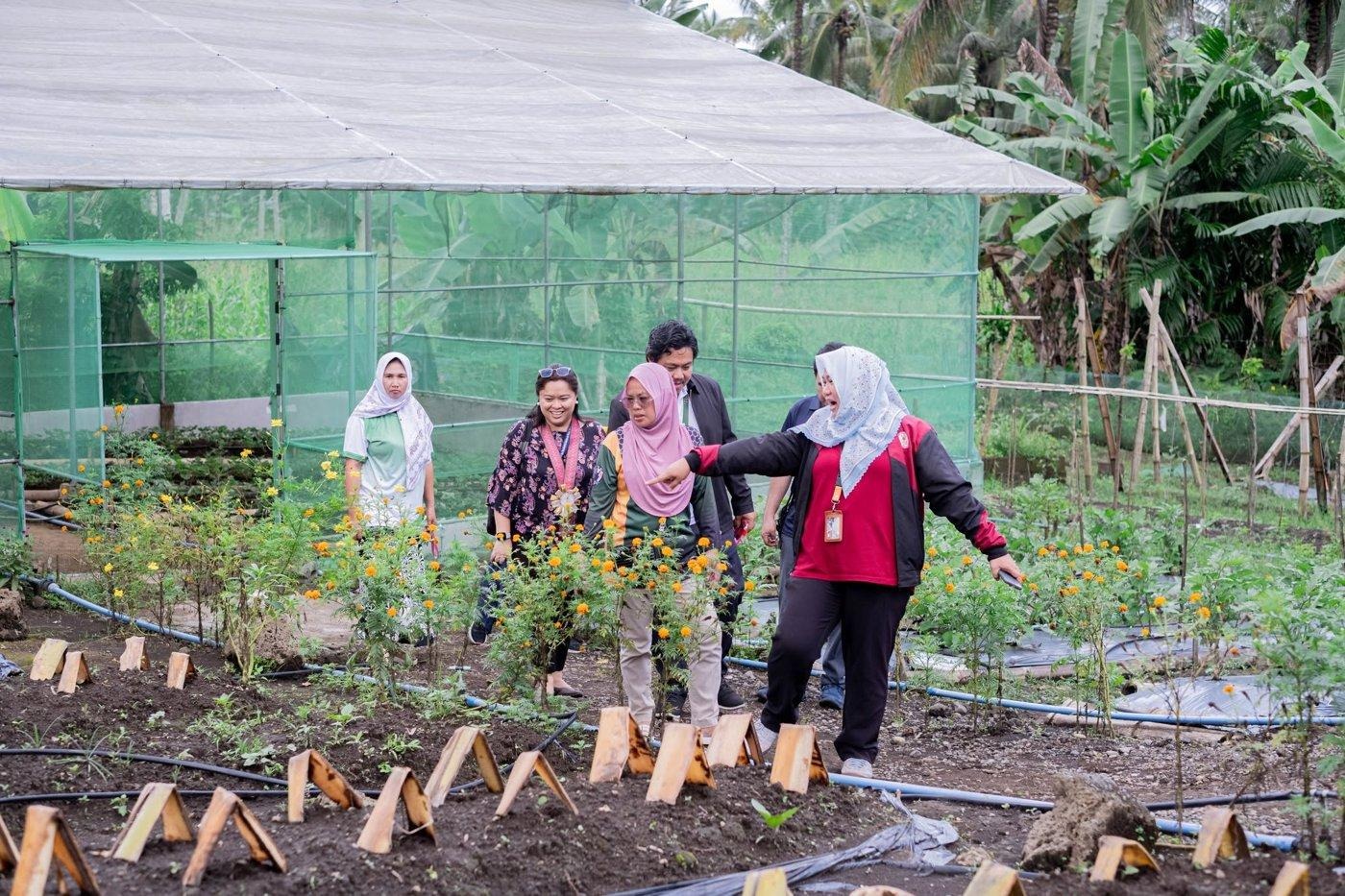
Vegetables grow inside the climate-smart greenhouse built for the Sigay Kutawato Women RTW Marketing Cooperative in Barangay Bugawas, Camp Badre.
Project support included a climate-smart greenhouse for the Sigay Kutawato Women RTW Marketing Cooperative in Barangay Bugawas, Camp Badre, and another for the AL JAASUWS OFW Agri-Business Association in Camp Omar. Completed in March 2025, the Camp Omar greenhouse included hydroponics, vermibeds and a water system.
In Camp Abubakar, the project reinforced the Calagan Women’s Marketing Cooperative’s greenhouse and established a nursery for strawberry seedlings. Partner-farmers have harvested eggplant, tomatoes, pechay, green chilies and cucumbers from the supported production sites.
Livestock and facilities within the camps
The G.K. Village Togaig Farmers’ Marketing Cooperative in Camp Abubakar, Sif-Ku Producers Cooperative in Camp Badre, and Talibadok Kauyagan Farmers Marketing Cooperative in Camp Omar each received 10 goats and a climate-smart goat house. Pasture and forage areas complemented the livestock support, including one hectare planted with Napier grass and Madre de Agua in Camp Omar.
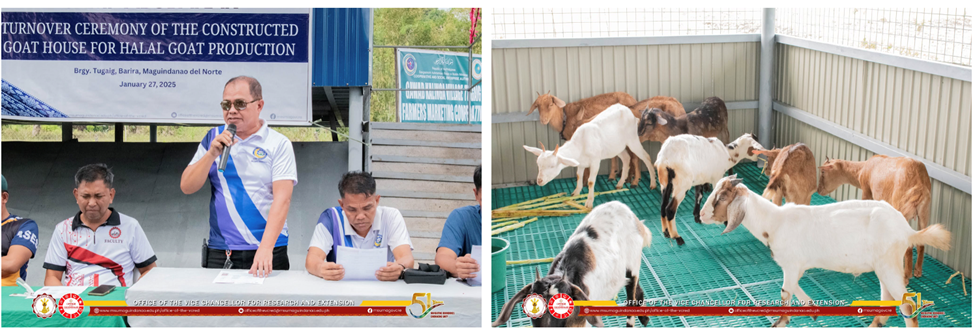
A project official speaks (left) at the January 27, 2025 turnover of the climate-smart goat house for halal goat production built for the G.K. Village Togaig Farmers' Marketing Cooperative in Barangay Tugaig, Barira, Camp Abubakar, where the cooperative's goats are now housed on a slatted floor (right).
The Matado Agrarian Reform Cooperative in Camp Badre and the Limpongo Women’s Organization in Camp Omar each received a climate-smart poultry house stocked with 100 ready-to-lay heritage chickens. The two Camp Abubakar cooperatives also received ready-to-lay heritage chickens and renovated poultry houses.
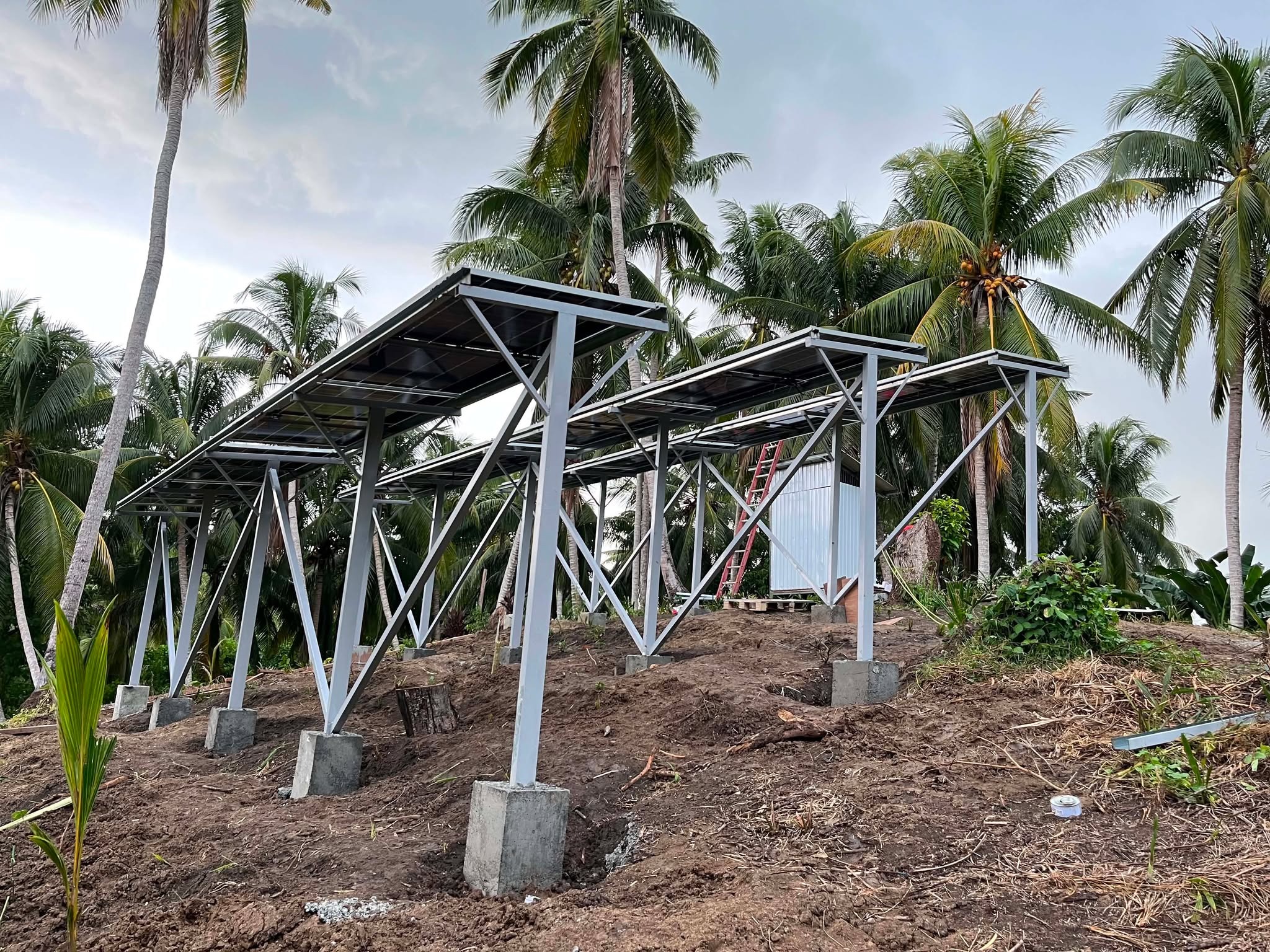
Solar-powered incubators provided additional production technology, including a unit with a 216-egg setter delivered to Camp Badre in March 2025 to support local chick hatching.
These inputs and facilities were provided free of charge through OPAPRU funding, allowing participating cooperatives to use them within their communities.
Production outputs and access to University facilities
From January to June 2025, the Limpongo poultry house averaged 30–40 eggs per day. Camp Abubakar flocks produced at least 25 eggs daily. These figures provide production data for monitoring the use and performance of the poultry facilities and livestock supplied.
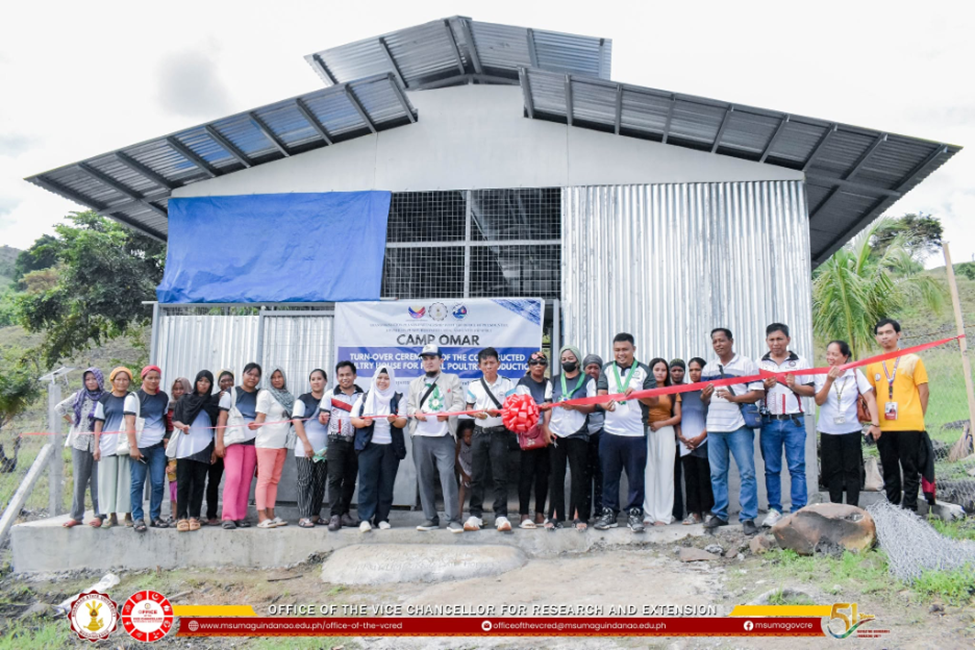
Members of the Limpongo Women's Organization and project officials cut the ribbon at the turnover ceremony of the climate-smart poultry house for halal poultry production, stocked with 100 ready-to-lay heritage chickens, in Barangay Limpongo, Camp Omar, January 2025.
Alongside the facilities established in the camps, the University also provided access to its College of Agriculture goat and cattle facilities in Dalican. In 2025, farmers and agricultural technicians trained at these facilities through the FAO-funded Halal Livestock Farmer Field School and Demonstration Farm, extending access to University facilities for practical livestock learning.
Planned follow-up support includes helping cooperatives establish feed banks for organic poultry feed and arranging regular animal health monitoring with veterinarians. These measures aim to sustain the livestock and production systems beyond the initial provision of inputs and facilities.