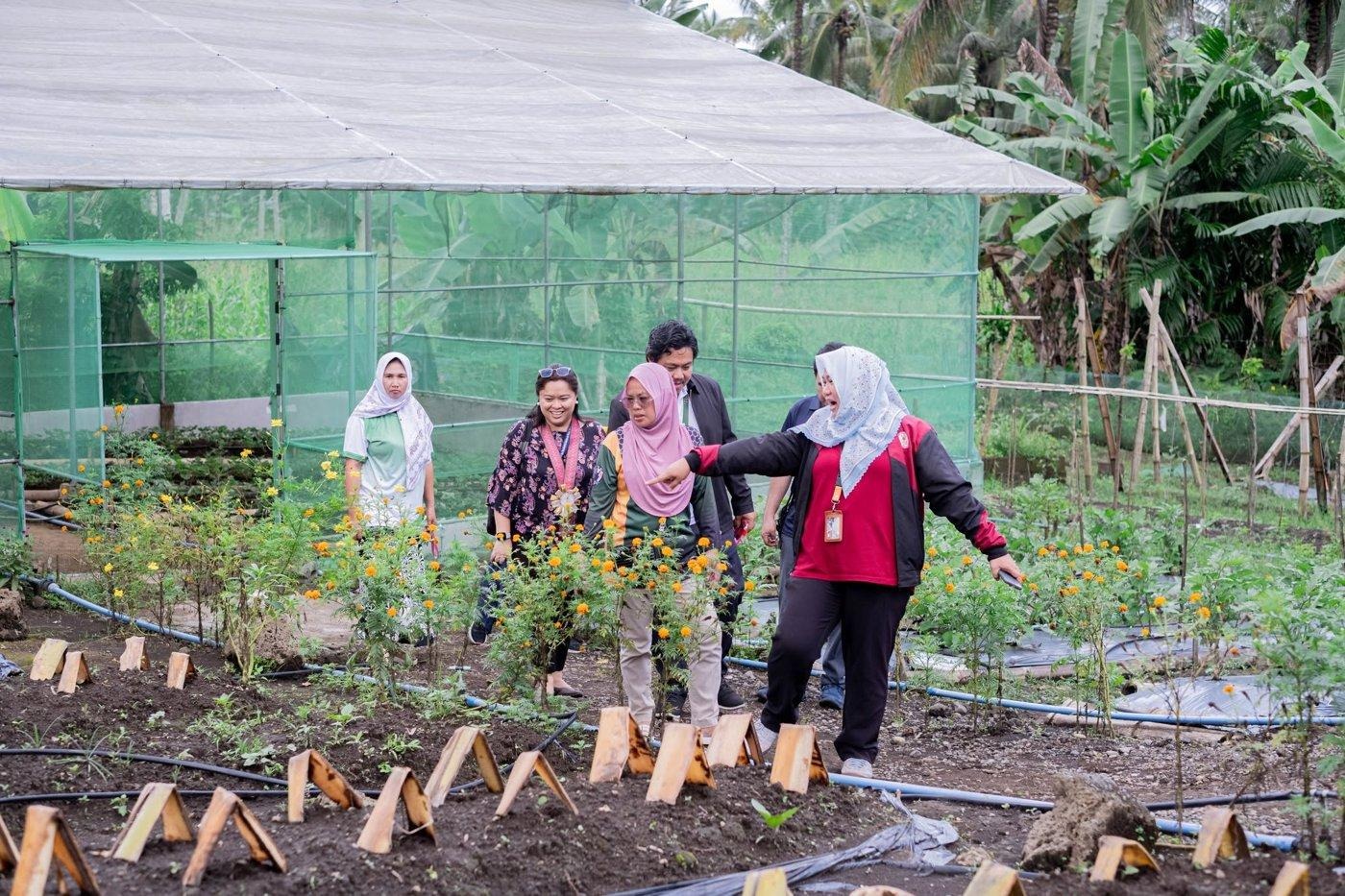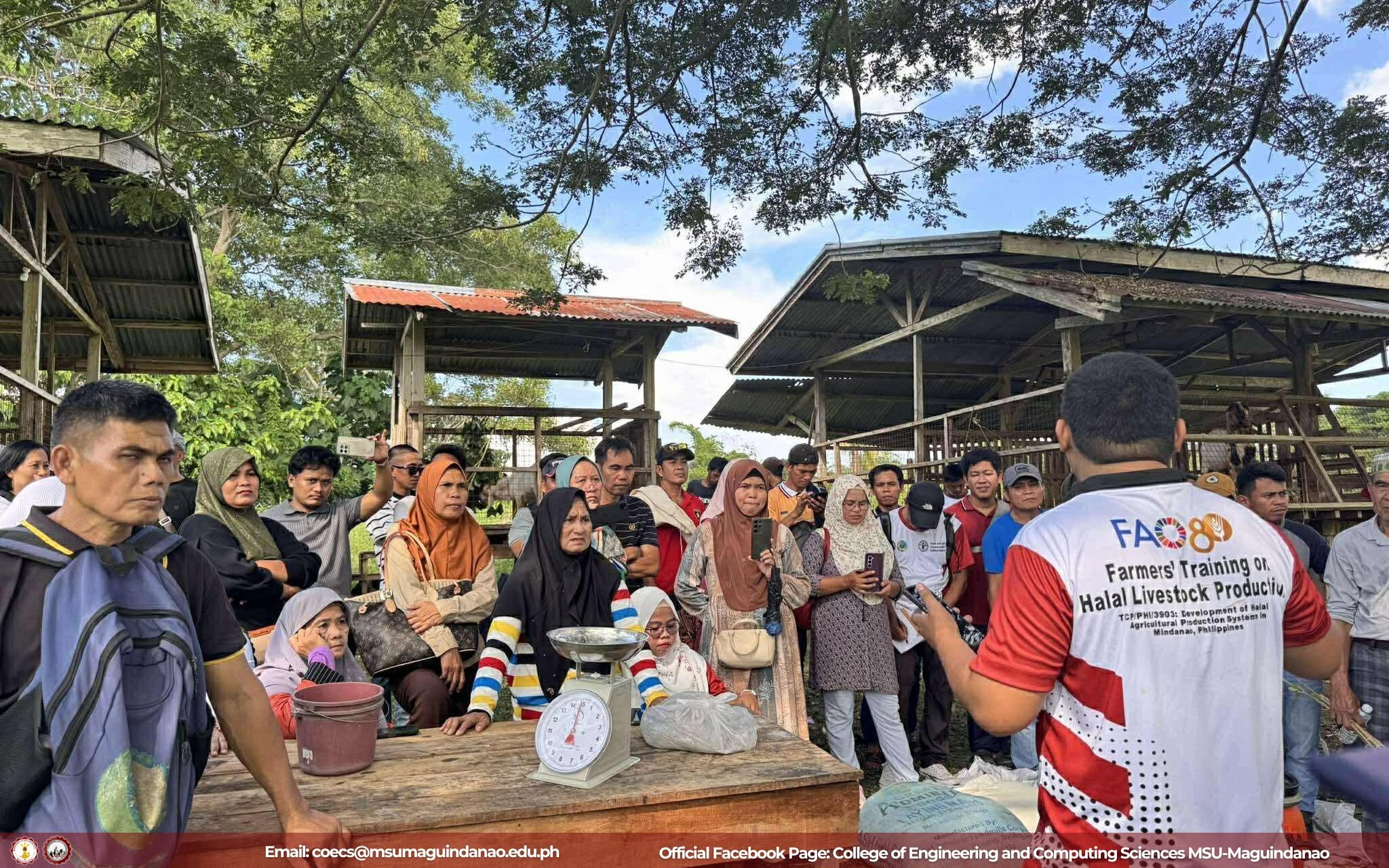
For women’s cooperatives, former combatants, and their families in previously acknowledged Moro Islamic Liberation Front (MILF) Camps, livelihood support means having practical tools to grow food, process harvests, and manage community enterprises.
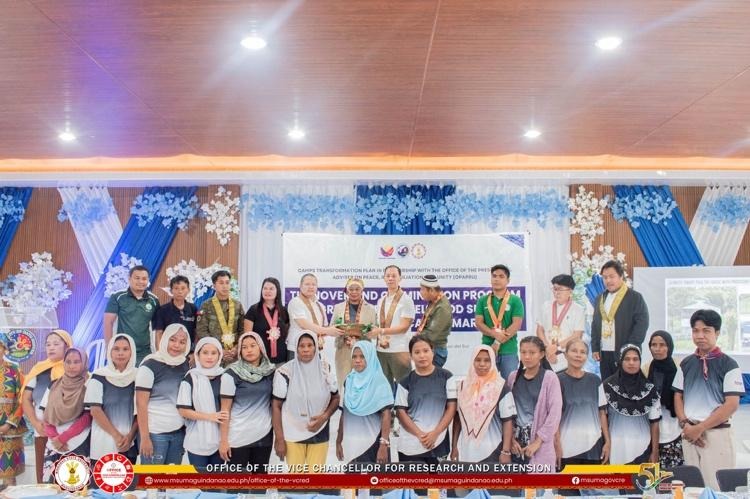
In 2025, partner-farmers in Camps Abubakar, Badre and Omar received training, production facilities and farm inputs free of charge to support climate-smart crop, fish and livestock production. Through an Office of the Presidential Adviser on Peace, Reconciliation, and Unity (OPAPRU)-funded project implemented by MSU–Maguindanao, local farmers and food producers gained access to faculty expertise, practical skills and technologies for producing food and developing community enterprises.
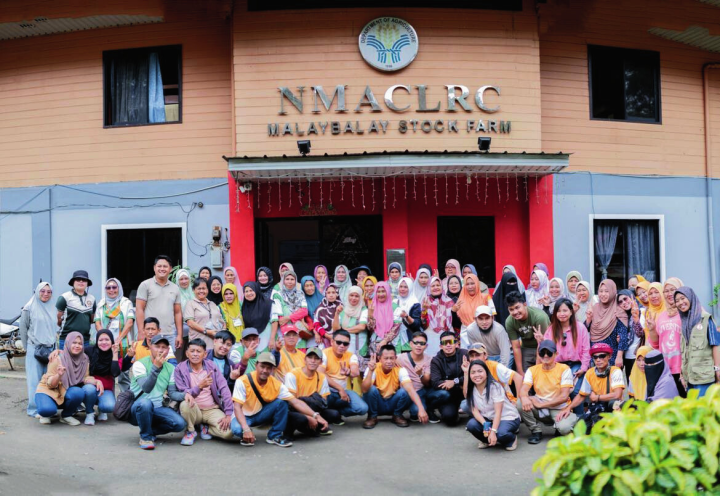
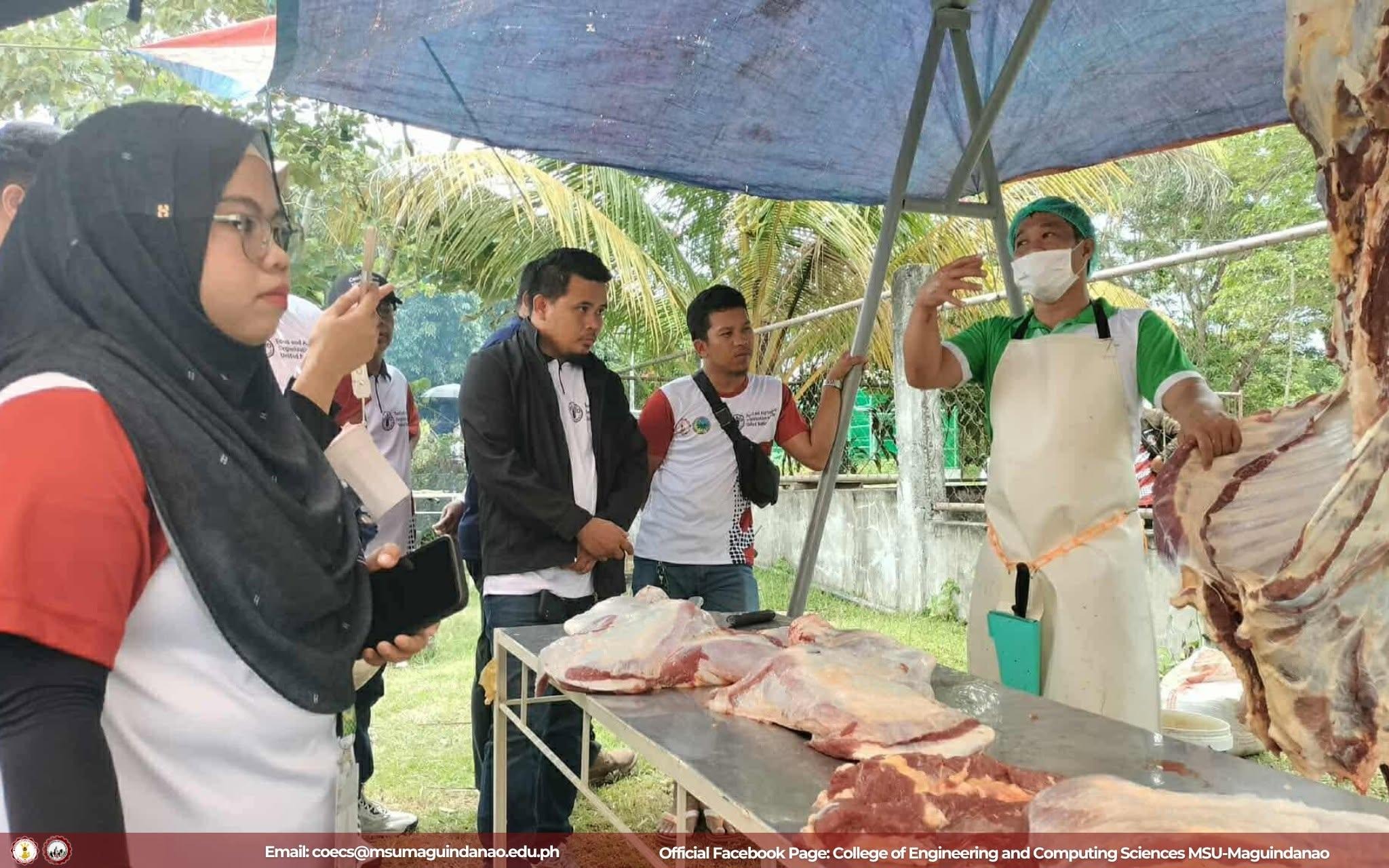
Ongoing since July 2024, the Agricultural Livelihood Support Project using science and technology-based mixed farming initiative has reached 305 partner-farmers in Maguindanao del Norte and Maguindanao del Sur, including women’s cooperative members and former combatants. Support combines agricultural and aquaculture training with food processing, branding, packaging, and cooperative management to help participants apply their skills across production and enterprise activities.
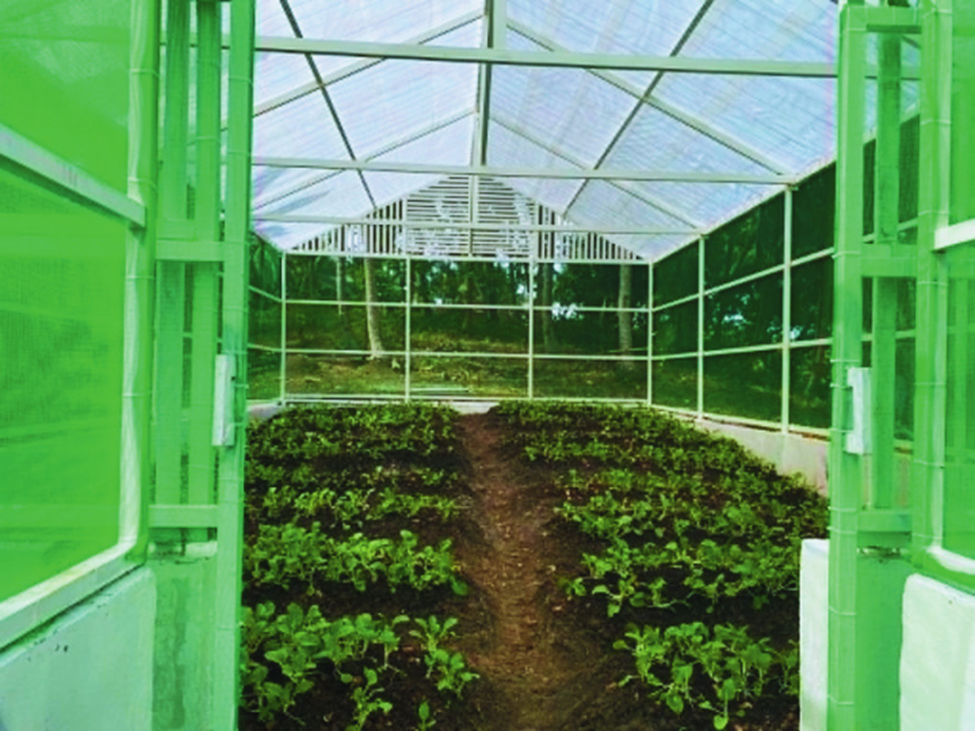
Faculty members specializing in agronomy, animal science, and fisheries have provided training in climate-smart vegetable production, halal goat raising, organic poultry production, fish culture, and processing. Agricultural and biosystems engineering specialists have supported the development of production facilities, including greenhouses with drip irrigation, goat and poultry houses, fish cages and tanks, and solar-powered incubators. These facilities allow participants to put their training into practice.
For women’s cooperatives, the support also creates opportunities to add value to agricultural products. Members have learned to prepare banana chips, sinamak, banana ketchup, strawberry jam, tilanggit, and Spanish-style hito. Training in branding and packaging complements food processing, helping members prepare products for sale.
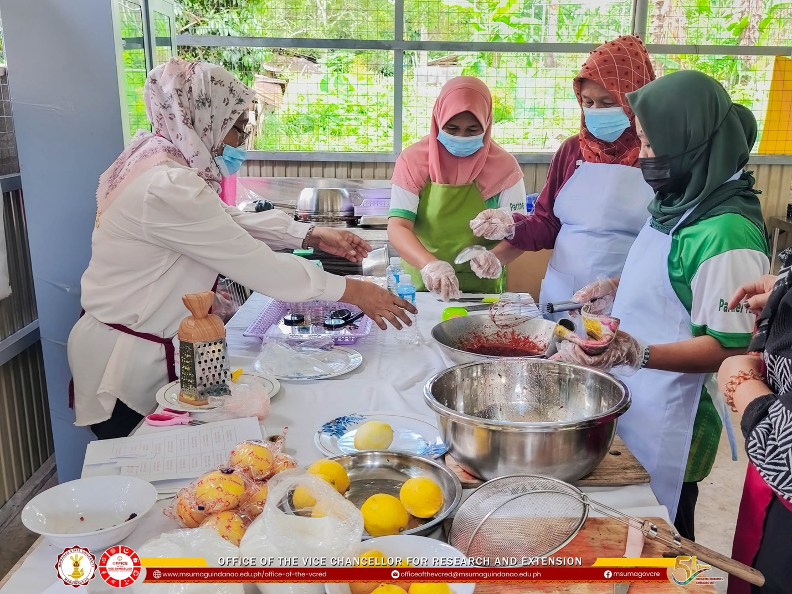
Women’s cooperative members in Partner Farmer aprons take part in a hands-on food processing session on jam making, part of the MSU–Maguindanao Agricultural Livelihood Support Project funded by OPAPRU.
Faculty members in agribusiness management and sustainable community development have also provided financial and cooperative management training. These sessions help members understand how to manage funds, organize operations, and make decisions about sustaining their enterprises.
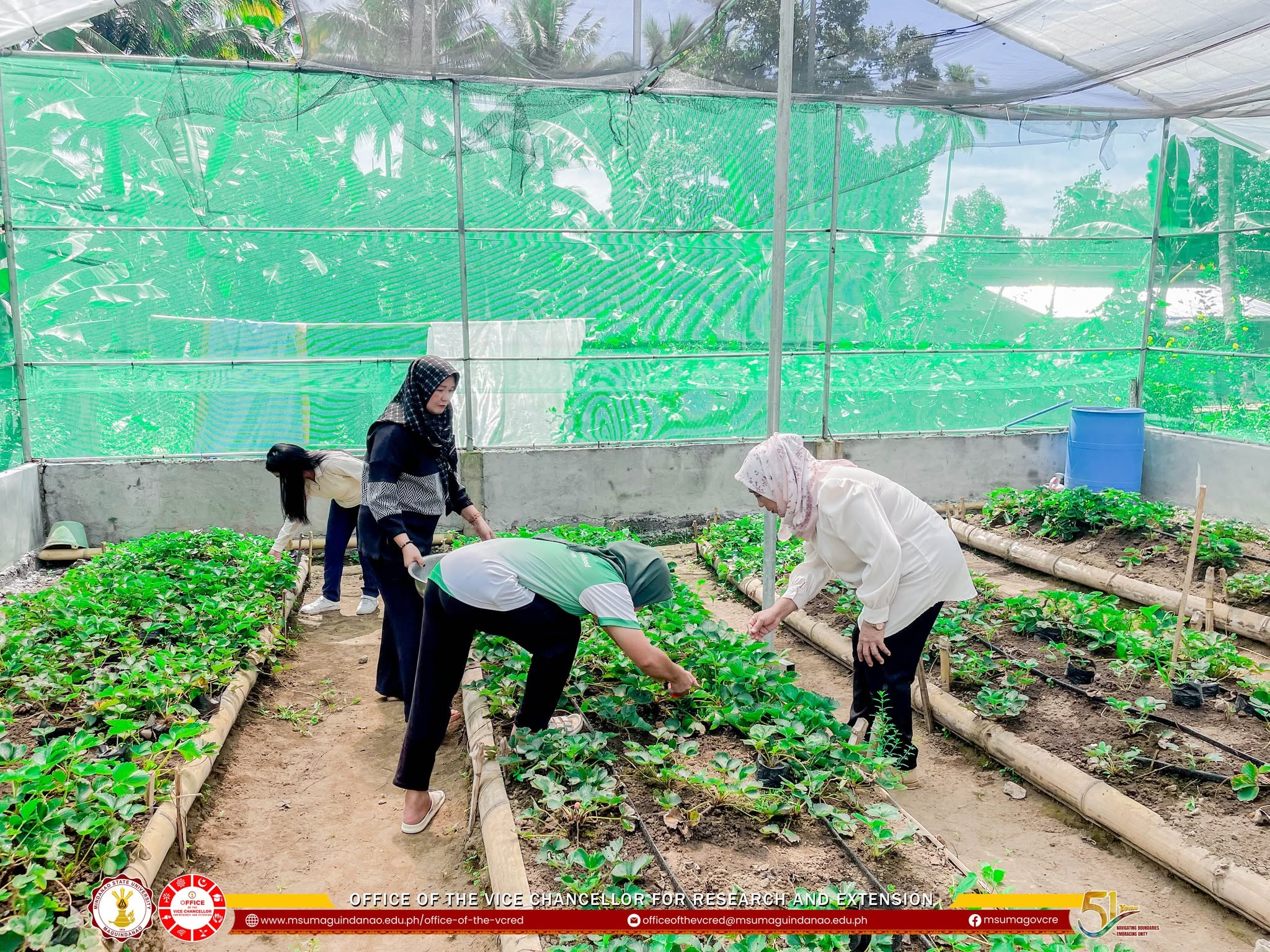
Partner-farmers tend strawberry plants inside a net-covered greenhouse fitted with drip irrigation. The project built this facility so participants can practice climate-smart crop production
By connecting farming, food processing, and cooperative enterprise, the project expands participants’ options for producing household food and developing sources of income within their communities.
As the project moves into its scaling phase, continued technical assistance and production monitoring will support the cooperatives in strengthening operations, expanding facilities, and reaching wider markets.