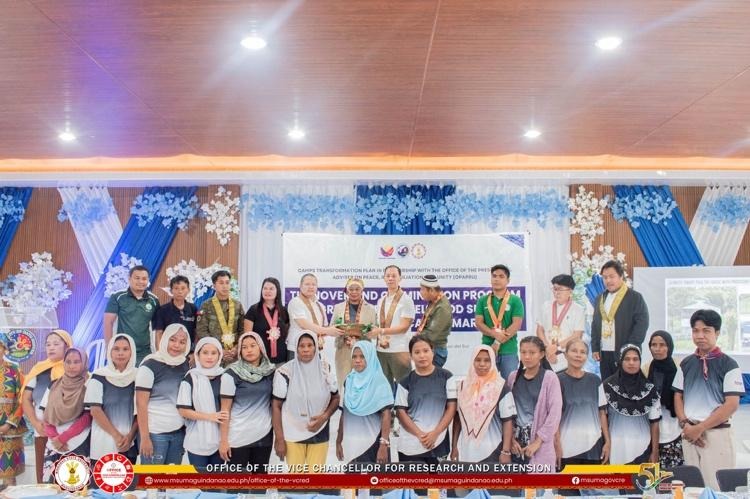
Mindanao State University–Maguindanao, through its College of Agriculture and College of Engineering and Computing Sciences, partnered with the Food and Agriculture Organization of the United Nations (FAO) and the Ministry of Agriculture, Fisheries and Agrarian Reform (MAFAR) to conduct a five-day Farmers’ Training on Halal Livestock Production from October 2–6, 2025. Implemented under the TCP/PHI/3903 Project on the Development of Halal Agricultural Production Systems in Mindanao, Phase II, the initiative equipped farmers and agricultural practitioners with practical knowledge to improve livestock management and strengthen livelihood opportunities.
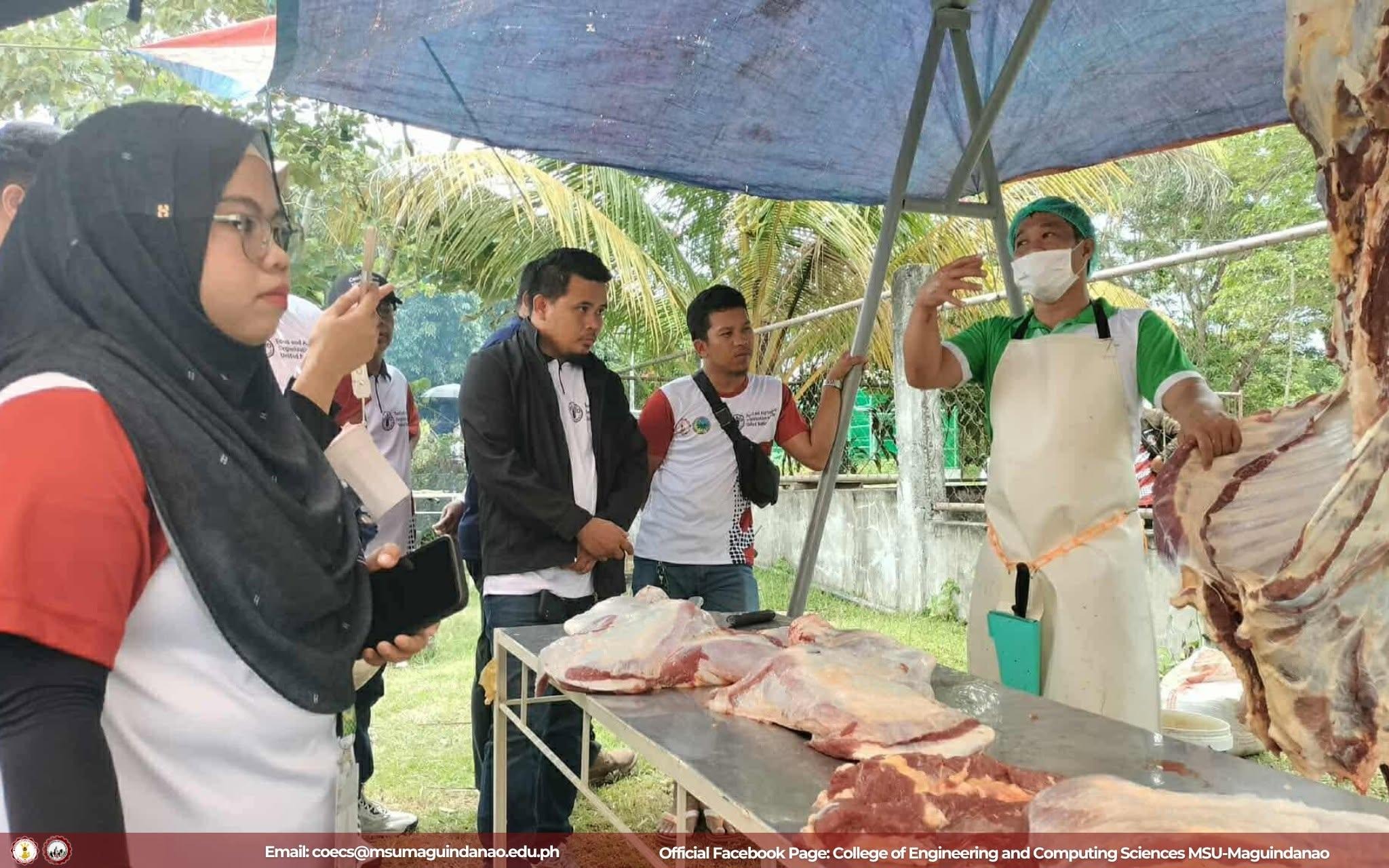
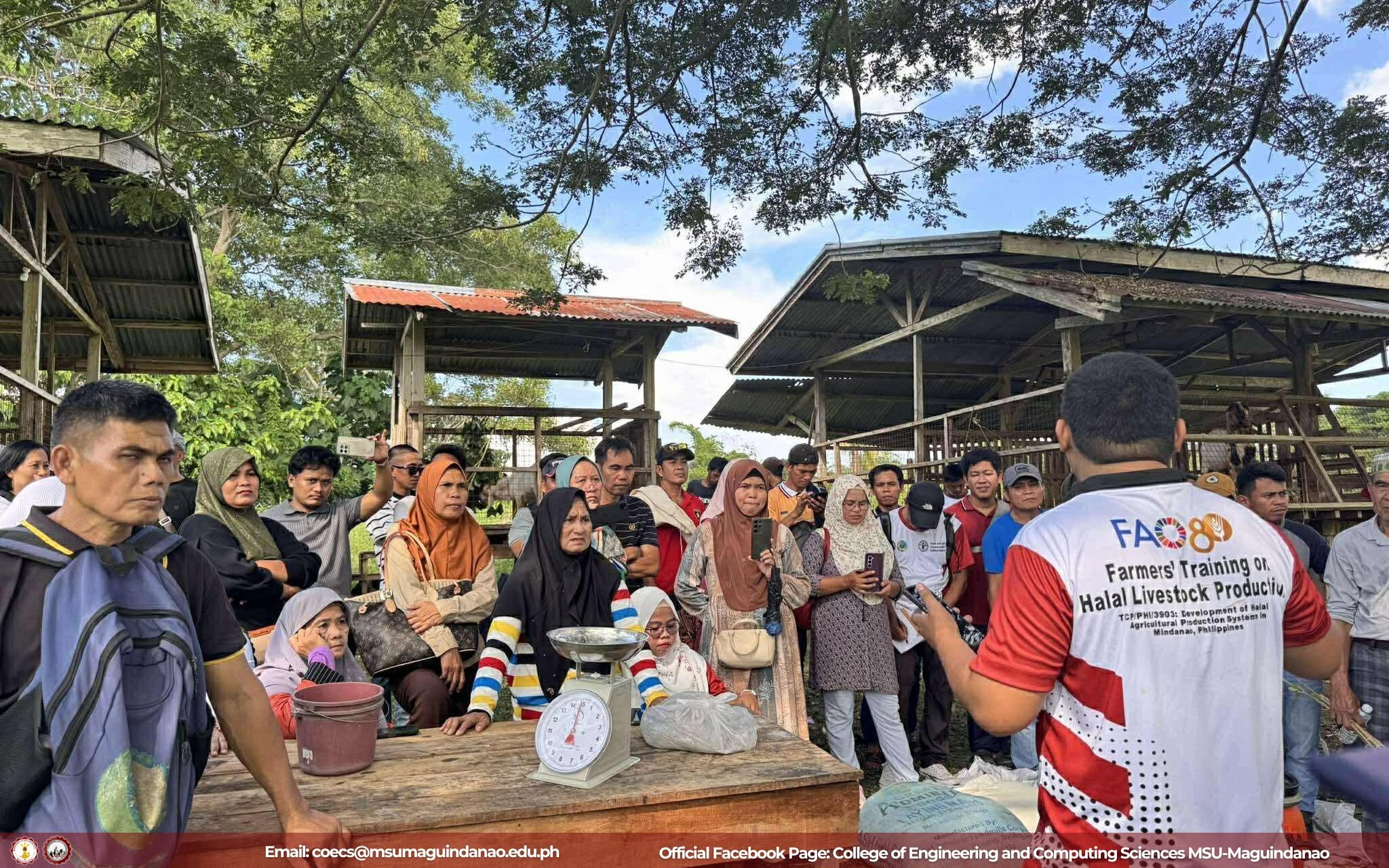
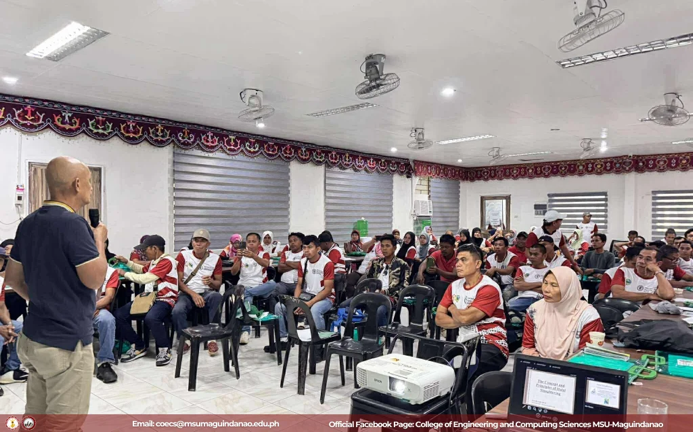
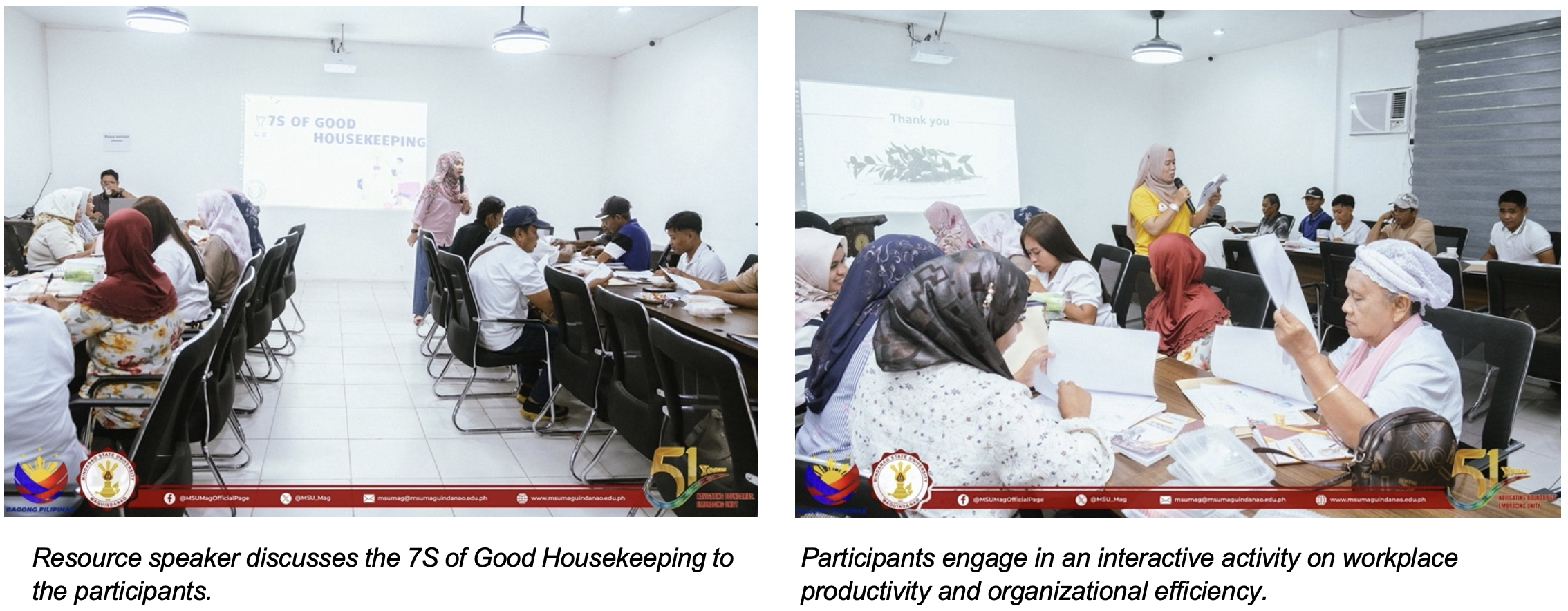
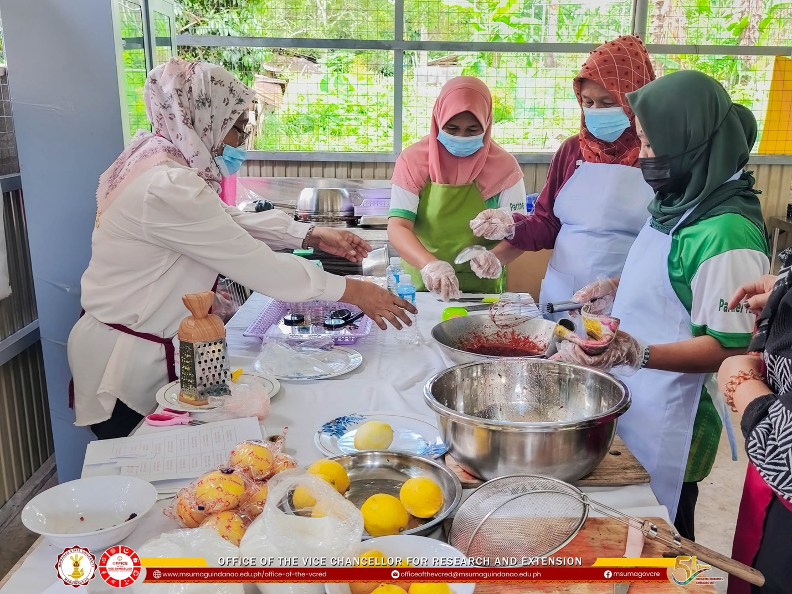
Farmers and agricultural practitioners participating in the five-day Farmers’ Training on Halal Livestock Production, October 2–6, 2025.
The training featured lectures, demonstrations, and hands-on activities on Halal slaughtering of cattle and goats, allowing participants to apply the full cycle of halal livestock production practices. In her closing message, Dr. Raquel S. Arenas, Vice Chancellor for Research and Extension, emphasized that this initiative is more than a technical training; it is part of a larger mission to empower local farmers, elevate livestock quality, and enhance Mindanao’s reputation as a center for authentic and ethical halal food production.
Resource persons from MSU–Maguindanao and MAFAR included Dr. Manan E. Undong, Asst. Prof. Shiela Mae A. Dionaldo, Asst. Prof. Taskier S. Musa, Dr. Saidona A. Lawan, Sr. Agri. Norhid O. Wahab, Dr. Bai Zharinah M. Mangindra, Sr. Agri. Saban B. Belongan, and Dr. Norodin A. Kuit, among others. During the closing program, Vice Chancellor for Research and Extension Dr. Raquel S. Arenas highlighted the importance of empowering farmers, improving livestock quality, and strengthening Mindanao’s potential in ethical halal food production.
The training strengthened farmers’ competencies in animal health, feeding, biosecurity, and sustainable livestock management. These skills can help farmers use local resources more efficiently, reduce preventable livestock losses, and explore livelihood opportunities in the halal agricultural sector. Participating farmers and agricultural practitioners were the direct beneficiaries, while their households and rural communities may benefit from more resilient livelihoods and improved food availability.
By equipping farmers with practical production skills, the initiative lays the groundwork for more sustainable livestock enterprises, diversified livelihood opportunities, and stronger rural economic resilience across Mindanao.