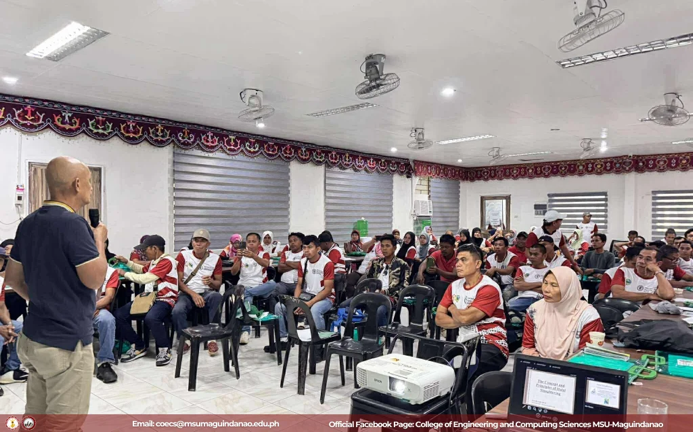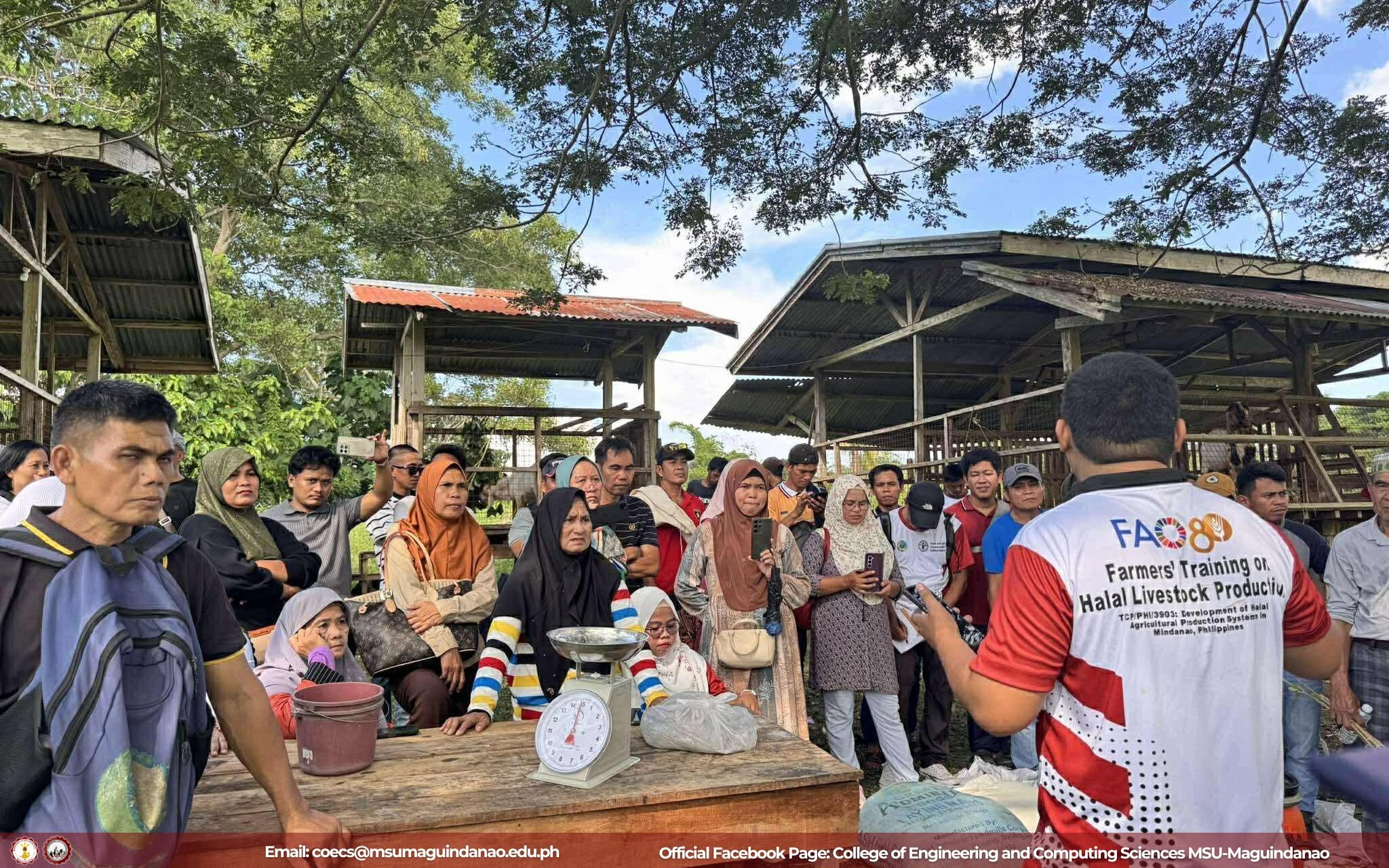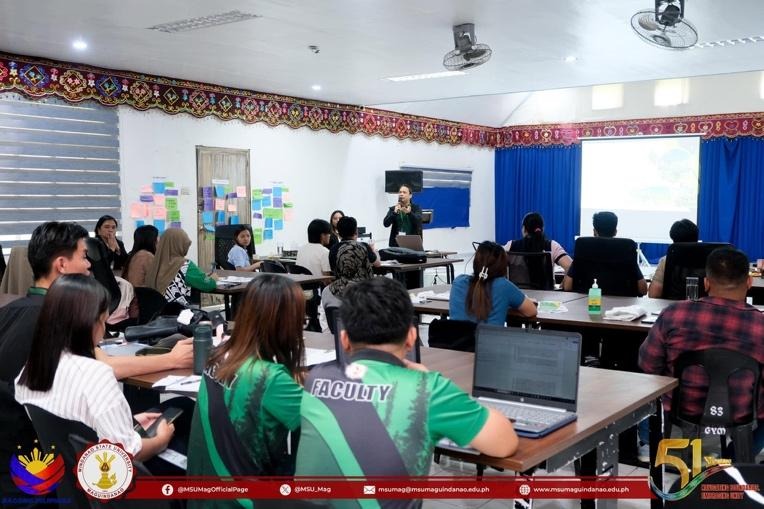
Mindanao State University–Maguindanao (MSU-Maguindanao), in partnership with the Food and Agriculture Organization of the United Nations (UN-FAO) and the Ministry of Agriculture, Fisheries and Agrarian Reform (MAFAR), formally launched the Conduct of Halal Livestock Farmer Field School and Management of Halal Livestock Demonstration Farm for Goat and Cattle on July 28, 2025, at the University campus. The initiative aims to strengthen the technical capacity of local farmers and agricultural technicians in Halal-compliant livestock production, animal welfare, biosecurity, and sustainable farm management. Through international and government collaboration, the program supports community-based agricultural development and promotes responsible livestock-raising practices in the Bangsamoro Autonomous Region in Muslim Mindanao (BARMM).
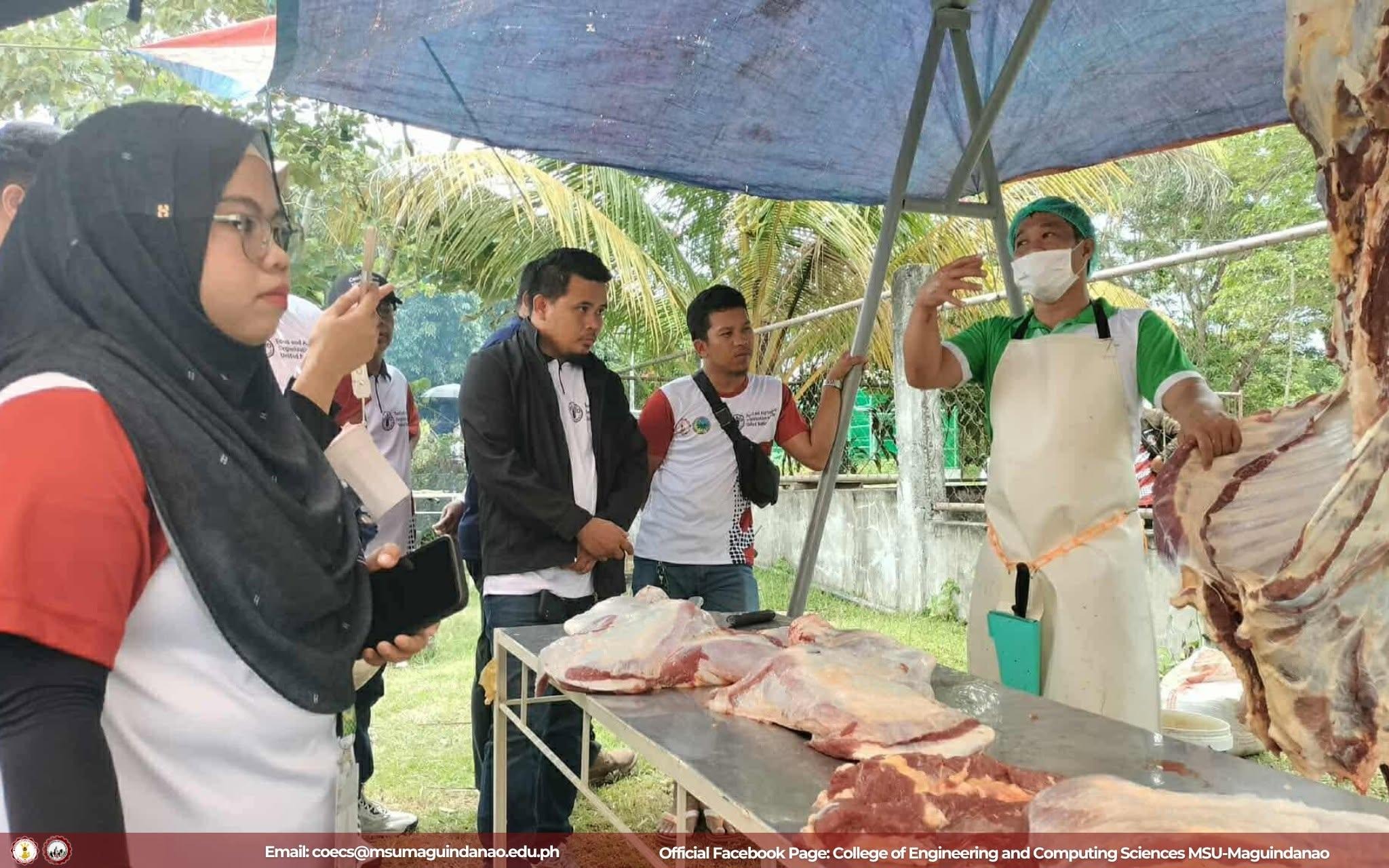
The orientation benefited 100 farmers and agricultural technicians from Maguindanao del Norte and Maguindanao del Sur through practical learning on Halal-compliant livestock handling, animal welfare, disease prevention, biosecurity, and sustainable goat and cattle production. The field visit to livestock housing and demonstration facilities enabled participants to observe proper animal husbandry and farm management practices. Implemented in partnership with UN-FAO and MAFAR, the activity strengthened participants’ knowledge and skills to improve livestock health, reduce disease risks, and adopt environmentally responsible farming practices. Beyond the direct participants, the initiative is expected to benefit local agricultural communities through the wider adoption of improved livestock management techniques, promoting responsible use of land and agricultural resources and supporting the long-term sustainability of livestock-based livelihoods in Maguindanao.
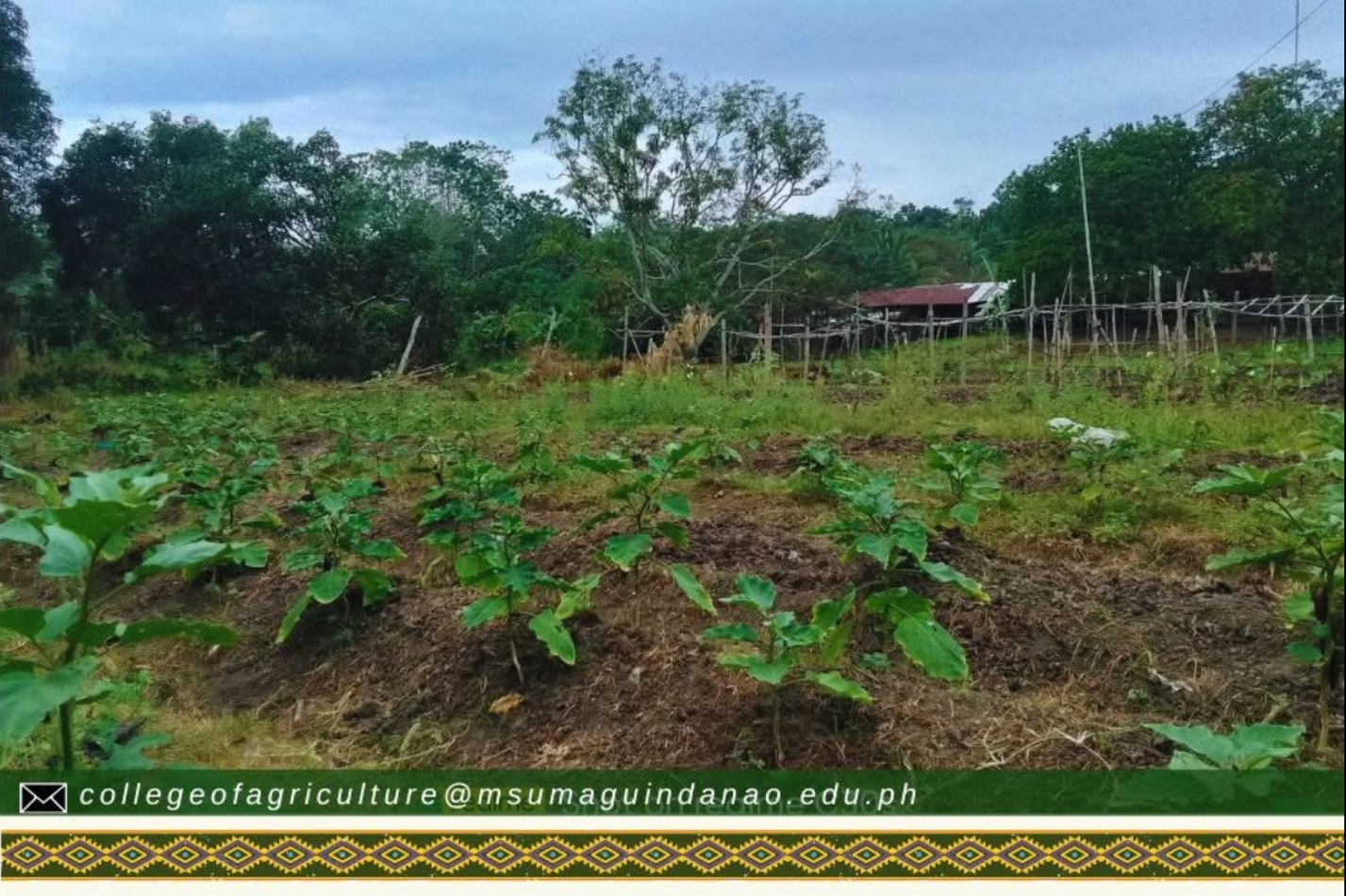
The initiative promotes sustainable management of land-based agricultural systems and responsible livestock production practices that help protect soil, pasture, and surrounding terrestrial ecosystems. Through farmer education on pasture management, livestock housing, animal waste management, and biosecurity, the program encourages responsible land use, minimizes environmental pressures associated with poorly managed livestock production, and supports the conservation of terrestrial resources. These practices contribute to healthier ecosystems and the long-term sustainability of livestock-based agricultural livelihoods in Maguindanao.
MSU-Maguindanao will continue to strengthen its partnerships with agricultural agencies and development institutions, expand field-based extension opportunities, and promote the adoption of sustainable livestock management practices among local farming communities. Through these efforts, the University seeks to contribute to more resilient agricultural systems, healthier terrestrial environments, and sustainable rural development across BARMM.