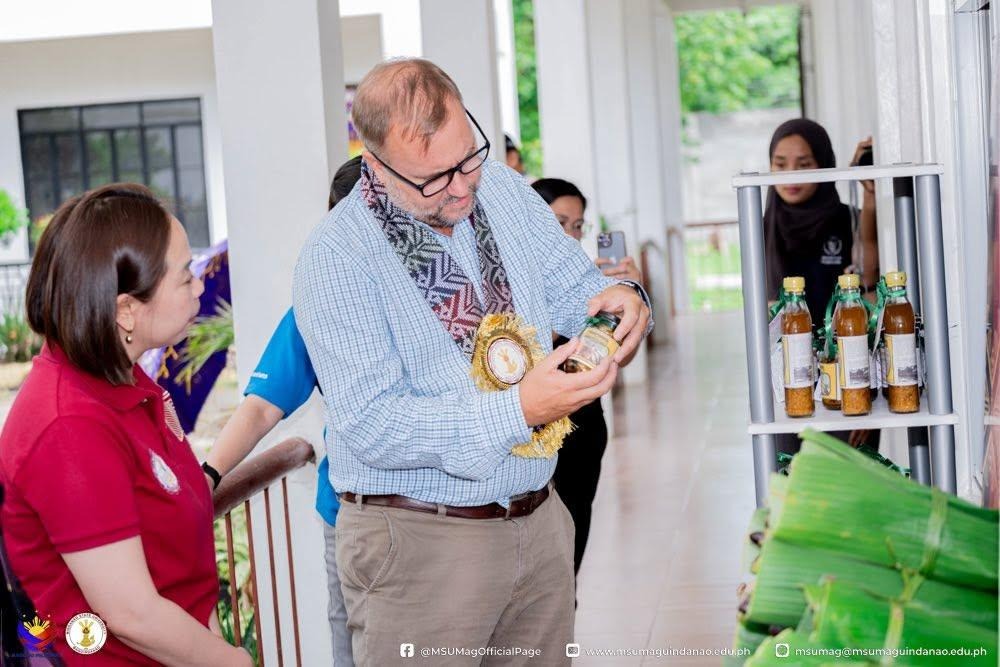
The Mindanao State University–Maguindanao (MSU–Maguindanao) and the United Nations World Food Programme (WFP) formalized a partnership to strengthen food security, improve local livelihoods, and build climate-resilient communities across the Bangsamoro Autonomous Region in Muslim Mindanao (BARMM).
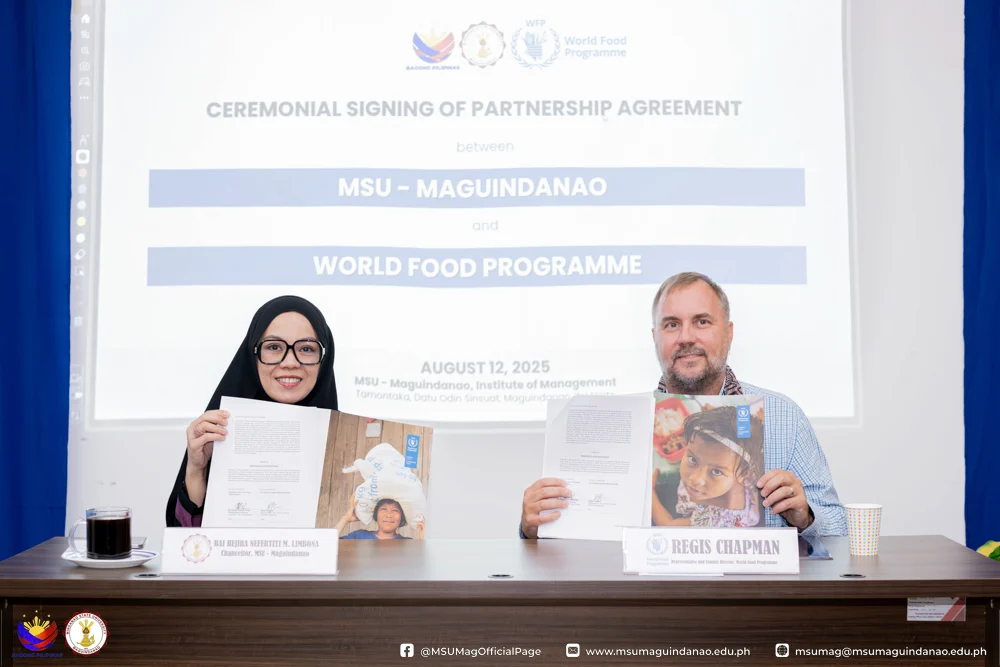
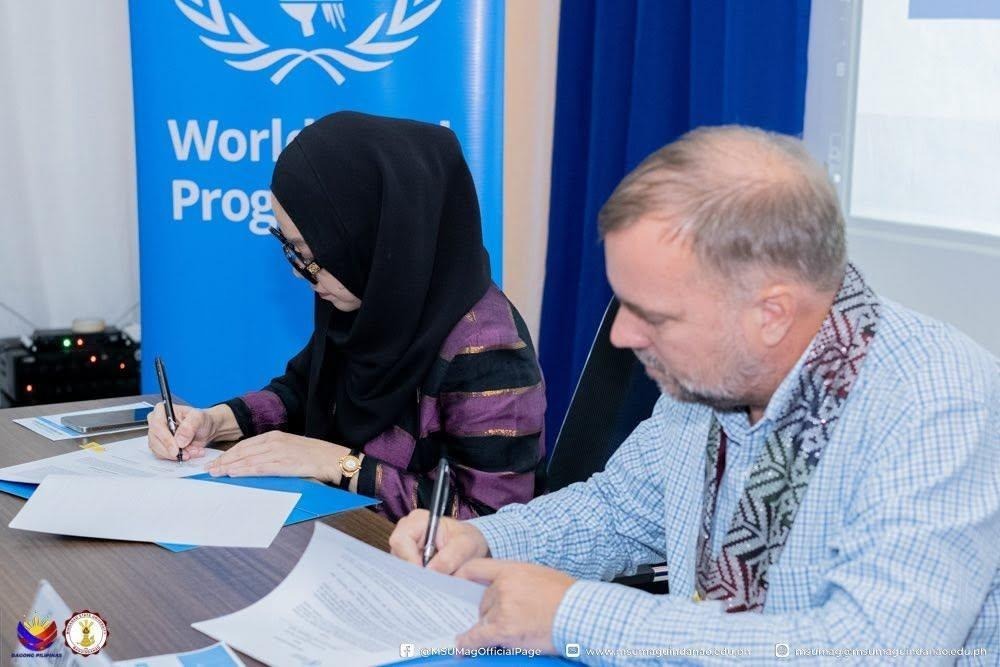
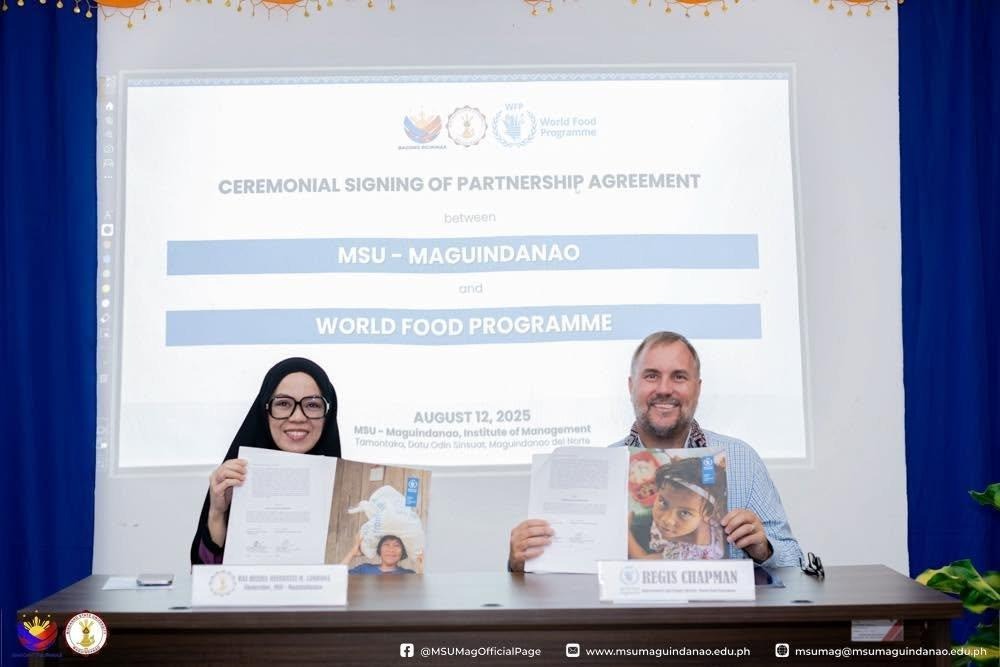
The Memorandum of Agreement (MOA), signed at the MSU–Maguindanao Institute of Management by Chancellor Bai Hejira Nefertiti M. Limbona and WFP Representative and Country Director Regis Chapman, brings together the University’s research and academic expertise with WFP’s international experience in addressing hunger, nutrition, and climate-related challenges.
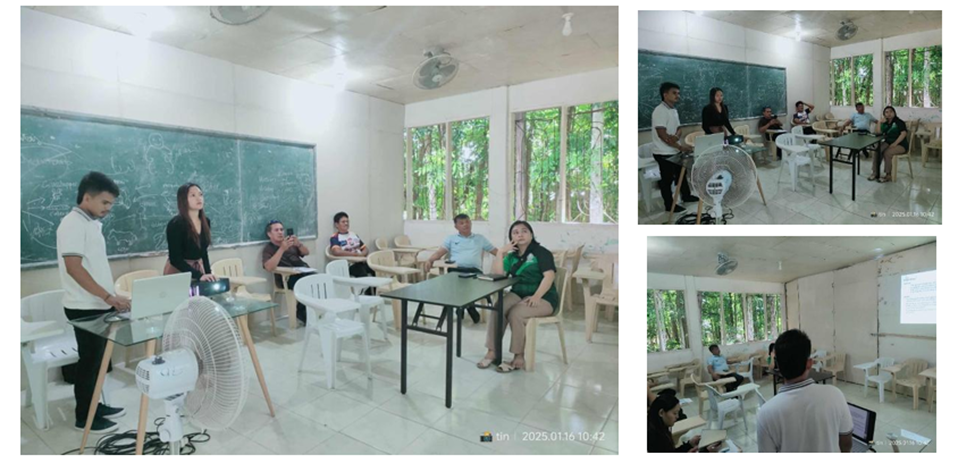
Under their 2025–2027 cooperation work plan, the partners will support smallholder farmers through climate-smart agriculture training, promote food security and nutrition education, develop Local Climate Change Adaptation Plans (LCCAPs) in priority barangays, and strengthen watershed management, post-harvest loss reduction, agricultural value addition, and cooperatives. These initiatives build on earlier community-based planning activities that identified livelihood challenges and environmental pressures in Maguindanao del Sur and Maguindanao del Norte.
The partnership recognizes that sustainable communities depend on reliable food supplies, resilient livelihoods, responsible natural resource management, and effective preparation for environmental risks. Its intended beneficiaries include smallholder farmers, agricultural cooperatives, rural households, and vulnerable communities whose livelihoods are affected by food insecurity and climate change.
These efforts support the broader goals of Sustainable Development Goal 11 (SDG 11): Sustainable Cities and Communities, particularly strengthening resilience to disasters and reducing the environmental pressures that threaten communities. By equipping local communities with practical knowledge, improving agricultural practices, and supporting climate adaptation planning, the collaboration can help create safer, more inclusive, and more sustainable settlements.
Chancellor Limbona emphasized the University's commitment to developing research-based solutions that respond to the needs of the Bangsamoro people, particularly vulnerable and underserved communities. WFP Representative and Country Director Regis Chapman likewise highlighted the value of combining global expertise with local knowledge to address hunger and strengthen community resilience.
Through this partnership, MSU–Maguindanao and WFP aim to deliver lasting benefits by strengthening local capacities, supporting sustainable livelihoods, and helping communities prepare for future environmental challenges. The collaboration reinforces the University's role in advancing research, extension, and inclusive development toward a more resilient and sustainable BARMM.