Mindanao State University–Maguindanao conducted the Halal Livestock Farmer Field School and Sustainable Halal Livestock Production Capacity-Building Program for Goat and Cattle to promote sustainable and Halal-compliant livestock production in the Bangsamoro Autonomous Region in Muslim Mindanao (BARMM).
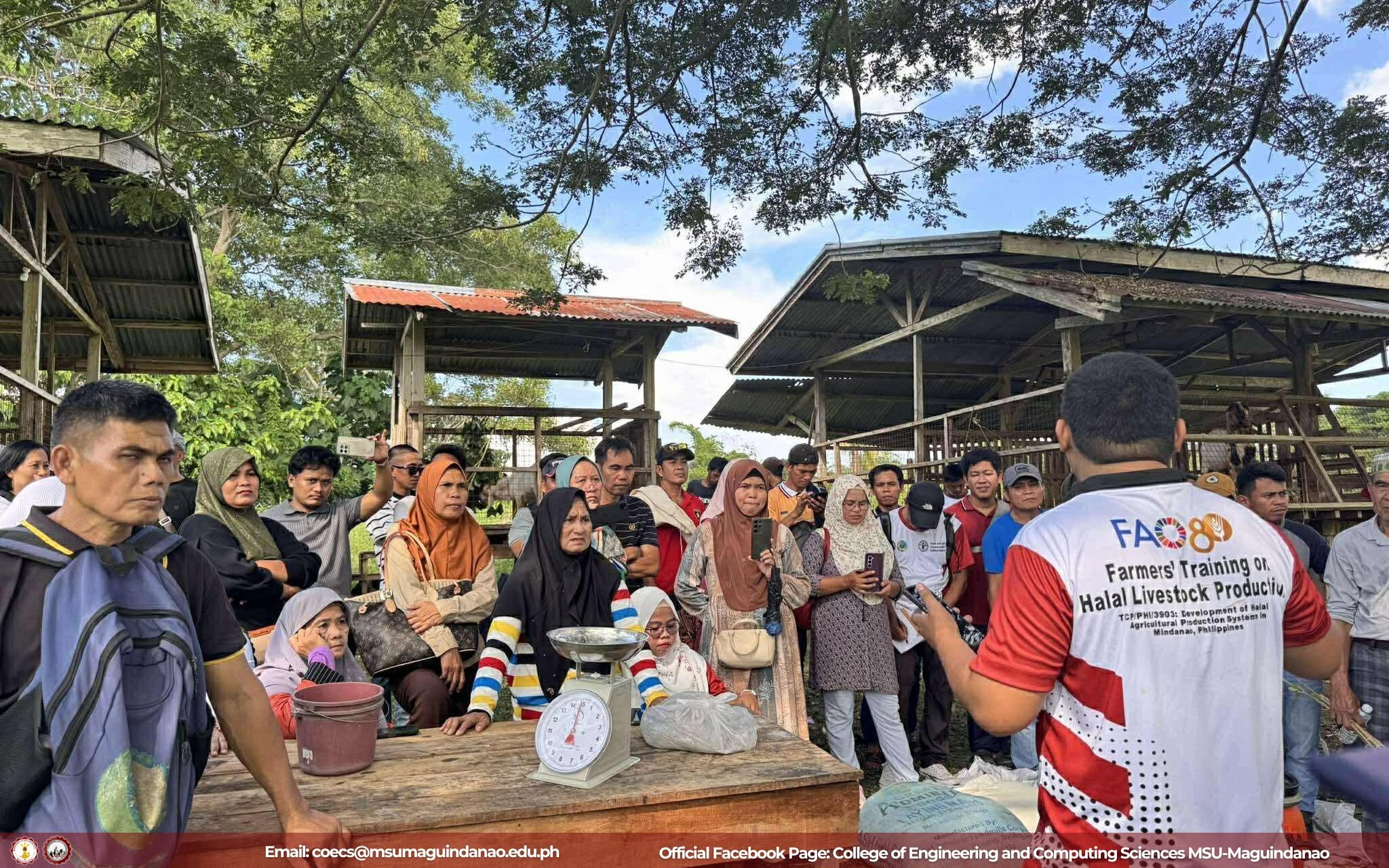
The program was carried out through the College of Agriculture and the College of Engineering and Computing Sciences, in collaboration with the Food and Agriculture Organization of the United Nations (FAO) and the Ministry of Agriculture, Fisheries, and Agrarian Reform (MAFAR), under efforts to develop Halal agricultural production systems in Mindanao. The October training formed part of Project TCP/PHI/3903, Development of Halal Agricultural Production Systems in Mindanao, Phase II.
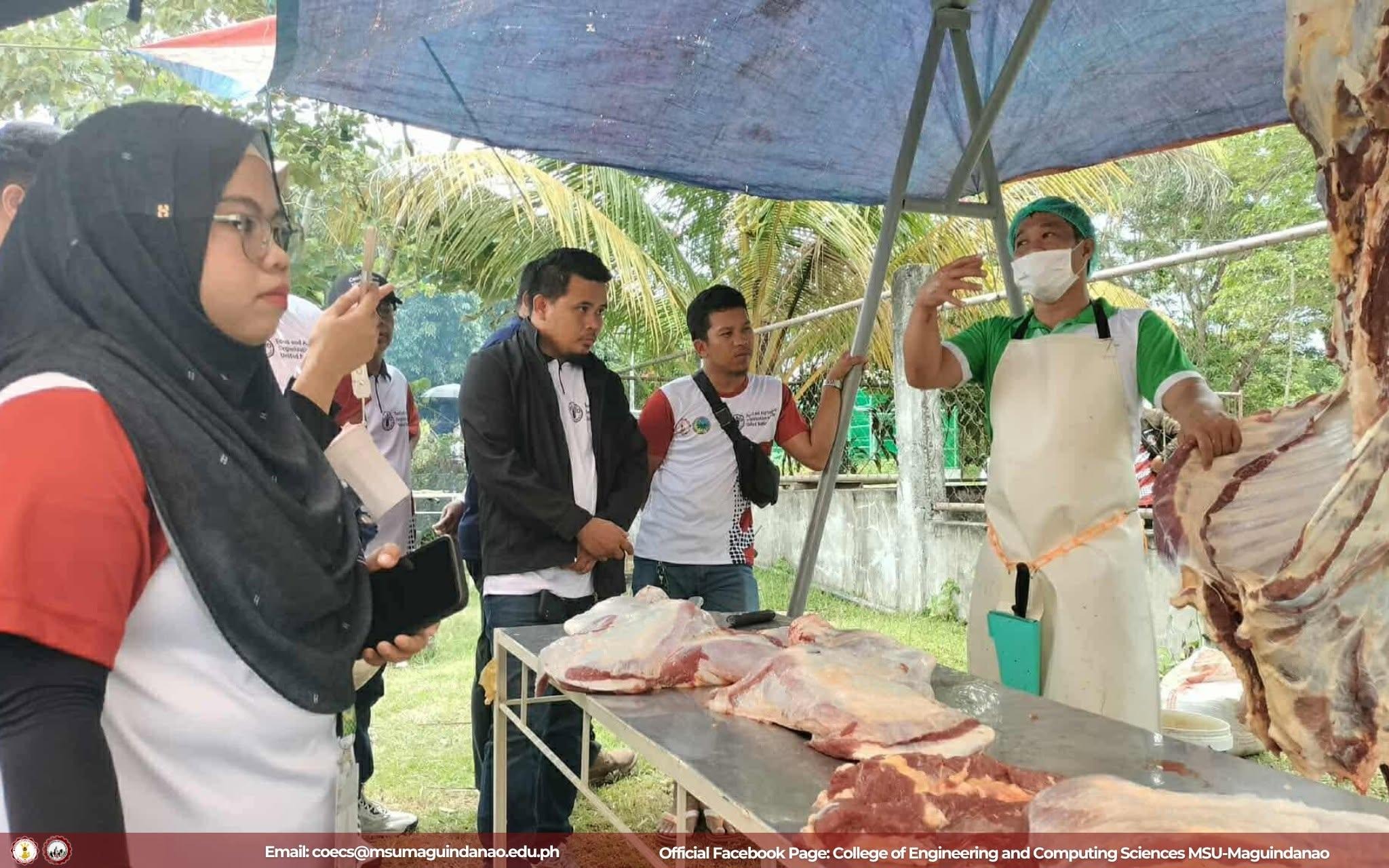
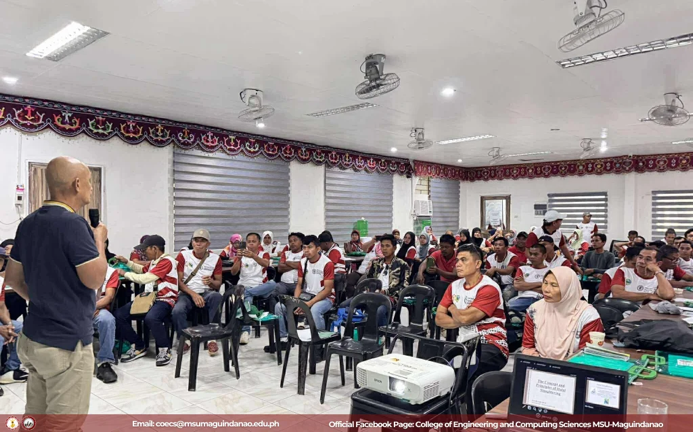
On July 28, the University held the orientation in its Audio-Visual Room, followed by a field exposure at its livestock facilities. It gathered 100 farmers and agricultural technicians from Maguindanao del Norte and Maguindanao del Sur for sessions on Halal principles, animal welfare, biosecurity, and sustainable livestock management. The five-day training expanded learning through lectures, demonstrations, and hands-on activities covering herd management, nutrition and feeding, reproductive management, disease prevention, silage production, feed formulation using locally available ingredients, salt-lick production, and Halal slaughtering of cattle and goats.
The primary beneficiaries were livestock farmers and agricultural technicians, while livestock-producing households, rural communities, and agricultural extension personnel may benefit from the subsequent application and dissemination of the knowledge acquired.
The program contributes to Sustainable Development Goal 12 (SDG 12): Responsible Consumption and Production by promoting the sustainable management and efficient use of agricultural resources and providing farmers and agricultural technicians with relevant information and awareness of sustainable production practices.
Moving forward, MSU–Maguindanao aims to continue farmer training, extension services, and partnerships to encourage the adoption of sustainable and Halal-compliant livestock practices in BARMM. Monitoring will be needed to determine the program's longer-term effects on resource use, farming practices, productivity, and income.