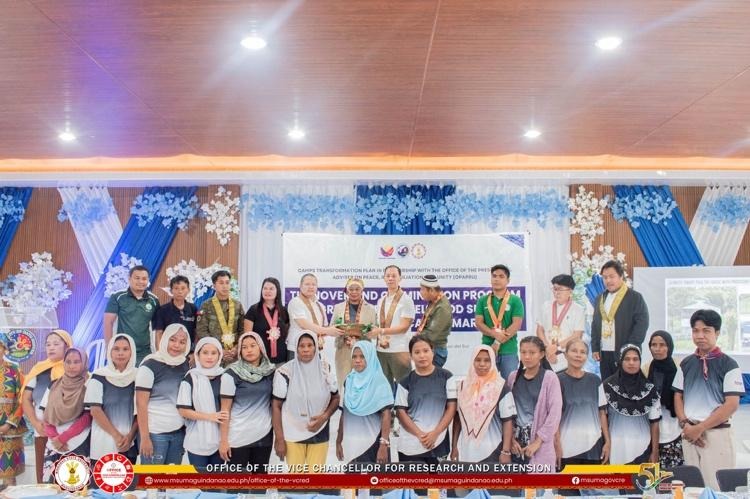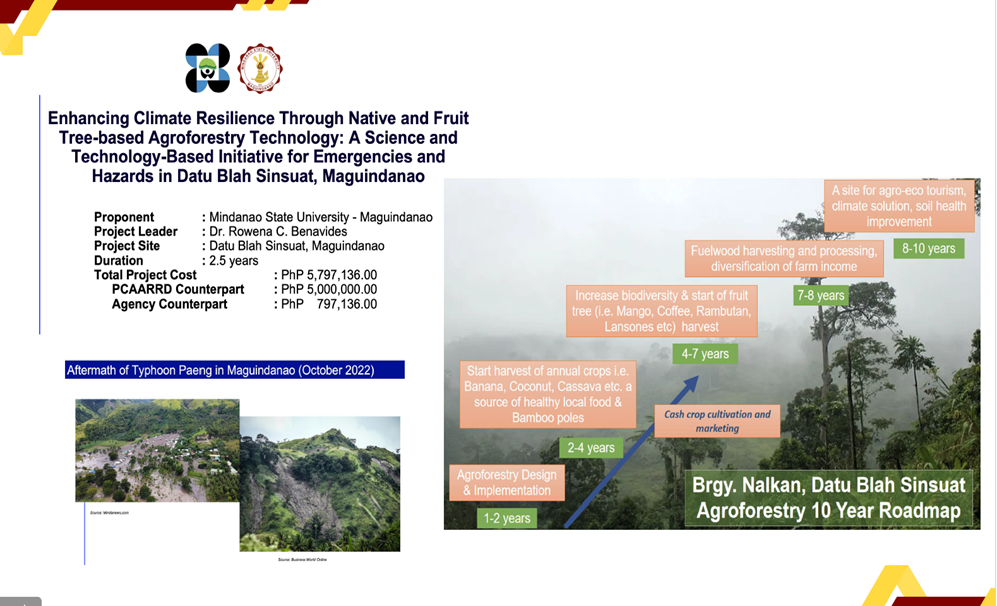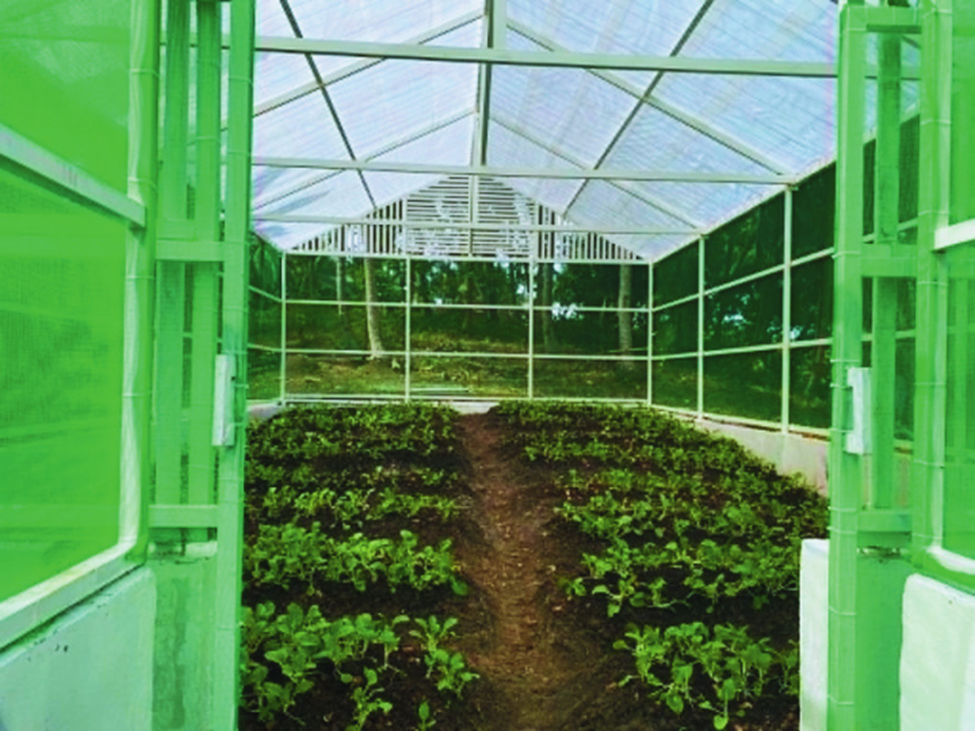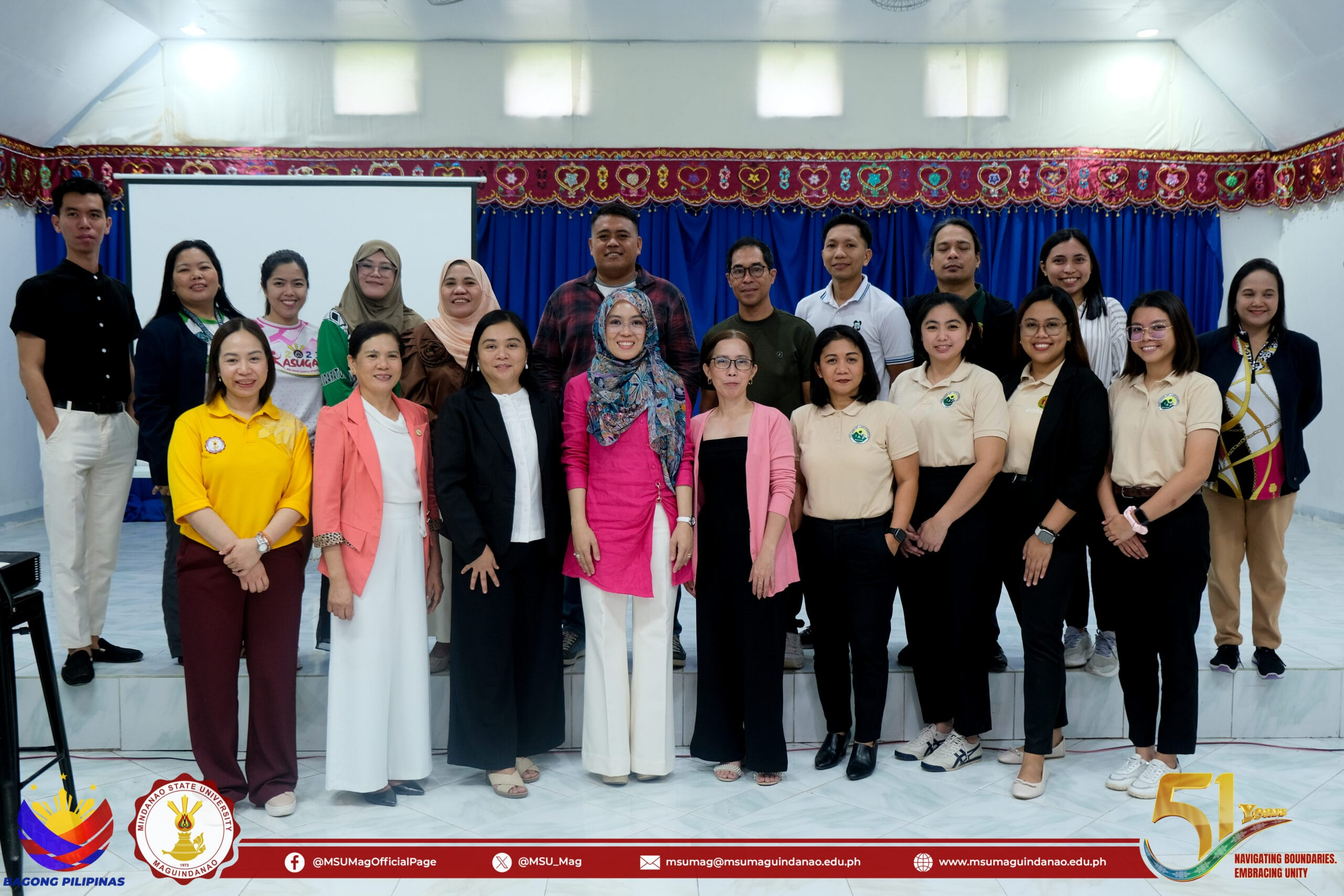
The Mindanao State University–Maguindanao implemented the Development of Science and Technology-Based and Climate-Smart Mixed Farming System in Camp Badre from July 2024 to August 2025 in partnership with OPAPRU, JTFCT, and the LGU of Datu Odin Sinsuat. The program reached 695 beneficiaries in Barangays Sibuto, Bugawas, Sifaran, and Kinebeka. The project established a fully solar-powered food processing facility and introduced a solar-powered egg incubator for poultry production. These technologies demonstrate how renewable energy can support food processing and agricultural activities while reducing dependence on conventional electricity.
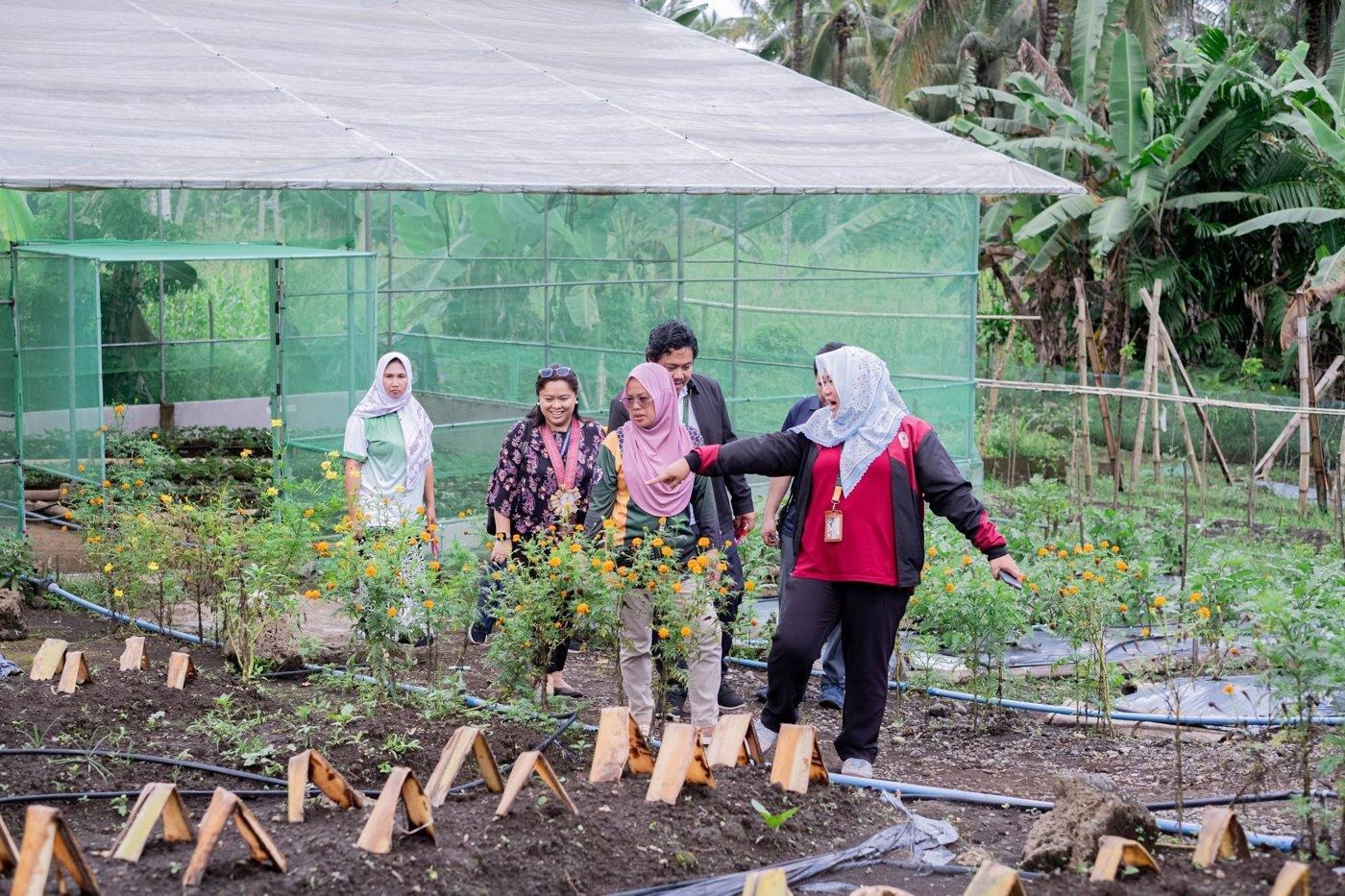
The project aimed to improve food security, strengthen livelihoods, and help communities adapt to climate change through an integrated farming system. It introduced vegetable production, fish farming, poultry and goat raising, and food processing.
Moreover, organized women's groups participated in livelihood activities, food processing, and community development. The project provided opportunities to develop skills, diversify income sources, and strengthen women's participation in local economic activities.
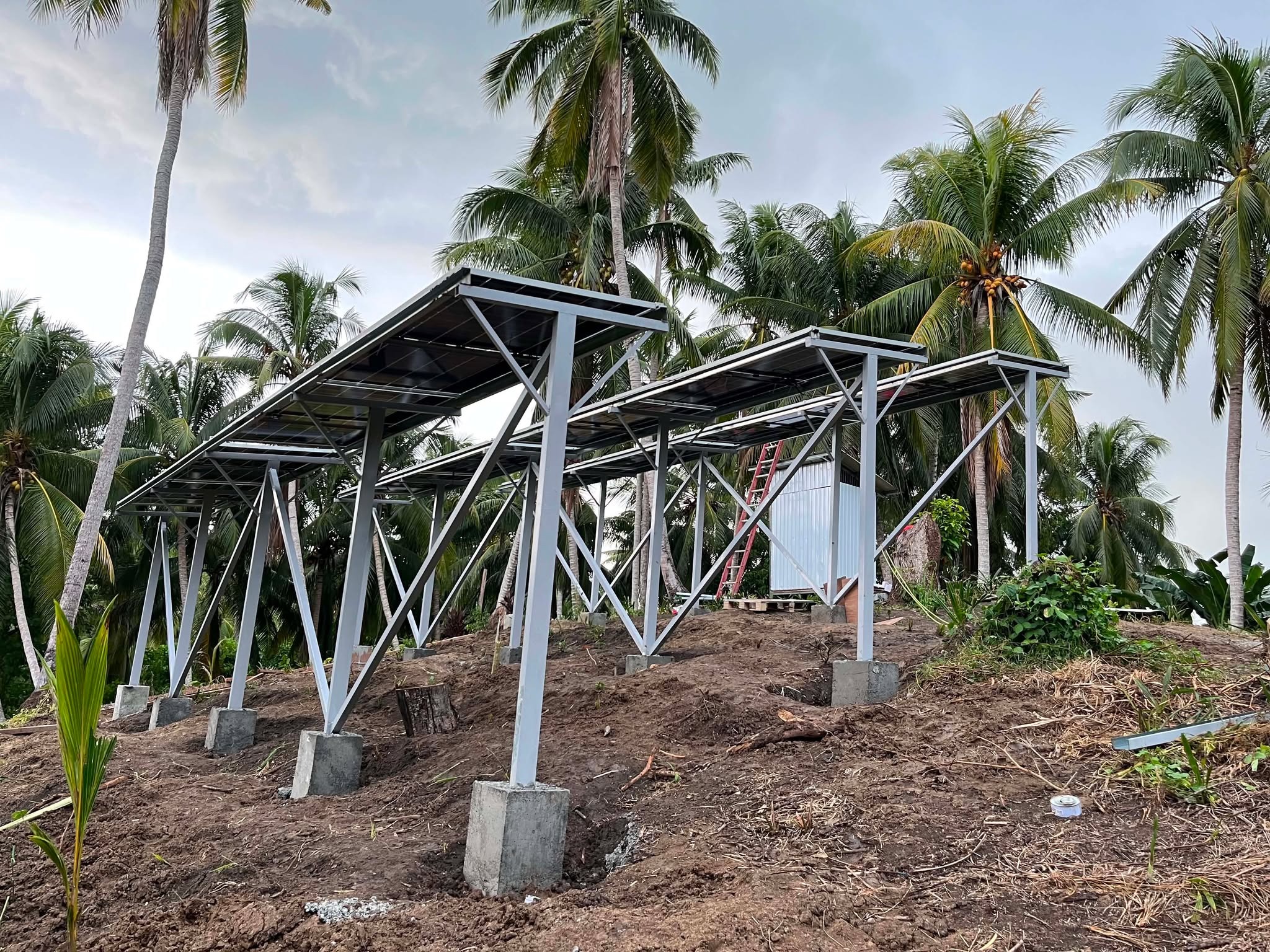
Construction of the solar-powered facility to support sustainable food processing and climate-smart farming in Camp Badre.
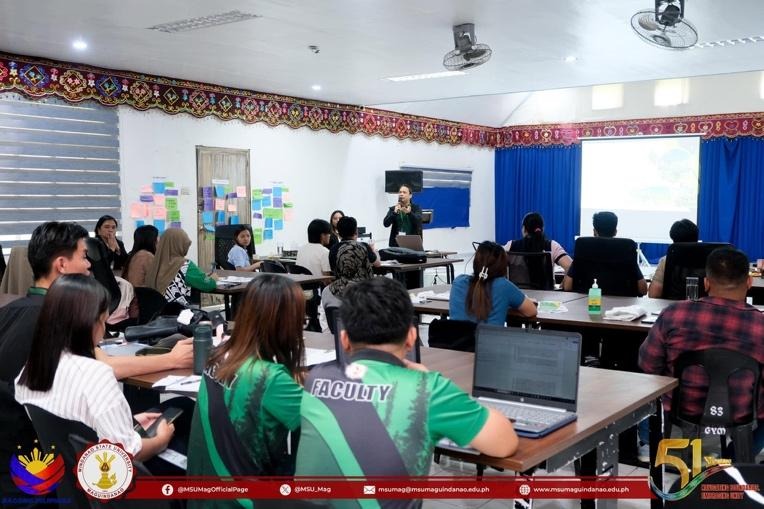
Remarkably, the project contributes to SDG 7 (Affordable and Clean Energy) by using solar power for food processing and poultry production. Through partnerships with government agencies and local communities, MSU–Maguindanao applied its research, technology, and extension expertise to address community needs. The initiative also provided opportunities for faculty, researchers, and students to gain practical experience in sustainable agriculture and community development.
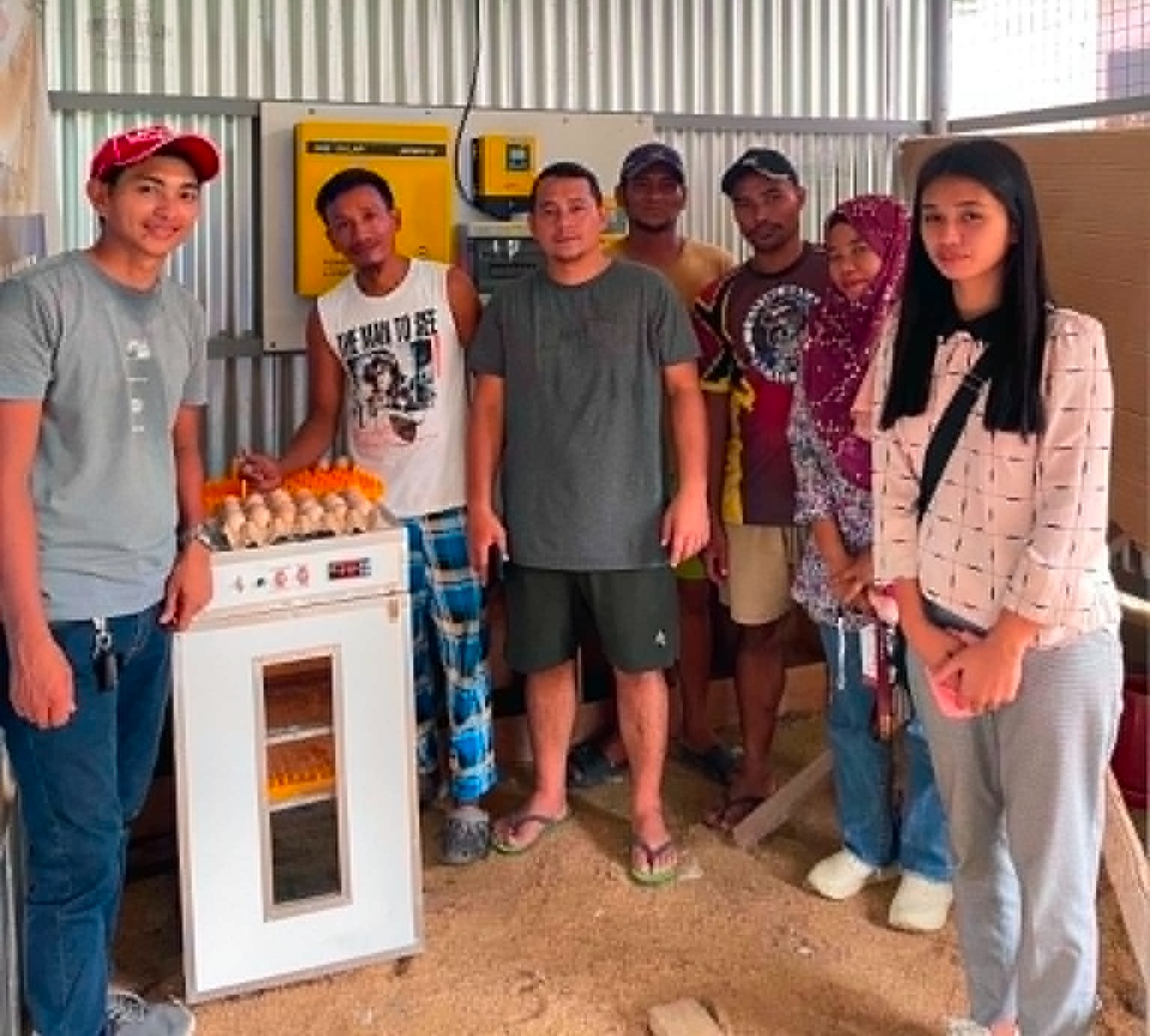
Solar-powered incubator for egg hatching in Camp Badre.
Overall, the project demonstrates MSU–Maguindanao's commitment to sustainable development by combining climate-smart agriculture, renewable energy, livelihood development, and community partnerships to support inclusive growth and resilience in the Bangsamoro region.