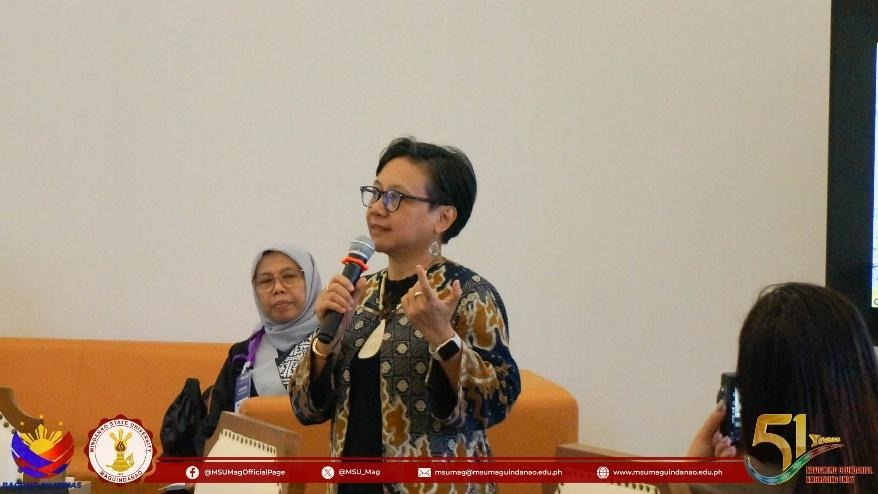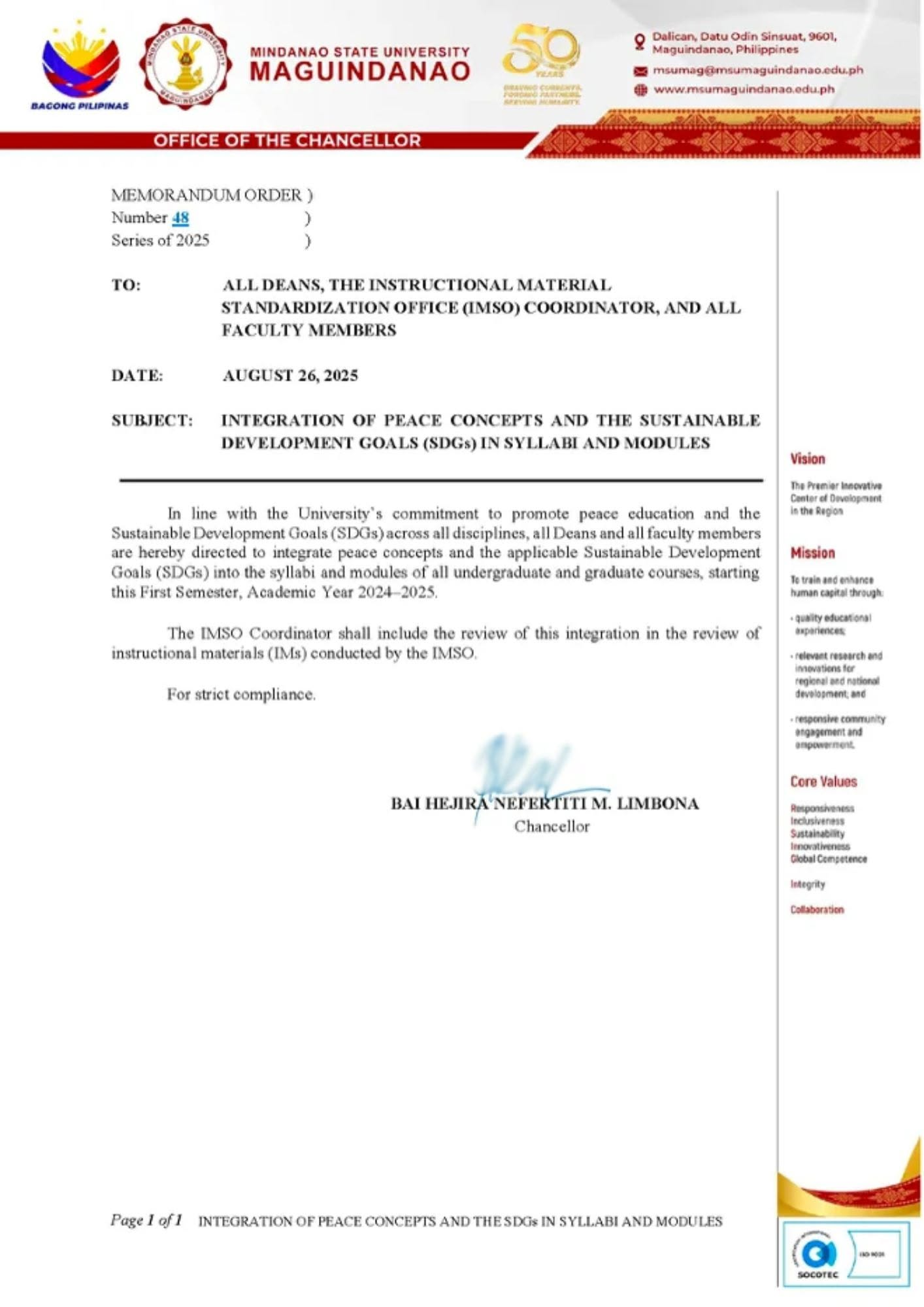
A team of 13 researchers from Mindanao State University–Maguindanao, led by Almira Menson, published a comparative study of communication norms in Islamic and secular settings in the Multidisciplinary Science Journal on August 24, 2025.
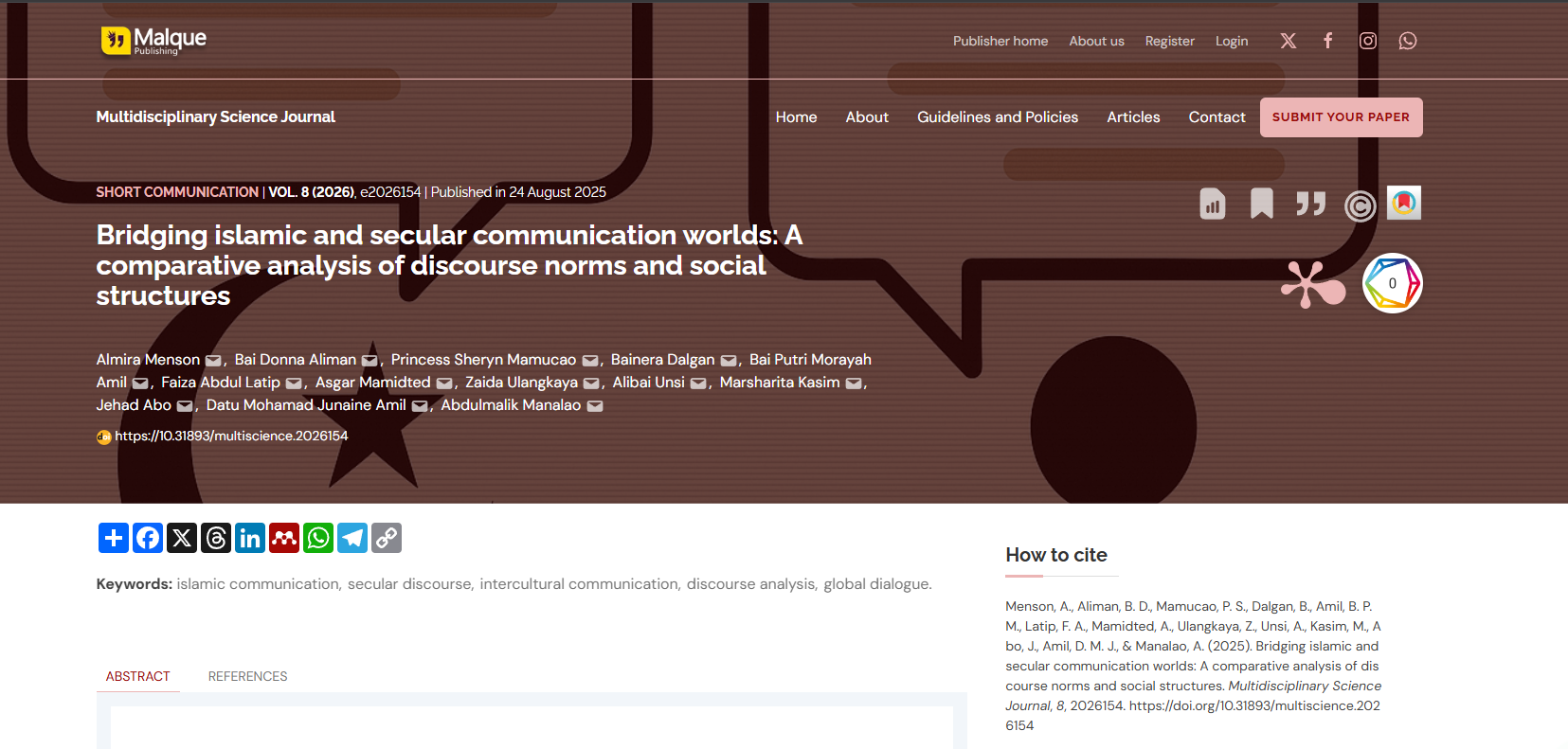
Drawing on Intercultural Communication Theory, Discourse Analysis, and Hofstede’s Cultural Dimensions Theory, the team analyzed religious sermons, political speeches, and academic discussions, and interviewed 30 participants from diverse cultural and educational backgrounds.
Islamic communication in the contexts studied emphasizes indirectness, collectivism, and respect for authority, while secular communication favors directness, individualism, and egalitarianism. These differences shape teaching, workplace interaction, and diplomacy, and the researchers propose strategies for culturally responsive communication in education and institutional policymaking.
By building the intercultural understanding on which international cooperation depends, the study supports global partnerships for sustainable development, education that promotes appreciation of cultural diversity, and a culture of peace and dialogue. The researchers credit the academic partnerships fostered by the University’s International Affairs Office for inspiring the study’s cross-cultural focus.