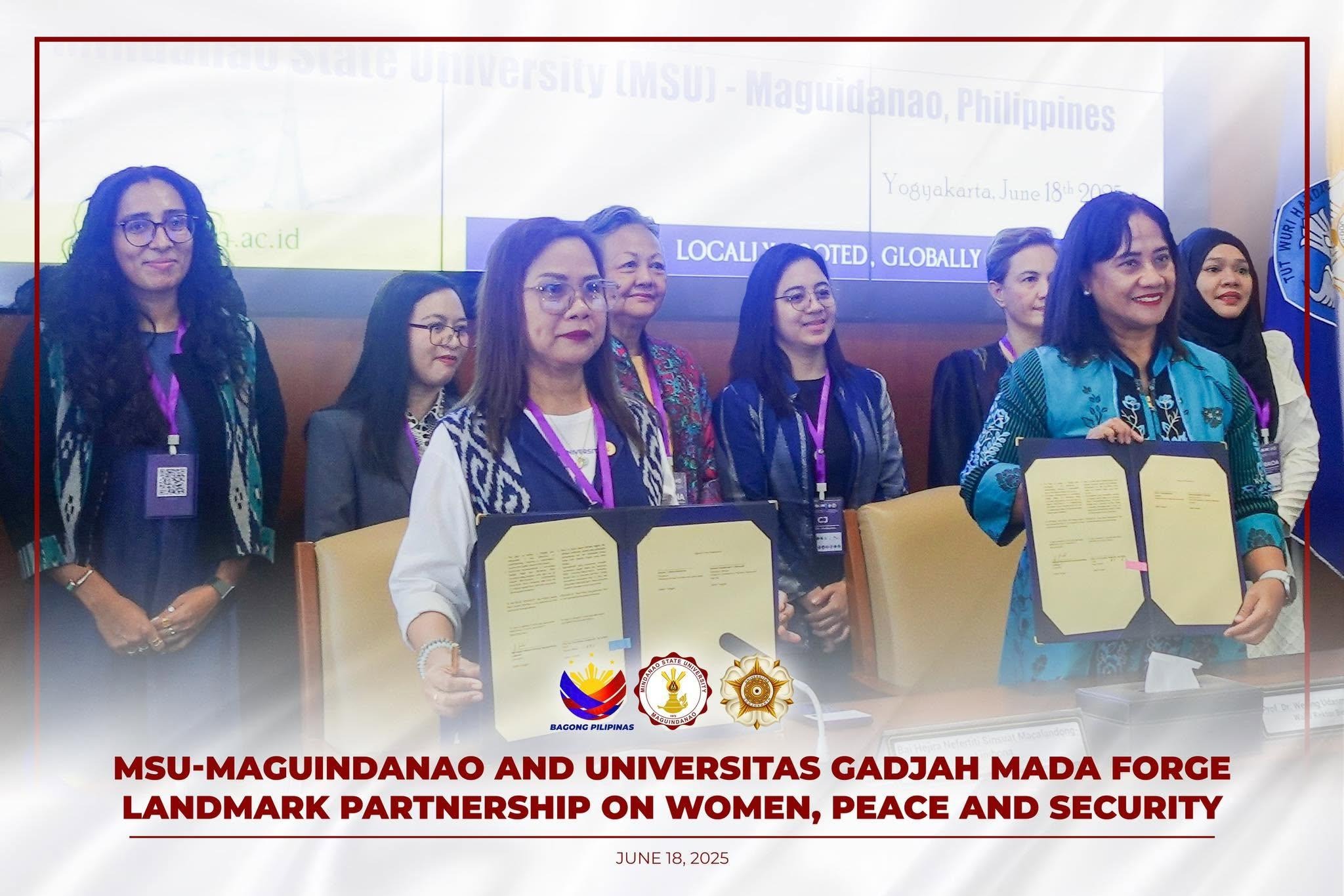
YOGYAKARTA, Indonesia — Faculty members and students of the Diploma in Women, Peace, and Security (DWPS) of Mindanao State University–Maguindanao (MSU–Maguindanao) participated in a learning session at Universitas Gadjah Mada (UGM) on June 18, 2025. The session brought together Indonesian peace and gender scholars to examine women’s participation in peace and security, gender-based violence prevention, and approaches that can be adapted to the Bangsamoro context.
The session featured Prof. Hamid Awaluddin, former Indonesian Minister of Law and Human Rights and chief negotiator of the Aceh Peace Process; Dr. Sri Wiyanti Eddyono, Director of UGM’s Center for Law, Gender, and Society; Prof. Dr. Yayi Suryo Prabandari, who discussed UGM’s Sexual Violence Prevention and Handling Task Force; and Dr. Arifah Rahmawati, Indonesia’s representative to the ASEAN Women for Peace Registry. The activity was supported by the British Embassy Manila, UNDP Philippines, the Philippine Center for Islam and Democracy, and Dr. Arifah Rahmawati of UGM.
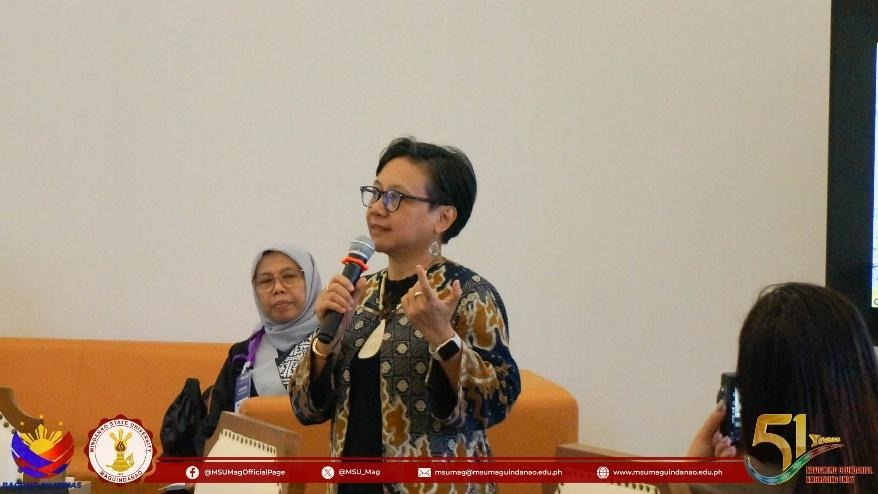
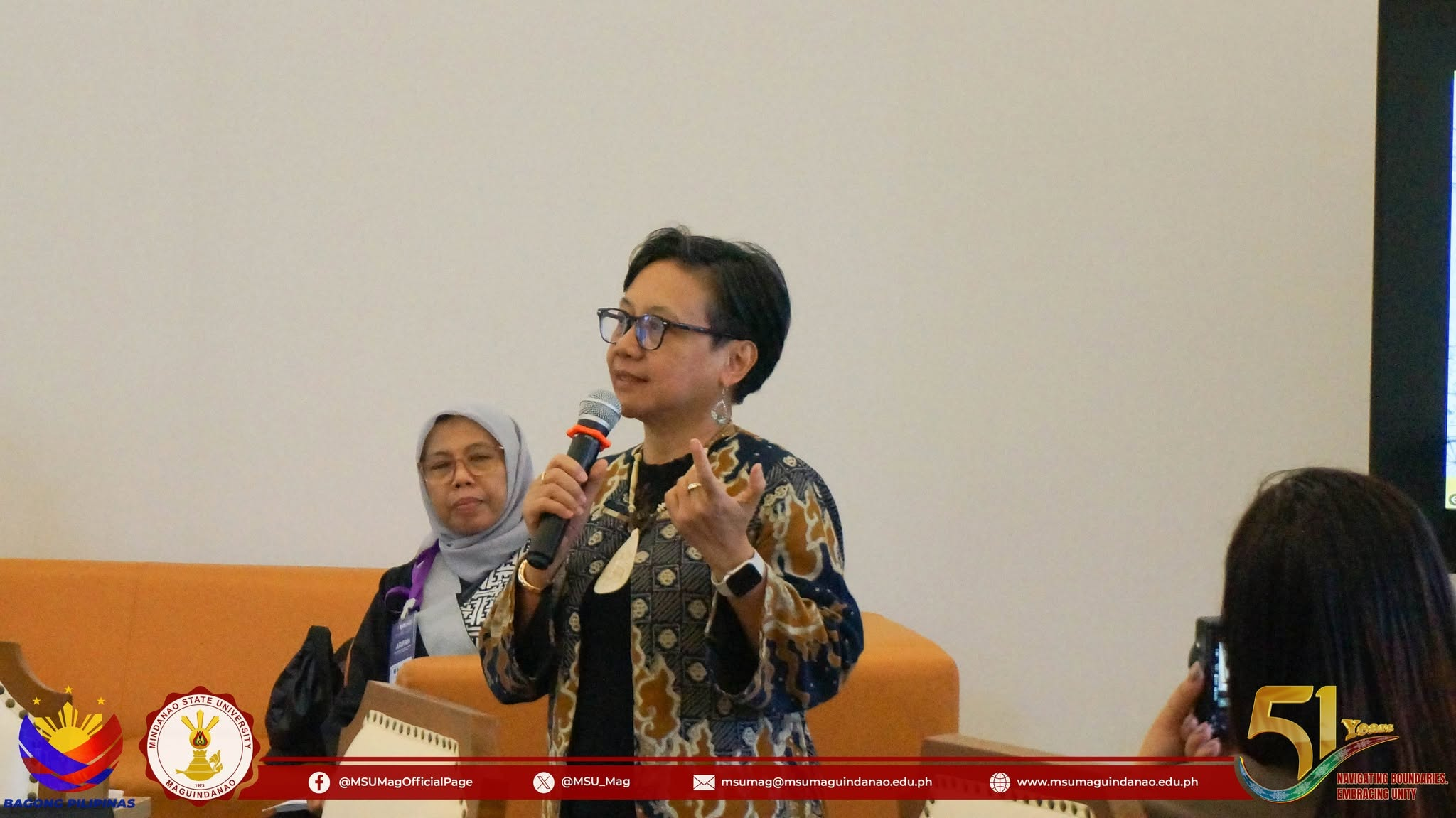
A speaker shares perspectives on peace processes and gender-responsive approaches during the UGM learning session attended by MSU–Maguindanao DWPS faculty and students
The learning session combined an online lecture and an in-person expert panel. Prof. Awaluddin shared lessons from the Aceh peace process and other Indonesian conflicts, emphasizing political marginalization, economic exclusion, principled dialogue, mutual dignity, and negotiation. The panel discussed the gendered dimensions of violent extremism, institutional responses to sexual violence, campus prevention and awareness initiatives, and Indonesia’s National Action Plan on Women, Peace, and Security.
A key discussion focused on how universities can prevent and respond to gender-based violence. UGM’s Sexual Violence Prevention and Handling Task Force and its Massive Open Online Course (MOOC) on sexual violence were presented as examples of institutional mechanisms and digital learning that can strengthen awareness and prevention capacity among students, faculty, and staff. Speakers also emphasized women’s voices, grassroots leadership, community participation, and the importance of adapting national policies and international lessons to local realities.
For DWPS faculty and students, the session offered comparative perspectives on women’s participation in peace processes, gender-responsive security, and institutional accountability. The discussion encouraged participants to consider how lessons from Indonesia could inform gender-responsive education, research, policy dialogue, and peacebuilding approaches in the Bangsamoro. The activity also strengthened academic exchange among MSU–Maguindanao, UGM scholars, and development partners.
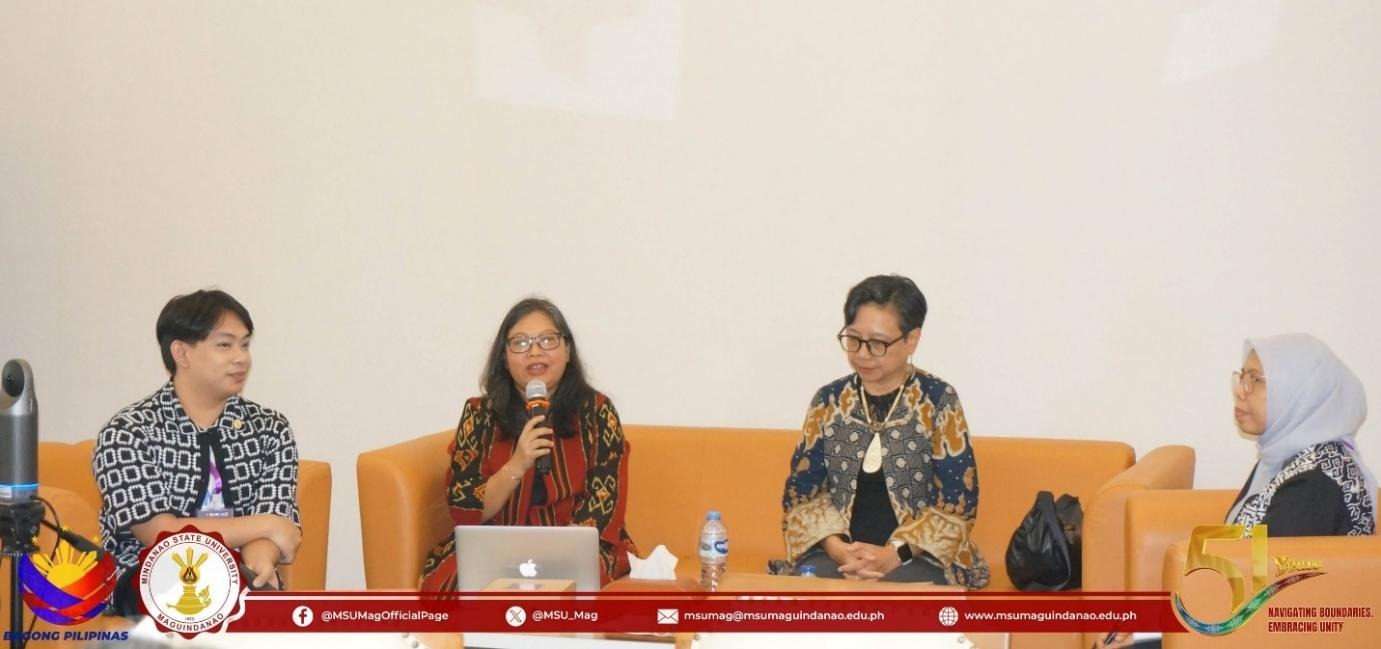
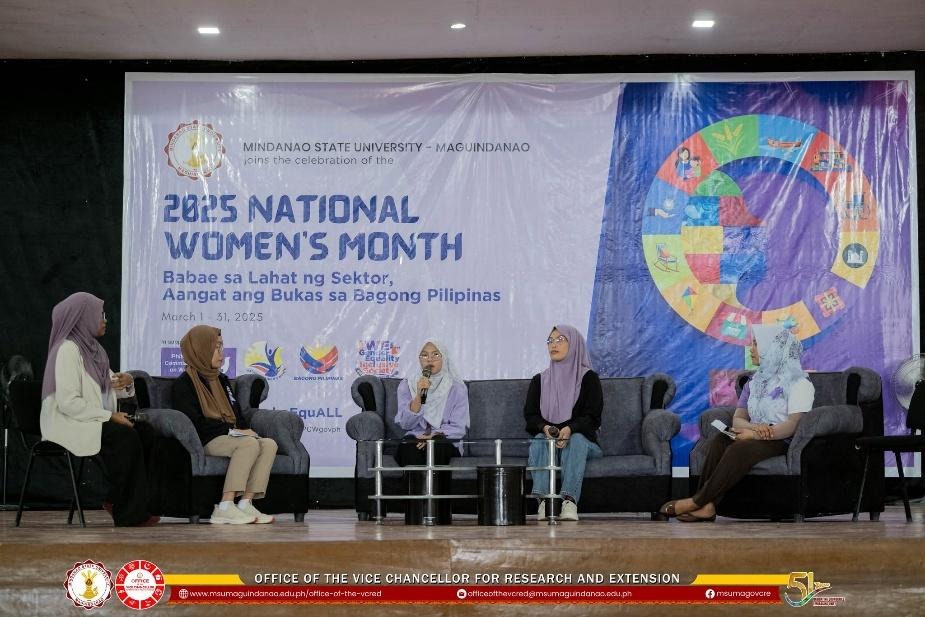
Panelists discuss women’s participation, gender-based violence prevention, and institutional responses during the learning session at Universitas Gadjah Mada
The activity contributes to Sustainable Development Goal 5 (Gender Equality) by strengthening awareness of women’s meaningful participation in peace and security, the prevention of gender-based violence, and institutional approaches that support women’s leadership. The session highlighted how universities can address gender-based violence through prevention mechanisms, awareness initiatives, and accessible learning resources. It also emphasized the importance of women’s voices and grassroots participation in peacebuilding. The documented contribution is the learning exchange and the gender-responsive approaches discussed; the source does not measure changes in participants’ practices or establish that new policies or prevention programs were implemented as a result.
Through this international learning exchange, MSU–Maguindanao provided DWPS faculty and students with opportunities to examine regional experiences and consider their relevance to the Bangsamoro. Continued documentation and follow-up would help assess how these lessons are incorporated into teaching, institutional practice, and initiatives supporting women’s participation and safety.