Articles
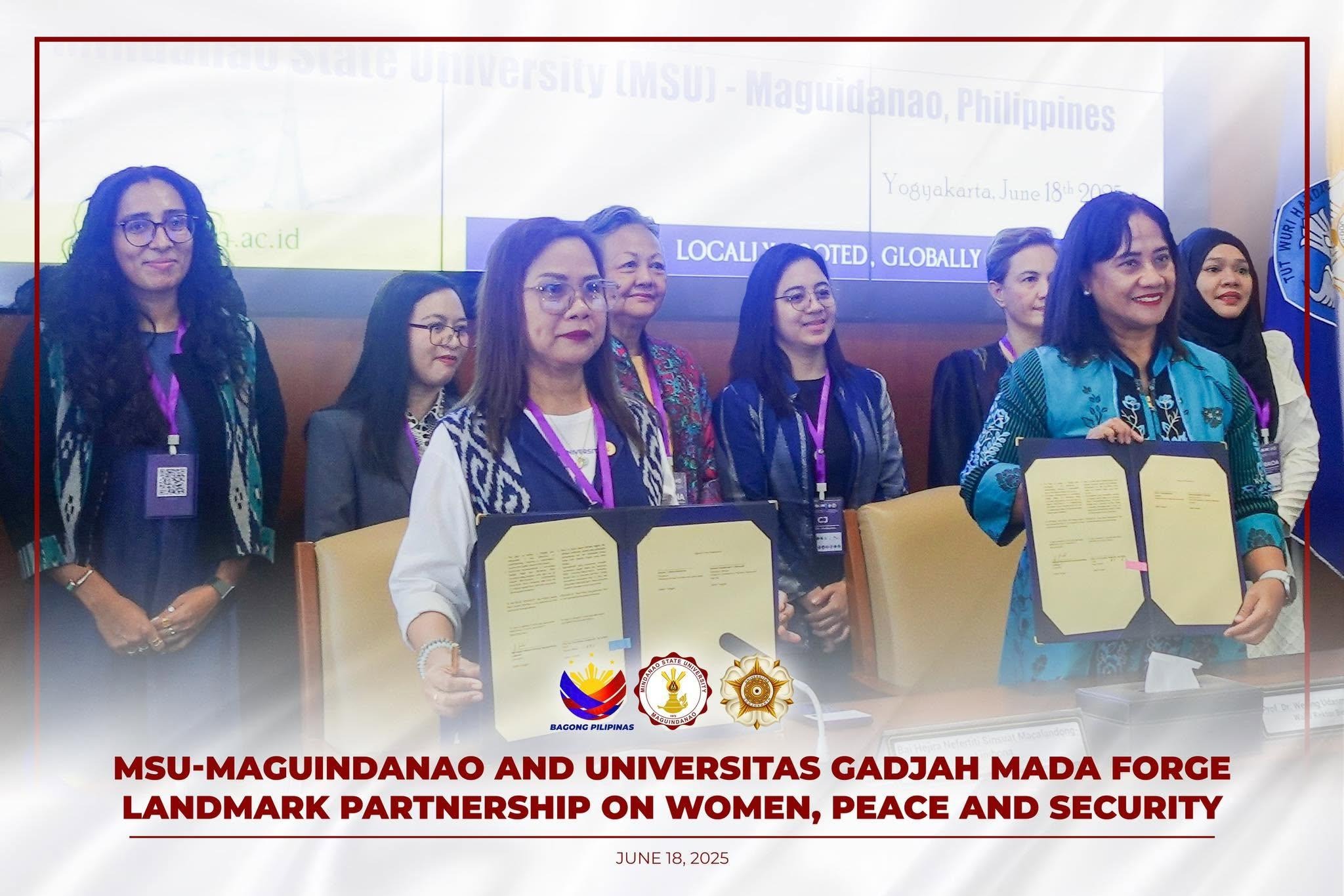
MSU–Maguindanao and Universitas Gadjah Mada formalize partnership to advance women’s leadership and gender-responsive peacebuilding
Mindanao State University–Maguindanao (MSU–Maguindanao) and Universitas Gadjah Mada (UGM) signed a Memorandum of Understanding (MOU) on June 18, 2025, at UGM’s campus in Yogyakarta, Indonesia. The agreement established a formal basis for regional academic cooperation focused on Women, Peace and Security (WPS), gender-responsive peacebuilding, and women’s participation in peace and development.MSU–Maguindanao was represented by Vice Chancellor for Planning and Development Dr. Arceli B. Naraga, representing Chancellor Dr. Bai Hejira Nefertiti M. Limbona. UGM was represented by Vice Rector for Education and Teaching Prof. Dr. Wening Udasmoro, representing Rector Prof. Dr. Ova Emilia. The learning exchange was supported by the United Nations Development Programme (UNDP) Philippines and the UK Government through the British Embassy Manila, with the Philippine Center for Islam and Democracy (PCID) serving as a key institutional partner in the rollout of the Diploma in Women, Peace and Security (DWPS).MSU–Maguindanao and Universitas Gadjah Mada representatives display the partnership documents during the MOU signing ceremony in Yogyakarta, IndonesiaThe partnership builds on MSU–Maguindanao’s ongoing work to advance women’s leadership and gender-responsive peacebuilding in the Bangsamoro. By formalizing a relationship with UGM, the University created an institutional platform for continued knowledge exchange and potential joint academic initiatives on women’s participation, peace and security. The partnership also connects Philippine and Indonesian experiences, offering opportunities to exchange perspectives on gender equality and locally responsive peacebuilding.The agreement complements the DWPS, which provides an academic platform for women leaders and practitioners to develop knowledge and connect learning with community and institutional action. The partnership may broaden opportunities for faculty, students, and DWPS participants to engage with regional experiences and gender-responsive approaches. The source document does not identify specific joint activities already implemented following the MOU signing.University representatives participate in the discussion meeting accompanying the MOU signing at Universitas Gadjah MadaThe activity contributes to Sustainable Development Goals by strengthening institutional support for women’s leadership, participation, and capacity development in peace and security processes. It formalizes a regional academic relationship through which gender equality and women’s meaningful participation can be explored and connected to peacebuilding practice. The documented achievement is the MOU signing and the establishment of a basis for cooperation; further exchanges and joint initiatives remain potential outcomes that require follow-up documentation.Through this partnership, MSU–Maguindanao and UGM established a foundation for continued regional cooperation on Women, Peace and Security. Future activities and reporting can demonstrate how the institutional agreement translates into practical opportunities for women leaders, students, faculty, and peacebuilding practitioners in the Bangsamoro and the wider region.
June 18, 2025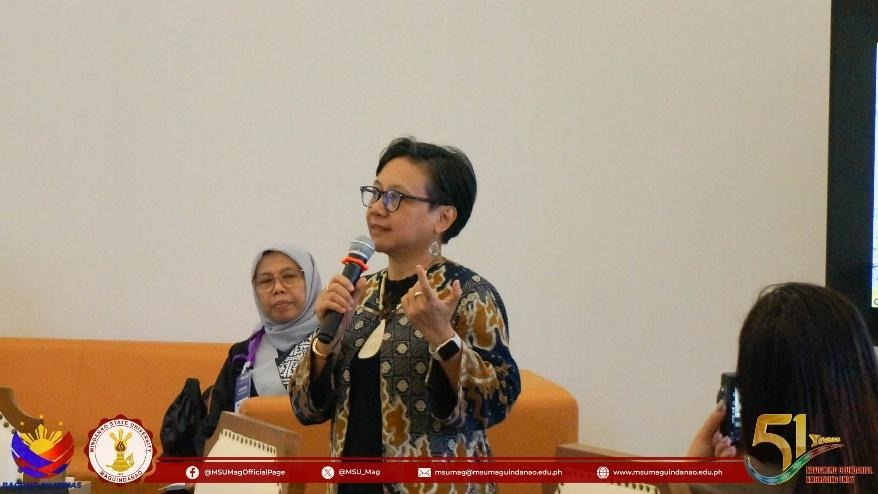
MSU–Maguindanao learning exchange strengthens gender-responsive approaches to peace and security
YOGYAKARTA, Indonesia — Faculty members and students of the Diploma in Women, Peace, and Security (DWPS) of Mindanao State University–Maguindanao (MSU–Maguindanao) participated in a learning session at Universitas Gadjah Mada (UGM) on June 18, 2025. The session brought together Indonesian peace and gender scholars to examine women’s participation in peace and security, gender-based violence prevention, and approaches that can be adapted to the Bangsamoro context.The session featured Prof. Hamid Awaluddin, former Indonesian Minister of Law and Human Rights and chief negotiator of the Aceh Peace Process; Dr. Sri Wiyanti Eddyono, Director of UGM’s Center for Law, Gender, and Society; Prof. Dr. Yayi Suryo Prabandari, who discussed UGM’s Sexual Violence Prevention and Handling Task Force; and Dr. Arifah Rahmawati, Indonesia’s representative to the ASEAN Women for Peace Registry. The activity was supported by the British Embassy Manila, UNDP Philippines, the Philippine Center for Islam and Democracy, and Dr. Arifah Rahmawati of UGM.A speaker shares perspectives on peace processes and gender-responsive approaches during the UGM learning session attended by MSU–Maguindanao DWPS faculty and studentsThe learning session combined an online lecture and an in-person expert panel. Prof. Awaluddin shared lessons from the Aceh peace process and other Indonesian conflicts, emphasizing political marginalization, economic exclusion, principled dialogue, mutual dignity, and negotiation. The panel discussed the gendered dimensions of violent extremism, institutional responses to sexual violence, campus prevention and awareness initiatives, and Indonesia’s National Action Plan on Women, Peace, and Security.A key discussion focused on how universities can prevent and respond to gender-based violence. UGM’s Sexual Violence Prevention and Handling Task Force and its Massive Open Online Course (MOOC) on sexual violence were presented as examples of institutional mechanisms and digital learning that can strengthen awareness and prevention capacity among students, faculty, and staff. Speakers also emphasized women’s voices, grassroots leadership, community participation, and the importance of adapting national policies and international lessons to local realities.For DWPS faculty and students, the session offered comparative perspectives on women’s participation in peace processes, gender-responsive security, and institutional accountability. The discussion encouraged participants to consider how lessons from Indonesia could inform gender-responsive education, research, policy dialogue, and peacebuilding approaches in the Bangsamoro. The activity also strengthened academic exchange among MSU–Maguindanao, UGM scholars, and development partners.Panelists discuss women’s participation, gender-based violence prevention, and institutional responses during the learning session at Universitas Gadjah MadaThe activity contributes to Sustainable Development Goal 5 (Gender Equality) by strengthening awareness of women’s meaningful participation in peace and security, the prevention of gender-based violence, and institutional approaches that support women’s leadership. The session highlighted how universities can address gender-based violence through prevention mechanisms, awareness initiatives, and accessible learning resources. It also emphasized the importance of women’s voices and grassroots participation in peacebuilding. The documented contribution is the learning exchange and the gender-responsive approaches discussed; the source does not measure changes in participants’ practices or establish that new policies or prevention programs were implemented as a result.Through this international learning exchange, MSU–Maguindanao provided DWPS faculty and students with opportunities to examine regional experiences and consider their relevance to the Bangsamoro. Continued documentation and follow-up would help assess how these lessons are incorporated into teaching, institutional practice, and initiatives supporting women’s participation and safety.
June 18, 2025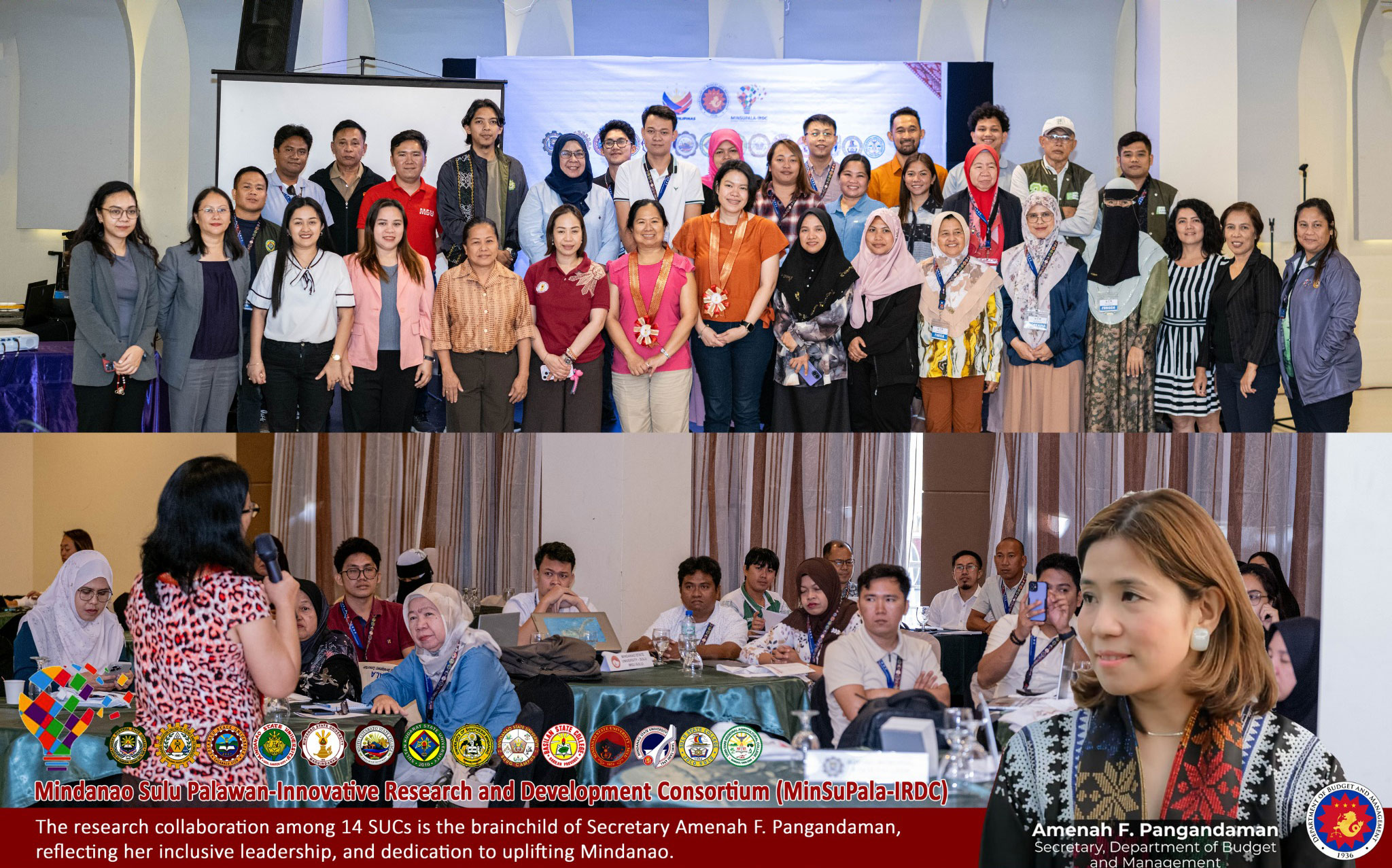
MSU-Maguindanao and MinSuPala–IRDC Transform Aquatic Research into Actionable Policy Solutions
The Mindanao State University–Maguindanao and State Universities and Colleges (SUCs) under the Mindanao-Sulu-Palawan Innovative Research and Development Consortium (MinSuPala–IRDC) executed an intensive two-day Policy Brief Writeshop at the Oroderm City Functions and Events Place, Davao City. The writeshop trained 40 researchers and technical personnel to convert Phase 1 scientific data into high-impact, policy-oriented briefs for decision-makers and regional government agencies.Policy Brief WriteshopLed by UP-CIDS Executive Director Dr. Rosalie Arcala Hall and UP Diliman Teaching Fellow Ms. Honey Lou Alerta, the workshop guided participants through policy structuring, concise framing, and expert review. Researchers synthesized empirical findings on water quality, inland capture fisheries, watershed systems, and socio-economic dynamics across major Central Mindanao water bodies into clear policy recommendations ready for submission to regulatory bodies.This strategic initiative aims to sustainably manage and protect water ecosystems to avoid significant adverse impacts by strengthening their resilience and taking action for their restoration. In addition, it also strengthens research capacity and knowledge transfer By bridging the gap between field research and regional governance, the consortium equips local institutions to deliver evidence-based regulations that protect inland fisheries and aquatic ecosystems. Through these sustained efforts, MSU-Maguindanao reinforces its role as a key driver of environmental protection and community resilience in Central Mindanao.
June 3, 2025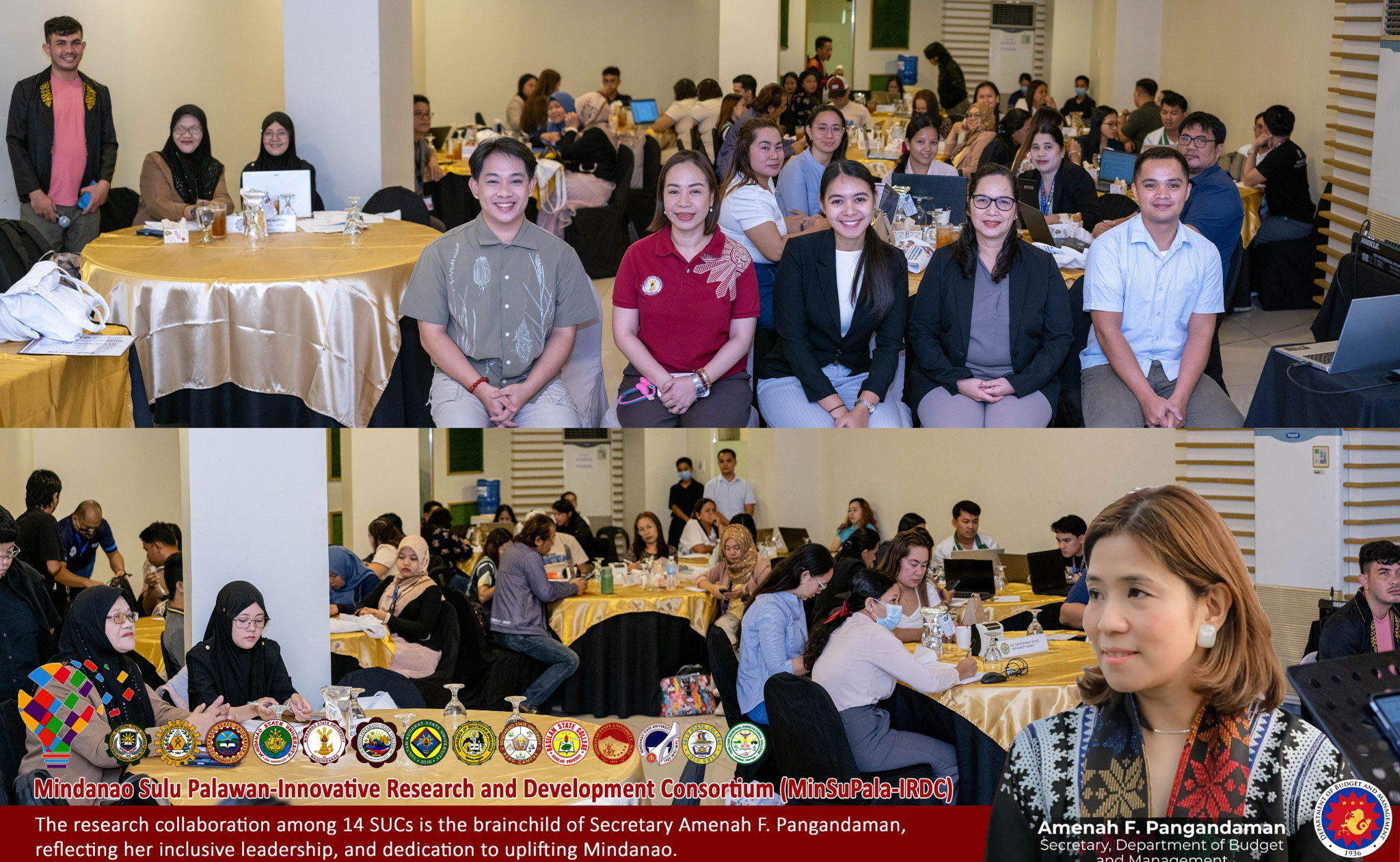
MSU-Maguindanao and MinSuPala–IRDC Empower Regional Researchers to Advance Indigenous Fish and Crop Value Chains
The Mindanao State University–Maguindanao and State Universities and Colleges (SUCs) under the Mindanao-Sulu-Palawan Innovative Research and Development Consortium (MinSuPala–IRDC) executed an intensive two-day workshop on "Designing Survey Tools and Protocols for Market Potential and Value Chain Analysis of Indigenous Species" at the Oroderm City Functions and Events Place, Davao City. The training equipped regional researchers with standardized, evidence-based methodologies to evaluate the commercial viability, economic value, and market systems of native crops and aquatic species.MSU Maguindanao joined MinSuPala IRDC training and workshopThe workshop featured technical training modules led by Asst. Prof. Shemaiah Gail P. Placencia and Ms. Carol Q. Balgos from the UP Mindanao Agri-Aqua Value Chain Laboratory, alongside a session on the Women, Peace, and Security (WPS) agenda by Assoc. Prof. Grant Warren D. Lu of MSU-Maguindanao. Under the guidance of Dr. Raquel D. Santiago-Arenas, the Vice Chancellor for Research, Innovation, and Sustainable Engagements of MSU-Maguindanao, participating researchers evaluated Phase 1 findings and co-developed a unified prioritization framework and standardized research protocol for Phase 2 implementation.This strategic capacity-building initiative accelerates progress toward increasing scientific knowledge and research capacity; protecting the socio-economic wellbeing and food security of indigenous fishing communities; and supporting small-scale fisheries by improving infrastructure, supply chains, and market access.By standardizing value chain assessment tools for native fish species, it empowers local institutions to generate actionable data that advance sustainable fisheries management, boost fisherfolk income, and inform evidence-based policy across Mindanao, Sulu, and Palawan. Having these sustained efforts, MSU-Maguindanao continues to transform academic research into tangible economic and environmental solutions for coastal and aquatic communities.
June 3, 2025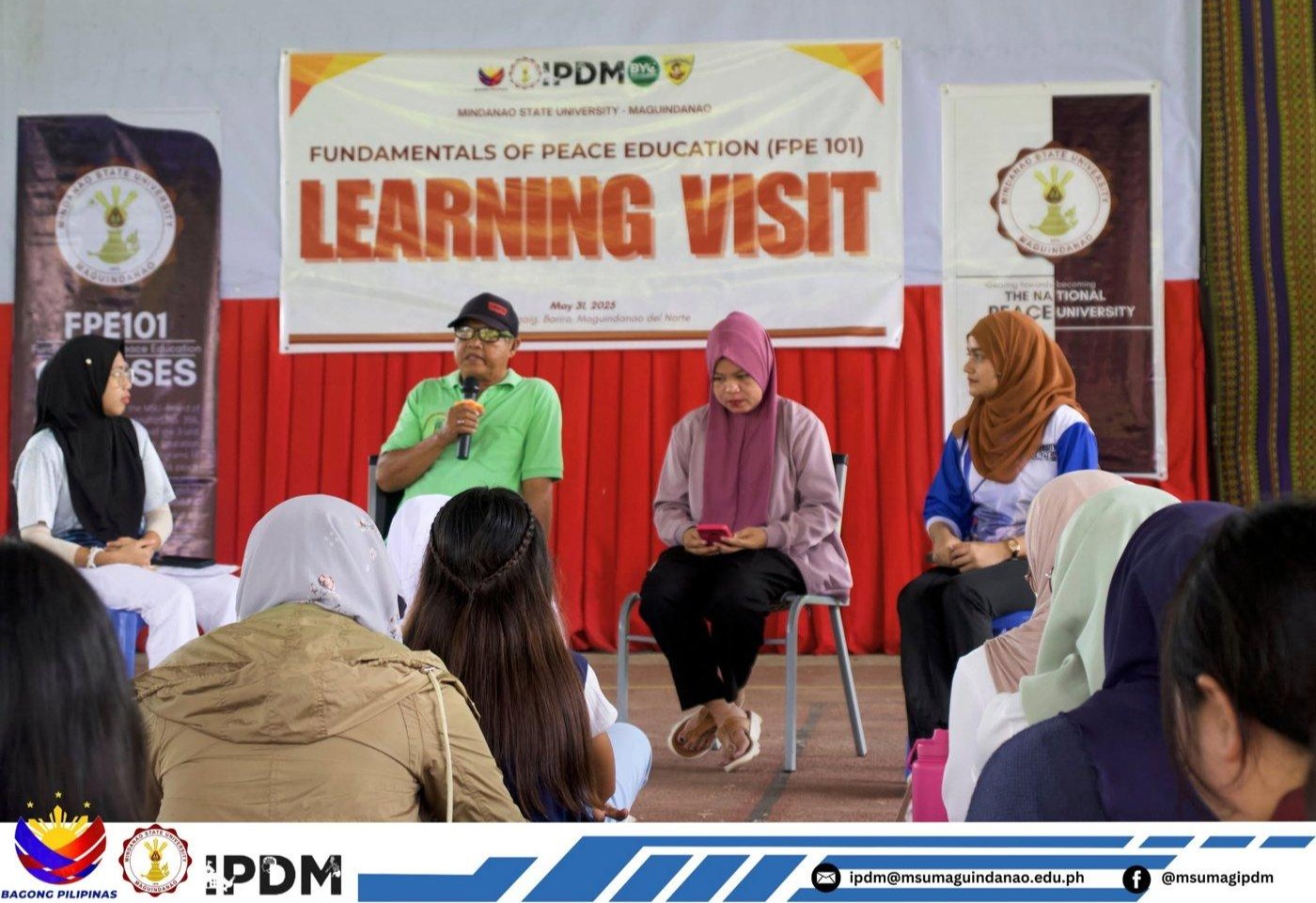
Mindanao State University–Maguindanao Students Learn from Conflict Survivors in Peace Education Visit to Camp Iranun and the House of Ustadz Salamat
Mindanao State University–Maguindanao, through its Institute for Peace and Development in Mindanao (IPDM), conducted a learning visit for students of Fundamentals of Peace Education (FPE 101) on May 31, 2025, at Camp Iranun and the historical residence of Ustadz Salamat Hashim in Barangay Tugaig, Barira, Maguindanao del Norte. The visit took peace education beyond the classroom, letting students learn about conflict, resilience, and the Bangsamoro peace process from the places and people who lived through them.At the heart of the visit was a dialogue with two survivors of the All-Out War in Bombaran, Mr. Alonto L. Simban and Ms. Maimana E. Marindeg, who shared firsthand accounts of the conflict and how their community rebuilt. Students then toured the historical residence of Ustadz Salamat Hashim to understand the history of the Bangsamoro struggle and its pursuit of self-determination. The activity was conducted in partnership with the Bangsamoro Youth Commission, the 1st Marine Brigade, and local community leaders, who joined the students in discussions on youth participation, unity, and resilience.Students listen to survivors of the All-Out War in Bombaran during the FPE 101 learning visit, May 31, 2025.IPDM closed the visit with a structured debriefing in which students reflected on what they had learned about peace, conflict, and their own role in community life and nation-building. The visit benefited 37 students, who gained a deeper and more personal understanding of conflict-affected communities, while the survivors and community leaders had the chance to pass their experiences on to a new generation. The historical residence of Ustadz Salamat Hashim in Barangay Tugaig, Barira, Maguindanao del Norte.By bringing the voices of historically marginalized, conflict-affected communities into university learning, the visit promotes the social inclusion of all, irrespective of origin or status, while helping students gain the knowledge and skills to promote a culture of peace and non-violence and an appreciation of cultural diversity.FPE 101 students, IPDM staff, and partners at Camp Iranun.IPDM will continue to build community-based learning visits into the University's peace education courses, so that every cohort of students learns peace not only from textbooks but from the communities most affected by conflict.
May 31, 2025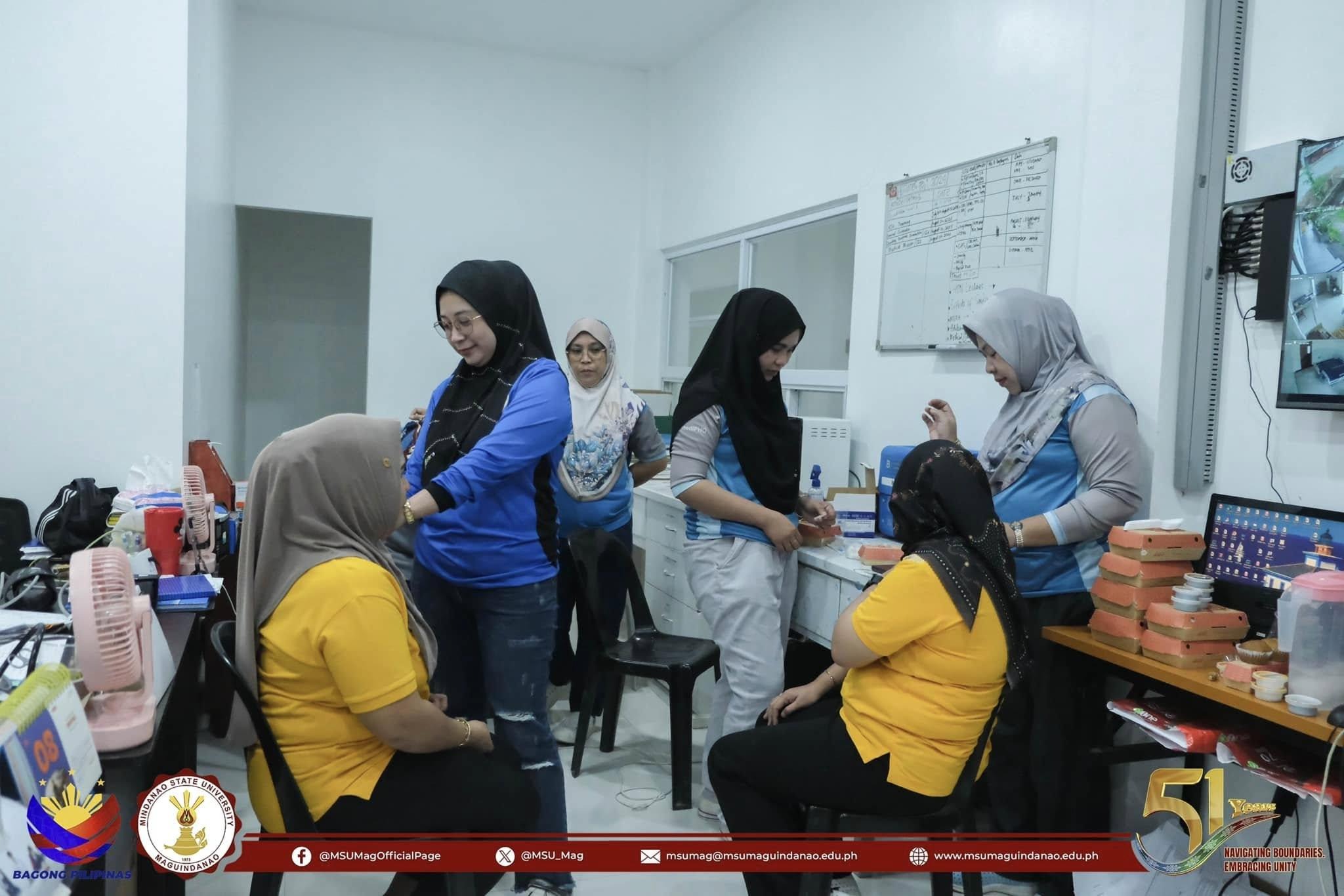
MSU–Maguindanao Infirmary and RHU Immunize 73 Employees Against Flu and Pneumonia
Mindanao State University–Maguindanao, in collaboration with the Rural Health Unit (RHU) of Datu Odin Sinsuat, Maguindanao, conducted a flu and pneumonia vaccination drive on January 20, 2025, at the University Infirmary Facility. The initiative provided influenza and pneumococcal immunization to 73 university employees, demonstrating collaboration between a higher education institution and a local public health provider to improve access to preventive healthcare. The MSU–Maguindanao Infirmary Hospital and the RHU of Datu Odin Sinsuat collaborate to provide preventive vaccination services to university employeesThe activity aimed to protect university personnel against respiratory illnesses, particularly those at higher risk. Medical professionals from the RHU of Datu Odin Sinsuat administered the vaccines and ensured participant safety throughout the activity. The initiative also reflects an institutional approach to employee welfare, recognizing that access to preventive health services is an important part of maintaining a healthy and supported workforce.By bringing vaccination services to the university, the partnership helped make preventive healthcare accessible to employees within their workplace. Such collaboration between educational institutions and local health providers offers a practical approach to workplace health promotion and can help strengthen the delivery of essential health services to university personnel.Sustaining partnerships with local health authorities and integrating preventive healthcare into employee welfare initiatives can further support a healthier campus community. Continued efforts of this kind can help the university maintain a supportive working environment for the faculty and staff who contribute to its educational and public service mission.
May 17, 2025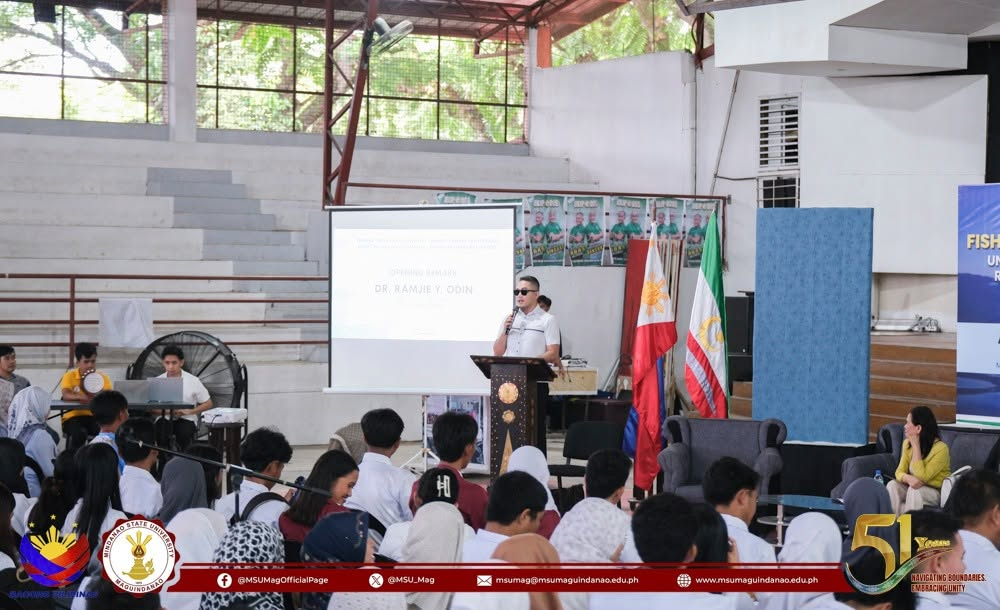
MSU-Maguindanao Champions Small-Scale Fisheries Governance in Policy Seminar on Municipal Waters
The Mindanao State University–Maguindanao College of Fisheries convened an expert-led seminar titled "Understanding the Supreme Court Ruling Allowing Commercial Fishing in Municipal Waters" at the Datu Odin Sinsuat Gymnasium. The event was organized to equip future fisheries professionals with legal literacy, addressing critical governance challenges surrounding commercial access to municipal waters and the protection of local fishing livelihoods.Dr. Ramjie Y. Odin opens the program.The seminar featured Atty. Mohammad Muktadir A. Estrella, the BARMM Ministry of Social Services and Development Director General. He discussed the legal foundations of the Supreme Court ruling, municipal government mandates under Republic Act No. 8550 (Philippine Fisheries Code), and Bangsamoro autonomy under Republic Act No. 11054. In addition, Dr. Mohammadtaha S. Pendaliday, the BARMM Ministry of Agriculture, Fisheries, and Agrarian Reform (MAFAR) Director, also detailed regional regulatory frameworks. With the guidance of Dr. Ramjie Y. Odin, Dean of the College of Fisheries, and supported by Chancellor Bai Hejira Nefertiti M. Limbona, the participants finalized the session with a Commitment Wall signing to champion municipal fisheries protection.Atty. Mohammad Muktadir A. Estrella sharing his insightsThis decisive educational drive advances effective regulation of effective fishing practices and implement science-based management plans. It targets sustainable management and protection of water ecosystems.By training students and faculty in complex fisheries jurisprudence, the university builds essential institutional capacity to safeguard small-scale fishing rights and prevent overexploitation in Bangsamoro municipal waters. Through these proactive initiatives, MSU-Maguindanao strengthens its role as a key driver of evidence-informed policy enforcement and sustainable marine governance.
May 5, 2025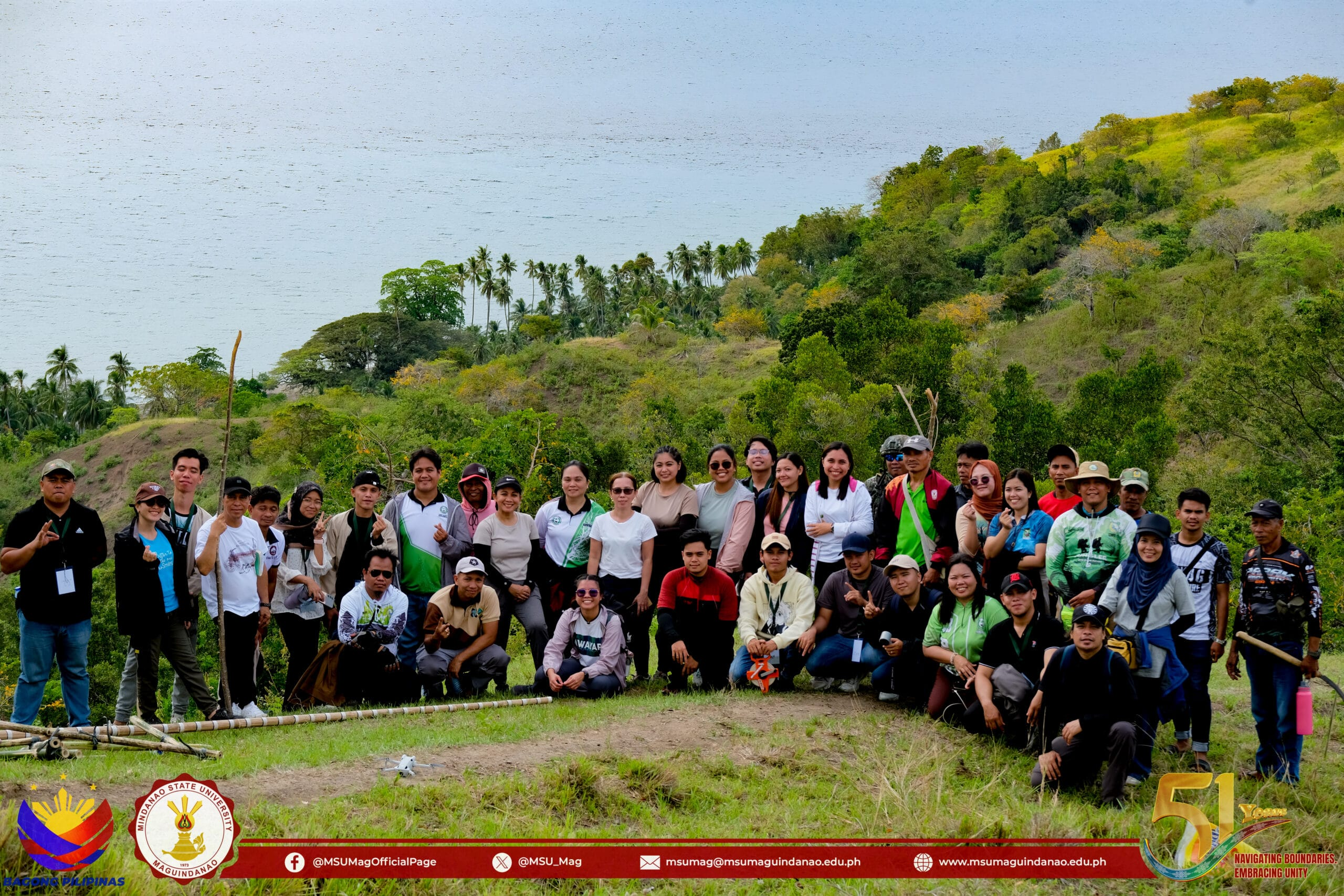
MSU-Maguindanao in Partnership with UPLB-IAF Trains Agroforestry Practitioners in Agroforestry Establishment and Developmen
Mindanao State University-Maguindanao (MSU-Maguindanao), in partnership with the University of the Philippines Los Baños-Institute of Agroforestry (UPLB-IAF), conducted a three-day Trainers’ Training on Agroforestry Establishment and Development Leveraging the Agroforestry Land Capability Assessment and Mapping Scheme (ALCAMS) for Effective Land Assessment on February 25–27, 2025. The training aimed to equip agroforestry practitioners and prospective trainers with practical competencies in land capability assessment, agroforestry system design, and soil and water conservation to support climate-resilient land management in upland communities.The activity was implemented under the DOST-PCAARRD-funded project, Enhancing Climate Resilience through Native Tree and Fruit Tree-based Agroforestry Technology: A Science and Technology-Based Initiative for Emergencies and Hazards in Datu Blah Sinsuat, Maguindanao. The initiative addressed environmental challenges affecting upland and hazard-prone communities, particularly soil erosion, land degradation, and declining agricultural productivity. Through the project, MSU-Maguindanao and UPLB-IAF promoted science-based approaches to developing agroforestry systems suited to local soil, slope, and vegetation conditions. The training combined classroom discussions, field assessment, and applied planning. On the first day, participants gathered at the MSU-Maguindanao Training Center for the discussion of agroforestry fundamentals, technologies for establishing agroforestry systems, and soil and water conservation principles. On the second day, the training moved to the project site in Barangay Nalkan, Datu Blah Sinsuat, Maguindanao del Norte, where they conducted field assessments of slope using an A-Frame and Brunton Compass, and vegetation. On the third day, participants performed soil analysis and developed sketch maps illustrating slope, land use, and soil fertility. These assessments informed their evaluation of the site’s suitability for agroforestry. The training concluded with discussions on agroforestry management and group exercises in which participants developed site-specific agroforestry plans, considering appropriate tree species, sustainable land-use practices, and soil and water conservation measures.The activity brought together faculty members and selected students from MSU-Maguindanao’s College of Forestry and Environmental Studies, faculty from the College of Agriculture and the College of Engineering and Computing Studies, forestry faculty from MSU-Buug, MSU-Marawi, and MSU-Lanao del Norte Agricultural College, and a representative from the Bangsamoro Autonomous Region in Muslim Mindanao’s Ministry of Environment, Natural Resources, and Energy (MENRE). This multidisciplinary and inter-institutional participation strengthened opportunities for knowledge exchange and the wider application of ALCAMS-based land assessment methods in instruction, research, extension, and environmental management.The residents of Barangay Nalkan are the ultimate intended beneficiaries of the initiative. The site-specific agroforestry plans developed during the training provide a science-based foundation for selecting suitable tree species and identifying appropriate land management and conservation practices. Their implementation can help improve agricultural productivity, reduce soil erosion, protect natural resources, and support more sustainable livelihoods in the community.Building on the training, the University aims to support the wider application of science-based agroforestry practices and strengthen collaboration with academic institutions, government agencies, and local communities toward climate resilience, environmental stewardship, and sustainable development in the Bangsamoro region.
May 2, 2025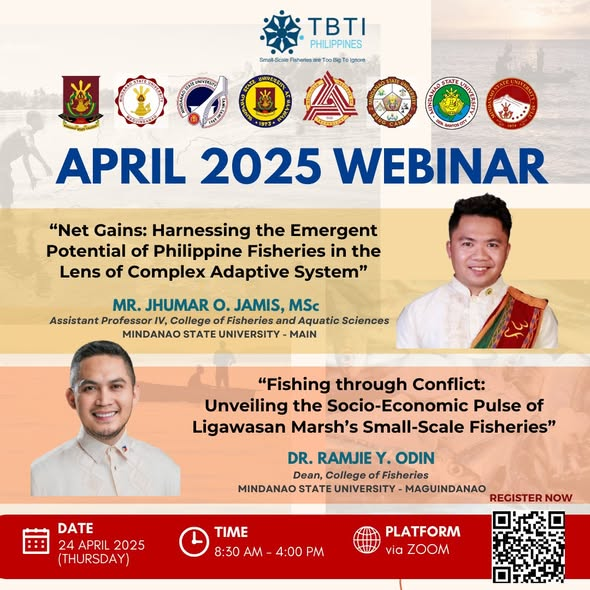
MSU-Maguindanao Advances Small-Scale Fisheries Knowledge for Sustainable Aquatic Resource Management
In collaboration with partner institutions across the Mindanao State University System, the Mindanao State University–Maguindanao spearheaded knowledge-sharing efforts during the nationwide TBTI Philippines 2025 April Webinar Series. The platform brought together researchers, faculty, students, and practitioners to address critical challenges and opportunities in small-scale fisheries, seaweed development, and sustainable aquatic resource management across the country.PubmatDr. Ramjie Y. Odin, Dean of the College of Fisheries, delivered a featured presentation entitled "Fishing through Conflict: Unveiling the Socio-Economic Pulse of Ligawasan Marsh's Small-Scale Fisheries." His talk highlighted the lived socio-economic realities of local fishing communities navigating complex conflict environments in Ligawasan Marsh. Moreover, complementary presentations from partner researchers explored complex adaptive fisheries systems, science-based seaweed cultivation, and coastal fishing practices in Zamboanga Sibugay.This national engagement directly supports small-scale fishers; targets the increase of scientific knowledge and research capacity; and promotes sustainable fisheries management.By translating field research into actionable insights for inclusive governance, the university brings the needs of vulnerable inland fishers to the forefront of national policy discussions. Through these dedicated efforts, the university bridges field-level realities with scientific discourse to foster resilient aquatic ecosystems and coastal livelihoods.
April 25, 2025