SDG1
Training of Trainers on Agroforestry Establishment and Development: Leveraging ALCAMS for Effective Land Assessment
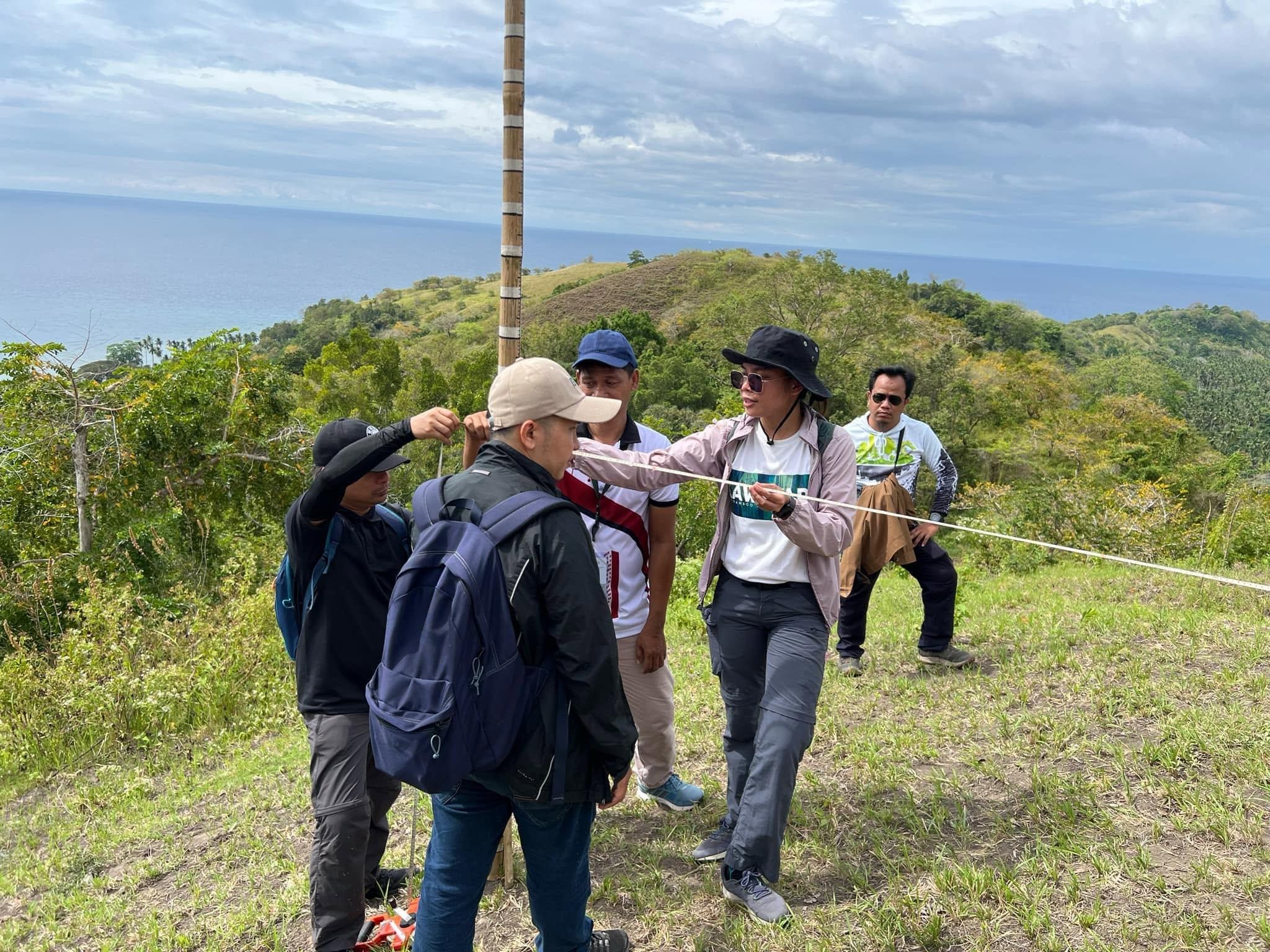
Mindanao State University–Maguindanao, through its College of Forestry and Environmental Studies (CFES), partnered with the University of the Philippines Los Baños–Institute of Agroforestry (UPLB-IAF) conducted the Training of Trainers on Agroforestry Establishment and Development: Leveraging the Agroforestry Land Capability Assessment and Mapping Scheme (ALCAMS) for Effective Land Assessment from February 25–27, 2025. Supported by a DOST-PCAARRD-funded project, the training aimed to strengthen local capacity for sustainable land management and climate-resilient livelihoods in Datu Blah Sinsuat, Maguindanao.Training session on ALCAMS and agroforestry development, demonstrating the integration of scientific knowledge and practical land-management approachesThe three-day activity combined discussion, field assessments, and practical agroforestry planning. Participants learned to use ALCAMS to assess slope, vegetation, and soil conditions. Field exercises in Barangay Nalkan enabled them to apply these techniques and develop site-specific agroforestry plans suited to local land characteristics.The training brought together faculty and students from forestry, agriculture, and engineering programs, representatives from other Mindanao State University campuses, and personnel from the Ministry of Environment, Natural Resources and Energy (MENRE). Participants also prepared re-entry action plans to apply their learning in their respective institutions and communities.By strengthening technical skills in land assessment and agroforestry planning, the initiative supports sustainable land use, soil and water conservation, and livelihood diversification. These practices can help farming households protect productive resources, manage climate-related risks, and develop more resilient livelihood opportunities.Through continued application of these skills, trained participants can help communities make informed land-use decisions and promote sustainable agroforestry practices across climate-vulnerable areas of the Bangsamoro region.Training session on ALCAMS and agroforestry development, demonstrating the integration of scientific knowledge and practical land-management approaches
April 23, 2026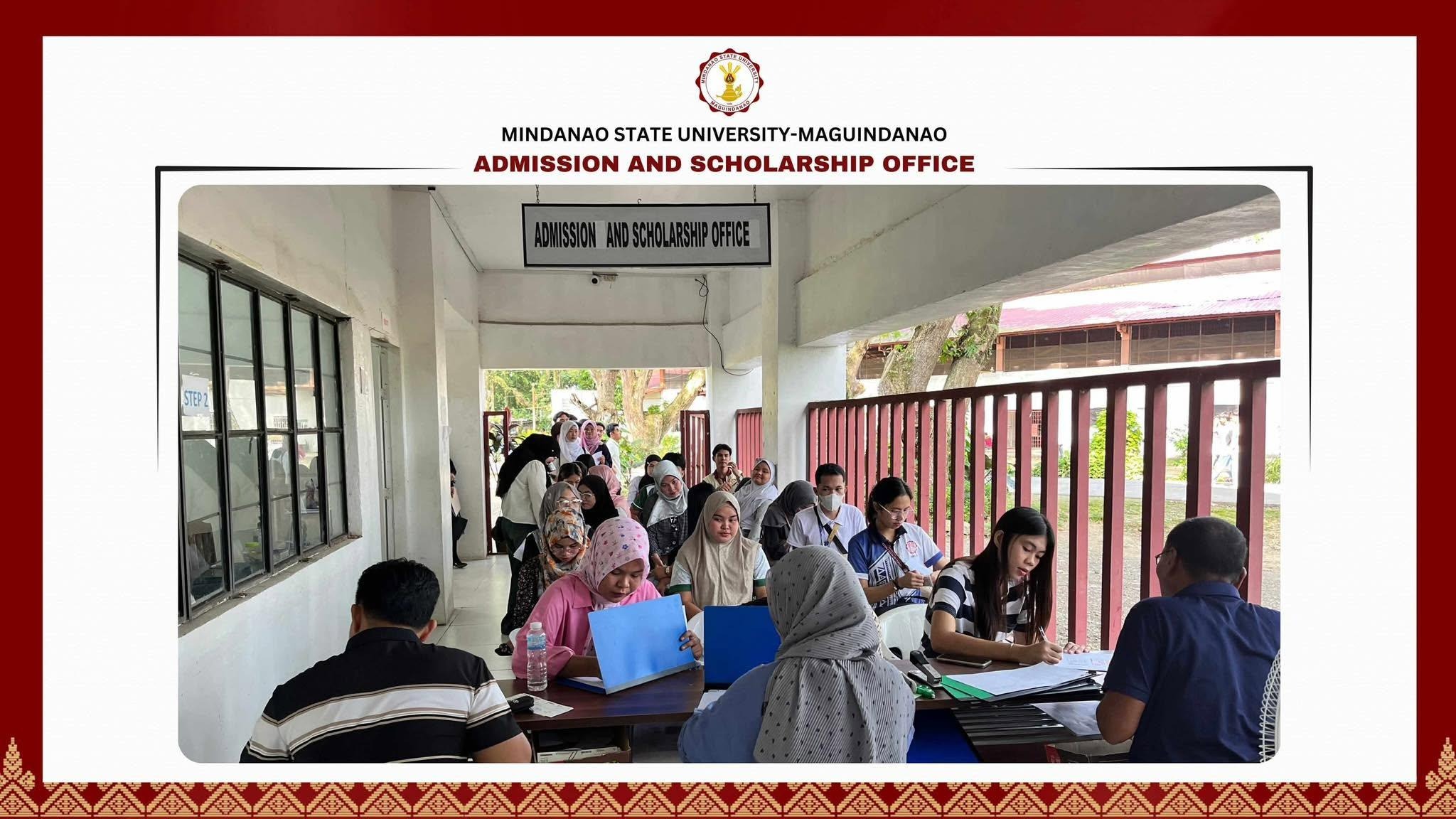
MSU–Maguindanao Distributes Tulong Dunong Allowances to 103 Scholars
Mindanao State University–Maguindanao, through its Admission and Scholarship Office, distributed the first-semester allowances to 103 scholars under the Tulong Dunong Program (TDP) for Academic Year 2024–2025 on December 11, 2025. With financial assistance facilitated through the Commission on Higher Education’s Unified Student Financial Assistance System for Tertiary Education (CHED-UniFAST), the initiative provided direct support for students’ educational needs.The distribution at the University's Admission and Scholarship Office enabled qualified scholars to receive their allowances through the established scholarship assistance process. This collaboration highlights the role of public higher education institutions in connecting government-funded student support with the needs of learners pursuing their degrees.By helping cover education-related expenses, the allowances provide financial relief to the 103 scholars and may ease the burden on their families. The initiative helps address financial barriers to higher education, supporting students' opportunities to develop the knowledge and qualifications needed for future livelihood opportunities.Students receiving Tulong dunong financial assistanceadsmf,andsf,mandsf,mnads,mfns,dmfna,mdsfn,msdnf,msdnf,s
December 23, 2025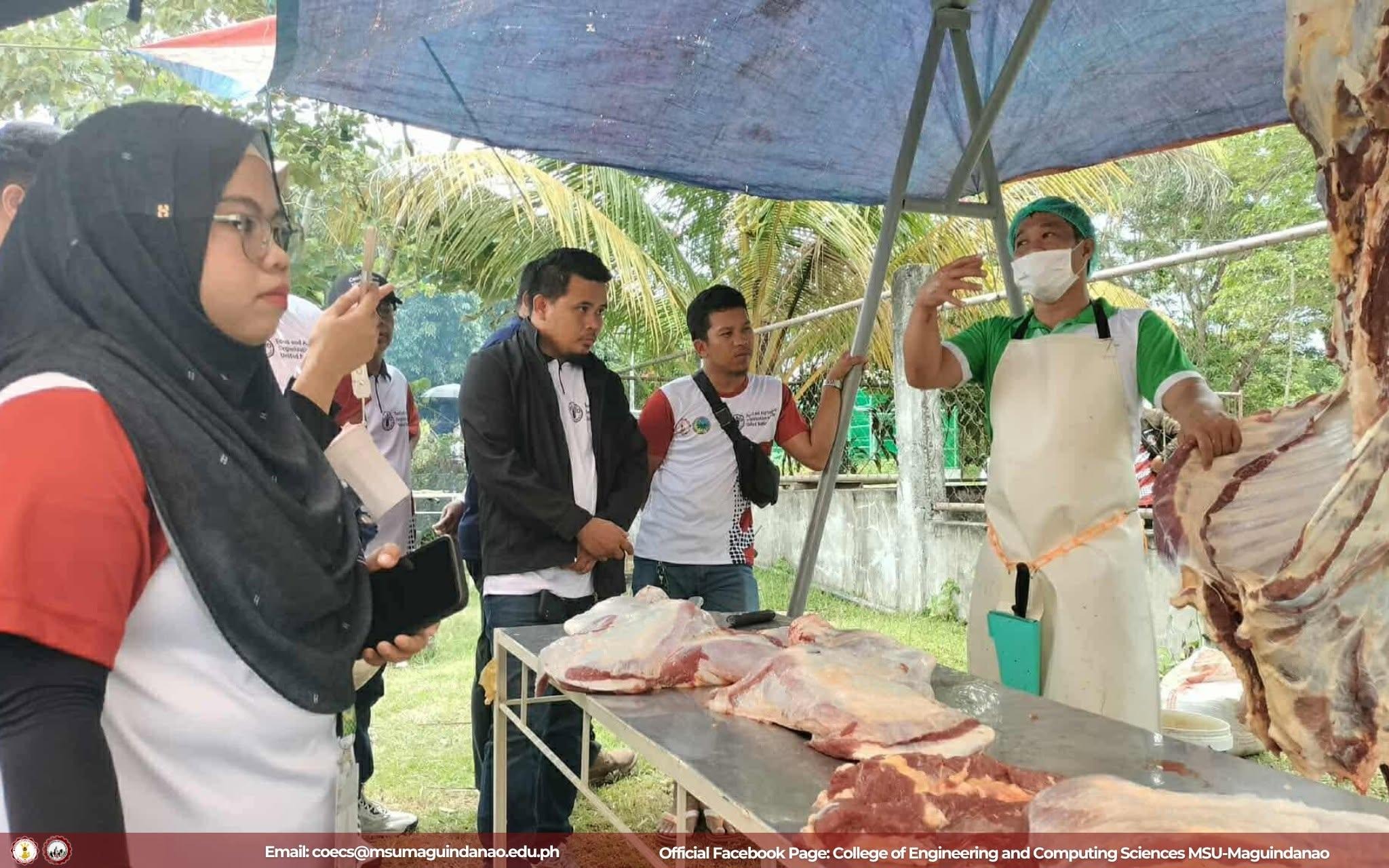
MSU–Maguindanao Trains Farmers in Halal Livestock Production to Strengthen Rural Livelihoods
Mindanao State University–Maguindanao, through its College of Agriculture and College of Engineering and Computing Sciences, partnered with the Food and Agriculture Organization of the United Nations (FAO) and the Ministry of Agriculture, Fisheries and Agrarian Reform (MAFAR) to conduct a five-day Farmers’ Training on Halal Livestock Production from October 2–6, 2025. Implemented under the TCP/PHI/3903 Project on the Development of Halal Agricultural Production Systems in Mindanao, Phase II, the initiative equipped farmers and agricultural practitioners with practical knowledge to improve livestock management and strengthen livelihood opportunities.Farmers and agricultural practitioners participating in the five-day Farmers’ Training on Halal Livestock Production, October 2–6, 2025.The training featured lectures, demonstrations, and hands-on activities on Halal slaughtering of cattle and goats, allowing participants to apply the full cycle of halal livestock production practices. In her closing message, Dr. Raquel S. Arenas, Vice Chancellor for Research and Extension, emphasized that this initiative is more than a technical training; it is part of a larger mission to empower local farmers, elevate livestock quality, and enhance Mindanao’s reputation as a center for authentic and ethical halal food production.Resource persons from MSU–Maguindanao and MAFAR included Dr. Manan E. Undong, Asst. Prof. Shiela Mae A. Dionaldo, Asst. Prof. Taskier S. Musa, Dr. Saidona A. Lawan, Sr. Agri. Norhid O. Wahab, Dr. Bai Zharinah M. Mangindra, Sr. Agri. Saban B. Belongan, and Dr. Norodin A. Kuit, among others. During the closing program, Vice Chancellor for Research and Extension Dr. Raquel S. Arenas highlighted the importance of empowering farmers, improving livestock quality, and strengthening Mindanao’s potential in ethical halal food production.The training strengthened farmers’ competencies in animal health, feeding, biosecurity, and sustainable livestock management. These skills can help farmers use local resources more efficiently, reduce preventable livestock losses, and explore livelihood opportunities in the halal agricultural sector. Participating farmers and agricultural practitioners were the direct beneficiaries, while their households and rural communities may benefit from more resilient livelihoods and improved food availability.By equipping farmers with practical production skills, the initiative lays the groundwork for more sustainable livestock enterprises, diversified livelihood opportunities, and stronger rural economic resilience across Mindanao.
December 2, 2025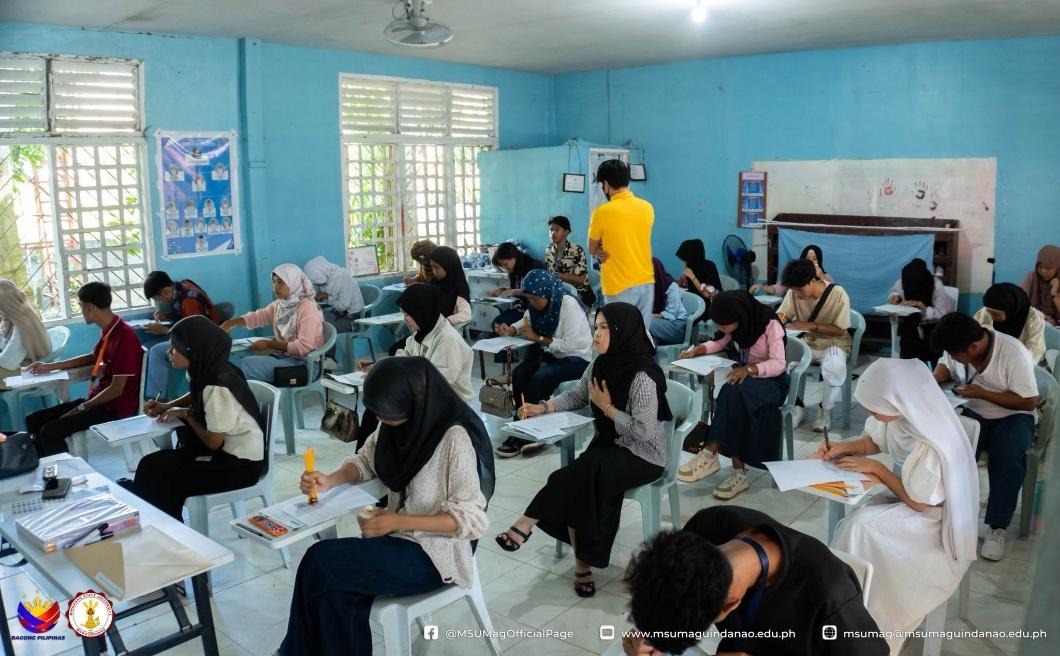
MSU–Maguindanao Expands Access to Higher Education Through MSU-SASE 2025
The Mindanao State University System Admission and Scholarship Examination (MSU-SASE) 2025 was conducted by the Admissions Office of Mindanao State University–Maguindanao on October 5, 2025. The examination accommodated 4,429 examinees through different testing centers, providing prospective students with accessible venues to participate in the university admission and scholarship process.The examination was administered at MSU–Maguindanao and partner testing venues, including South Upi National High School, Cotabato City National High School, Salaman Institute, Esperanza National High School, and Tacurong National High School, as well as MSU–Maguindanao campuses in Parang and Paglat. This decentralized approach helped reduce geographical barriers that may prevent students from participating in higher education admission opportunities.By bringing the admission and scholarship examination closer to different communities, MSU–Maguindanao strengthened access to educational opportunities that can support students’ long-term academic and socioeconomic prospects. The initiative also demonstrated the University’s capacity to coordinate admission services across multiple locations and engage local educational institutions in widening access to higher education.Building on this initiative, MSU–Maguindanao aims to expand accessible admission and scholarship opportunities, empowering more students to pursue higher education and contributing to the sustainable development of communities across the region.
November 28, 2025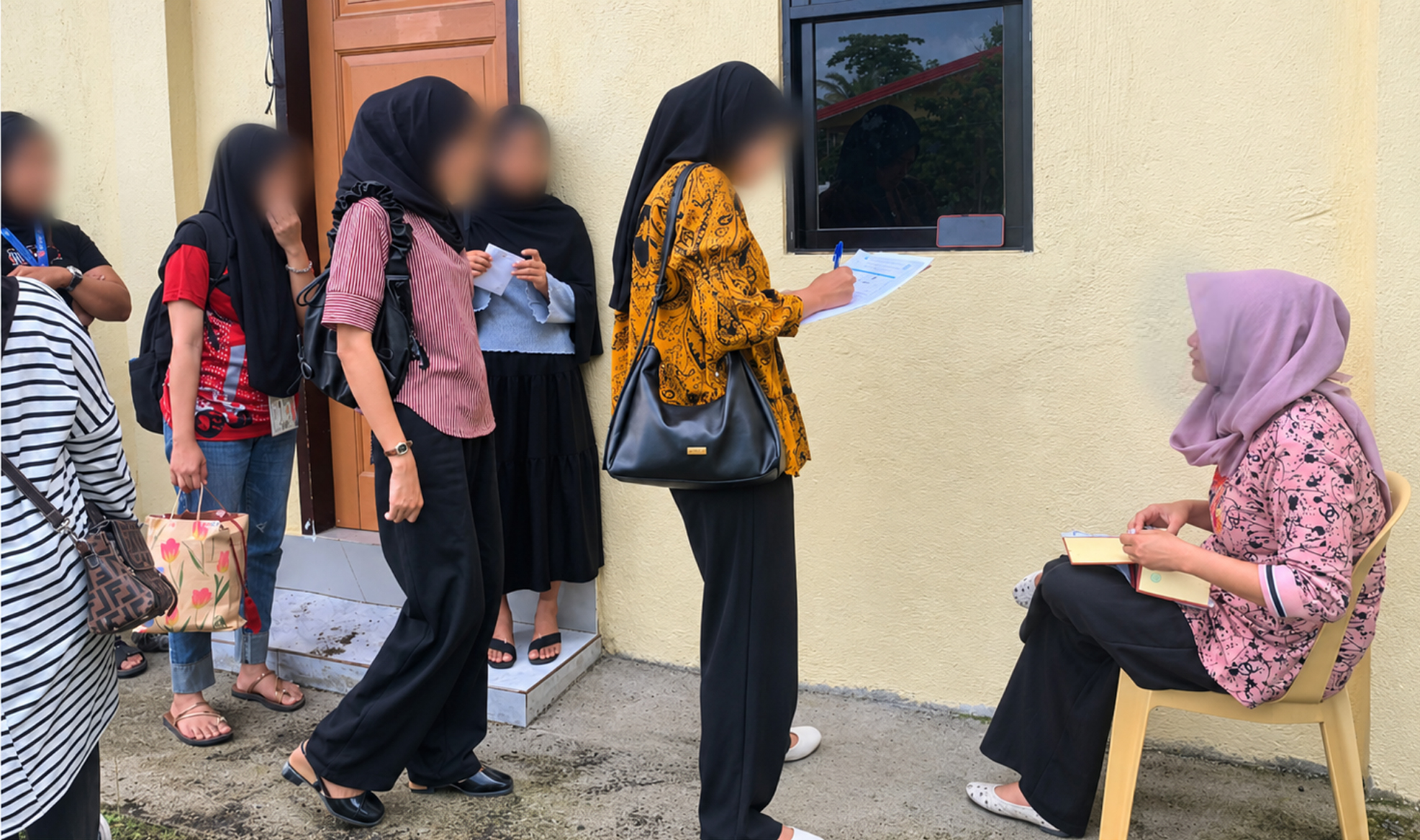
MSU–Maguindanao Facilitates Financial Assistance for Undergraduate Research Through Bangsamoro Parliament Support
Eighteen fourth-year students of Mindanao State University–Maguindanao (MSU–Maguindanao) received financial assistance from Bangsamoro Autonomous Region in Muslim Mindanao (BARMM) Member of Parliament Tomanda Antok, a former faculty member of the University, to support their undergraduate research activities for Academic Year 2025–2026.Students lining forThe assistance prioritized qualified students from the College of Agriculture, with ten beneficiaries, while two students each from the College of Fisheries, College of Forestry and Environmental Studies, College of Engineering and Computing Sciences, and College of Public Affairs and Governance also received support. The University facilitated the initiative by providing a list of qualified student beneficiaries, enabling the allocation of financial assistance to support their research-related academic expenses.The initiative reflects the importance of cooperation between higher education institutions and government representatives in addressing financial barriers to education. By supporting students in completing their undergraduate research, the assistance contributes to equitable access to quality tertiary education, inclusive learning opportunities, research capacity development, and reduced educational inequalities.MSU–Maguindanao remains committed to facilitating similar opportunities through continued engagement with government officials and other stakeholders, ensuring that financial constraints do not hinder students from pursuing academic excellence, research, and innovation.
November 5, 2025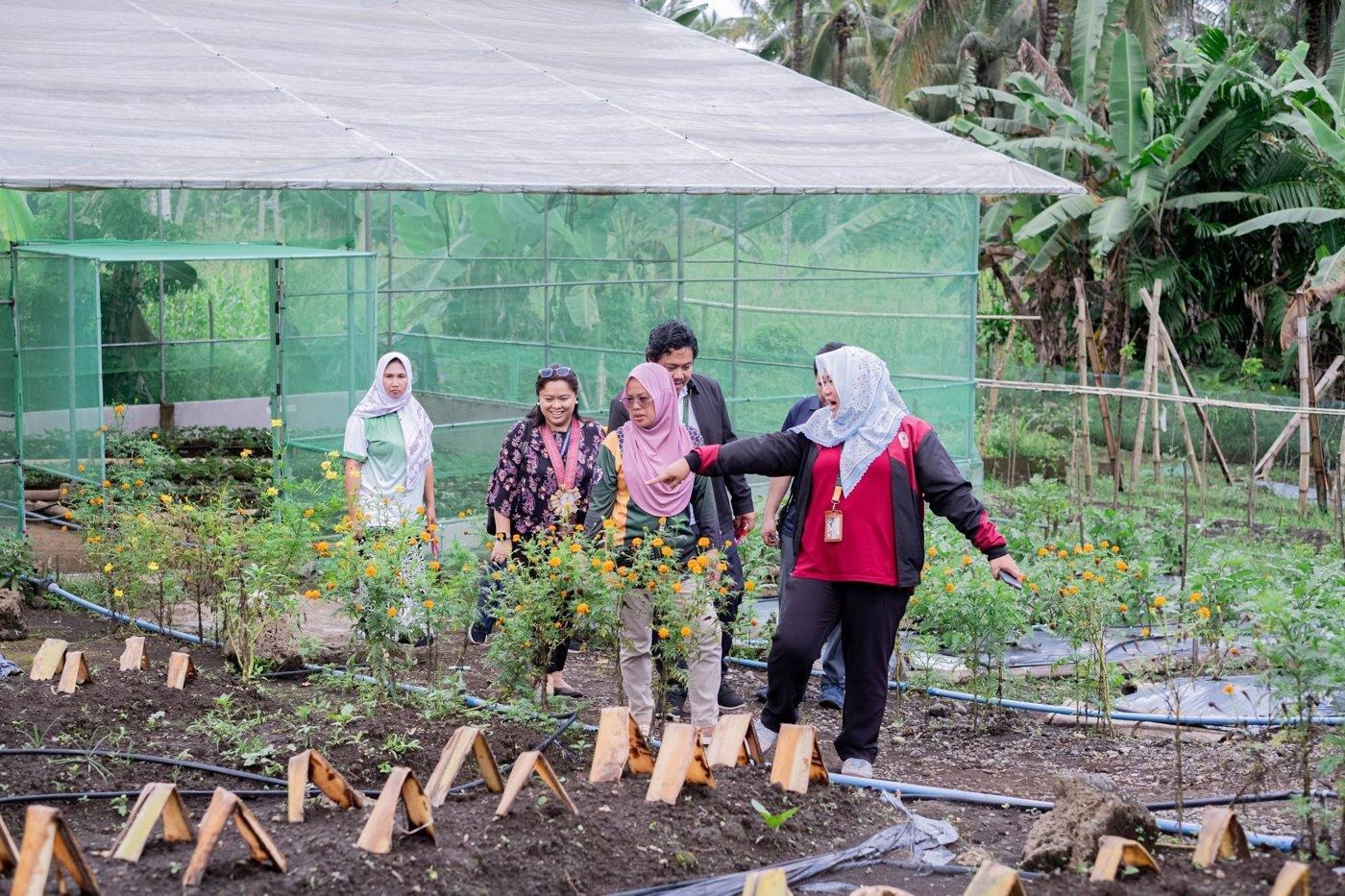
Livelihood Projects Reach 2,075 Beneficiaries in Camps Badre, Omar, and Abubakar as MSU–Maguindanao Extends Outreach Education to the Wider Community
Drip irrigation, halal goat raising, and cooperative management were among the skills taught in Camps Badre, Omar, and Abubakar, where livelihood projects of Mindanao State University–Maguindanao reached 2,075 beneficiaries, part of the University’s dedicated outreach educational activities for the wider community. The University also held voter education sessions in 20 barangays, ran a review program for Grade 12 learners from remote communities, and offered career guidance and a job fair for its alumni.For Local Residents of Camps Badre, Omar, and AbubakarUnder the peace agreement between the government and the Moro Islamic Liberation Front, the camps are being transformed into peaceful and productive civilian communities, and their residents, including former combatants and their families, need skills for new livelihoods. Under the camp transformation program funded by the Office of the Presidential Adviser on Peace, Reconciliation and Unity and coordinated with the Joint Task Forces on Camps Transformation, University teams led by Program Leader Dr. Raquel D. Santiago-Arenas reached 695 beneficiaries in Camp Badre and 720 in Camp Omar (₱10,182,314 each) and 660 in Camp Abubakar (₱12,000,000) from July 2024 to August 2025.In 2024, before any technical training, beneficiaries in the three camps first completed a Values Transformation Training, a ₱7,289,310 (about US$127,300) program funded by the Bangsamoro Development Agency that reached 500 beneficiaries. The technical training then covered drip irrigation, soil analysis, vermiculture and organic fertilizer, halal goat raising, native chicken production, fish farming, food processing, financial literacy, and cooperative management. The projects serve ten cooperatives and community organizations, three of them women’s groups. On June 18, 2025, the University and OPAPRU turned over the Camp Abubakar projects, including a newly constructed kitchen facility for the Calagan Women’s Marketing Cooperative and the Gawad Kalinga Village Togaig Farmer’s Marketing Cooperative, while the community kitchens in the other camps, completed in 2025, are scheduled for turnover. After the training, University teams hold Kamustahan sessions and follow-up check-ins with the cooperatives to monitor how the projects are doing. The projects now benefit 95 cooperative members, and each cooperative earns an average monthly income of ₱18,000 (about US$314). In Camp Abubakar, the new poultry house now yields at least 25 eggs a day. Hadja Farisah M. Abas, president of the Sigay Kutawaton RTW Women’s Marketing Cooperative in Camp Badre, said that income from organic vegetables now helps members cover their daily expenses and their children’s school allowance.The camp cooperatives now run their own farm and food enterprises, and the University plans to strengthen their value chains and markets in the next phases of the program.Cooperative members and University extension personnel inspect the climate-smart vegetable farm set up through the camp transformation program.Hadja Farisah M. Abas, president of the Sigay Kutawaton RTW Women’s Marketing Cooperative, attests to the income members now earn from organic vegetables.For local residents of Maguindanao barangaysAhead of the first Bangsamoro parliamentary elections, 15 Political Science faculty, with 13 BA Political Science students serving as the secretariat, held voter education sessions on September 27, 2025, in 20 barangays of Datu Salibo, Datu Anggal Midtimbang, and Datu Odin Sinsuat, explaining the peace process that created BARMM, the new parliamentary system, and how to vote. From August 23 to September 13, 2025, the University also ran a free SASE Review Program on four Saturdays for Grade 12 learners from disadvantaged and remote communities, covering Mathematics, Science, English, and Aptitude to prepare them for the University’s admission and scholarship examination.MSU–Maguindanao Voter Education Champions and LENTE gather with barangay residents after a Voters’ Education Campaign session on the BARMM parliamentary system, September 27, 2025University reviewers prepare Grade 12 learners from remote communities for the admission and scholarship examination, 2025.For alumniThe University held a one-day Job Fair and Career Guidance on June 13, 2025, at its Datu Odin Sinsuat Gymnasium with the Ministry of Labor and Employment (MOLE) of BARMM, organized through the Division of Student Affairs, for alumni, fresh graduates, graduating students, and other job seekers. The fair answered a persistent gap between finishing a degree and finding work, particularly for graduates from underserved communities who have few chances to meet employers close to home. A career guidance lecture prepared participants to choose career paths and meet employer expectations, and the Philippine Coast Guard, the Lamsan Group of Companies, 3ME Manpower Services, VXI Global Holdings, and SM SaveMore presented their vacancies, explained their qualifications and recruitment procedures, and met applicants on site. More than 200 job seekers took part, 66 of them alumni of the University.Alumni, fresh graduates, and other job seekers register for the Job Fair and Career Guidance with MOLE-BARMM, Datu Odin Sinsuat Gymnasium, June 13, 2025.Graduating students and job-seeking alumni register for the Job Fair and Career Guidance, University Gymnasium, June 13, 2025
October 5, 2025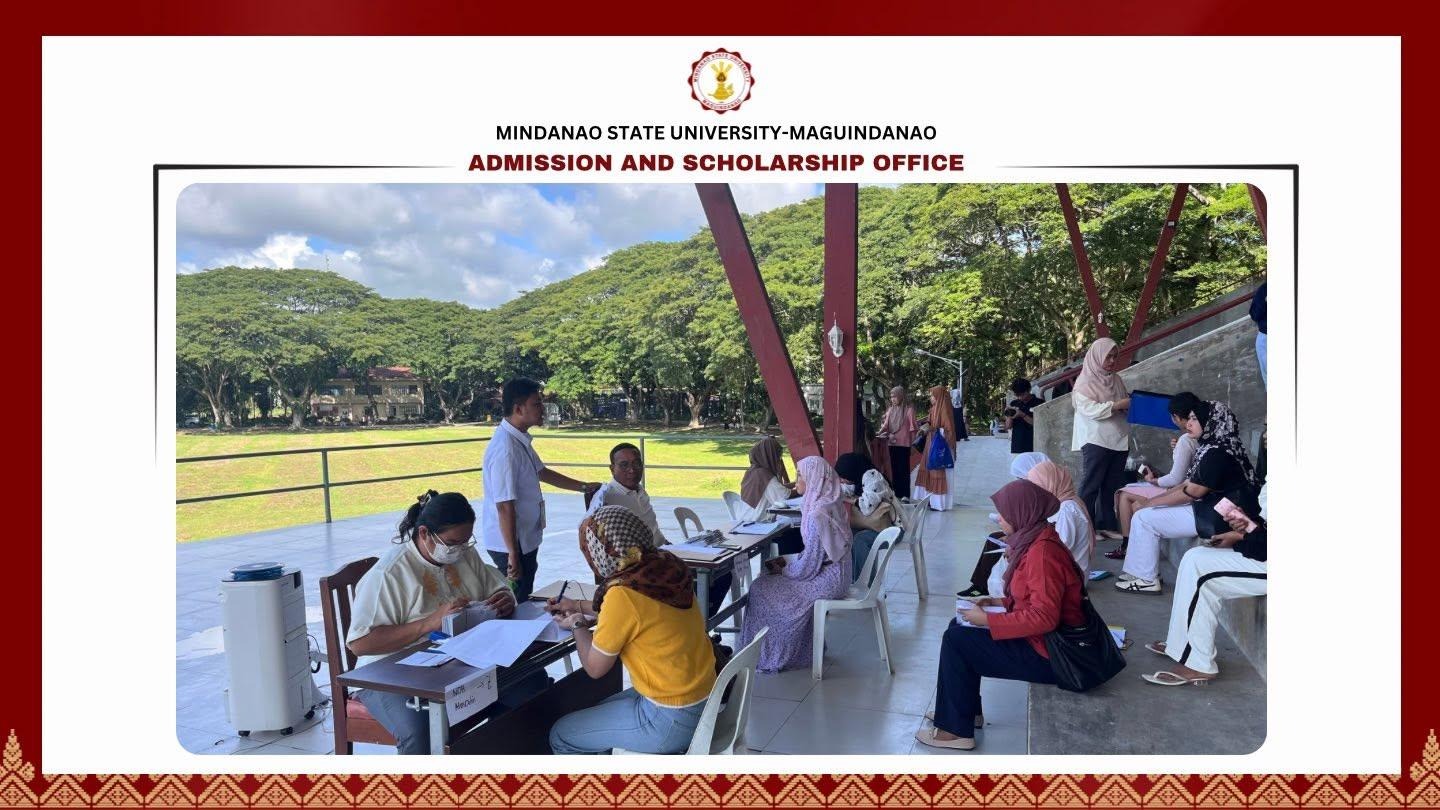
Tulong Dunong Program Extends Financial Support to 277 MSU–Maguindanao Students
The Admission and Scholarship Office of Mindanao State University–Maguindanao, in coordination with the Commission on Higher Education (CHED), distributed cash assistance to 277 qualified students under the Tulong Dunong Program–State Universities and Colleges (TDP-SUC) on August 11, 2025. The initiative provided financial aid to help beneficiaries manage education-related expenses and pursue their academic goals.Student beneficiaries during the distributionThe distribution was facilitated at MSU–Maguindanao, enabling qualified students to receive one-time financial assistance. Through its partnership with CHED, the University helped deliver government-supported educational assistance to eligible students, reinforcing its commitment to student welfare and access to higher education.The program helped ease some of the financial pressures faced by the 277 student beneficiaries and their families. By providing direct financial support, the initiative contributes to addressing economic barriers to education and creating opportunities for students to continue their studies and pursue better livelihood prospects.Moving forward, the institution seeks to strengthen its student assistance mechanisms and sustain partnerships with CHED to help qualified students overcome financial barriers and continue their higher education.
October 1, 2025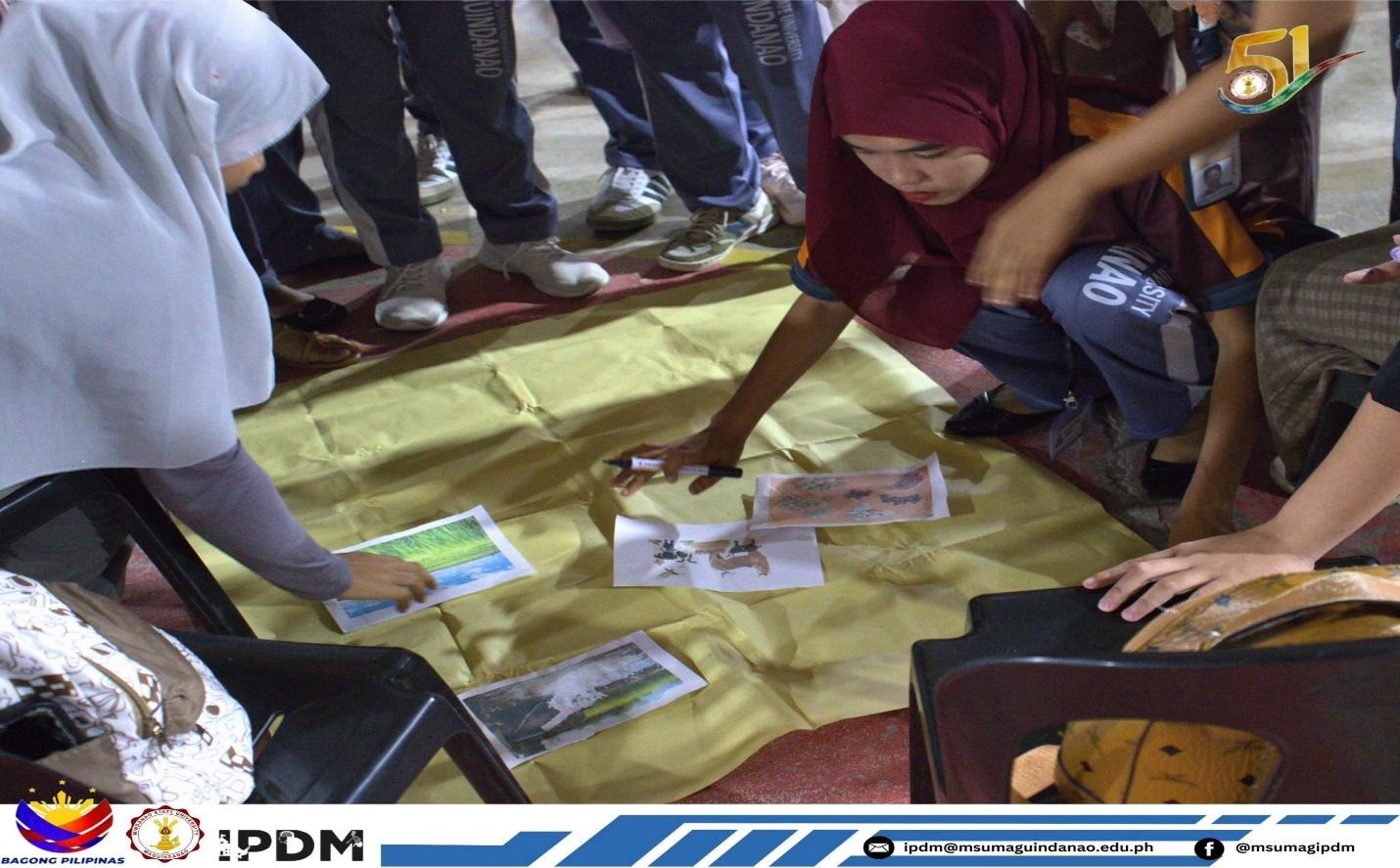
Planting Seeds of Peace: MSU–Maguindanao Conducts FPE101 Session on Agricultural Development
Agricultural development plays an important role in promoting peace by addressing poverty, strengthening food security, and expanding livelihood opportunities. Recognizing this connection, Mindanao State University–Maguindanao, through its Institute for Peace and Development in Mindanao (IPDM), in collaboration with the College of Agriculture (COA), conducted an FPE101 session on Agricultural Development in Support of Peace on February 7, 2025. Facilitated by Ms. Ma. Fe Cordon, the session engaged agriculture students in examining how sustainable agriculture can contribute to community resilience and lasting peace.The discussion highlighted how sustainable agricultural practices, equitable access to resources, and community-based farming initiatives can strengthen self-sufficiency and economic resilience. Through interactive discussions and real-world examples, students examined how agricultural development can help address poverty, expand livelihood opportunities, and contribute to lasting peace, particularly in conflict-affected communities.Agriculture serves not only as a source of food but also as a pathway to livelihood generation, poverty reduction, and peacebuilding. The session encouraged students to recognize their role as future agricultural professionals in supporting farming communities and advancing inclusive development across the Bangsamoro region.The institution will continue to integrate peace education and sustainable agricultural development into its academic activities to prepare graduates who can help strengthen rural livelihoods, improve food security, and promote lasting peace in Bangsamoro communities.
April 12, 2025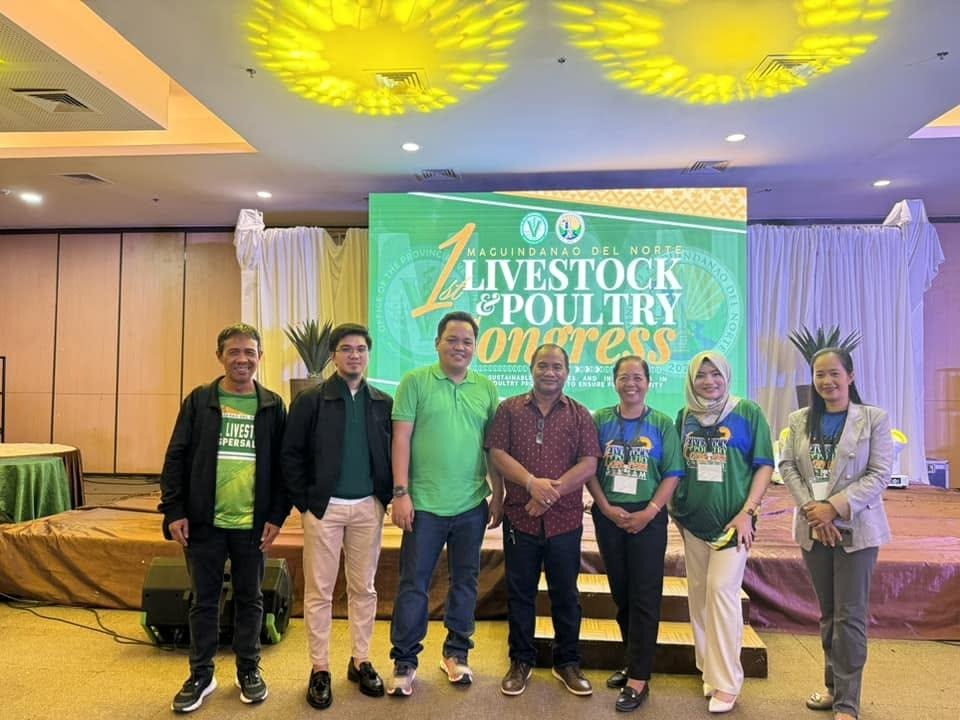
Training session on ALCAMS and agroforestry development, demonstrating the integration of scientific knowledge and practical land-management approaches
The Department of Animal Science of the College of Agriculture, Mindanao State University–Maguindanao, joined farmers, agricultural experts, and government representatives in exchanging knowledge on sustainable livestock and poultry production during the 1st Livestock and Poultry Congress held on January 14, 2025, at the Mall of Alnor, Cotabato City. Organized by the Office of the Provincial Veterinarian–Maguindanao del Norte in collaboration with the Provincial Government of Maguindanao del Norte, the Congress gathered more than 300 participants to discuss agricultural innovations and practices that support food security and rural livelihoods.Agricultural stakeholders gathered to exchange knowledge on sustainable livestock and poultry productiThe Congress featured expert discussions on livestock health, productivity, dairy production, animal care, and halal certification. Faculty members and students engaged with agricultural practitioners and other stakeholders, gaining insights into current production practices and the challenges faced by the livestock and poultry sector. The activity also provided opportunities to strengthen professional connections among academic institutions, government agencies, and farming communities.Through this knowledge exchange, farmers and livestock producers gained access to technical information that may help improve animal health, farm productivity, and sustainable production practices. Faculty members and students benefited from professional learning and direct engagement with agricultural stakeholders, while strengthened partnerships can support future collaboration in agricultural education and extension.Connecting academic expertise with the needs of farming communities can help promote more productive agricultural practices, diversify livelihood opportunities, and strengthen rural economic resilience. Continued collaboration among educational institutions, government agencies, and agricultural stakeholders can support sustainable livestock and poultry production, improve food availability, and expand livelihood opportunities across the Bangsamoro region.
March 14, 2025