Mindanao State University–Maguindanao, through the Office of the Vice Chancellor for Planning and Development, conducted its 2025 Stakeholders' Consultation Meeting on February 28, 2025, at the DOS Gymnasium. The University brought together its officials, faculty, staff, students, alumni, and parents with local government units and representatives of the Ministry of Health, the Ministry of Public Works, and the Rural Health Unit of Datu Odin Sinsuat. The goal was to make sure that the people the University serves have a direct voice in shaping its programs.
University officials presented the University's accomplishments, development priorities, and proposed programs for 2026 in infrastructure, research, extension, and health services. In an open forum, stakeholders gave feedback and recommendations on these priorities and on community needs. The discussions also covered the MILF Camp Transformation Projects and the MNLF Study Grant Program supported by the Office of the Presidential Adviser on Peace, Reconciliation and Unity (OPAPRU), linking the University's plans with peacebuilding and community development efforts in the Bangsamoro. The meeting ended with a Commitment Wall Signing, in which participants pledged their support for the University's future initiatives.
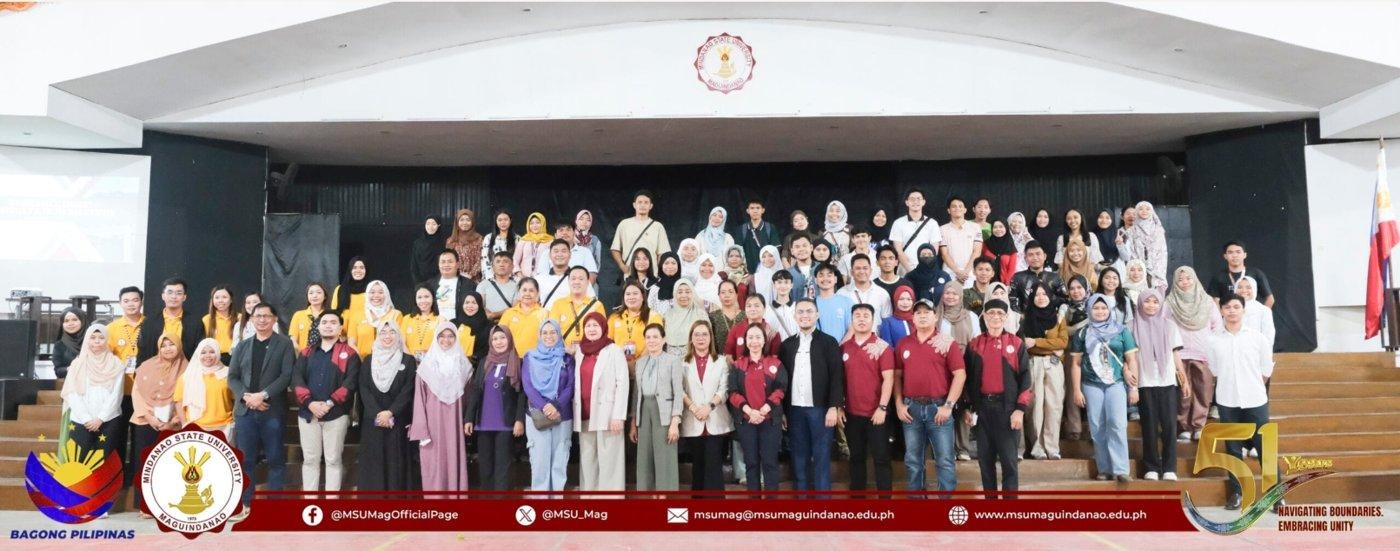
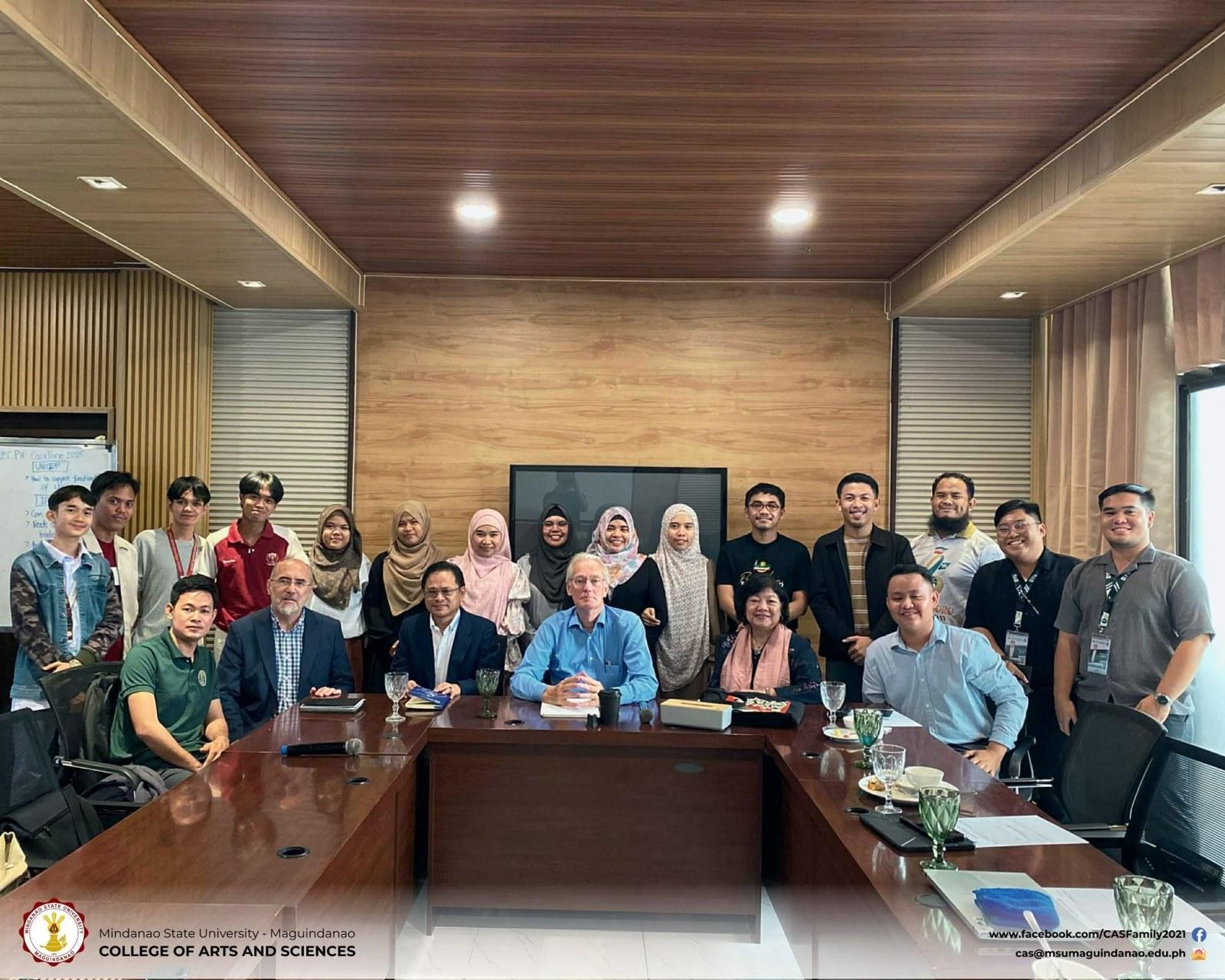
Participants of the 2025 MSU–Maguindanao Stakeholders' Consultation Meeting, February 28, 2025.
The consultation gathered recommendations that were incorporated into the University's 2026 plans, and strengthened the University's working relationships with government agencies and local partners. By opening its planning to parents, alumni, local communities, and public agencies, the University empowers and promotes the social and political inclusion of all, irrespective of status, and ensures that decisions on its services are responsive, inclusive, and participatory, while building effective partnerships with government and local stakeholders.
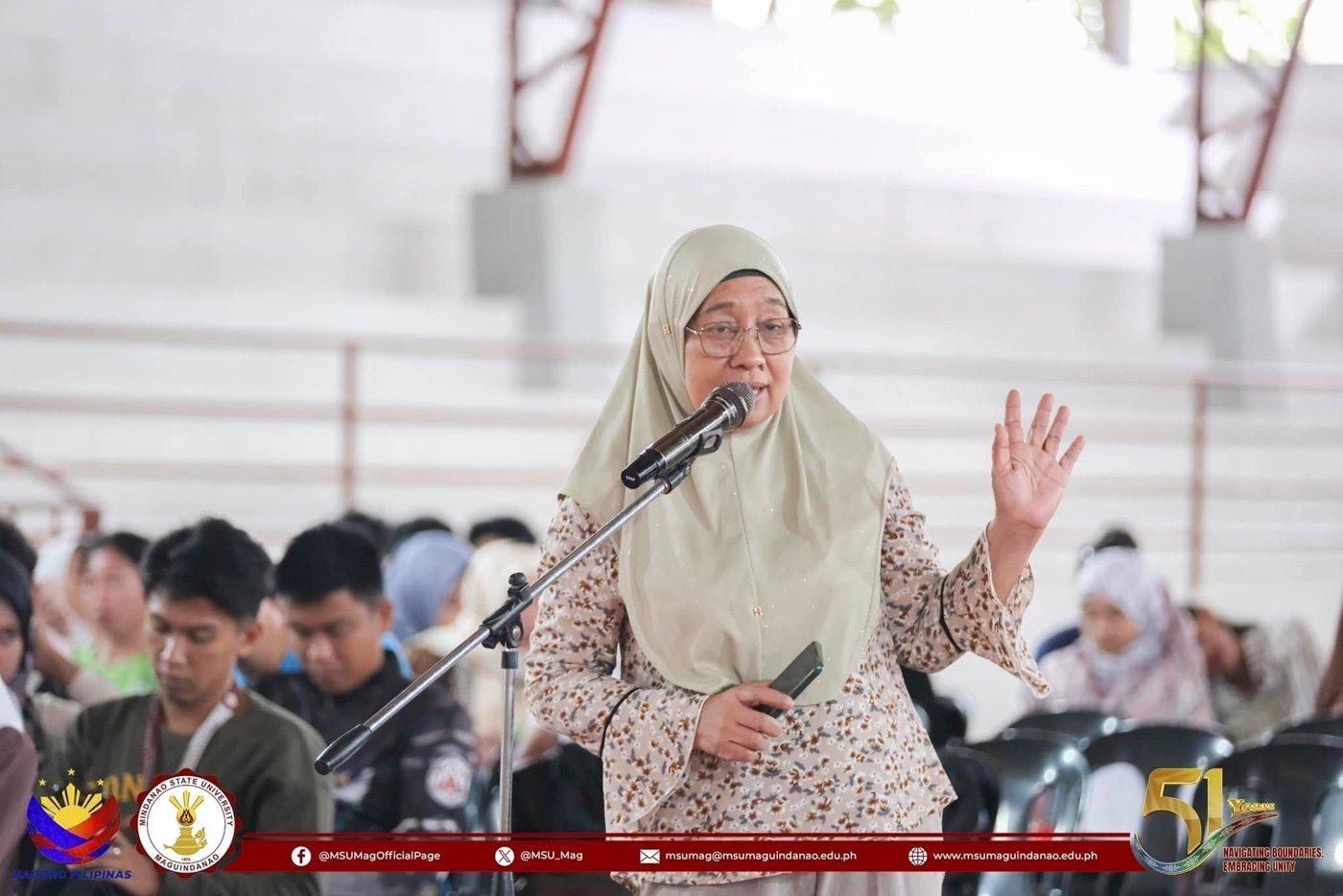
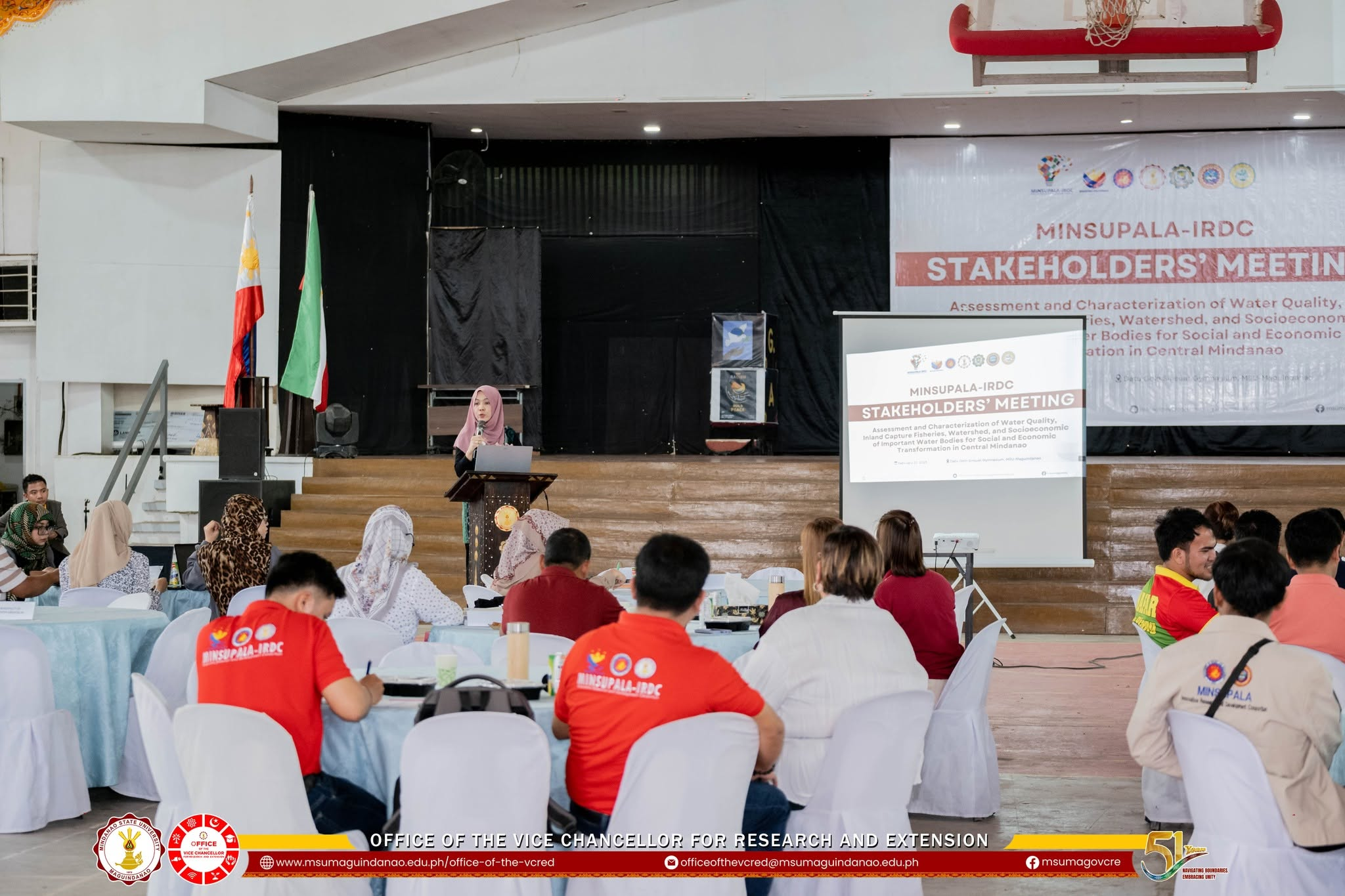
A stakeholder raises a concern during the open forum.
The University will continue to hold stakeholder consultations each year and to report back on how the recommendations shape its programs, making participatory planning a standing part of its governance.