River Water Quality Monitoring through Government and Community Partnerships
The University strengthened its participation in monitoring and assessing aquatic ecosystem health through river water-quality sampling, research on important inland water bodies, and collaboration with government environmental agencies, local government units, and other academic institutions. These initiatives generated scientific information on water quality, fisheries resources, watershed conditions, and aquatic biodiversity to support environmental protection and the sustainable management of the region's aquatic ecosystems.
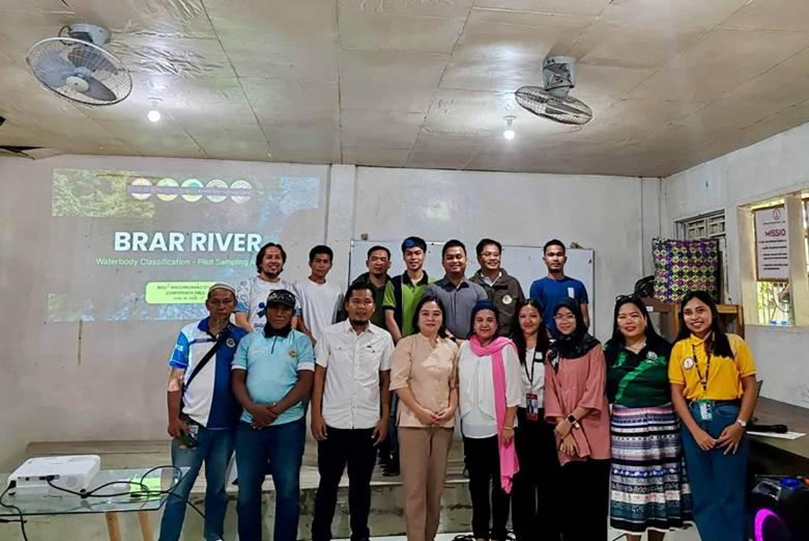
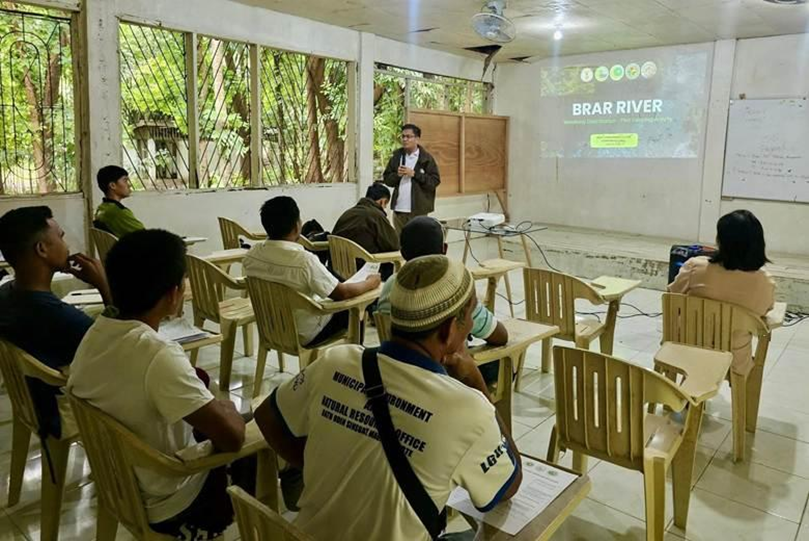
A direct example was the joint river water-quality monitoring and protection initiative conducted on June 30, 2025. Through the College of Forestry and Environmental Science, the University partnered with the Ministry of Environment, Natural Resources, and Energy–Environmental Management Services (MENRE-EMS) and the Local Government Unit of Datu Odin Sinsuat to launch the Brar River Pilot Water Sampling Program and continue water-quality monitoring in the Simuay River. The activity included an orientation on standardized water-sampling procedures and waterbody classification for faculty members, students, and local government personnel, consistent with Republic Act No. 9275, or the Philippine Clean Water Act of 2004. Building on the Adopt-an-Estero partnership established in 2022, the initiative strengthened local capacity for environmental monitoring. MENRE-EMS also continued regular water sampling at three established monitoring stations along the Simuay River, with the University serving as an institutional partner in the monitoring initiative.
research
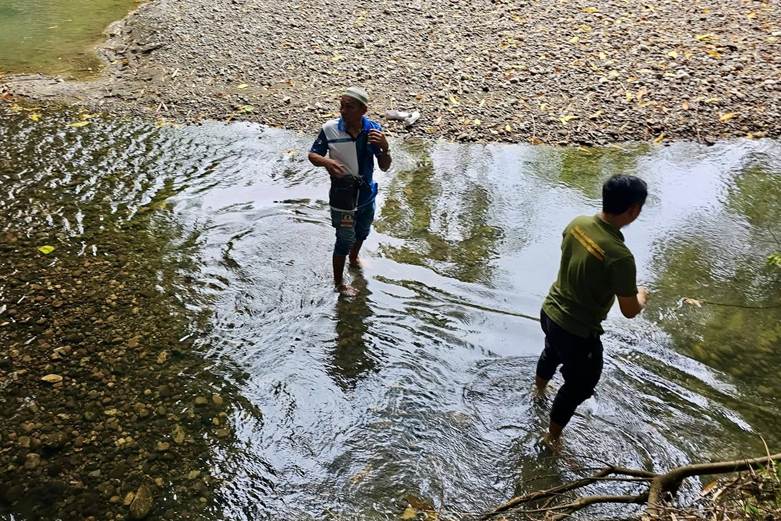
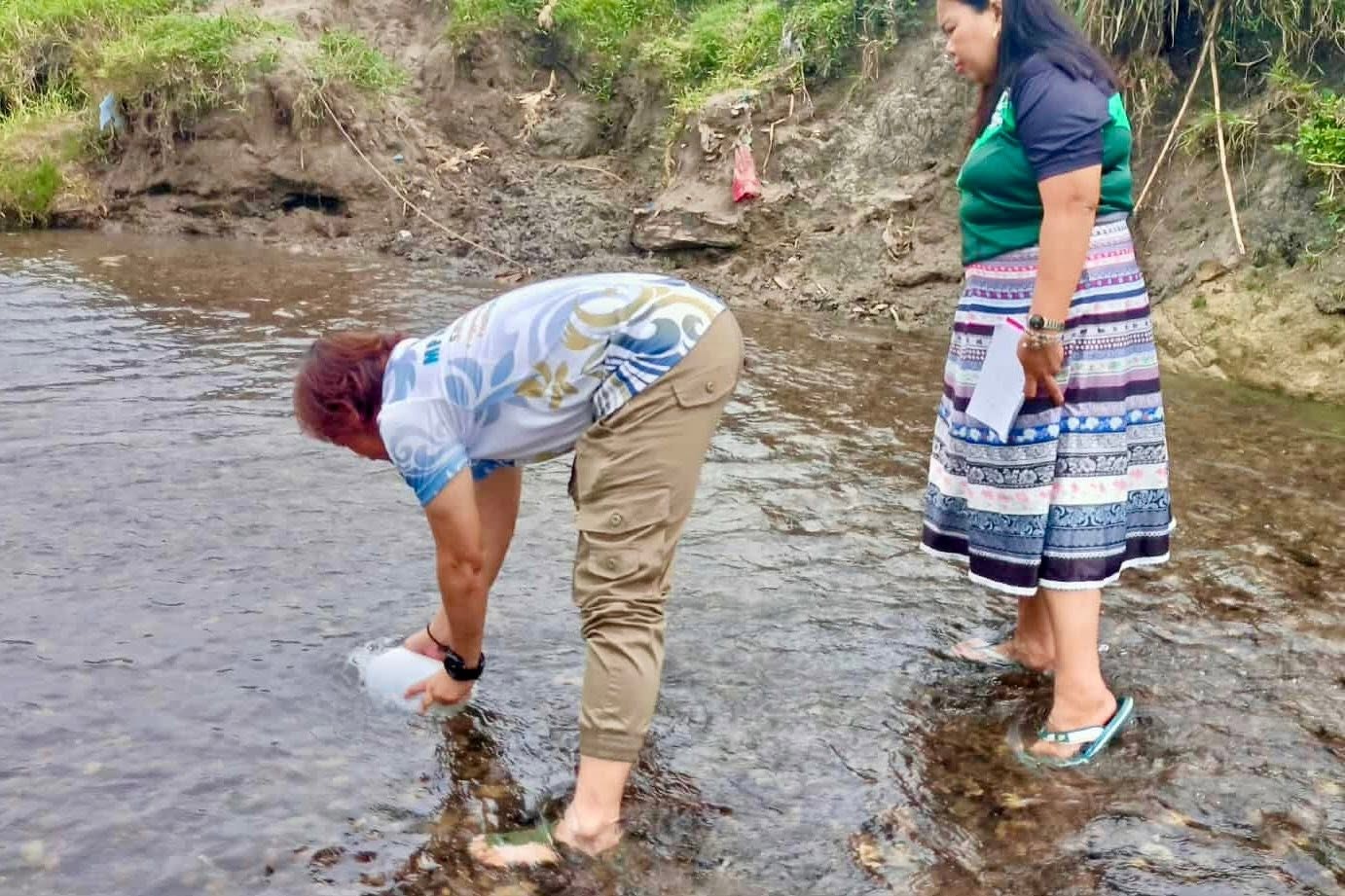
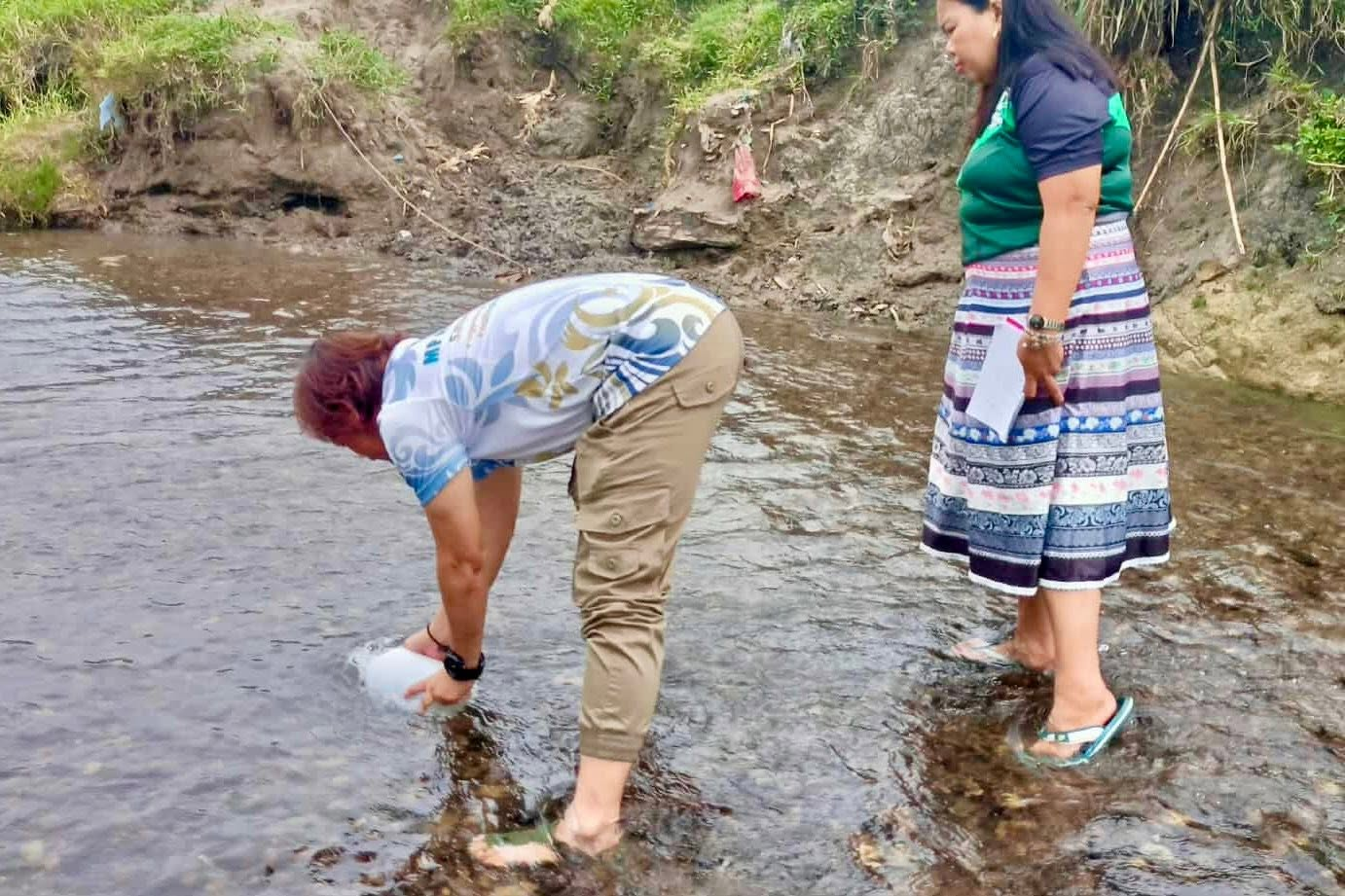
Faculty members and research personnel conduct river water-quality sampling and field monitoring along the Brar Rivers, Maguindanao Del Sur
Collaborative Research and Assessment of Major Inland Aquatic Ecosystems
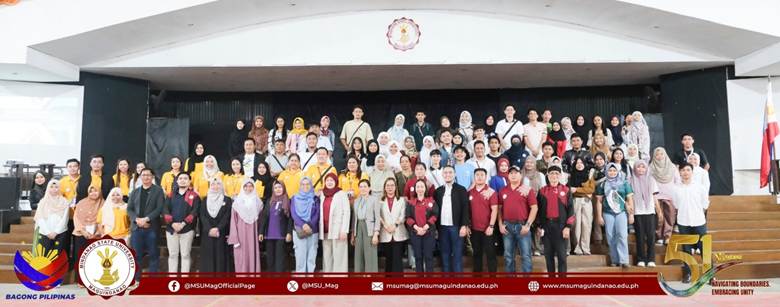
The University's participation in aquatic ecosystem assessment was further demonstrated through the Mindanao-Sulu-Palawan Innovative Research and Development Consortium (MinSuPala-IRDC). On February 27, 2025, the University hosted a Stakeholders' Consultation that brought together four state universities and colleges (SUCs) to present research findings on the environmental conditions of important water bodies in Central Mindanao and the Bangsamoro Autonomous Region in Muslim Mindanao (BARMM). The consultation formed part of the ₱45-million (US $ 776,800) Department of Budget and Management (DBM)-funded research project entitled “Assessment and Characterization of Water Quality, Inland Capture Fisheries, Watershed, and Socioeconomic Aspects of Important Water Bodies for Social and Economic Transformation in Central Mindanao.” The research covered four major aquatic ecosystems: Ligawasan Marsh, Lake Buluan, the Rio Grande de Mindanao, and Lake Lanao.
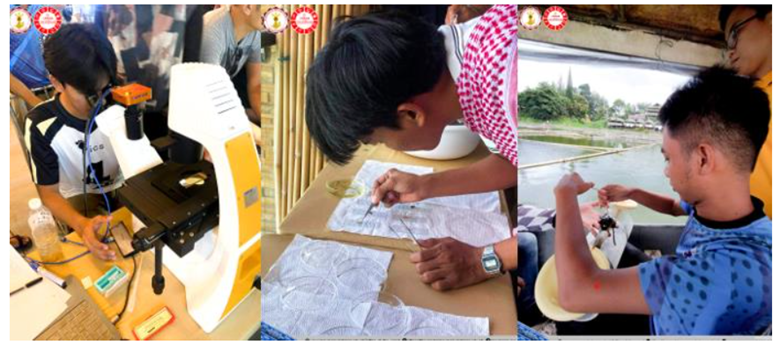
Researcher conducted water-quality assessment through the collection and laboratory examination of water samples, using scientific equipment and field-based sampling procedures to evaluate the condition of selected water bodies.
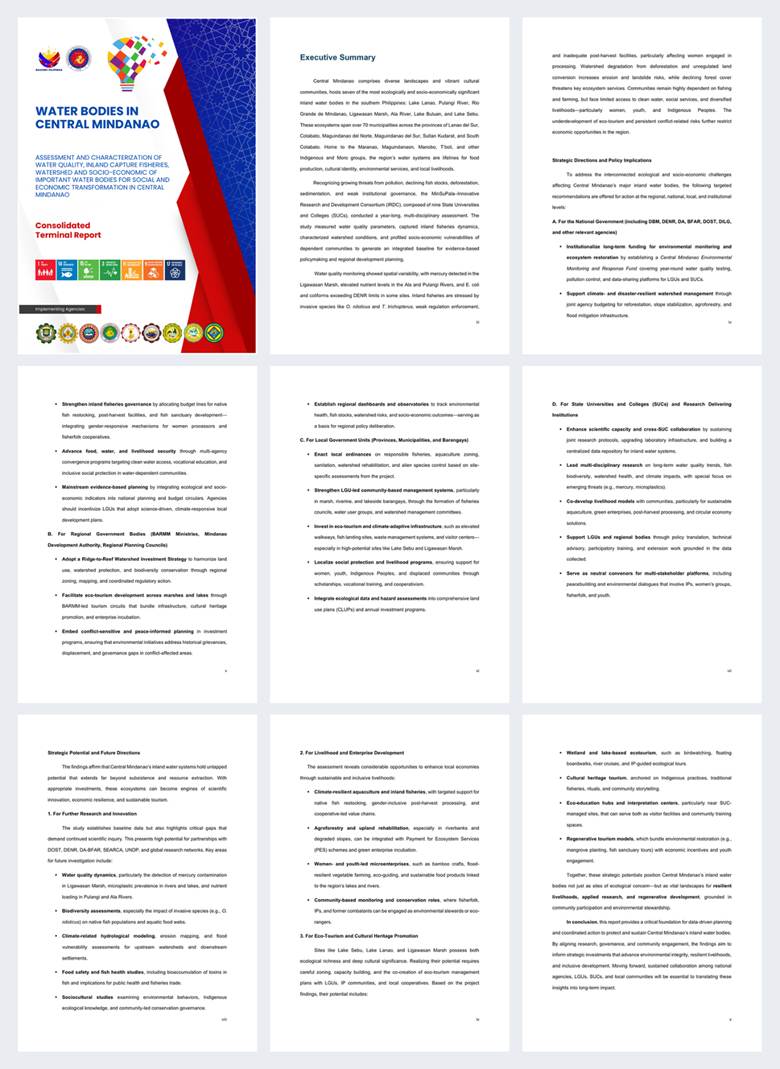
Consolidated Terminal Report titled “Water Bodies in Central Mindanao,” documenting the assessment and characterization of water quality, inland capture fisheries, watershed conditions, and socioeconomic aspects of important water bodies to support sustainable resource management and social and economic transformation in Central Mindanao.
Researchers from MSU–Maguindanao, the University of Southern Mindanao–Kidapawan City Campus (USM-KCC), Cotabato State University (CotSU), and Adiong Memorial State College (AMSC) presented assessments of water quality, fisheries resources, watershed conditions, and socio-economic factors affecting these aquatic ecosystems. The findings provided scientific information for identifying environmental concerns, determining conservation priorities, and supporting the sustainable management of aquatic resources. The consultation also engaged representatives from the Ministry of Agriculture, Fisheries and Agrarian Reform–BARMM, the Bangsamoro Planning and Development Authority, DOST-PCAARRD, provincial environmental offices, and participating local government units. Through the discussions, researchers and government stakeholders exchanged information and considered how research findings could guide environmental planning, ecosystem monitoring, pollution prevention, and conservation initiatives.
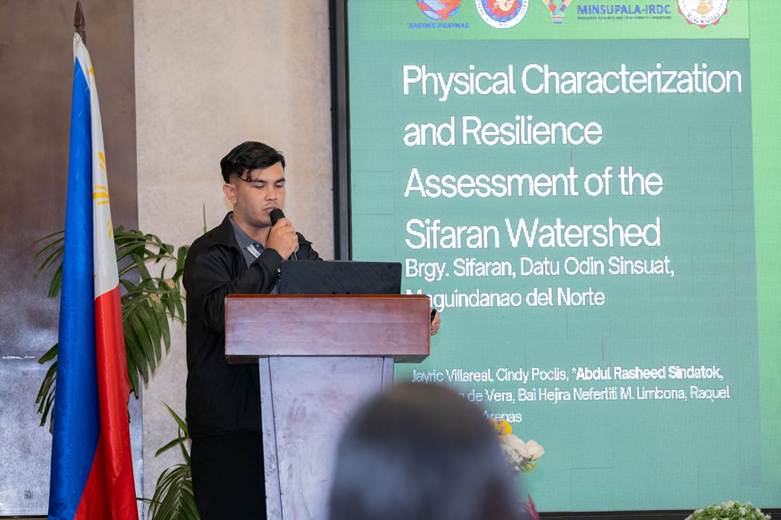
A researcher presents the findings of the collaborative assessment of water quality, fisheries resources, watershed conditions, and socioeconomic factors affecting aquatic ecosystems in Central Mindanao, sharing scientific results and recommendations with academic institutions, government agencies, and local stakeholders to support evidence-based environmental planning and sustainable natural resource management.
Community-Based Monitoring and Identification of Aquatic Biodiversity Priorities
Further support for water quality and aquatic bioassessment was provided through coordination meetings with the local government units of Cotabato City, Kabuntalan, Talitay, Datu Piang, and Northern Kabuntalan. Under Phase 2 of the MinSuPala-IRDC project, “Establishment and Preservation of Indigenous Fish and Crop Products,” community leaders, farmers, and fisherfolk participated in a Prioritization Tool Survey to identify indigenous fish and other biological resources requiring preservation. This activity contributed local knowledge to the identification of biodiversity conservation priorities and the protection of aquatic ecosystems.
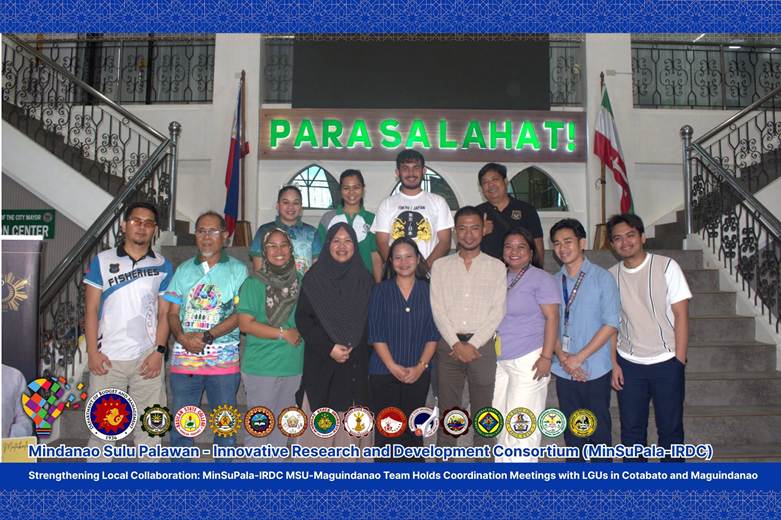
The MSU–Maguindanao team of MinSuPala–IRDC conducts coordination meetings and strengthens partnerships with local government units in Cotabato and Maguindanao to promote collaborative research, institutional cooperation, and community-based initiatives for sustainable regional development.
Continuing Institutional Commitment to Aquatic Ecosystem Monitoring
Through these activities, the University demonstrated its institutional participation in monitoring and assessing aquatic ecosystem health in 2025. Its partnership with MENRE-EMS and the local government supported direct river water-quality monitoring, while MinSuPala-IRDC research provided broader assessments of water quality, inland fisheries, watershed conditions, and aquatic biodiversity in major water bodies across Central Mindanao and BARMM. These efforts strengthened the University's contribution to science-based environmental planning, the identification of ecological concerns, and the sustainable management and conservation of aquatic ecosystems.