An educational framework for the Erumanen Menuvu Tribe, a peace curriculum and learning book, and voter education in 20 barangays came out of the 2025 work of Mindanao State University–Maguindanao with three non-government organizations, through research programmes, the development of educational resources, and volunteering. Its partners were the Philippine Center for Islam and Democracy (PCID), the Asian Center of Education, Research and Tutelage for Innovation, Inc. (ACERT), and the Legal Network for Truthful Elections (LENTE).
Research Programmes
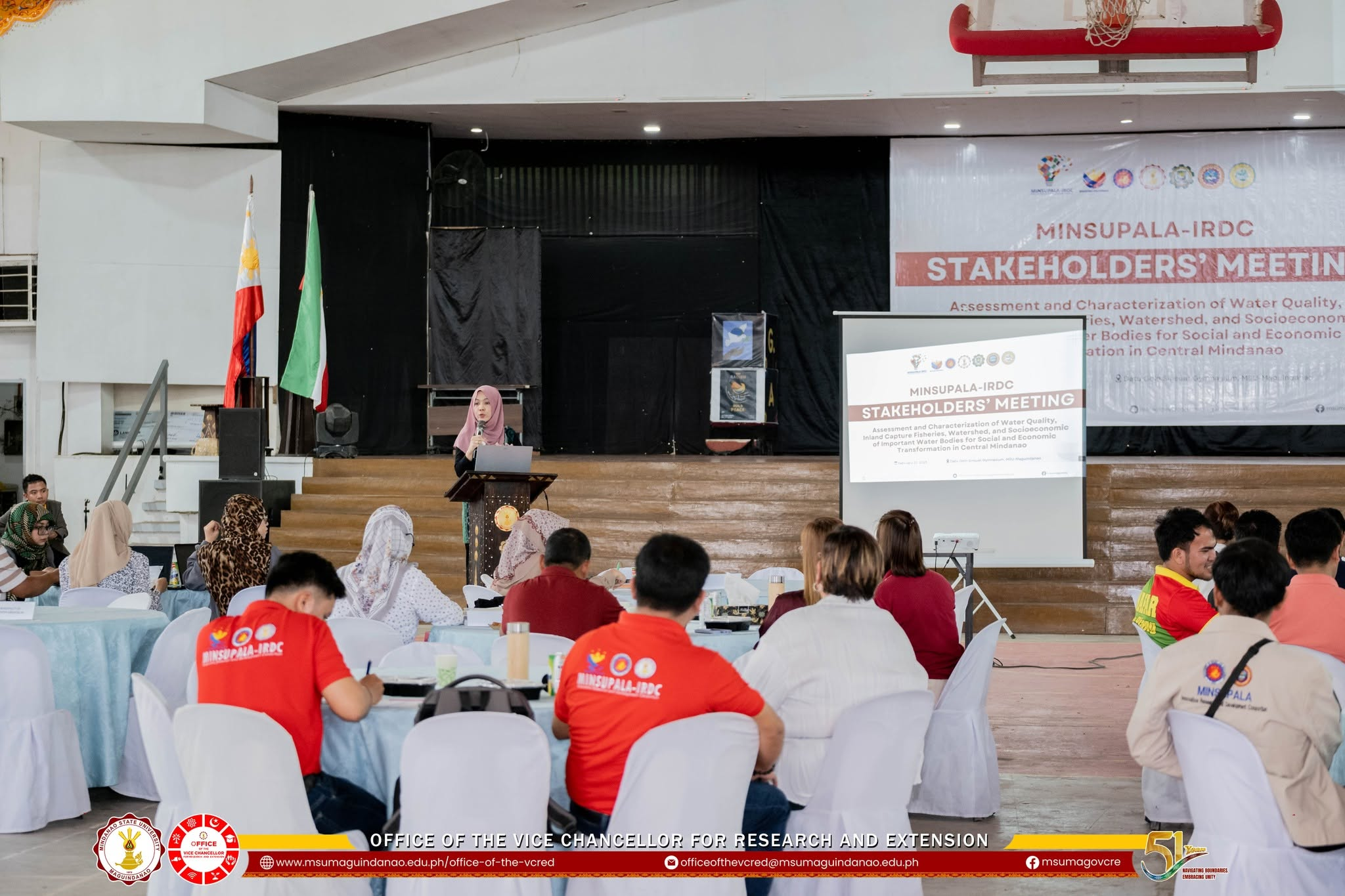
Indigenous learners in many communities are taught with materials that do not reflect their language, customs, or way of life. Since May 2025, MSU–Maguindanao, ACERT, and MSU–Tawi-Tawi College of Technology and Oceanography have been developing an Indigenous Peoples Education Framework for the Erumanen Menuvu Tribe, under a Memorandum of Agreement signed on January 24, 2025. The ₱1,451,000 ($24,584 USD) project, funded by MSU–TCTO and ACERT, studies how the tribe’s knowledge and practices can be built into the education of its children, and will produce a terminal report and a manuscript for publication by February 2026.
Development of Educational Resources
PCID is a non-government organization that works for democracy, peace, and good governance in Muslim communities in the Philippines. It is the University’s key institutional partner in rolling out the Diploma in Women, Peace and Security (DWPS), which trains government personnel, civil society workers, and community leaders in women’s participation in peacebuilding. Together, the University and PCID developed and delivered the program’s curriculum and materials, which produced 31 graduates in its first cohort. The program’s learning book, “Dialogue Beyond Borders: Reimagining Women, Peace, and Security through the Yogyakarta-Bangsamoro Experience,” launched on October 29, 2025, at the Philippine Conference on Women, Peace and Security, documents the lessons that Bangsamoro and Indonesian peace advocates shared during the June 2025 learning exchange in Yogyakarta.
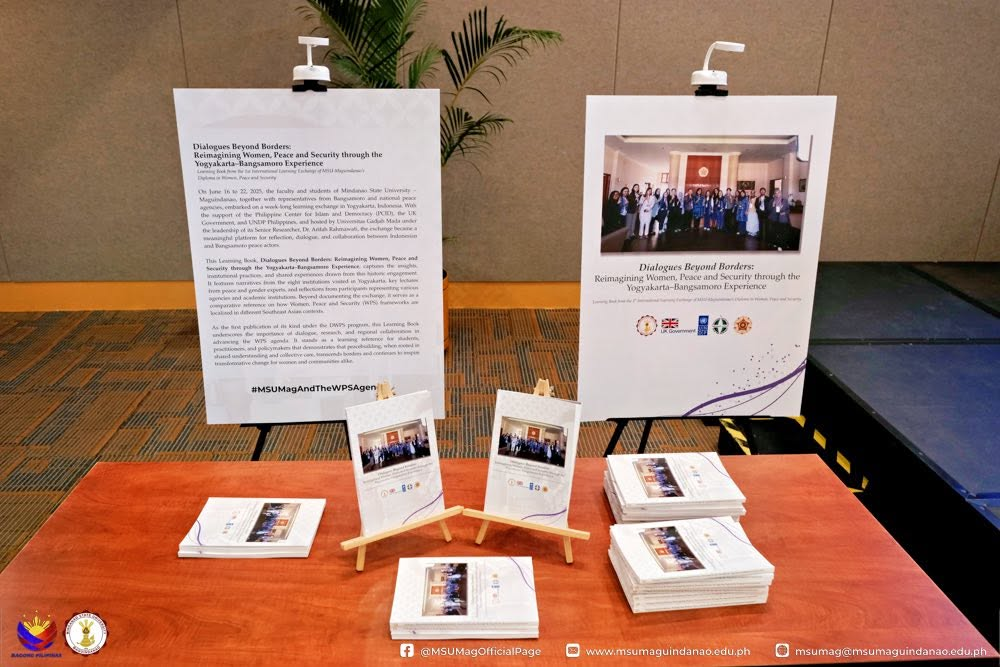
The DWPS learning book, “Dialogue Beyond Borders: Reimagining Women, Peace, and Security through the Yogyakarta-Bangsamoro Experience,” was launched on October 29, 2025, at the Philippine Conference on Women, Peace and Security.
Student Volunteering Programmes
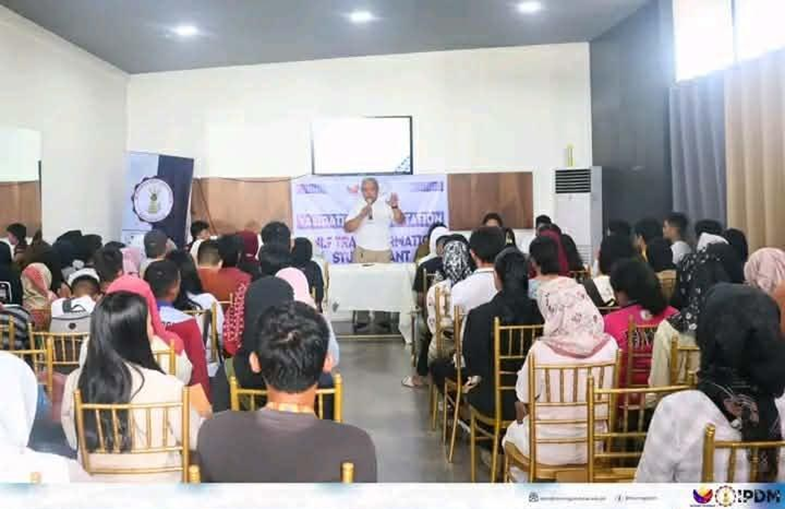
The University volunteers with LENTE, a civil society network for clean and informed elections, under a Memorandum of Agreement on election monitoring that covers the 2025 Midterm Elections and succeeding elections. LENTE trains, equips, and supervises the volunteers, while the University coordinates their participation and ensures they stay nonpartisan. On September 27, 2025, ahead of the first Bangsamoro parliamentary elections, 15 Political Science faculty volunteered as Voter Education Champions with LENTE, the Commission on Elections, the United Nations Development Programme, and two BARMM ministries, explaining the new parliamentary system and voting procedures in 20 barangays of Datu Salibo, Datu Anggal Midtimbang, and Datu Odin Sinsuat. Thirteen BA Political Science students served as the secretariat of these sessions as an activity of their department.
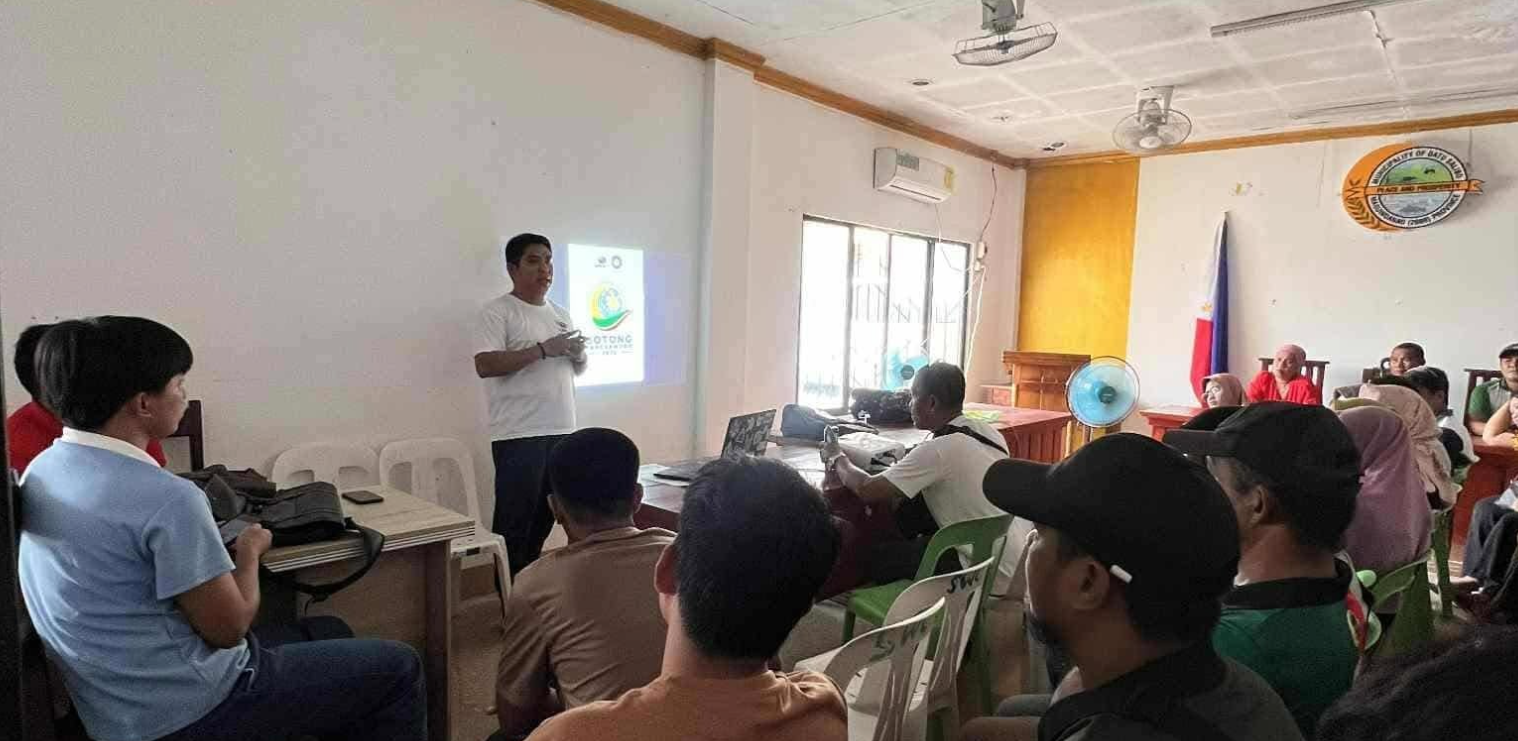
Asst. Prof. Ralph Darren Santillan, an MSU–Maguindanao Voter Education Champion in partnership with LENTE, leads residents through voting procedures in a barangay session, September 27, 2025.
What the Partnerships Have Produced
Through these partnerships, an education framework for an Indigenous community is being written with its partners, professionals across the Bangsamoro are learning from a jointly developed peace curriculum, and residents of 20 barangays received voter education, organized by Political Science faculty and their students, before the first parliamentary elections. The University aims to continue these partnerships, completing the education framework with the Indigenous community and its partners, bringing the peace curriculum to new learners, and preparing more student volunteers for voter education in future elections.