Through fisheries and aquaculture research, technical assistance, capacity-building, technology development, community engagement, and institutional recognition, the University provides opportunities for researchers, students, fisherfolk, farmers, and local communities to acquire knowledge, improve their practices, and participate in initiatives that contribute to aquatic ecosystem protection.
Strengthening Institutional Partnerships and Collaborative Research
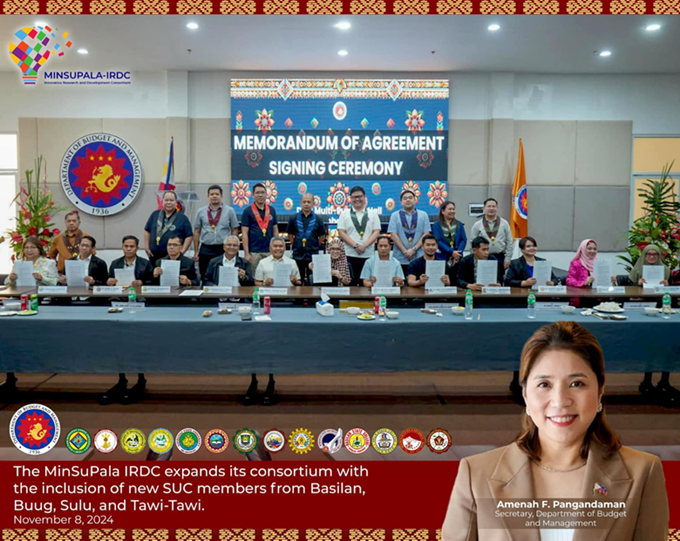
A major institutional initiative supporting aquatic stewardship is the University's participation and leadership in the Mindanao-Sulu-Palawan Innovative Research and Development Consortium (MinSuPala-IRDC). The consortium strengthened its regional research network through the formal signing of a Memorandum of Agreement on November 13, 2024, at the Department of Budget and Management (DBM) Region XI in Davao City. The agreement welcomed six additional state universities and colleges from Basilan, Buug, Sulu, and Tawi-Tawi. The expanded partnership, implemented in 2025, strengthened inter-institutional collaboration, research capacity, innovation, and regional development across Mindanao, Sulu, and Palawan. Through this network, the University supports collaborative research and knowledge-sharing initiatives that promote the responsible management and sustainable utilization of natural resources.
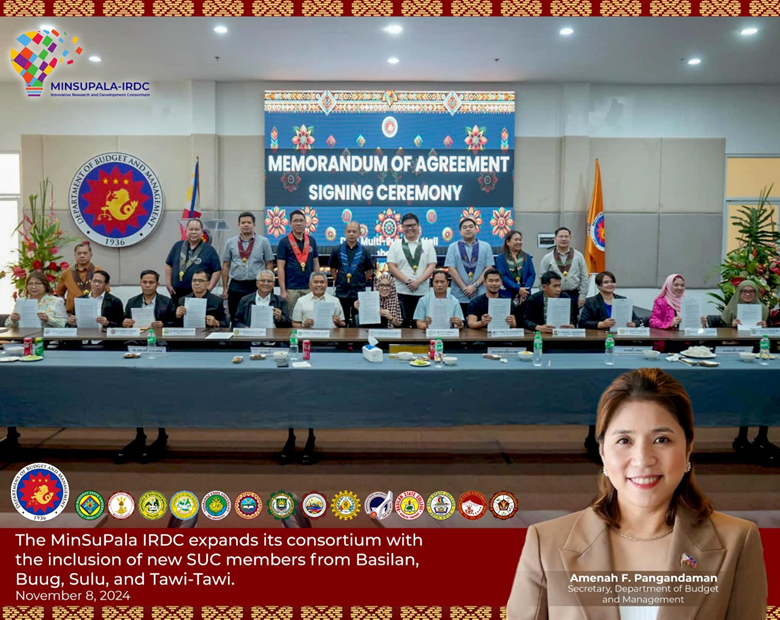
Representatives of participating state universities and colleges formalize the expansion of MinSuPala-IRDC through the signing of a Memorandum of Agreement on November 13, 2024, at DBM Region XI in Davao City. The partnership strengthens inter-institutional collaboration and provides opportunities for joint research, innovation, and sustainable natural resource management across Mindanao, Sulu, and Palawan.
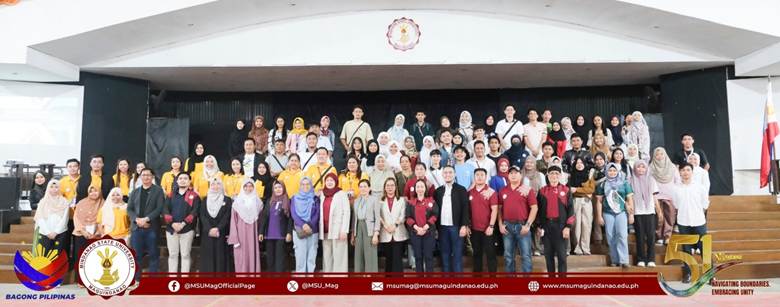
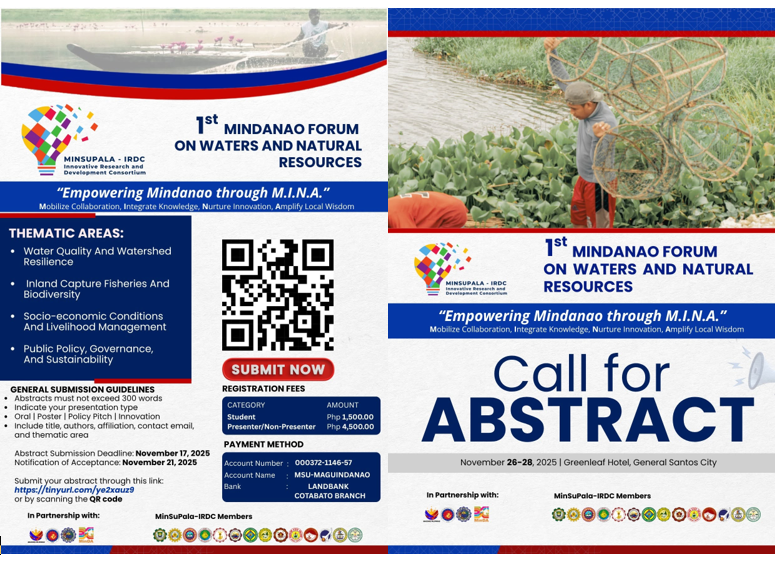
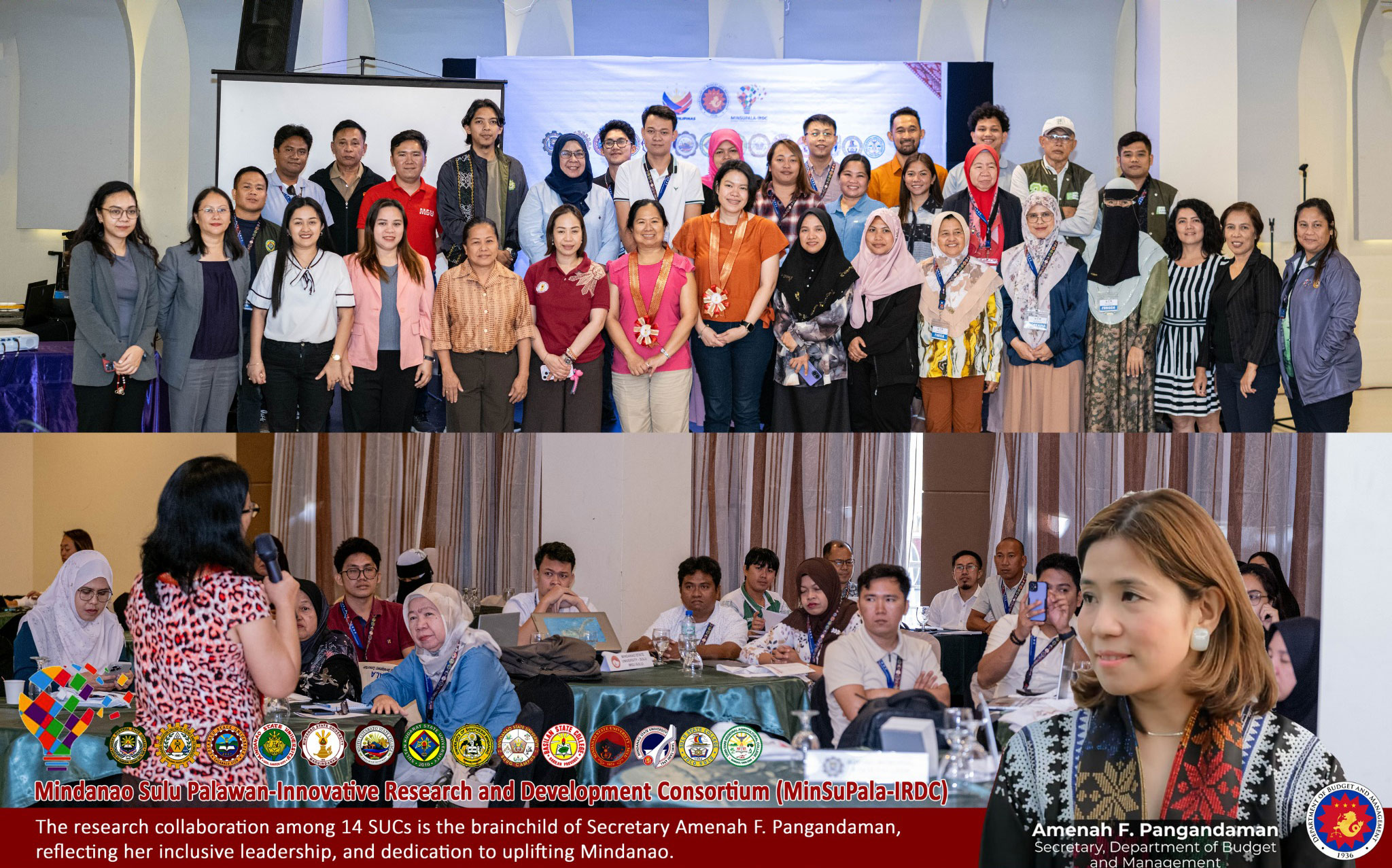
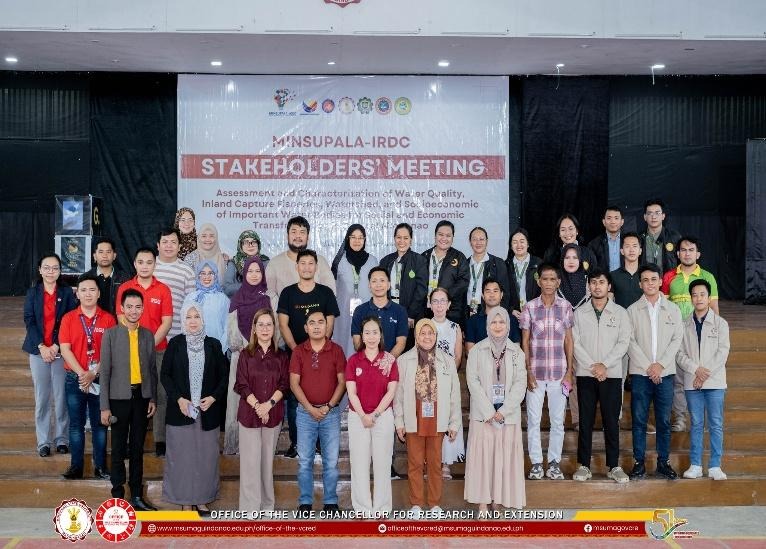
Building on this expanded partnership, MSU–Maguindanao hosted a MinSuPala-IRDC Stakeholders' Consultation on February 27, 2025, bringing together researchers from four state universities and colleges, government agencies, and local stakeholders to discuss research findings concerning Ligawasan Marsh, Lake Buluan, the Rio Grande de Mindanao, and Lake Lanao. The collaborative research examined water quality, inland capture fisheries, watershed conditions, and socioeconomic factors affecting these aquatic ecosystems. The consultation provided a platform for presenting scientific findings, identifying conservation priorities, and encouraging coordinated approaches to aquatic resource management. By bringing researchers, government representatives, and local stakeholders together, the University strengthened the connection between scientific research, environmental planning, and the needs of communities dependent on inland water resources.
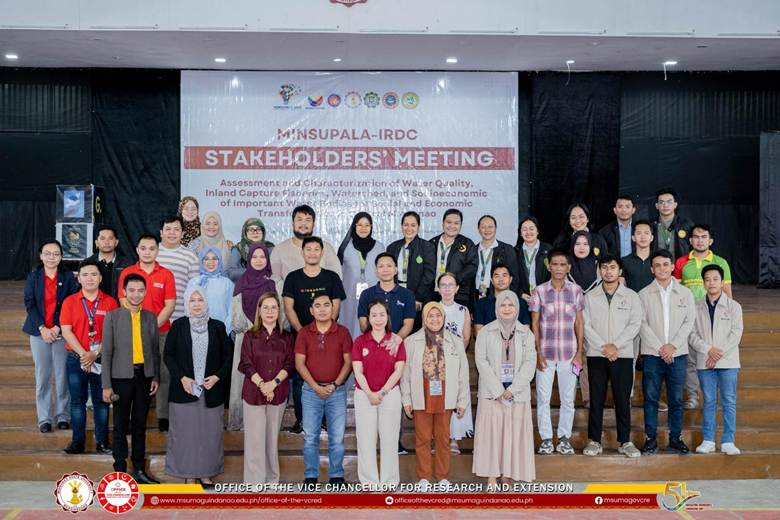
Researchers, government representatives, and local stakeholders participate in the MinSuPala-IRDC Stakeholders' Consultation hosted by MSU–Maguindanao on February 27, 2025. The consultation facilitates the sharing of research findings, identification of conservation priorities, and development of collaborative approaches to managing important inland water bodies in Central Mindanao and BARMM.
Promoting Research and Innovation for Responsible Aquaculture
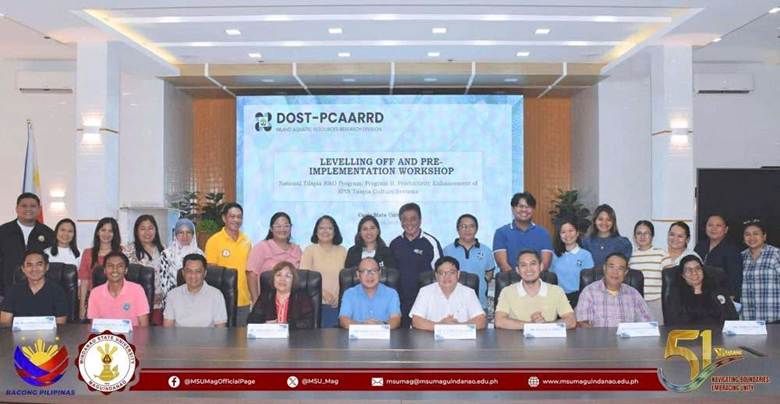
In addition to collaborative research on inland water ecosystems, the University supports the development of improved aquaculture technologies through the National Tilapia Research and Development Program, particularly Program B: Productivity Enhancement of SPIN Tilapia Culture Systems. Funded by the Department of Science and Technology–Philippine Council for Agriculture, Aquatic and Natural Resources Research and Development (DOST-PCAARRD), the program's inception meeting was held on June 19, 2025, at Capiz State University, with MSU–Maguindanao leading the collaborative research initiative. Focusing on the Saline-tolerant Population of Improved Nilotica (SPIN), the program involves partner institutions in improving hatchery and grow-out systems, feeding strategies, microbial-based nursery production, acclimation and transport methods, and locally developed probiotics. These research activities aim to improve production efficiency, strengthen fish health management, and promote better utilization of aquaculture resources. Through externally funded research, technology development, and institutional collaboration, the University encourages the adoption of improved production practices that can benefit fish farmers and contribute to more sustainable aquaculture systems.
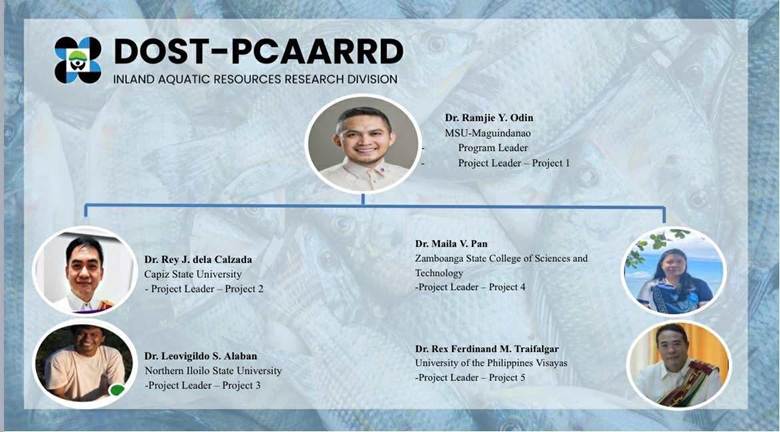
Organizational structure of the DOST-PCAARRD-funded National Tilapia Research and Development Program, Program B: Productivity Enhancement of SPIN Tilapia Culture Systems. The structure identifies the program leader and project leaders from participating institutions, demonstrating the collaborative research arrangement supporting the development and improvement of tilapia production technologies.
Translating Aquatic Stewardship into Community Livelihood Opportunities
Beyond research and technological development, the University recognizes that responsible aquatic resource management must also provide practical benefits to communities. In 2025, in collaboration with the Office of the Presidential Adviser on Peace, Reconciliation, and Unity (OPAPRU) and other development partners, MSU–Maguindanao supported sustainable and climate-smart farming initiatives among transformed Moro Islamic Liberation Front (MILF) communities in Camp Abubakar, Camp Badre, and Camp Omar. Through technical assistance, capacity-building activities, and lectures on sustainable farming, participating beneficiaries gained knowledge and practical skills in responsible fish production, integrated farming systems, efficient water utilization, and environmentally sound production practices. These activities encouraged beneficiaries to apply resource-efficient approaches to their farming and aquaculture activities while creating opportunities for livelihood improvement and community development.
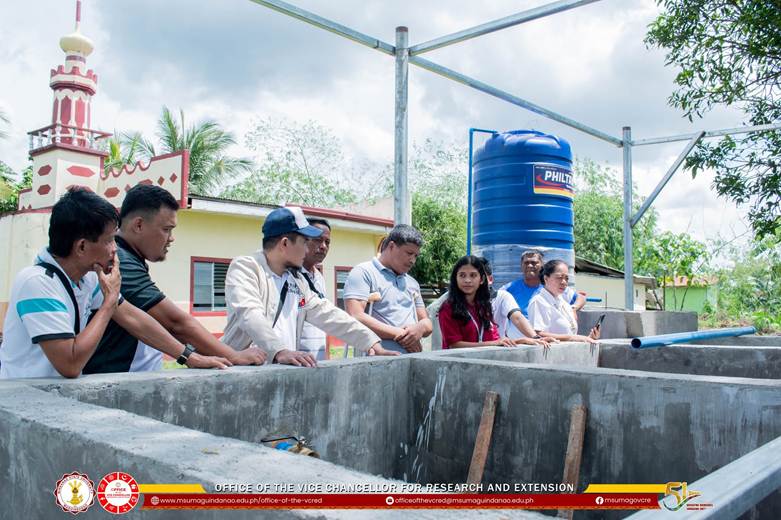
Community beneficiaries participate in fish production and sustainable farming activities supported through the University's collaboration with OPAPRU and development partners. The activity demonstrates the application of aquaculture knowledge and practical production skills in community-based livelihood development.
The livelihood initiative also connected fish production with value-added processing, product development, and marketing. Under the community livelihood initiative known as "A Taste of Peace," participating beneficiaries showcased locally produced goods, including bottled hito (catfish), tilanggit (processed tilapia), organically grown vegetables, and other halal-processed food products. One example is bottled hito (325 g), marketed under the GrowTogaig brand at ₱150.00 (USD 2.80) per jar. By linking fish production with food processing and market opportunities, the initiative enables participating communities to increase the value of their harvests, explore small enterprise development, and generate additional household income. These opportunities provide practical economic incentives for beneficiaries to sustain their livelihood activities while recognizing the value of responsible fish production and resource utilization.
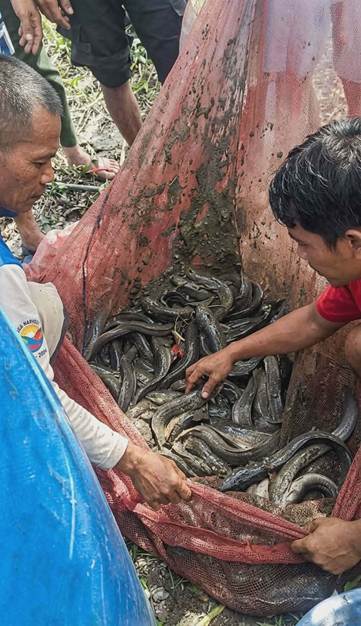
Harvesting of cultured fish using a seine net during a community-based aquaculture production activity. The activity demonstrates the practical application of fish farming as a livelihood activity and provides fish for subsequent processing and value addition.
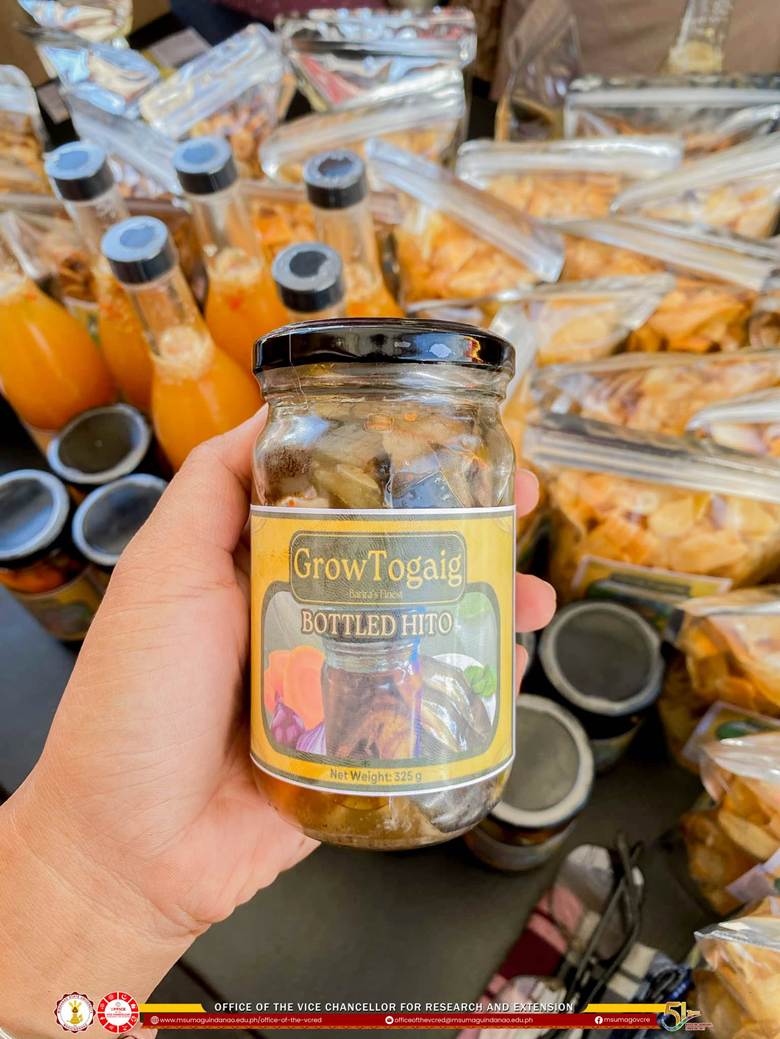
Value-added processing and marketing of bottled hito (325 g) under the GrowTogaig brand, produced by transformed MILF communities in Camp Abubakar, Camp Badre, and Camp Omar. Offered at ₱150.00 (USD 2.80) per jar, the product demonstrates how locally produced fish can be transformed into marketable food products, creating opportunities for community enterprise, additional income, and sustainable livelihood development.
Recognizing Research Excellence and Encouraging Continued Innovation
At the institutional level, MSU–Maguindanao further encourages research and innovation through its 2025 Research Excellence and Academic Publication (REAP) Awards, which recognize the research achievements and academic publication contributions of its faculty members and researchers. This recognition serves as an institutional incentive for faculty and research personnel to continue producing quality research and scholarly publications. Research contributions in fisheries, aquaculture, aquatic biodiversity, and environmental management generate scientific knowledge and practical recommendations that can support conservation initiatives and sustainable resource management. By recognizing the achievements of its researchers, the University strengthens a culture of academic excellence and encourages continued research engagement in addressing environmental concerns and community development priorities.
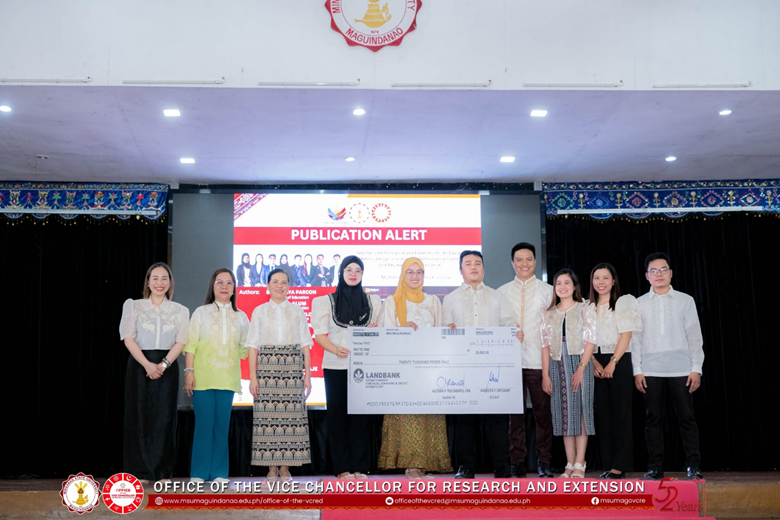
MSU–Maguindanao recognizes and celebrates the research achievements and academic publication contributions of its faculty members and researchers during the 2025 Research Excellence and Academic Publication (REAP) Awards. This institutional recognition encourages continued scholarly work and research contributions in fisheries, aquaculture, aquatic biodiversity, and environmental management.
Sustaining Institutional Support through Research-Based Extension and Community Programs
The University's commitment to community-based and research-driven development is also reflected in the official excerpt of the 273rd Meeting of the MSU System Board of Regents held on December 9, 2025. The documented matters endorsed by MSU–Maguindanao included Project ILAW, the Memorandum of Agreement with the Government Procurement Policy Board–Technical Support Office (GPPB-TSO), the MNLF Transformation Study Grant Program with Peace Formation Sessions, and five proposals under the Community Advancement through Research-Based Extension Services (CARES) Program. These institutional initiatives demonstrate the University's efforts to support research-based extension, community advancement, institutional cooperation, and inclusive development. In particular, the inclusion of Project ILAW and the CARES proposals reflects institutional support for initiatives that connect University expertise and resources with community development priorities.
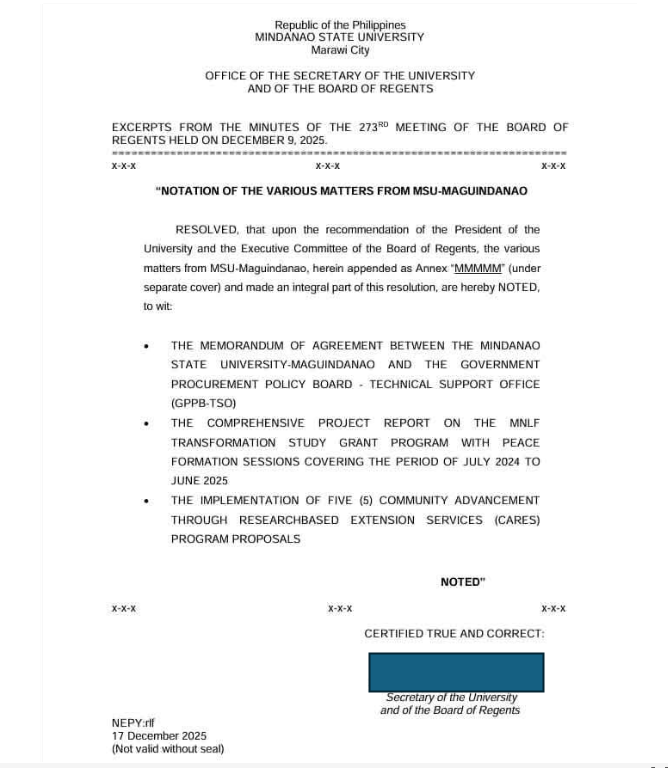
Official excerpt from the 273rd Meeting of the MSU System Board of Regents held on December 9, 2025, documenting matters endorsed by MSU–Maguindanao, including Project ILAW, the MNLF Transformation Study Grant Program with Peace Formation Sessions, and five CARES Program proposals. The document provides evidence of institutional support for research-based extension, community advancement, and collaborative development initiatives.
Among these continuing initiatives is Project ILAW sa Ligawasan, implemented in 2025 and continuing to the present. The project represents the University's sustained engagement in community-oriented development in the Ligawasan Marsh area. Its implementation reflects the importance of maintaining institutional programs that respond to local development priorities and strengthen cooperation with communities and partner organizations. Considering the ecological and socioeconomic importance of Ligawasan Marsh, continuing community engagement and institutional collaboration are essential in promoting responsible resource utilization and supporting the well-being of communities whose livelihoods are closely connected to the marsh. Project ILAW complements the University's broader research, extension, and partnership activities directed toward sustainable resource management and community advancement.
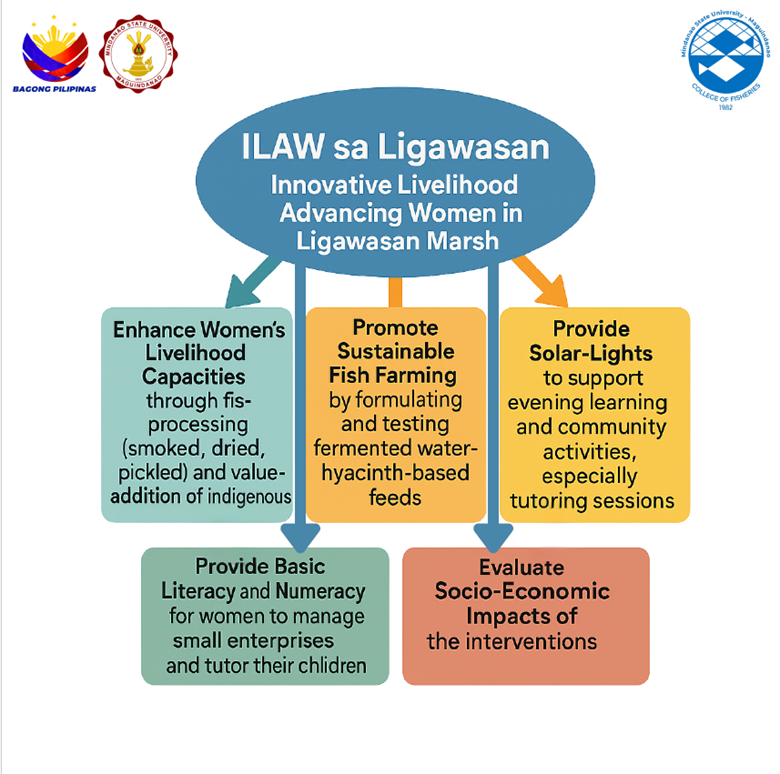
Project ILAW sa Ligawasan, implemented in 2025 and continuing to the present. The initiative reflects MSU–Maguindanao's continuing institutional engagement in the Ligawasan Marsh area and its commitment to supporting community-oriented development and sustainable resource management.