SDG15
MSU-Maguindanao Advances Sustainable Halal Livestock Farming Through Farmer Field School and Demo Farm Initiative
Mindanao State University–Maguindanao (MSU-Maguindanao), in partnership with the Food and Agriculture Organization of the United Nations (UN-FAO) and the Ministry of Agriculture, Fisheries and Agrarian Reform (MAFAR), formally launched the Conduct of Halal Livestock Farmer Field School and Management of Halal Livestock Demonstration Farm for Goat and Cattle on July 28, 2025, at the University campus. The initiative aims to strengthen the technical capacity of local farmers and agricultural technicians in Halal-compliant livestock production, animal welfare, biosecurity, and sustainable farm management. Through international and government collaboration, the program supports community-based agricultural development and promotes responsible livestock-raising practices in the Bangsamoro Autonomous Region in Muslim Mindanao (BARMM).The orientation benefited 100 farmers and agricultural technicians from Maguindanao del Norte and Maguindanao del Sur through practical learning on Halal-compliant livestock handling, animal welfare, disease prevention, biosecurity, and sustainable goat and cattle production. The field visit to livestock housing and demonstration facilities enabled participants to observe proper animal husbandry and farm management practices. Implemented in partnership with UN-FAO and MAFAR, the activity strengthened participants’ knowledge and skills to improve livestock health, reduce disease risks, and adopt environmentally responsible farming practices. Beyond the direct participants, the initiative is expected to benefit local agricultural communities through the wider adoption of improved livestock management techniques, promoting responsible use of land and agricultural resources and supporting the long-term sustainability of livestock-based livelihoods in Maguindanao.The initiative promotes sustainable management of land-based agricultural systems and responsible livestock production practices that help protect soil, pasture, and surrounding terrestrial ecosystems. Through farmer education on pasture management, livestock housing, animal waste management, and biosecurity, the program encourages responsible land use, minimizes environmental pressures associated with poorly managed livestock production, and supports the conservation of terrestrial resources. These practices contribute to healthier ecosystems and the long-term sustainability of livestock-based agricultural livelihoods in Maguindanao.MSU-Maguindanao will continue to strengthen its partnerships with agricultural agencies and development institutions, expand field-based extension opportunities, and promote the adoption of sustainable livestock management practices among local farming communities. Through these efforts, the University seeks to contribute to more resilient agricultural systems, healthier terrestrial environments, and sustainable rural development across BARMM.
September 19, 2025MSU-Maguindanao’s CFES Strengthens Stewardship for Life on Land through Forestry Day 2025
On May 29, 2025, the College of Forestry and Environmental Studies (CFES) of Mindanao State University–Maguindanao (MSU-Maguindanao) conducted CFES Forestry Day 2025: Celebrating Legacy, Advancing Stewardship for Life on Land. As an annual institutional tradition, the activity reaffirmed the College’s commitment to forestry education, environmental protection, and the sustainable management of natural resources. It highlighted the continuing need to develop competent and environmentally responsible forestry professionals who can address deforestation, land degradation, and biodiversity loss in Maguindanao and the Bangsamoro Autonomous Region in Muslim Mindanao (BARMM).Led by CFES Dean Dr. Rowena C. Benavides, the celebration brought together students, faculty members, alumni, and representatives of the Provincial Environment and Natural Resources Offices (PENRO) of Maguindanao del Norte and Maguindanao del Sur, the Community Environment and Natural Resources Office (CENRO) of Tacurong, Sultan Kudarat, and former officials of DENR-ARMM. The program featured messages from environmental governance leaders, professional guidance for students, recognition of retired and long-serving faculty members of the college, and alumni engagement. These activities strengthened collaboration between the University and government environmental agencies while emphasizing the responsibility of future foresters to protect forests, conserve biodiversity, and promote sustainable land use.The primary beneficiaries were CFES students and faculty members, who gained professional insights, strengthened their commitment to environmental stewardship, and established opportunities for future collaboration with environmental agencies. Secondary beneficiaries included alumni, government partners, and communities across Maguindanao and BARMM, which may benefit from stronger institutional linkages and a continuing supply of trained forestry professionals. By bringing together academic and environmental governance stakeholders, the activity reinforced the University's role in developing human resources and partnerships that support responsible natural resource management and community well-being.As part of its continuing commitment, MSU-Maguindanao, through CFES, promotes biodiversity conservation, sustainable forest management, and the protection of terrestrial ecosystems. Through environmental education and strengthened partnerships, the College envisions a future where life on land is protected, and natural resources are sustainably managed for generations to come.
July 6, 2025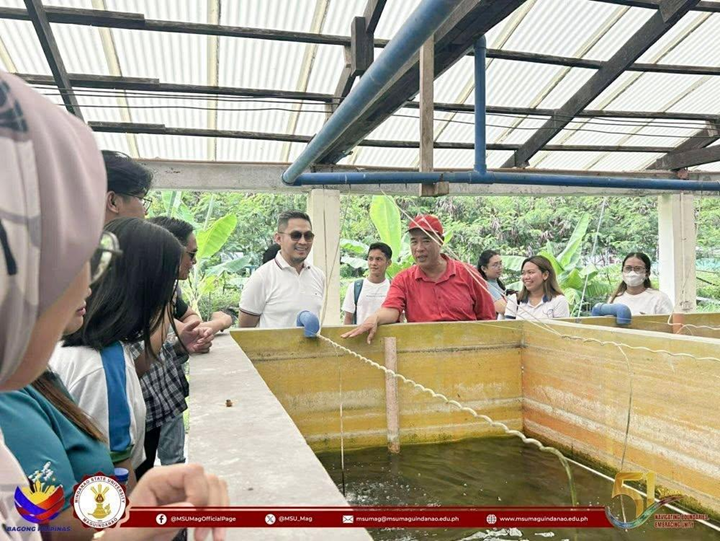
Developing Aquaculture Technologies That Protect Water Quality
MSU–Maguindanao, through its College of Fisheries, leads the National Tilapia Research and Development Program, Program B: Productivity Enhancement of SPIN Tilapia Culture Systems, funded by the Department of Science and Technology–Philippine Council for Agriculture, Aquatic and Natural Resources Research and Development (DOST–PCAARRD). The program works on the Saline-tolerant Population of Improved Nilotica (SPIN). Dr. Ramjie Y. Odin, Dean of the College of Fisheries, serves as Overall Program Leader and Project 1 Leader, with Capiz State University, Northern Iloilo State University, Zamboanga State College of Marine Sciences and Technology and the University of the Philippines Visayas as partners. The program’s inception meeting was held on 19 June 2025 at Capiz State University.Across five projects, the program develops technologies that reduce the environmental footprint of aquaculture:Locally developed probiotics improve fish health and reduce reliance on chemical treatments that can enter receiving waters.Microbial-based nursery production improves water quality within culture systems.Refined feeding strategies cut uneaten feed, a major source of nutrient pollution in ponds and nearby waters.Improved hatchery, grow-out, acclimation and transport methods reduce fish losses and wasted resources.Together, these technologies help fish farmers produce more while placing less pressure on surrounding aquatic ecosystems.Dr. Ramjie Y. Odin, Overall Program Leader, on a field visit to the project area with DOST–PCAARRD representatives.Organizational structure of the National Tilapia R&D Program B and its partner institutions.
June 30, 2025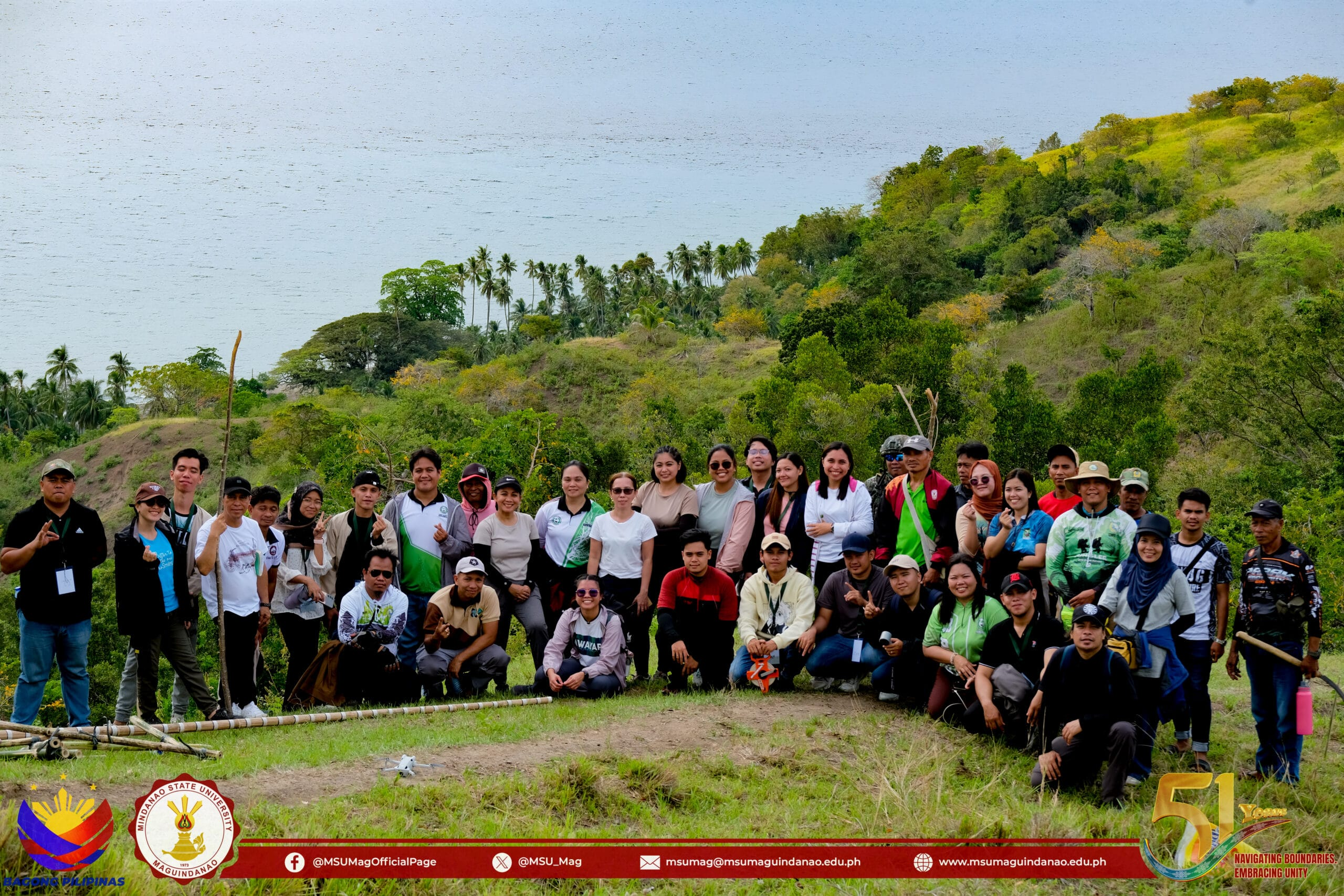
MSU-Maguindanao in Partnership with UPLB-IAF Trains Agroforestry Practitioners in Agroforestry Establishment and Developmen
Mindanao State University-Maguindanao (MSU-Maguindanao), in partnership with the University of the Philippines Los Baños-Institute of Agroforestry (UPLB-IAF), conducted a three-day Trainers’ Training on Agroforestry Establishment and Development Leveraging the Agroforestry Land Capability Assessment and Mapping Scheme (ALCAMS) for Effective Land Assessment on February 25–27, 2025. The training aimed to equip agroforestry practitioners and prospective trainers with practical competencies in land capability assessment, agroforestry system design, and soil and water conservation to support climate-resilient land management in upland communities.The activity was implemented under the DOST-PCAARRD-funded project, Enhancing Climate Resilience through Native Tree and Fruit Tree-based Agroforestry Technology: A Science and Technology-Based Initiative for Emergencies and Hazards in Datu Blah Sinsuat, Maguindanao. The initiative addressed environmental challenges affecting upland and hazard-prone communities, particularly soil erosion, land degradation, and declining agricultural productivity. Through the project, MSU-Maguindanao and UPLB-IAF promoted science-based approaches to developing agroforestry systems suited to local soil, slope, and vegetation conditions. The training combined classroom discussions, field assessment, and applied planning. On the first day, participants gathered at the MSU-Maguindanao Training Center for the discussion of agroforestry fundamentals, technologies for establishing agroforestry systems, and soil and water conservation principles. On the second day, the training moved to the project site in Barangay Nalkan, Datu Blah Sinsuat, Maguindanao del Norte, where they conducted field assessments of slope using an A-Frame and Brunton Compass, and vegetation. On the third day, participants performed soil analysis and developed sketch maps illustrating slope, land use, and soil fertility. These assessments informed their evaluation of the site’s suitability for agroforestry. The training concluded with discussions on agroforestry management and group exercises in which participants developed site-specific agroforestry plans, considering appropriate tree species, sustainable land-use practices, and soil and water conservation measures.The activity brought together faculty members and selected students from MSU-Maguindanao’s College of Forestry and Environmental Studies, faculty from the College of Agriculture and the College of Engineering and Computing Studies, forestry faculty from MSU-Buug, MSU-Marawi, and MSU-Lanao del Norte Agricultural College, and a representative from the Bangsamoro Autonomous Region in Muslim Mindanao’s Ministry of Environment, Natural Resources, and Energy (MENRE). This multidisciplinary and inter-institutional participation strengthened opportunities for knowledge exchange and the wider application of ALCAMS-based land assessment methods in instruction, research, extension, and environmental management.The residents of Barangay Nalkan are the ultimate intended beneficiaries of the initiative. The site-specific agroforestry plans developed during the training provide a science-based foundation for selecting suitable tree species and identifying appropriate land management and conservation practices. Their implementation can help improve agricultural productivity, reduce soil erosion, protect natural resources, and support more sustainable livelihoods in the community.Building on the training, the University aims to support the wider application of science-based agroforestry practices and strengthen collaboration with academic institutions, government agencies, and local communities toward climate resilience, environmental stewardship, and sustainable development in the Bangsamoro region.
May 2, 2025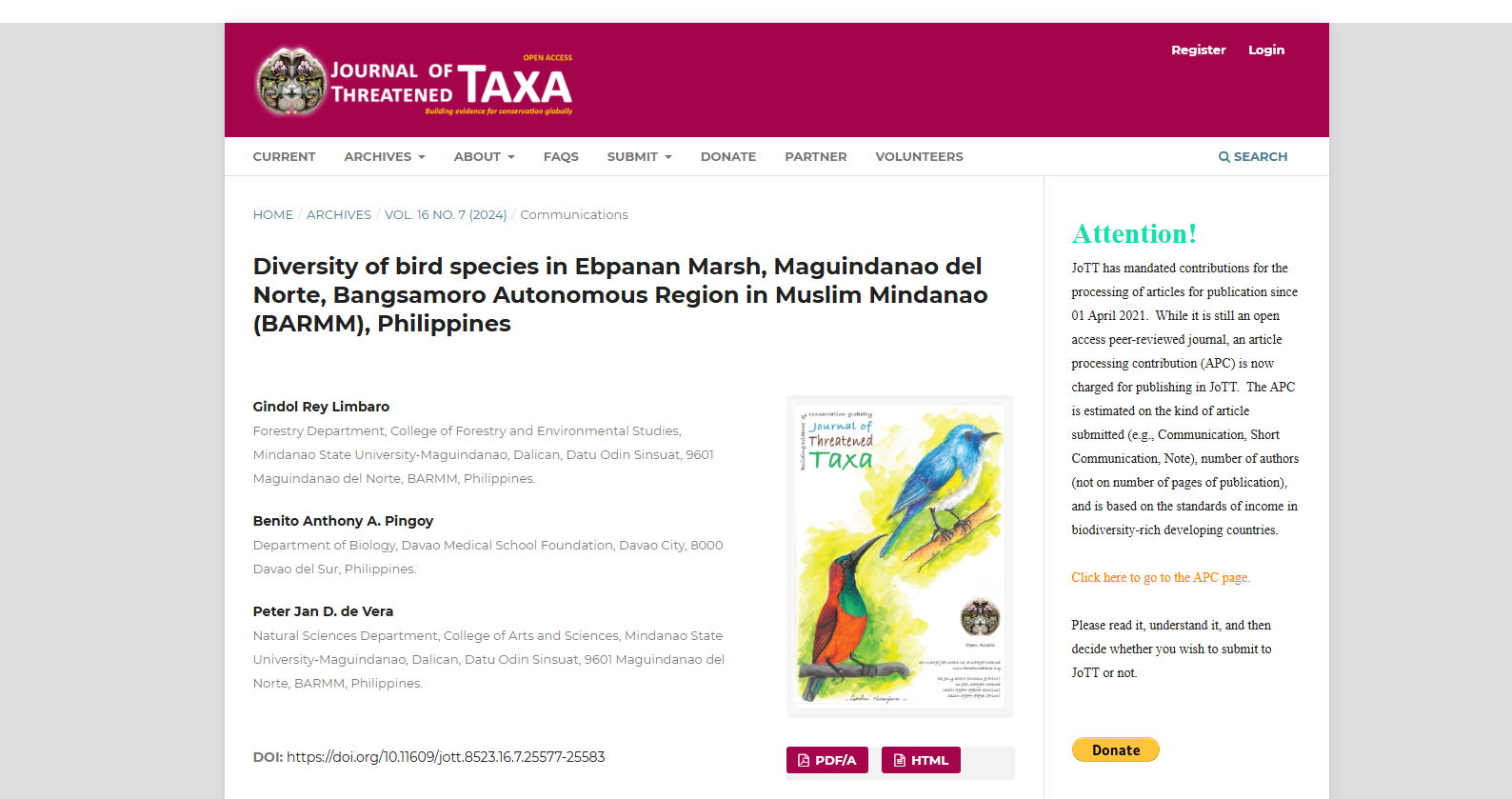
Diversity of Bird Species in Ebpanan Marsh, Maguindanao del Norte, Bangsamoro Autonomous Region in Muslim Mindanao (BARMM), Philippines
Peter Jan D. de Vera and Gindol Rey Limbaro, faculty members from Mindanao State University–Maguindanao and a researcher from Davao Medical School Foundation, documented the bird diversity of Ebpanan Marsh in Kabuntalan, Maguindanao del Norte, through a field assessment conducted on March 6–12, 2022. The study addressed the lack of published bird records for this ecologically important wetland within the Ligawasan Marsh complex, which faces threats from hunting and habitat conversion. Journal PublicationThe researchers observed birds at ten sites in the freshwater swamp forest and herbaceous swamp across approximately 64.23 hectares of Ebpanan Marsh. They recorded 36 bird species from 24 families, with herons and egrets being the most common. Of these, 23 were resident species, eight were endemic, four were migratory, and one was introduced. Two species, the Philippine Duck (Anas luzonica) and Philippine Collared Dove (Streptopelia dusumieri), were classified as Vulnerable, while the introduced Java Sparrow (Padda oryzivora) was classified as Endangered under the IUCN Red List. All endemic species were found in the remaining freshwater swamp forest, highlighting the importance of protecting this habitat. Published in the Journal of Threatened Taxa in July 2024, the study provides the first published bird checklist for Ebpanan Marsh. The findings benefit nearby communities, local government units, environmental agencies, and conservation researchers by providing baseline data to guide habitat protection, hunting regulations, and biodiversity monitoring. The study also strengthens MSU-Maguindanao’s research contributions to wildlife conservation and wetland management in the Bangsamoro region.The research supports the conservation and sustainable use of terrestrial and inland freshwater ecosystems while highlighting the urgent need to reduce habitat degradation and prevent biodiversity loss. By documenting bird diversity and identifying species of conservation concern, the study provides scientific evidence to guide habitat protection and conservation efforts, helping preserve the ecological integrity of Ebpanan Marsh.
October 25, 2024