Access to quality education, scientific knowledge, and practical training plays an important role in protecting freshwater ecosystems and promoting the sustainable use of water resources. Mindanao State University–Maguindanao (MSU–Maguindanao) supports these objectives through its academic programs, research initiatives, extension activities, and partnerships with government agencies, higher education institutions, and local communities. Through these initiatives, the University provides educational opportunities and practical learning experiences in fisheries, aquaculture, freshwater ecosystem conservation, water quality monitoring, irrigation, and water resource management. Its approach connects formal academic instruction with field-based learning, technical demonstrations, research dissemination, and community engagement.
Academic Programs in Fisheries, Aquaculture, and Water Resource Management
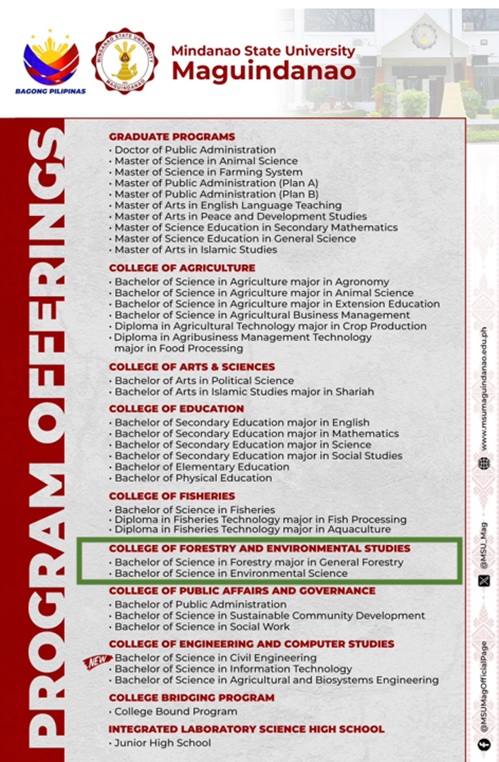
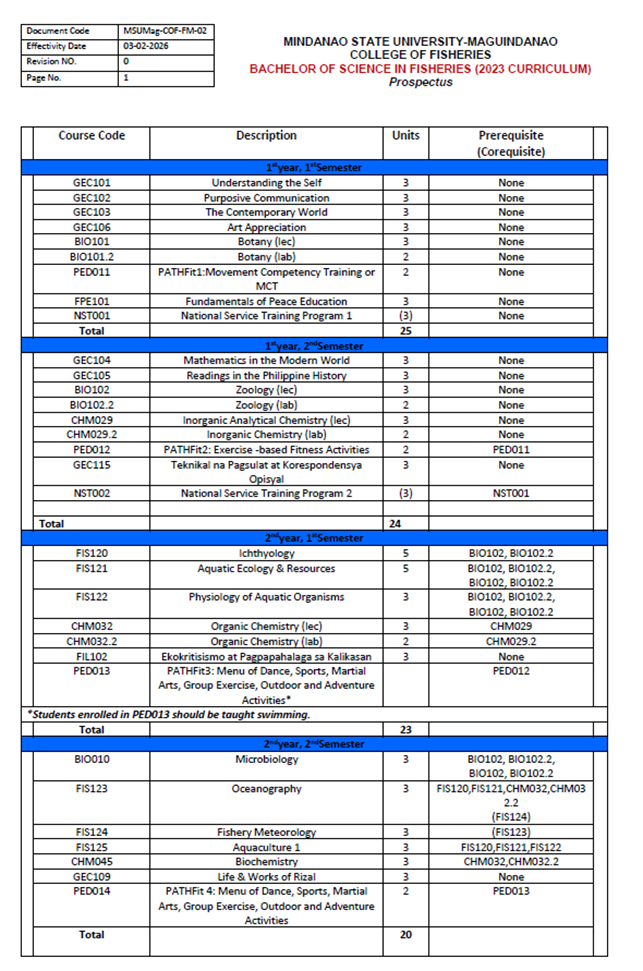
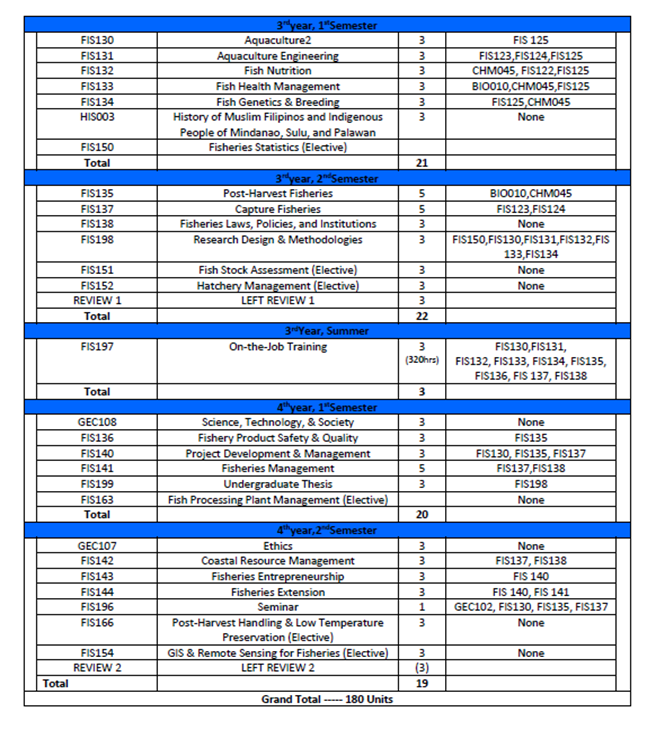
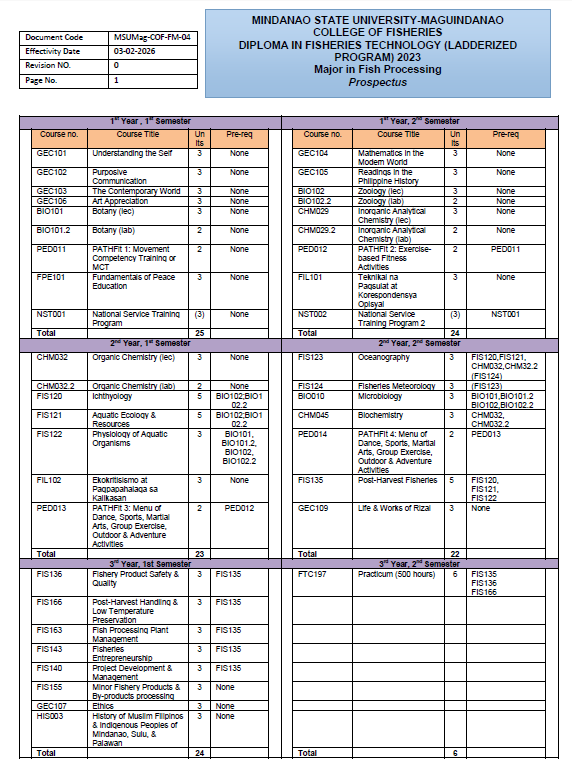
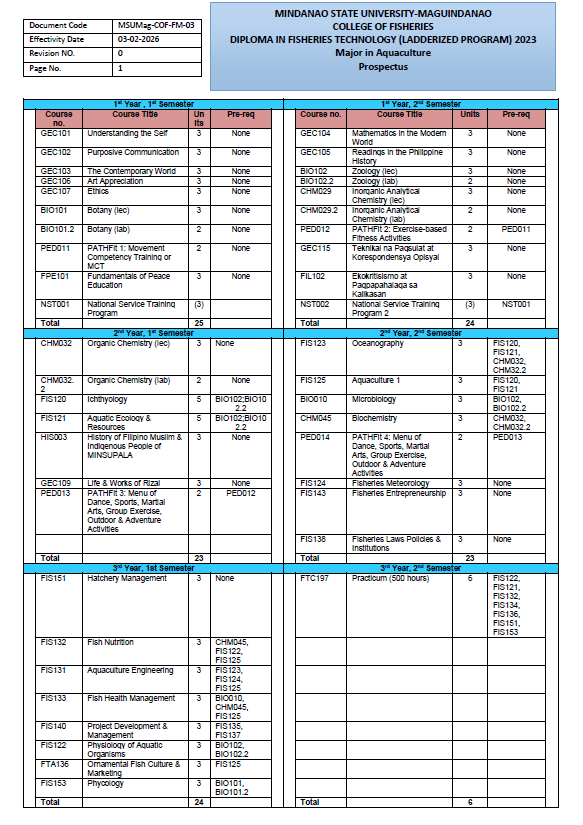
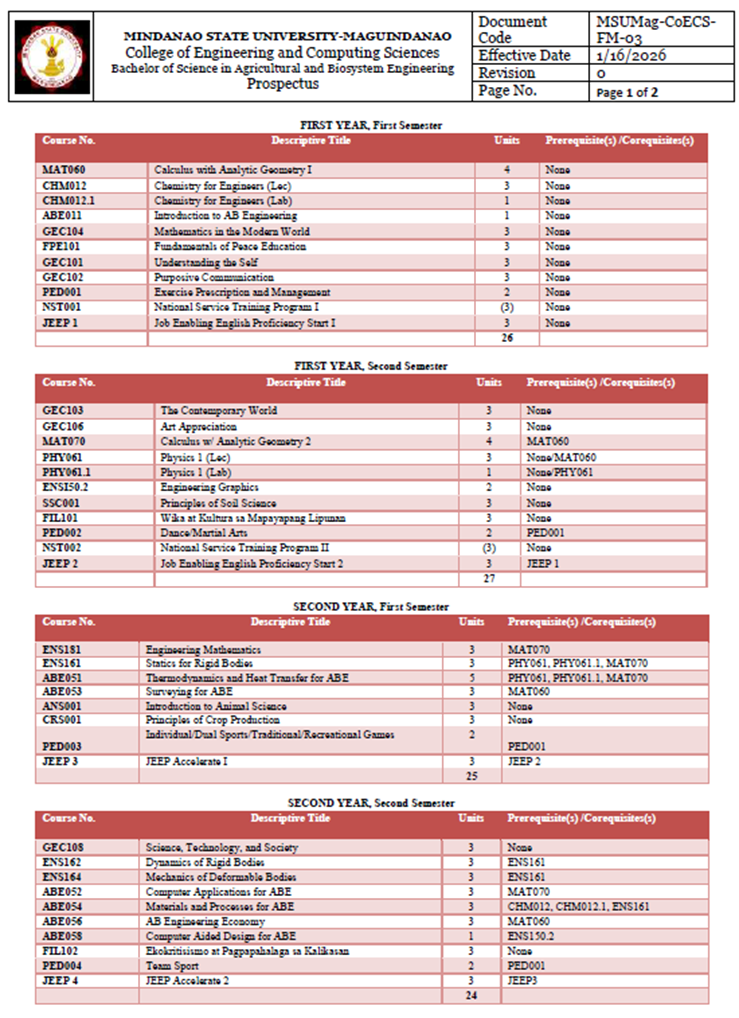
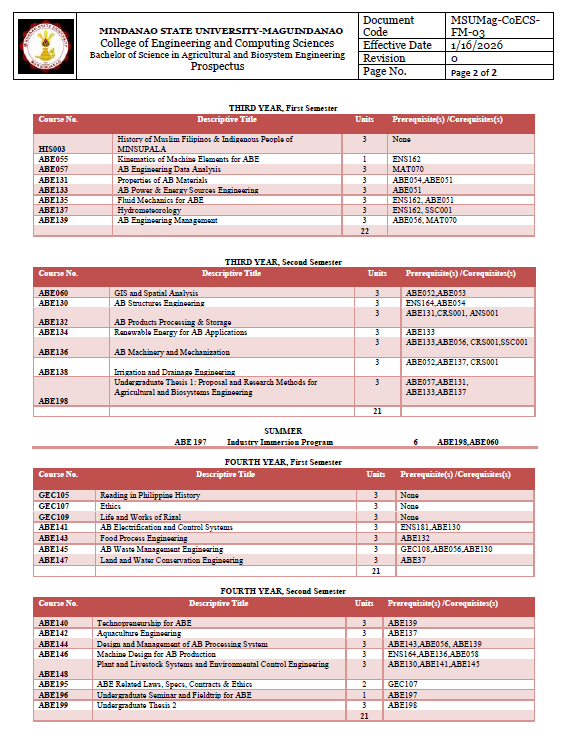
The University's academic offerings provide a foundation for developing professionals and technical personnel in fisheries, aquaculture, and agricultural water management. These include the Bachelor of Science in Fisheries (BS Fisheries), with a curriculum totaling 180 units; the Diploma in Fisheries Technology major in Aquaculture, with 125 units; and the Diploma in Fisheries Technology major in Fish Processing, with 124 units. The University also offers the Bachelor of Science in Agricultural and Biosystems Engineering (BS ABE), with a curriculum totaling 193 units.
These programs cover relevant areas such as aquatic ecology, capture fisheries, sustainable aquaculture, fisheries management, fish processing, irrigation and drainage engineering, hydrometeorology, and land and water conservation engineering. Through these academic offerings, students acquire scientific knowledge and technical competencies applicable to freshwater resource management, sustainable fisheries production, aquaculture operations, and efficient agricultural water utilization.
Through the BS Fisheries program, the University develops future fisheries professionals and practitioners equipped with the knowledge and competencies needed to work in fisheries resource management, aquatic ecosystem conservation, aquaculture, and related fields. Upon graduation, BS Fisheries graduates can serve as fisheries professionals, practitioners, technical personnel, researchers, and extension workers who can contribute to the sustainable management of freshwater and other aquatic resources.
The University's academic programs and community extension activities also support access to education and capacity development. Community-based orientations, training sessions, technical demonstrations, and extension activities are provided free of charge to participating local communities, fisherfolk, farmers, and other stakeholders.
BS FISHERIES PROGRAM PROSPECTUS
Diploma in Fisheries Technology Major in Fish Processing Prospectus
Diploma in Fisheries Technology Major in Aquaculture Prospectus
BS Agricultural and Biosystem Engineering
Free Community-Based Training and Environmental Education
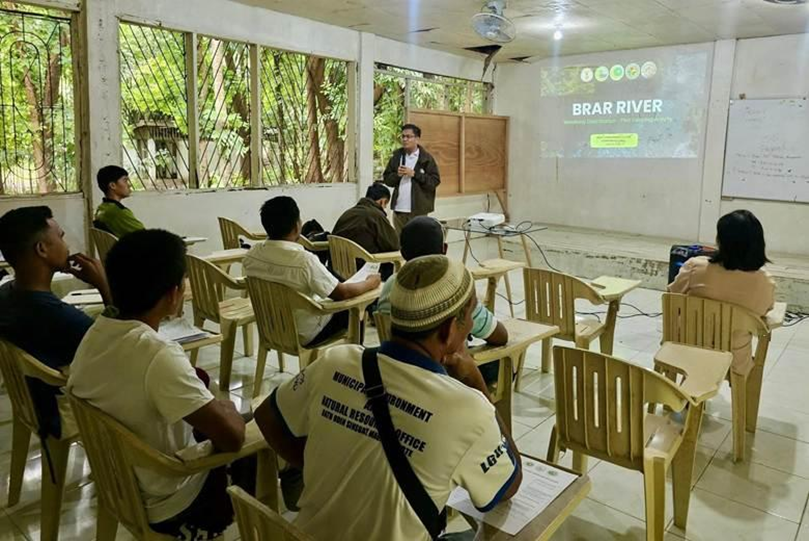
Beyond formal classroom instruction, the University extends freshwater ecosystem education through practical environmental monitoring and collaboration with local government units. On June 30, 2025, through its College of Forestry and Environmental Science, MSU–Maguindanao partnered with the Ministry of Environment, Natural Resources and Energy–Environmental Management Services (MENRE–EMS), BARMM, and the Local Government Unit of Datu Odin Sinsuat to launch the Brar River Pilot Water Sampling Program and continue water quality monitoring of the Simuay River.
An orientation conducted at the University's College of Forestry and Environmental Science introduced faculty members, students, and LGU personnel to standardized water-sampling procedures and waterbody classification. The activity provided practical exposure to environmental monitoring and strengthened the capacity of academic and local stakeholders to assess river conditions and support freshwater resource protection. MENRE–EMS continues regular water sampling at three established monitoring stations along the Simuay River. Building on the University's Adopt-an-Estero partnership established in 2022, this initiative promotes awareness of upstream water quality and the importance of preventing land-based pollution from reaching downstream aquatic and coastal ecosystems.
These orientations and learning activities are conducted as part of the University's community service and extension efforts, with no training fee charged to participating community members and local stakeholders.
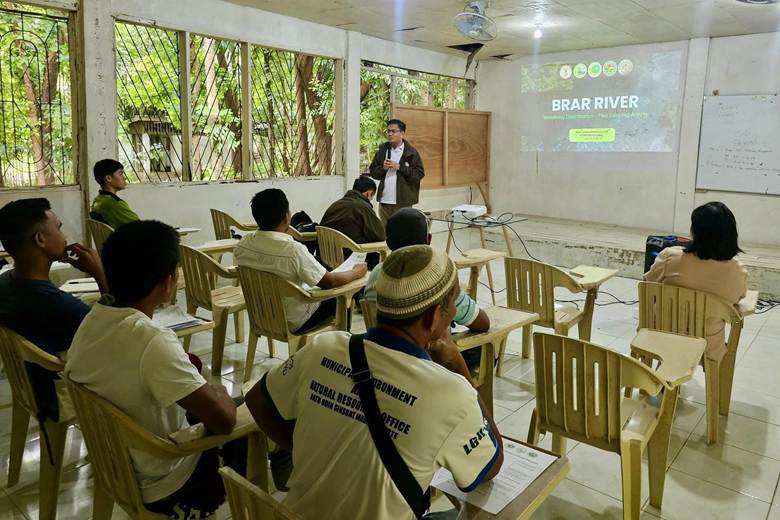
Lecture and orientation on standardized water-sampling procedures and waterbody classification.
Dissemination and Stakeholder Education on Freshwater Ecosystems
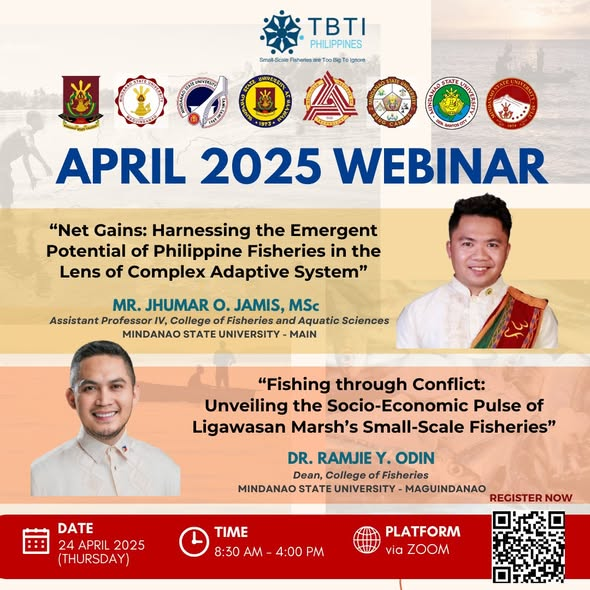
The University also promotes research-based education and knowledge sharing through the Mindanao-Sulu-Palawan Innovative Research and Development Consortium (MinSuPala–IRDC). On February 27, 2025, MSU–Maguindanao convened a stakeholder consultation involving researchers from participating state universities and colleges, government agencies, local government units, and fisherfolk associations.
The consultation presented research findings on the environmental conditions of four important inland water bodies: Ligawasan Marsh, Lake Buluan, Rio Grande de Mindanao, and Lake Lanao. The assessments covered water quality, inland capture fisheries, watershed conditions, and socioeconomic factors affecting aquatic ecosystem health. Discussions focused on research-based recommendations for watershed management, water pollution reduction, aquatic biodiversity conservation, and ecosystem protection and restoration. By bringing together researchers and local stakeholders, the activity provided an opportunity to share scientific information and connect research findings with local environmental concerns and resource management priorities.
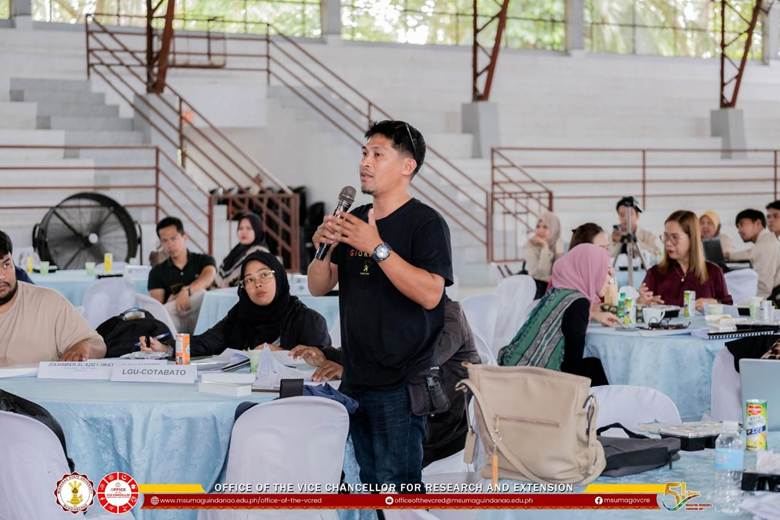
A participant sharing insights during the MinSuPala–IRDC Stakeholders' Consultation on February 27, 2025.
Knowledge Exchange on Water and Natural Resources
Regional education and knowledge exchange were further strengthened through the University's support for the First Mindanao Forum on Waters and Natural Resources, held on November 26–28, 2025, in General Santos City through MinSuPala–IRDC. The forum brought together more than 170 researchers, faculty experts, policymakers, and development partners from nine state universities and colleges, together with government agencies, local government units, and community stakeholders.
Through research presentations, policy workshops, and discussions, participants examined scientific assessments of water quality, inland capture fisheries, watershed conditions, and community livelihoods across major Mindanao water bodies, including Lake Lanao, Ligawasan Marsh, Lake Buluan, Lake Sebu, Rio Grande de Mindanao, and Pulangi River. The forum provided a platform for sharing scientific findings and translating research into recommendations for freshwater ecosystem conservation, sustainable inland fisheries management, and improved water resource governance. It also strengthened collaboration and knowledge exchange among academic institutions, government agencies, and communities.
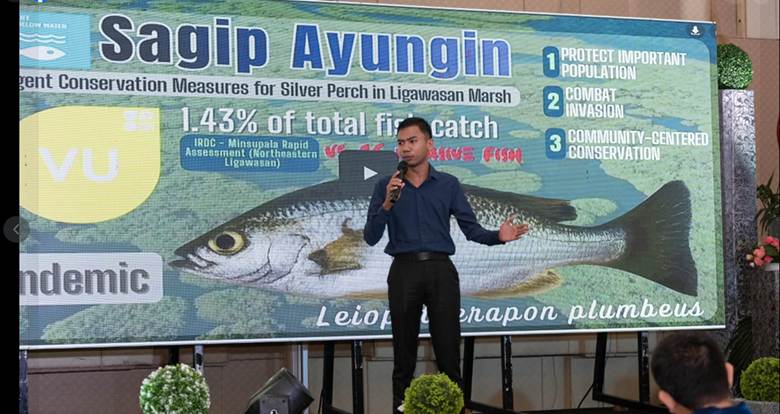
MSU–Maguindanao faculty members presenting research findings on water quality, inland capture fisheries, watershed conditions, and community livelihoods across major Mindanao water bodies.
Community-Based Aquaculture and Livelihood Training
Community-based education also extends to fisheries and aquaculture livelihood development. Through its partnership with the Office of the Presidential Adviser on Peace, Reconciliation, and Unity (OPAPRU), MSU–Maguindanao has implemented agricultural livelihood initiatives in Camps Abubakar, Badre, and Omar in support of the Comprehensive Agreement on the Bangsamoro.
Initiated in 2023 and continuing in 2025, these initiatives provide former Moro Islamic Liberation Front combatants, their families, farmers, and community organizations with educational sessions, hands-on demonstrations, and learning visits on fish farming, aquaculture production, and enterprise development. Participants gain practical knowledge and skills in aquaculture operations, product handling, storage, packaging, and branding. These activities help extend technical knowledge beyond the University and support household food production, livelihood opportunities, and community-based aquaculture enterprises.
The training and learning activities provided under these community-based initiatives are free for participating beneficiaries, helping local communities gain access to practical knowledge and skills without the cost of formal training.
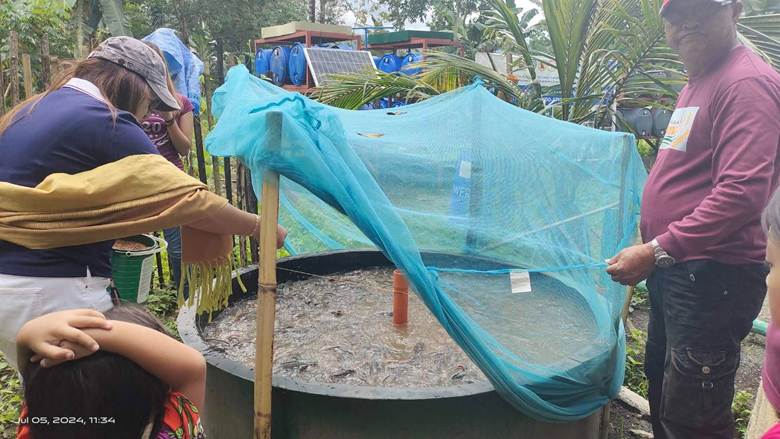
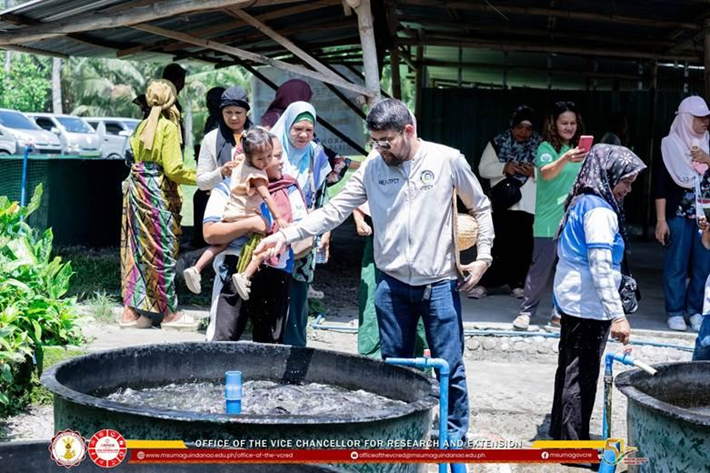
MSU–Maguindanao, in partnership with OPAPRU, demonstrates climate-smart aquaculture through tilapia and African catfish (hito) production in a community-based fish farming facility under the Science-and-Technology-Based and Climate-Smart Mixed Farming System, supporting sustainable livelihoods, food security, and economic opportunities for beneficiary communities in Camps Abubakar, Omar, and Badre.
Partnerships Supporting Community Education and Environmental Management
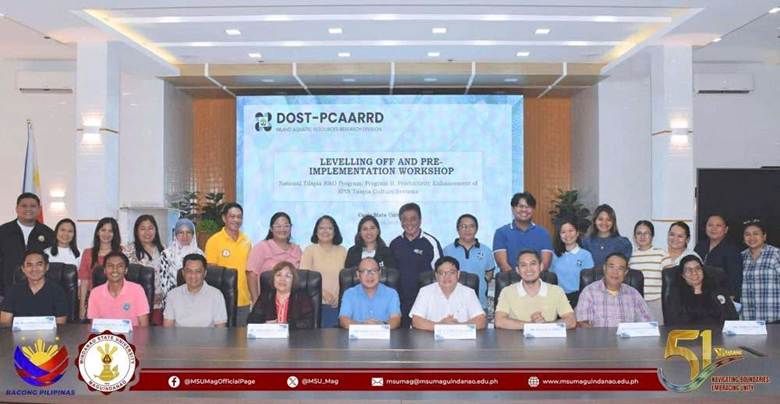
The University's educational, research, and extension initiatives are supported by partnerships with government agencies, higher education institutions, research organizations, and local stakeholders. These include MENRE–EMS and local government units for river monitoring and environmental protection; the Ministry of Agriculture, Fisheries and Agrarian Reform (MAFAR–BARMM), DOST–PCAARRD, and other regional agencies for aquatic resource research and conservation; and participating state universities and colleges under MinSuPala–IRDC for research collaboration, knowledge exchange, and science-based policy development.
These partnerships help translate academic and scientific knowledge into practical learning opportunities, environmental monitoring activities, and community-oriented resource management initiatives.
Contribution to Freshwater Ecosystem Education and Sustainable Resource Management
Through its academic programs, practical environmental activities, research consultations, regional forums, and community-based training, MSU–Maguindanao provides educational opportunities for students, local government personnel, researchers, fisherfolk, farmers, and community organizations. Its initiatives strengthen knowledge and practical competencies in freshwater ecosystem assessment, water quality monitoring, watershed management, aquatic biodiversity conservation, sustainable fisheries, aquaculture production, irrigation, and efficient agricultural water utilization.
By integrating formal education with hands-on environmental activities, research dissemination, and community engagement, the University contributes to strengthening local and regional capacity for the responsible management, conservation, and sustainable use of freshwater and aquatic resources.
These continuing efforts demonstrate the University's commitment to education as an instrument for environmental sustainability and community development. Through the development of skilled graduates, practical learning opportunities for local stakeholders, and sustained collaboration with government and research institutions, MSU–Maguindanao contributes to promoting informed decision-making, protecting freshwater ecosystems, and supporting the responsible use of water resources for present and future generations.