MSU–Maguindanao manages its activities to limit physical, chemical and biological alteration of the rivers, lakes and marshes around it.
Chemical alteration
The MSU Sustainability Policy (BOR Resolution No. 358, s. 2023) requires regular testing of water sources for heavy metals and other contaminants (Article VII, Section 2(b)), proper handling of chemicals, chemical waste and biohazardous waste (Section 1(e)), segregation of waste at source (Section 1(l)) and initiatives to reduce marine pollution (Section 5(f)). Campus wastewater is managed under the General Effluent Standards of DENR Administrative Order No. 2016-08, as updated by DAO 2021-19, and the requirements of the Philippine Clean Water Act.
Physical alteration
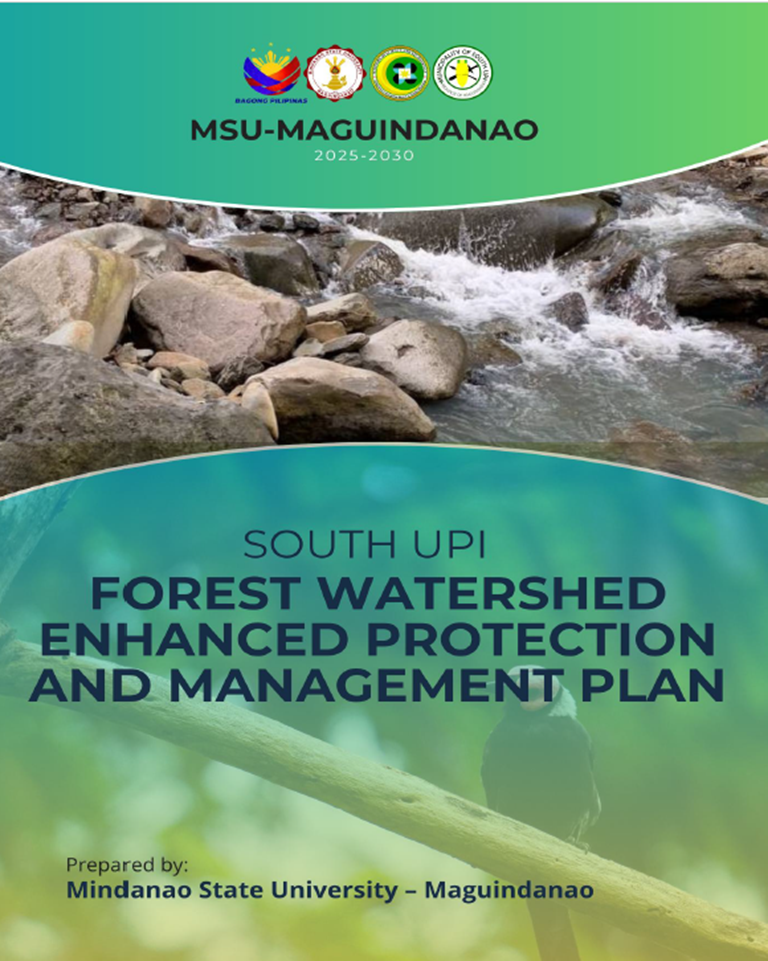
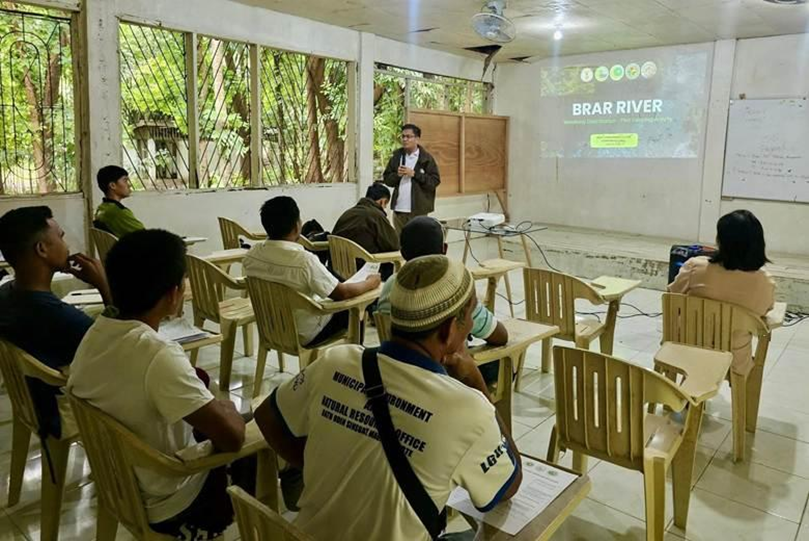
The South Upi Forest Watershed Enhanced Protection and Management Plan (2025–2030), prepared by the University, addresses the main physical threats to connected waters across 1,894 hectares, namely soil erosion, land conversion and illegal logging, through watershed zoning, sustainable land use, assisted natural regeneration and native species planting.
Biological alteration
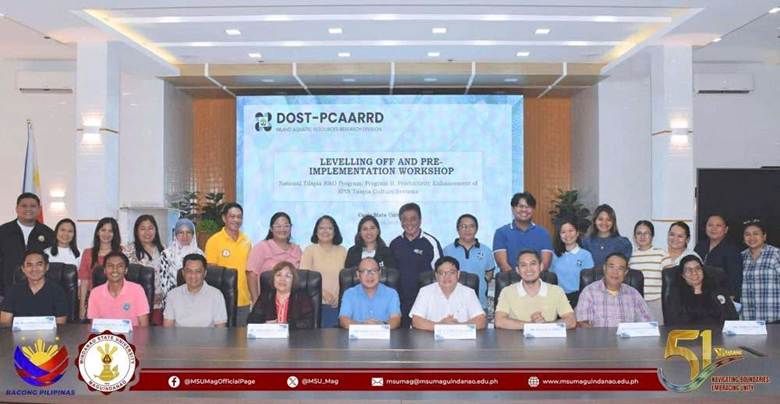
In aquaculture, the University’s National Tilapia R&D Program develops locally made probiotics and microbial-based nursery systems that reduce reliance on chemical treatments, and feeding strategies that cut the nutrient loading that drives algal blooms and oxygen depletion in receiving waters.