Articles
First Mindanao Forum Supports Innovation in the Study and Management of Water and Natural Resources
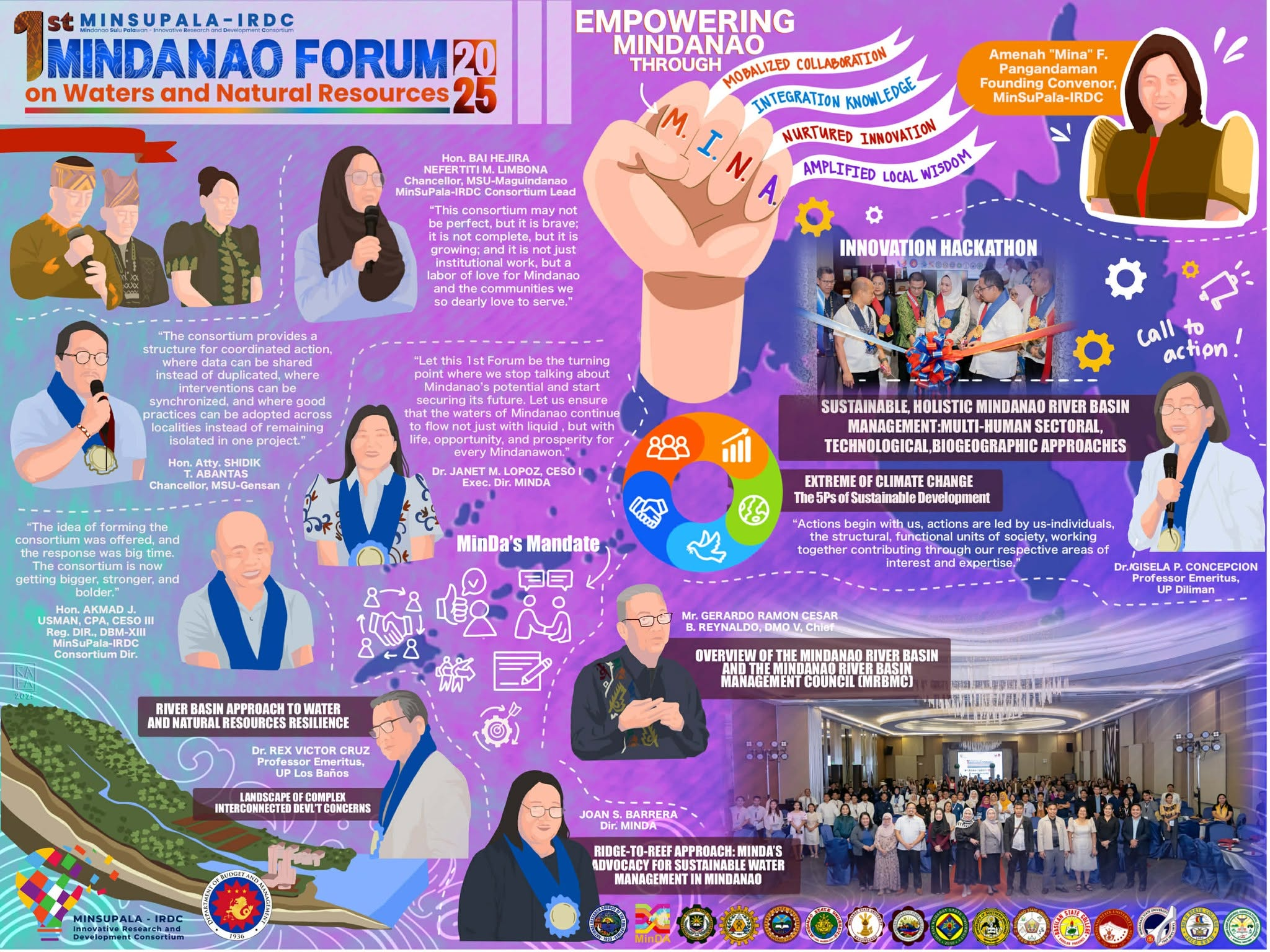
The first Mindanao forum on waters and natural resources was held via the Mindanao-Sulu-Palawan Innovative Research and Development Consortium (MinSuPala-IRDC). In partnership with the Department of Budget and Management (DBM), the event included representation from nine State Universities and Colleges, among which was Mindanao State University–Maguindanao. It was designed to enhance science-informed policy-making and management of the inland water bodies of Mindanao.Among the events at the forum were scientific lectures and debates regarding water governance, fisheries, watershed management, and conservation of biodiversity. The forum also included an event called the “Innovate for Mindanao” Hackathon aimed to promote the use of technological solutions to resource management problems among the students and the local government units.The initiative allowed bringing together scientists, students, policymakers, and representatives of local governments, giving them chances to engage in knowledge sharing and cooperation to solve any issues related to research and innovation in the management of natural resources. Communities and resource-dependent enterprises can also potentially benefit from applying scientific results in resource management practices.Through fostering collaboration between different actors, the forum is a platform for implementing research into innovations, creating policies, and addressing natural resource management challenges.
December 10, 2025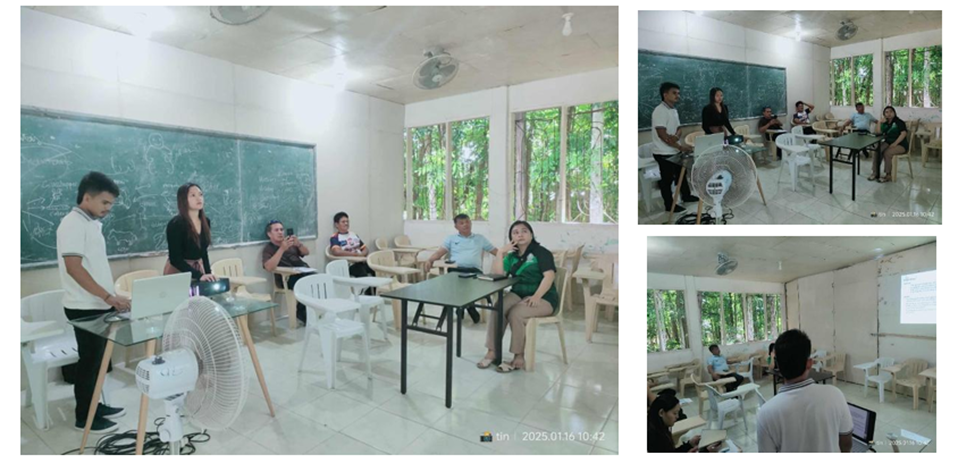
Partnerships for Community-Based Land Ecosystem Conservation
Through partnerships with government agencies, local communities, and research institutions, Mindanao State University–Maguindanao (MSU–Maguindanao) advances collaborative efforts to conserve and rehabilitate shared ecosystems.Promoting Community-Based Agroforestry and Ecosystem RestorationIn February 2025, the University, through its College of Forestry and Environmental Studies (CFES), formally launched the project “Enhancing Climate Resilience through Native and Fruit Tree-Based Agroforestry Technology: A Science and Technology-Based Initiative for Emergencies and Hazards in Datu Blah Sinsuat, Maguindanao.” Funded by the Department of Science and Technology–Philippine Council for Agriculture, Aquatic and Natural Resources Research and Development (DOST–PCAARRD), with a budget of ₱5 million, the project promotes the rehabilitation of degraded upland areas through native and fruit tree-based agroforestry. Implemented in Datu Blah Sinsuat, the initiative engages local communities in project activities and decision-making while strengthening the technical capacity of agroforestry practitioners. Through community participation, the project encourages shared responsibility for restoring degraded landscapes, conserving soil and water resources, and improving the resilience of upland ecosystems.Coordination Meeting with Barangay Officials of Nalkan, Datu Blah Sinsuat on the finalization of nursery establishment plan held on January 16, 2025 at CFES, MSU-Maguindanao CampusAdvancing Community Resilience through the MSU-Maguindanao–WFP PartnershipOn August 12, 2025, MSU–Maguindanao formalized a partnership with the United Nations World Food Programme (WFP) through a Memorandum of Agreement (MOA) to advance food security, sustainable agriculture, and climate-resilient communities in the Bangsamoro Autonomous Region in Muslim Mindanao (BARMM). Under their 2025–2027 cooperation work plan, the partners identified initiatives on smallholder farmer capacity building, climate-smart agriculture, local climate change adaptation planning, and watershed management. By combining the University's research and extension expertise with WFP's technical resources, the partnership supports local capacities and promotes collaborative approaches to managing agricultural landscapes and protecting shared natural resources.Supporting Sustainable Agricultural Landscapes through Coconut PlantingThe University further expanded its environmental partnerships through the Massive Coconut Planting Program (MCPP) in collaboration with the Philippine Coconut Authority (PCA). The two institutions formalized their partnership through an MOA signed on October 22, 2025, in Quezon City. With ₱2.09 million in PCA funding, the one-year initiative supports the cultivation and distribution of 22,000 high-quality coconut seedlings in Maguindanao. The partnership aims to improve farm productivity, increase farmers' income, and strengthen sustainable coconut production through planting and replanting activities, nursery establishment, technical assistance, and regular monitoring. By supporting farmers and promoting tree-based agricultural production, the initiative contributes to sustainable land use and the development of productive agricultural landscapes.Chancellor Bai Hejira M. Limbona delivers Message of Support and Commitment during the Ceremonial Signing of Partnership Agreement with Philippine Coconut Authority on October 22, 2025 at Quezon City, PhilippinesStrengthening Regional Collaboration for Natural Resource ConservationBeyond its local and agricultural partnerships, MSU–Maguindanao strengthened regional collaboration through its leadership in the Mindanao Sulu Palawan–Innovative Research and Development Consortium (MinSuPala-IRDC), which has expanded from 9 founding institutions to 16 member universities and colleges. The Consortium organized the 1st Mindanao Forum on Waters and Natural Resources on November 26–28, 2025, in General Santos City, bringing together more than 190 researchers, policymakers, faculty experts, and development partners from Mindanao, Sulu, and Palawan. The forum provided a platform for sharing scientific research, building institutional partnerships, and advancing sustainable water and natural resource governance. Through its collaborative research initiatives, participating institutions contribute scientific information to support evidence-based policymaking and the sustainable management of shared ecosystems and natural resources.Through these partnerships, MSU–Maguindanao promotes collective action in restoring degraded landscapes, supporting sustainable agricultural practices, strengthening watershed management, and conserving natural resources. By engaging local communities, farmers, government agencies, and research institutions, the University contributes to shared responsibility and sustained collaboration in maintaining and protecting ecosystems.
December 5, 2025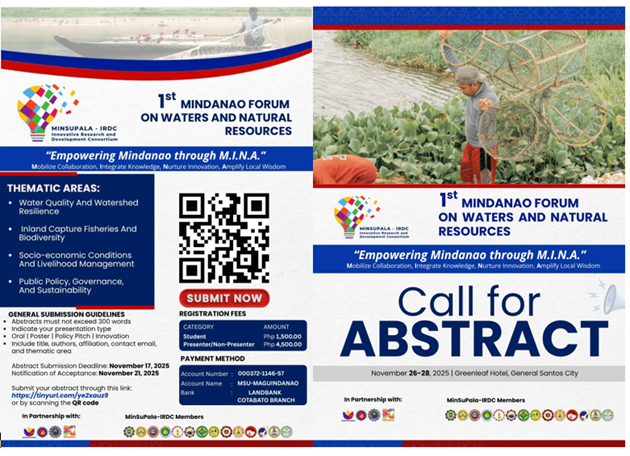
Bringing Mindanao Together for Its Lakes, Rivers and Marshes
In 2025, MSU–Maguindanao organized and co-organized two major events promoting the conservation and sustainable use of inland and marine aquatic resources.1st Mindanao Forum on Waters and Natural ResourcesOn 26–28 November 2025, MinSuPala-IRDC, led by MSU–Maguindanao Chancellor Dr. Bai Hejira Nefertiti M. Limbona, held the 1st Mindanao Forum on Waters and Natural Resources at Greenleaf Hotel, General Santos City, with the Mindanao Development Authority (MinDA) and the National Research Council of the Philippines (NRCP). More than 170 researchers, faculty, policymakers and development partners from nine state universities and colleges, government agencies, local governments and communities took part.Under the theme “Empowering Mindanao through M.I.N.A.,” the forum presented research on water quality, inland capture fisheries, watershed conditions and community livelihoods in Lake Lanao, Ligawasan Marsh, Lake Buluan, Lake Sebu, the Rio Grande de Mindanao and the Pulangi River, building on Phase 1 research funded by the Department of Budget and Management. Through presentations, policy workshops and innovation sessions, participants turned these findings into recommendations for freshwater conservation, sustainable inland fisheries and better water governance.Poster of the 1st Mindanao Forum on Waters and Natural Resources and its four thematic areas.Mr. John Louie C. Natan of MSU–Maguindanao presents research findings at the Forum.Second Philippine Small-Scale Fisheries National SymposiumMSU–Maguindanao also co-hosted the national symposium of the National Consortium for Small-Scale Fisheries Research and Development (TBTI Philippines) on 21–23 October 2025 at the MSU Main Campus, Marawi City. Through a keynote lecture, seven plenary sessions and parallel sessions across eight themes, from inland and marine fisheries and governance to climate resilience, gender and technology, more than 300 participants shared approaches to protecting aquatic resources while sustaining fishing livelihoods.Delegates at the Second Philippine Small-Scale Fisheries National Symposium, 21–23 October 2025.
December 3, 2025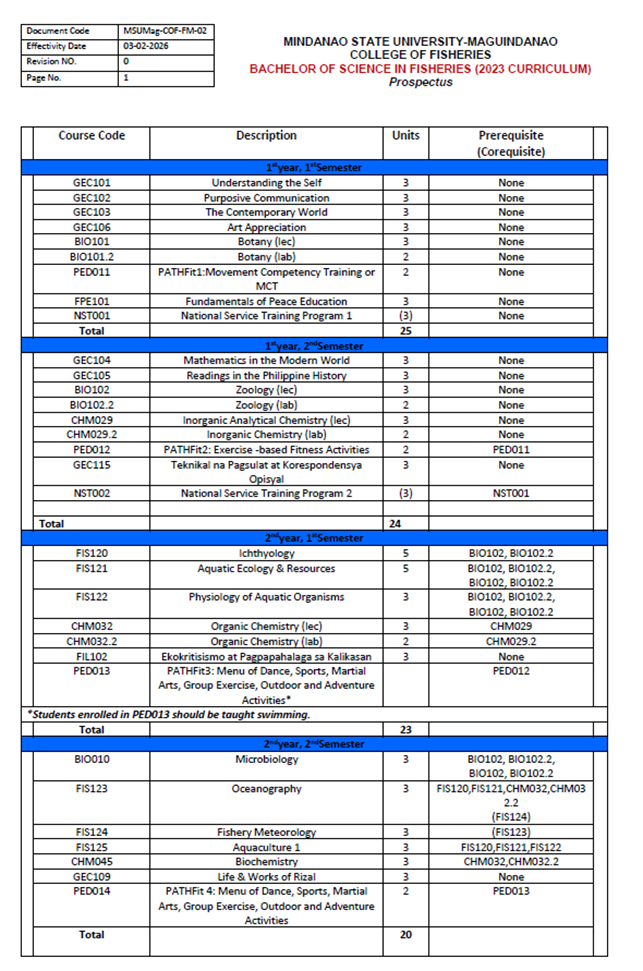
Advancing Freshwater Ecosystem Education and Community-Based Training in Water Quality Monitoring, Sustainable Fisheries, and Water Resource Management
Access to quality education, scientific knowledge, and practical training plays an important role in protecting freshwater ecosystems and promoting the sustainable use of water resources. Mindanao State University–Maguindanao (MSU–Maguindanao) supports these objectives through its academic programs, research initiatives, extension activities, and partnerships with government agencies, higher education institutions, and local communities. Through these initiatives, the University provides educational opportunities and practical learning experiences in fisheries, aquaculture, freshwater ecosystem conservation, water quality monitoring, irrigation, and water resource management. Its approach connects formal academic instruction with field-based learning, technical demonstrations, research dissemination, and community engagement.Academic Programs in Fisheries, Aquaculture, and Water Resource ManagementThe University's academic offerings provide a foundation for developing professionals and technical personnel in fisheries, aquaculture, and agricultural water management. These include the Bachelor of Science in Fisheries (BS Fisheries), with a curriculum totaling 180 units; the Diploma in Fisheries Technology major in Aquaculture, with 125 units; and the Diploma in Fisheries Technology major in Fish Processing, with 124 units. The University also offers the Bachelor of Science in Agricultural and Biosystems Engineering (BS ABE), with a curriculum totaling 193 units.These programs cover relevant areas such as aquatic ecology, capture fisheries, sustainable aquaculture, fisheries management, fish processing, irrigation and drainage engineering, hydrometeorology, and land and water conservation engineering. Through these academic offerings, students acquire scientific knowledge and technical competencies applicable to freshwater resource management, sustainable fisheries production, aquaculture operations, and efficient agricultural water utilization.Through the BS Fisheries program, the University develops future fisheries professionals and practitioners equipped with the knowledge and competencies needed to work in fisheries resource management, aquatic ecosystem conservation, aquaculture, and related fields. Upon graduation, BS Fisheries graduates can serve as fisheries professionals, practitioners, technical personnel, researchers, and extension workers who can contribute to the sustainable management of freshwater and other aquatic resources.The University's academic programs and community extension activities also support access to education and capacity development. Community-based orientations, training sessions, technical demonstrations, and extension activities are provided free of charge to participating local communities, fisherfolk, farmers, and other stakeholders.BS FISHERIES PROGRAM PROSPECTUSDiploma in Fisheries Technology Major in Fish Processing ProspectusDiploma in Fisheries Technology Major in Aquaculture ProspectusBS Agricultural and Biosystem EngineeringFree Community-Based Training and Environmental EducationBeyond formal classroom instruction, the University extends freshwater ecosystem education through practical environmental monitoring and collaboration with local government units. On June 30, 2025, through its College of Forestry and Environmental Science, MSU–Maguindanao partnered with the Ministry of Environment, Natural Resources and Energy–Environmental Management Services (MENRE–EMS), BARMM, and the Local Government Unit of Datu Odin Sinsuat to launch the Brar River Pilot Water Sampling Program and continue water quality monitoring of the Simuay River.An orientation conducted at the University's College of Forestry and Environmental Science introduced faculty members, students, and LGU personnel to standardized water-sampling procedures and waterbody classification. The activity provided practical exposure to environmental monitoring and strengthened the capacity of academic and local stakeholders to assess river conditions and support freshwater resource protection. MENRE–EMS continues regular water sampling at three established monitoring stations along the Simuay River. Building on the University's Adopt-an-Estero partnership established in 2022, this initiative promotes awareness of upstream water quality and the importance of preventing land-based pollution from reaching downstream aquatic and coastal ecosystems.These orientations and learning activities are conducted as part of the University's community service and extension efforts, with no training fee charged to participating community members and local stakeholders.Lecture and orientation on standardized water-sampling procedures and waterbody classification.Dissemination and Stakeholder Education on Freshwater EcosystemsThe University also promotes research-based education and knowledge sharing through the Mindanao-Sulu-Palawan Innovative Research and Development Consortium (MinSuPala–IRDC). On February 27, 2025, MSU–Maguindanao convened a stakeholder consultation involving researchers from participating state universities and colleges, government agencies, local government units, and fisherfolk associations.The consultation presented research findings on the environmental conditions of four important inland water bodies: Ligawasan Marsh, Lake Buluan, Rio Grande de Mindanao, and Lake Lanao. The assessments covered water quality, inland capture fisheries, watershed conditions, and socioeconomic factors affecting aquatic ecosystem health. Discussions focused on research-based recommendations for watershed management, water pollution reduction, aquatic biodiversity conservation, and ecosystem protection and restoration. By bringing together researchers and local stakeholders, the activity provided an opportunity to share scientific information and connect research findings with local environmental concerns and resource management priorities.A participant sharing insights during the MinSuPala–IRDC Stakeholders' Consultation on February 27, 2025.Knowledge Exchange on Water and Natural ResourcesRegional education and knowledge exchange were further strengthened through the University's support for the First Mindanao Forum on Waters and Natural Resources, held on November 26–28, 2025, in General Santos City through MinSuPala–IRDC. The forum brought together more than 170 researchers, faculty experts, policymakers, and development partners from nine state universities and colleges, together with government agencies, local government units, and community stakeholders.Through research presentations, policy workshops, and discussions, participants examined scientific assessments of water quality, inland capture fisheries, watershed conditions, and community livelihoods across major Mindanao water bodies, including Lake Lanao, Ligawasan Marsh, Lake Buluan, Lake Sebu, Rio Grande de Mindanao, and Pulangi River. The forum provided a platform for sharing scientific findings and translating research into recommendations for freshwater ecosystem conservation, sustainable inland fisheries management, and improved water resource governance. It also strengthened collaboration and knowledge exchange among academic institutions, government agencies, and communities.MSU–Maguindanao faculty members presenting research findings on water quality, inland capture fisheries, watershed conditions, and community livelihoods across major Mindanao water bodies.Community-Based Aquaculture and Livelihood TrainingCommunity-based education also extends to fisheries and aquaculture livelihood development. Through its partnership with the Office of the Presidential Adviser on Peace, Reconciliation, and Unity (OPAPRU), MSU–Maguindanao has implemented agricultural livelihood initiatives in Camps Abubakar, Badre, and Omar in support of the Comprehensive Agreement on the Bangsamoro.Initiated in 2023 and continuing in 2025, these initiatives provide former Moro Islamic Liberation Front combatants, their families, farmers, and community organizations with educational sessions, hands-on demonstrations, and learning visits on fish farming, aquaculture production, and enterprise development. Participants gain practical knowledge and skills in aquaculture operations, product handling, storage, packaging, and branding. These activities help extend technical knowledge beyond the University and support household food production, livelihood opportunities, and community-based aquaculture enterprises.The training and learning activities provided under these community-based initiatives are free for participating beneficiaries, helping local communities gain access to practical knowledge and skills without the cost of formal training.MSU–Maguindanao, in partnership with OPAPRU, demonstrates climate-smart aquaculture through tilapia and African catfish (hito) production in a community-based fish farming facility under the Science-and-Technology-Based and Climate-Smart Mixed Farming System, supporting sustainable livelihoods, food security, and economic opportunities for beneficiary communities in Camps Abubakar, Omar, and Badre.Partnerships Supporting Community Education and Environmental ManagementThe University's educational, research, and extension initiatives are supported by partnerships with government agencies, higher education institutions, research organizations, and local stakeholders. These include MENRE–EMS and local government units for river monitoring and environmental protection; the Ministry of Agriculture, Fisheries and Agrarian Reform (MAFAR–BARMM), DOST–PCAARRD, and other regional agencies for aquatic resource research and conservation; and participating state universities and colleges under MinSuPala–IRDC for research collaboration, knowledge exchange, and science-based policy development.These partnerships help translate academic and scientific knowledge into practical learning opportunities, environmental monitoring activities, and community-oriented resource management initiatives.Contribution to Freshwater Ecosystem Education and Sustainable Resource ManagementThrough its academic programs, practical environmental activities, research consultations, regional forums, and community-based training, MSU–Maguindanao provides educational opportunities for students, local government personnel, researchers, fisherfolk, farmers, and community organizations. Its initiatives strengthen knowledge and practical competencies in freshwater ecosystem assessment, water quality monitoring, watershed management, aquatic biodiversity conservation, sustainable fisheries, aquaculture production, irrigation, and efficient agricultural water utilization.By integrating formal education with hands-on environmental activities, research dissemination, and community engagement, the University contributes to strengthening local and regional capacity for the responsible management, conservation, and sustainable use of freshwater and aquatic resources.These continuing efforts demonstrate the University's commitment to education as an instrument for environmental sustainability and community development. Through the development of skilled graduates, practical learning opportunities for local stakeholders, and sustained collaboration with government and research institutions, MSU–Maguindanao contributes to promoting informed decision-making, protecting freshwater ecosystems, and supporting the responsible use of water resources for present and future generations.
December 3, 2025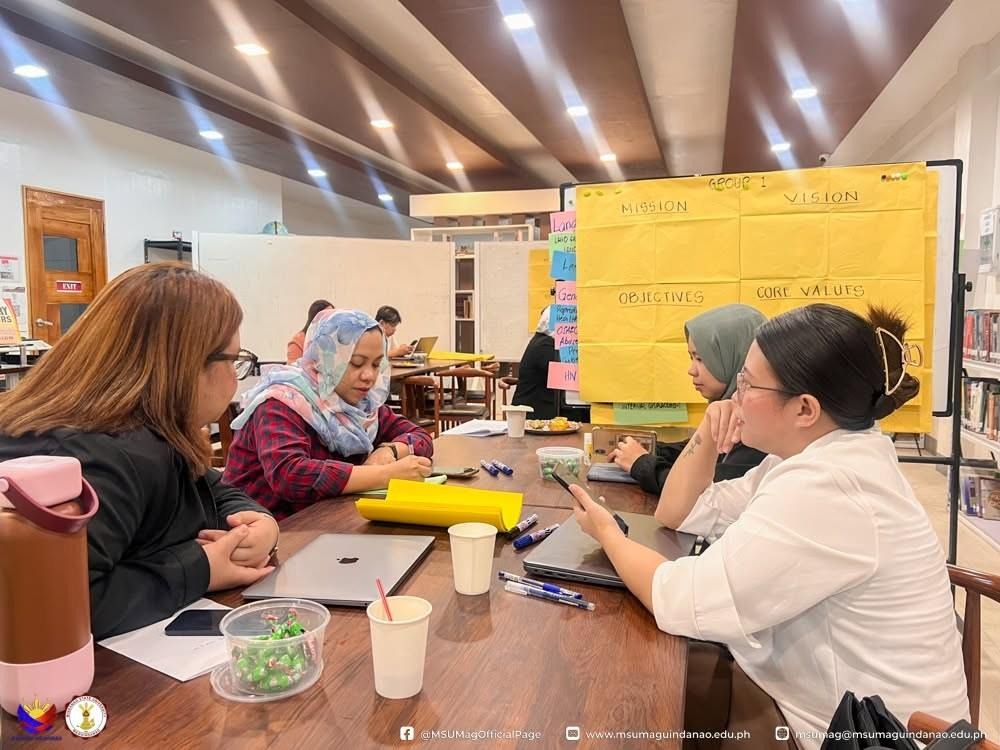
Mindanao State University–Maguindanao College of Law Charts the Direction of Its Kasaligan Law Clinic to Bring Legal Aid to Underserved Communities
The College of Law of Mindanao State University–Maguindanao, through its Clinical Legal Education Program (CLEP), held a strategic planning workshop for its Kasaligan Law Clinic on November 14 and 15, 2025. The workshop set the clinic’s directions, service priorities, partnerships, and measurable targets as the College prepares to deliver legal education, assistance, and community-based legal services in the Bangsamoro.Strategic planning session for the Kasaligan Law Clinic, November 2025.The clinic responds to a persistent gap in the region: many residents, particularly in poor, rural, and conflict-affected communities, cannot afford a lawyer or do not know where to bring their legal concerns. Under the Clinical Legal Education Program, law students who have completed the required coursework may provide legal assistance under the supervision of practicing lawyers, giving communities access to legal help while giving students practical training.The two-day planning was guided by facilitators Assoc. Prof. Grant Warren Lu, Ms. Honey Grace Magsayo, and Mr. Yusseph Untong. On the first day, participants mapped the most pressing legal and social issues affecting Maguindanao and nearby cities, so that the clinic would be built around real community needs. They also studied the work of the Sambatan Law Clinic as a reference model and began framing the clinic’s vision, mission, objectives, and name. On the second day, they finalized the vision, mission, and objectives, agreed on common ground, and named the clinic after pitching and refining the proposed concepts. They then mapped the roles and responsibilities of those who will run it, reviewed its organizational structure, and drafted its first six-month action plan.The strategic planning was attended by University and College of Law officials: MSU–Maguindanao Chancellor Dr. Bai Hejira Nefertiti M. Limbona; Vice Chancellor for Planning and Development Dr. Arceli Naraga; Director of the Human Resource Management Office Dir. Genuine M. Uko-Malim; Assistant Dean for the Clinical Legal Education Program Atty. Joanah Alinog-Disocor; Assistant Dean of the MSU College of Law–Maguindanao Extension Atty. Lorevera Krishna A. Alcober; and Law Student Government Adviser Atty. Rojean C. Romanes. Ms. Naila Muti, Secretary of the MSU College of Law–Main Campus, and Ms. Alnaira Amer, an officer of the Sambatan Law Clinic, also took part, together with faculty and staff of the College of Law–Maguindanao Extension, partner agencies, and selected law students.By building a permanent clinic through which supervised law students and lawyers serve people who cannot afford legal help, the University promotes the rule of law and equal access to justice for all. The clinic also prepares future lawyers for public service in the Bangsamoro, strengthening the justice institutions of the region.The College of Law will open the Kasaligan Law Clinic to communities in BARMM and report regularly on the clients it serves and the cases it handles.
December 3, 2025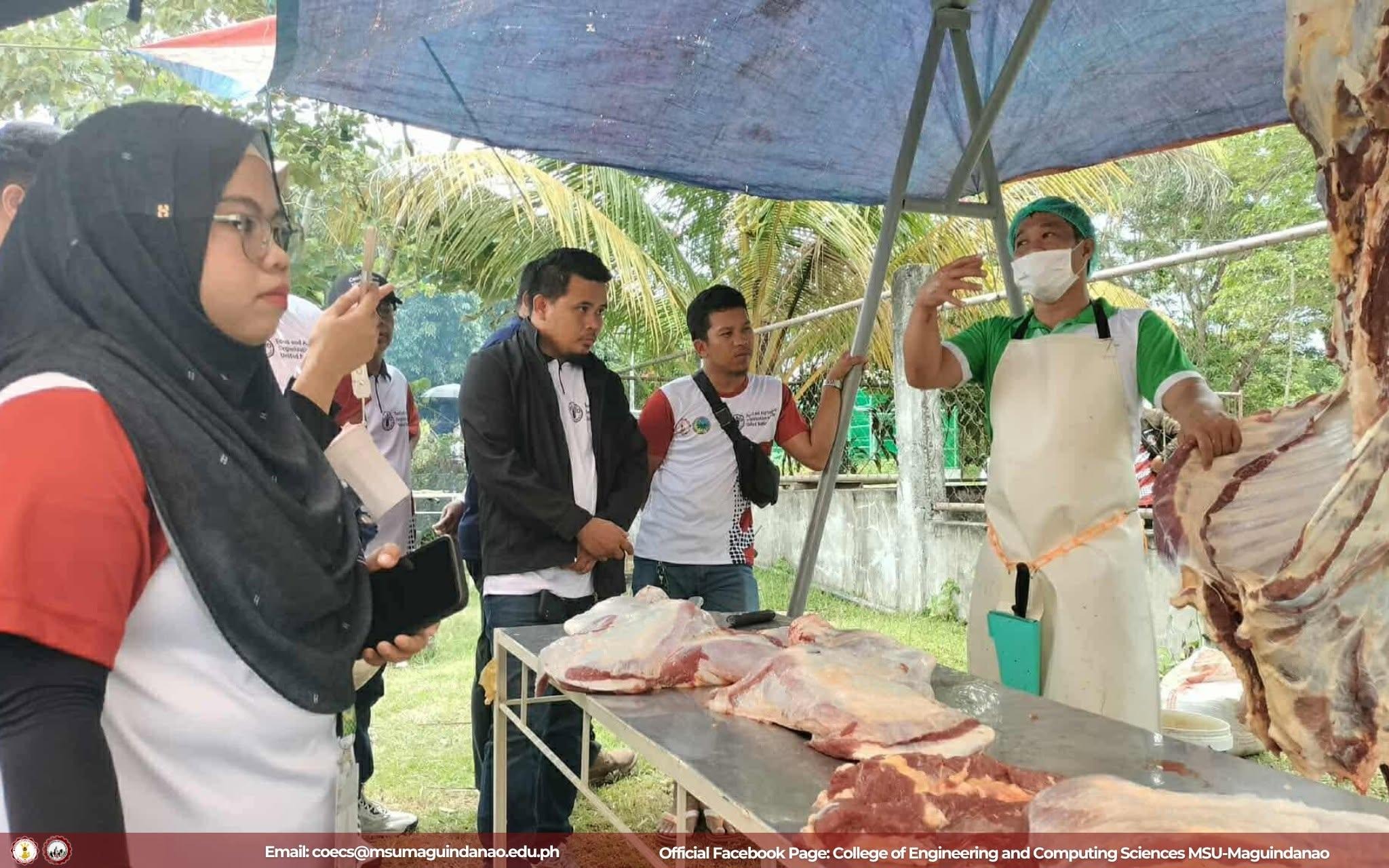
MSU–Maguindanao Trains Farmers in Halal Livestock Production to Strengthen Rural Livelihoods
Mindanao State University–Maguindanao, through its College of Agriculture and College of Engineering and Computing Sciences, partnered with the Food and Agriculture Organization of the United Nations (FAO) and the Ministry of Agriculture, Fisheries and Agrarian Reform (MAFAR) to conduct a five-day Farmers’ Training on Halal Livestock Production from October 2–6, 2025. Implemented under the TCP/PHI/3903 Project on the Development of Halal Agricultural Production Systems in Mindanao, Phase II, the initiative equipped farmers and agricultural practitioners with practical knowledge to improve livestock management and strengthen livelihood opportunities.Farmers and agricultural practitioners participating in the five-day Farmers’ Training on Halal Livestock Production, October 2–6, 2025.The training featured lectures, demonstrations, and hands-on activities on Halal slaughtering of cattle and goats, allowing participants to apply the full cycle of halal livestock production practices. In her closing message, Dr. Raquel S. Arenas, Vice Chancellor for Research and Extension, emphasized that this initiative is more than a technical training; it is part of a larger mission to empower local farmers, elevate livestock quality, and enhance Mindanao’s reputation as a center for authentic and ethical halal food production.Resource persons from MSU–Maguindanao and MAFAR included Dr. Manan E. Undong, Asst. Prof. Shiela Mae A. Dionaldo, Asst. Prof. Taskier S. Musa, Dr. Saidona A. Lawan, Sr. Agri. Norhid O. Wahab, Dr. Bai Zharinah M. Mangindra, Sr. Agri. Saban B. Belongan, and Dr. Norodin A. Kuit, among others. During the closing program, Vice Chancellor for Research and Extension Dr. Raquel S. Arenas highlighted the importance of empowering farmers, improving livestock quality, and strengthening Mindanao’s potential in ethical halal food production.The training strengthened farmers’ competencies in animal health, feeding, biosecurity, and sustainable livestock management. These skills can help farmers use local resources more efficiently, reduce preventable livestock losses, and explore livelihood opportunities in the halal agricultural sector. Participating farmers and agricultural practitioners were the direct beneficiaries, while their households and rural communities may benefit from more resilient livelihoods and improved food availability.By equipping farmers with practical production skills, the initiative lays the groundwork for more sustainable livestock enterprises, diversified livelihood opportunities, and stronger rural economic resilience across Mindanao.
December 2, 2025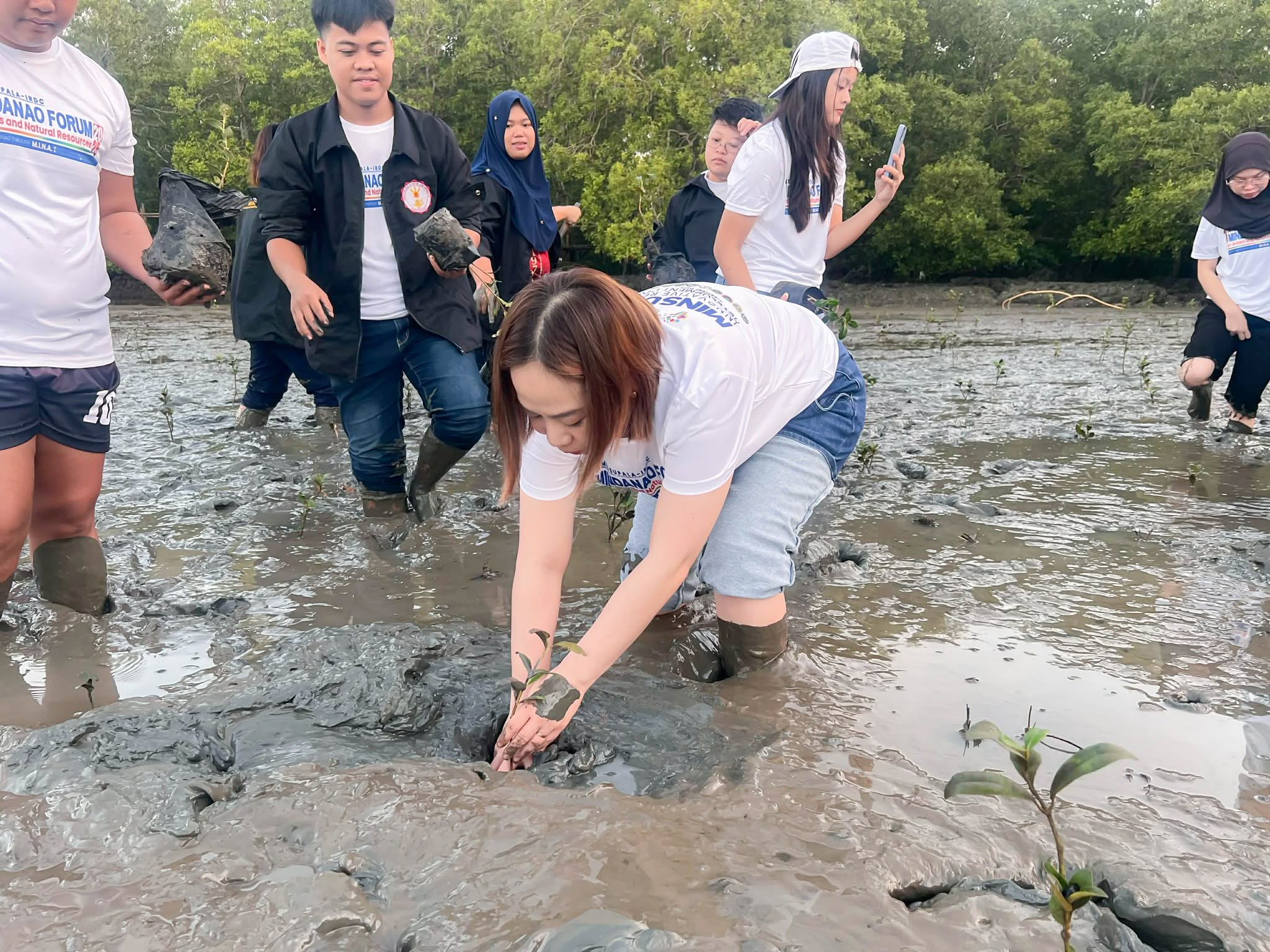
MSU-Maguindanao and MinSuPala–IRDC Restore Coastal Ecosystems Through Hands-On Mangrove Planting Action
The Mindanao State University–Maguindanao and State Universities and Colleges (SUCs) under the Mindanao-Sulu-Palawan Innovative Research and Development Consortium (MinSuPala–IRDC) executed a field-based Mangrove Growing Activity at the Baluan Mangrove Sanctuary in General Santos City. Serving as the environmental action component of the 1st Mindanao Forum on Waters and Natural Resources, the activity brought together researchers, university leaders, innovators, and partner agencies to translate academic discussions into direct ecological restoration.Mangrove PlantingMinSuPala–IRDC Consortium Lead and MSU-Maguindanao Chancellor Bai Hejira Nefertiti M. Limbona spearheaded the multi-sectoral delegation directly into the field. Participants planted 107 mangrove seedlings, establishing a measurable physical output that reinforces coastal buffers, protects local shorelines, and restores vital nursery grounds for marine species.MSU-Maguindanao delegates preparing for tree plantingThis hands-on intervention advances protection and restoration of coastal ecosystems and targets conservation of water and natural resources.By bridging research dialogue with direct ecosystem stewardship, the consortium strengthens marine biodiversity and enhances the climate resilience of coastal communities across the region. Moving forward, MSU-Maguindanao actively converts scientific knowledge into immediate environmental impact.
December 1, 2025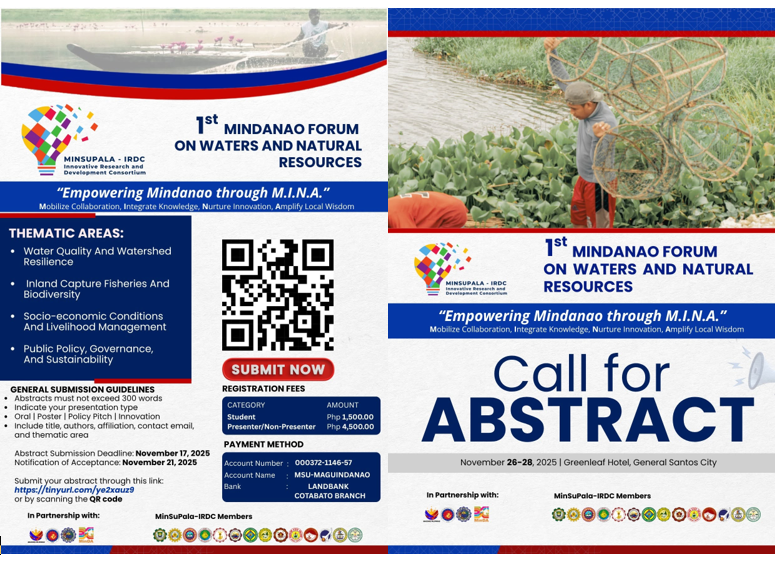
Promoting the Conservation and Sustainable Use of Inland and Marine Aquatic Resources through Research Forums and National Fisheries Engagements
Scientific research, policy discussions, and collaboration among academic institutions, government agencies, and communities play an important role in protecting aquatic ecosystems and ensuring the sustainable use of fisheries and water resources. Through its leadership of the Mindanao, Sulu, Palawan–Innovative Research and Development Consortium (MinSuPala-IRDC) and its participation in national fisheries initiatives, Mindanao State University–Maguindanao supported and helped organize events that promoted the conservation and sustainable management of lakes, rivers, marshlands, inland fisheries, and marine resources. These activities provided platforms for presenting scientific findings, discussing environmental and fisheries concerns, and developing collaborative approaches to aquatic resource management.1st Mindanao Forum on Waters and Natural ResourcesOne of these major initiatives was the 1st Mindanao Forum on Waters and Natural Resources, held on November 26–28, 2025, at Greenleaf Hotel, General Santos City. Through MinSuPala-IRDC, the University supported the three-day forum, which brought together representatives from nine state universities and colleges, government agencies, local government units, research institutions, and community stakeholders. Led by MSU–Maguindanao Chancellor Dr. Bai Hejira Nefertiti M. Limbona, as MinSuPala-IRDC Lead, the initiative was conducted in partnership with the Mindanao Development Authority (MinDA) and the National Research Council of the Philippines (NRCP).Building on the consortium's first phase of research, supported by the Department of Budget and Management (DBM), the forum featured scientific assessments and research findings on water quality, inland capture fisheries, watershed conditions, and community livelihoods across major Mindanao water bodies. These included Lake Lanao, Ligawasan Marsh, Lake Buluan, Lake Sebu, the Rio Grande de Mindanao, and the Pulangi River. The presentations provided participants with research-based information on the environmental conditions, fisheries resources, and socioeconomic concerns affecting these ecosystems.Promotional poster of the 1st Mindanao Forum on Waters and Natural Resources, organized by MinSuPala-IRDC, featuring the theme “Empowering Mindanao through M.I.N.A.” and its four thematic areas: water quality and watershed resilience, inland capture fisheries and biodiversity, socioeconomic conditions and livelihood management, and public policy, governance, and sustainability.Faculty members and researchers from MSU–Maguindanao presented assessment results and shared findings that could help guide local planning, resource management, and the development of appropriate conservation initiatives.MSU–Maguindanao faculty members present research findings on water quality, inland capture fisheries, watershed conditions, and community livelihoods across major Mindanao water bodies.Mr. John Louie C. Natan of MSU–Maguindanao presents research findings during the 1st Mindanao Forum on Waters and Natural Resources.Through research presentations, policy workshops, and innovation activities, the forum connected scientific findings with discussions on practical approaches to aquatic ecosystem conservation and sustainable resource management. Participants exchanged ideas on sustainable fisheries management, biodiversity protection, water quality improvement, watershed conservation, and ecosystem restoration. The discussions also emphasized responsible fishing practices, the sustainable utilization of aquatic resources, and the protection of habitats that support inland fish populations and other aquatic organisms.The forum further provided an opportunity to discuss the effects of human activities and environmental pressures on inland water ecosystems and the communities that depend on them. By bringing together researchers, government representatives, local institutions, and community stakeholders, the event encouraged the sharing of experiences and the identification of common priorities for protecting aquatic habitats and maintaining the ecological functions of lakes, rivers, and marshlands. The research findings and policy discussions also provided a basis for identifying possible interventions that support ecosystem resilience, food security, and sustainable community livelihoods.Second Philippine Small-Scale Fisheries National SymposiumAt the national level, the University also participated in organizing the Second Philippine Small-Scale Fisheries National Symposium (PSSFNS2), held on October 21–23, 2025, at the International Convention Center of the MSU Main Campus in Marawi City. Organized under the National Consortium for Small-Scale Fisheries Research and Development, also known as Too Big To Ignore (TBTI) Philippines, the symposium was hosted by the Mindanao State University System, with its constituent universities, including MSU–Maguindanao, participating in the organization of the event. With the theme “From Recognition to Action: Advancing Sustainable Small-Scale Fisheries in the Philippines,” the symposium served as a national platform for discussing research, policies, and practical initiatives that support the sustainability of small-scale fisheries.The three-day symposium gathered more than 300 participants, including fisherfolk, fisheries managers, researchers, policymakers, local government representatives, students, non-government organizations, and development partners. Through a keynote lecture, seven plenary sessions, and parallel discussions, participants explored eight thematic areas: inland and marine small-scale fisheries, fisheries management and governance, fisheries economics, sociocultural aspects of fisheries, climate change and resilience, gender, technology and innovation, and arts and small-scale fisheries.The discussions highlighted the importance of protecting aquatic and marine resources while sustaining the livelihoods of fishing communities. Participants examined concerns related to overfishing, illegal, unreported and unregulated fishing, destructive fishing practices, climate change, and the interactions between small-scale and commercial fisheries. The symposium also provided opportunities to share research findings, discuss fisheries policies, and identify approaches to strengthening fisheries governance, protecting fishing communities, and promoting responsible resource utilization. By bringing national fisheries stakeholders together, the event strengthened knowledge exchange and encouraged collective action toward more inclusive and sustainable fisheries management.Delegates, researchers, fisheries practitioners, and other stakeholders gather during the Second Philippine Small-Scale Fisheries National Symposium at the MSU Main Campus in Marawi City, October 21–23, 2025.Through the 1st Mindanao Forum on Waters and Natural Resources and the Second Philippine Small-Scale Fisheries National Symposium, MSU–Maguindanao demonstrated its support for institutional collaboration, scientific knowledge-sharing, and stakeholder participation in aquatic resource conservation. These engagements connected research with policy and community discussions, strengthened partnerships with academic institutions and government agencies, and promoted greater awareness of the importance of protecting freshwater and marine ecosystems. Together, these initiatives reflect the University's continuing contribution to the conservation of aquatic biodiversity, sustainable fisheries management, and the responsible use of inland and marine resources.
December 1, 2025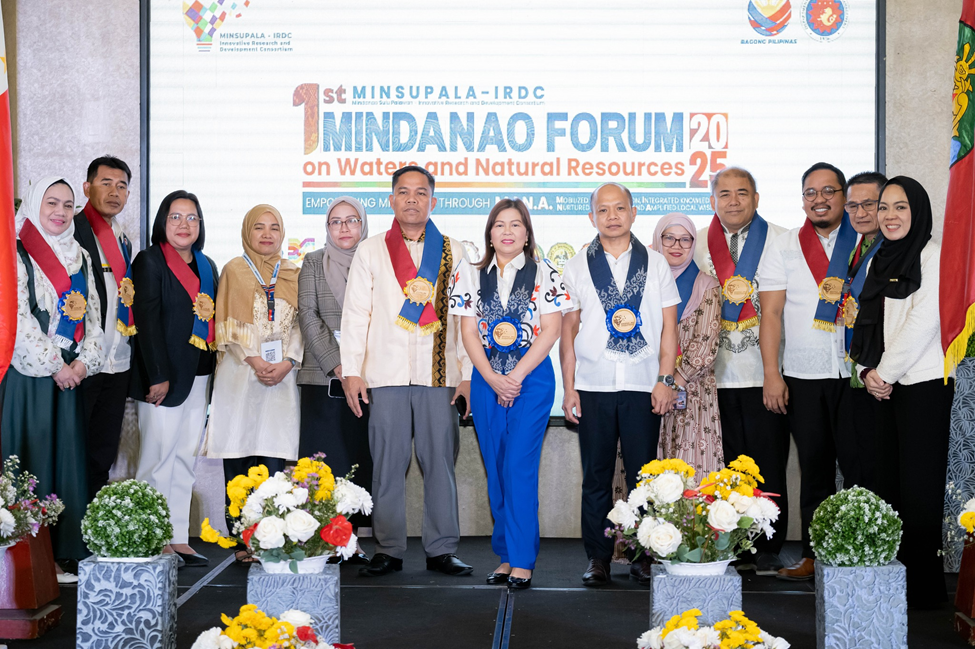
MSU-Maguindanao and MinSuPala–IRDC Lead Regional Forum to Drive Science-Based Governance of Waters and Natural Resources
The Mindanao State University–Maguindanao, as the lead institution of the Mindanao-Sulu-Palawan Innovative Research and Development Consortium (MinSuPala–IRDC), convened the landmark 1st Mindanao Forum on Waters and Natural Resources in General Santos City. Under the theme "Empowering Mindanao through M.I.N.A.—Mobilized Collaboration, Integrated Knowledge, Nurtured Innovation, and Amplified Local Wisdom," the forum assembled over 170 researchers, faculty experts, policymakers, and development partners from 14 state universities and colleges across the region.MinSuPala IRDC leaders and guests convened during the 1st Mindanao Forum on Waters and Natural ResourcesMSU-Maguindanao Chancellor Bai Hejira Nefertiti M. Limbona, serving as MinSuPala–IRDC Consortium Lead, spearheaded the event by presenting the strategic rationale that highlights the shift from basic data gathering toward policy-driven solutions for Mindanao's water basins. A major milestone featured the ceremonial turnover of Phase 1 consolidated research reports and published books to Department of Budget and Management (DBM) Region XII Director Akmad J. Usman, CPA, CESO III. The forum also showcased student-led solutions through an Innovation Hackathon alongside keynote addresses from Mindanao Development Authority (MinDA) Executive Director Undersecretary Dr. Janet M. Lopoz and top environmental scholars.This landmark regional platform aims to increase scientific knowledge and develop research capacity by empowering Mindanao through innovation. It also advances sustainable management and protection of water and natural resources.By translating Phase 1 empirical findings into concrete policy materials and directly engaging key decision-makers, such as the Mindanao River Basin Management Council and regional government agencies, the consortium accelerates evidence-informed water resource governance across Mindanao, Sulu, and Palawan. This reinforces the institution’s leadership in transforming academic research into actionable policy and regional environmental stewardship.
December 1, 2025