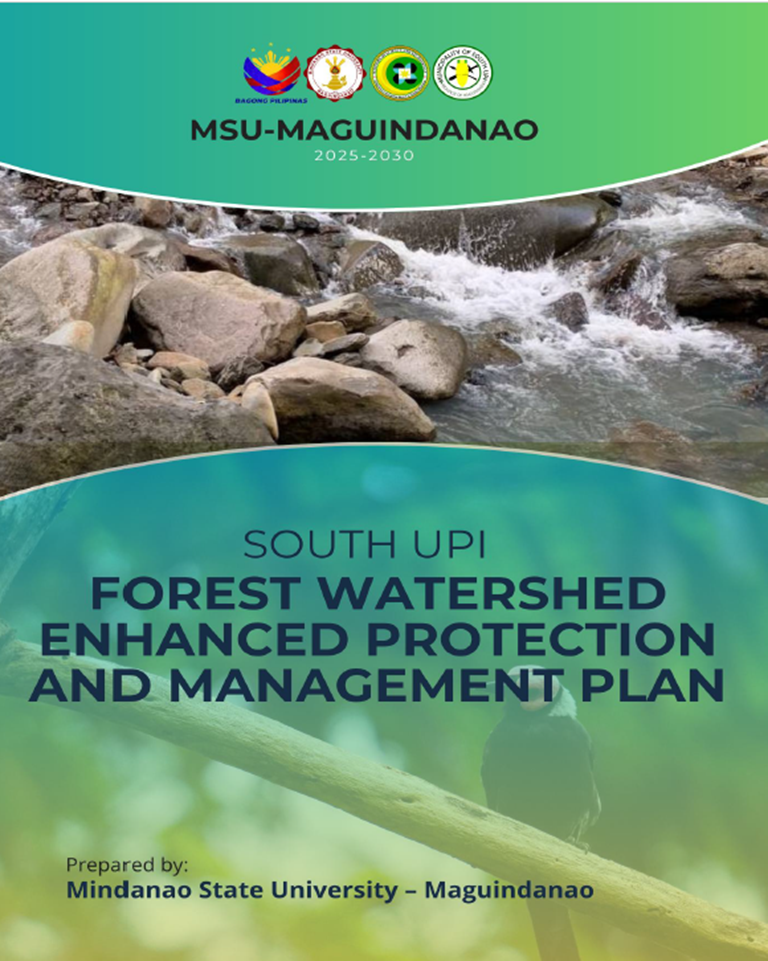
Healthy watersheds keep rivers clean and aquatic habitats intact. In 2025, MSU–Maguindanao developed the South Upi Forest Watershed Enhanced Protection and Management Plan (2025–2030) through the research project “Characterization of South Upi Forest Watershed cum Landslide Vulnerability Assessment: Basis for Enhanced Protection and Management Plan,” funded by the Ministry of Science and Technology–BARMM (MOST–BARMM).
The plan covers about 1,894 hectares across five barangays of South Upi, Maguindanao del Sur: Romangaob, Looy, Bongo, Kigan and Pandan. Baseline data collection, GIS mapping, biodiversity and habitat profiling and landslide vulnerability assessment identified the pressures on the watershed: illegal logging, land conversion, unsustainable farming, soil erosion, landslides, biodiversity loss and potential degradation of water quality.
The five-year plan responds with seven strategies:
- Watershed zoning and protection of critical and environmentally sensitive areas
- Sustainable land-use management to limit forest degradation and soil erosion
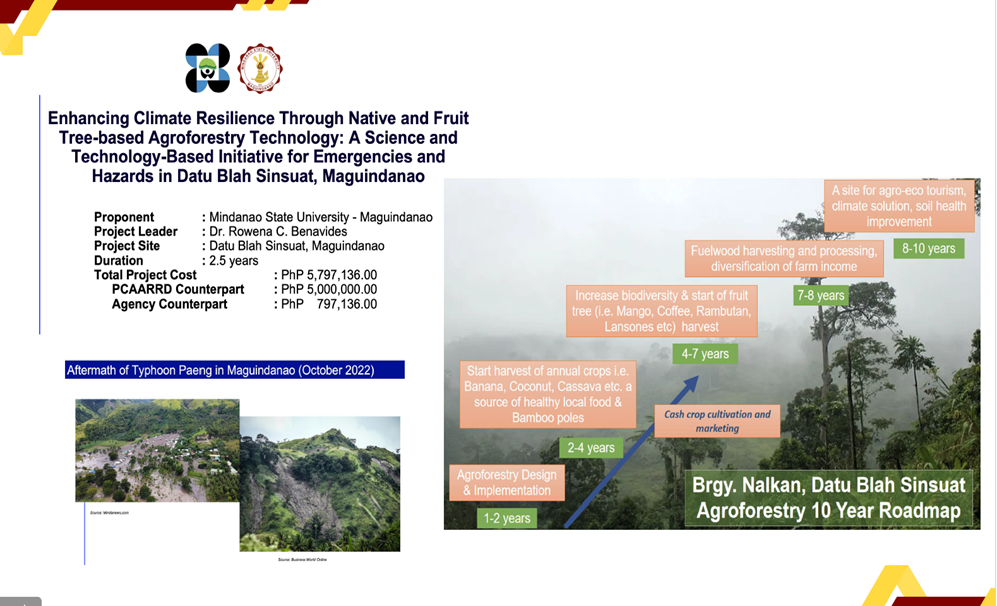
- Forest rehabilitation through assisted natural regeneration, agroforestry and native species planting
- Biodiversity and habitat conservation
- Water resource management to protect water sources and water quality
- Community-based environmental protection
- Environmental monitoring and institutional coordination
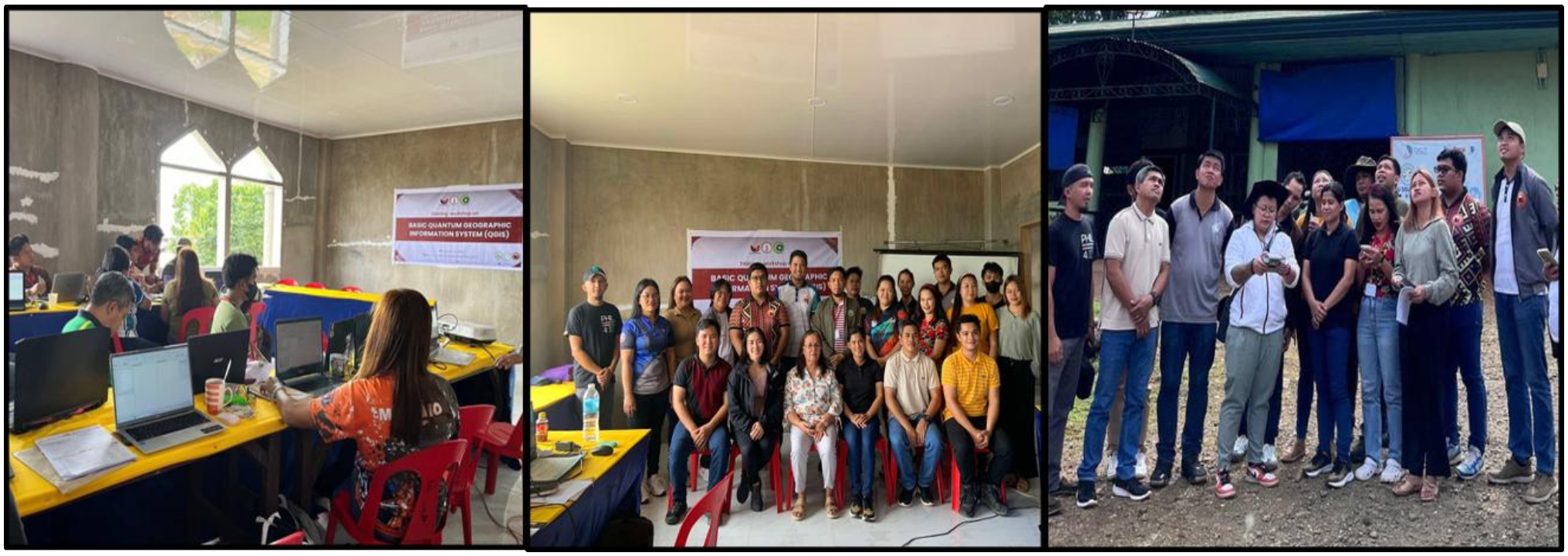
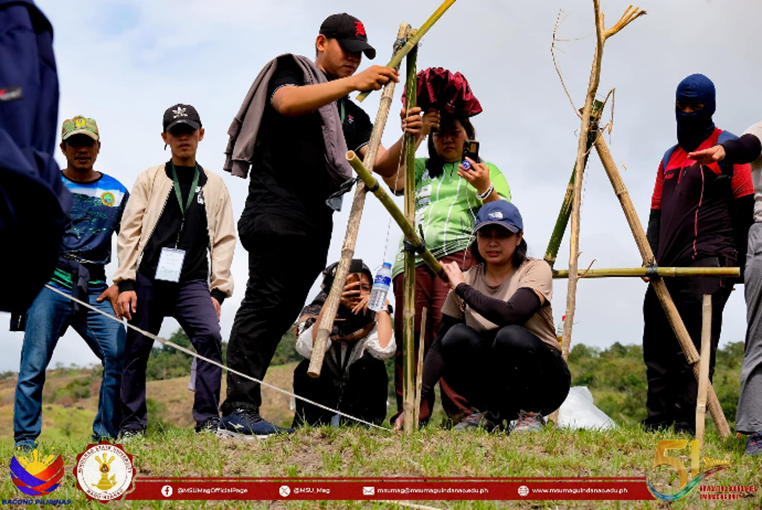
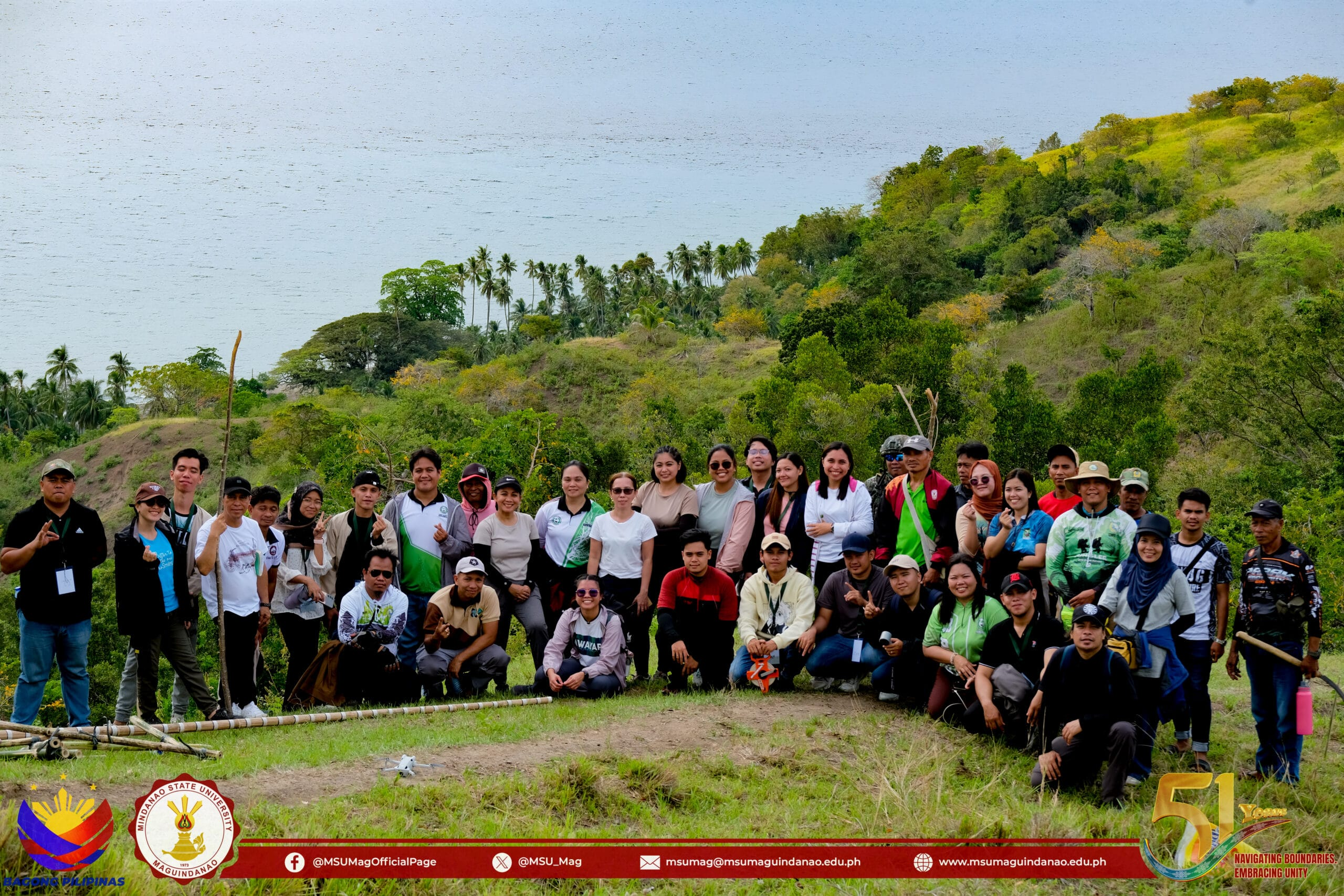
The plan was built with the people who live in the watershed. LGUs, Indigenous Teduray communities, farmers and other stakeholders took part in field assessments and consultations, contributing local and traditional knowledge to the plan. In February 2025, the University also trained South Upi and North Upi LGU personnel in advanced QGIS mapping so they can monitor land use and update the plan themselves.
The strategy is grounded in the aquatic species of the area. MinSuPala-IRDC assessments of inland capture fisheries and the 2025 community prioritisation of indigenous fish species, including haluan, native katipa and popoyu, identify the species that depend on clean, well-protected waters downstream.
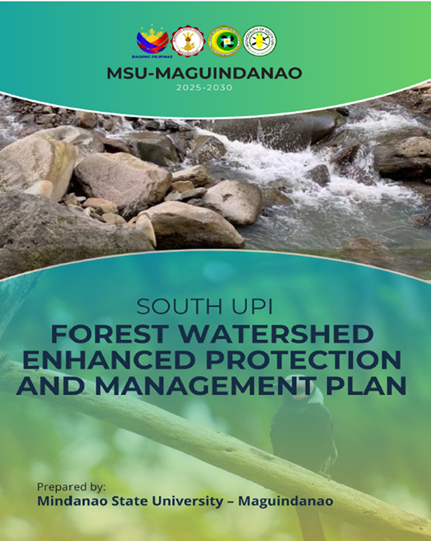
South Upi Forest Watershed Enhanced Protection and Management Plan (2025–2030).
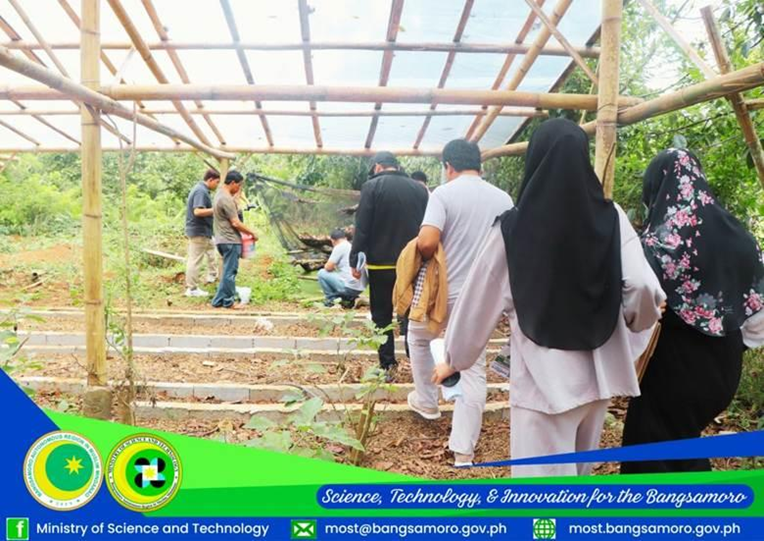
MSU–Maguindanao and MOST–BARMM researchers with local officials and members of the Indigenous Teduray community during field assessment and consultation.