Articles

Farmers Learn Contour Mapping for Soil and Water Conservation in Datu Blah Sinsuat
Farmers, landowners, and technical personnel spent three days learning to read slopes and map contours by hand, as Mindanao State University-Maguindanao (MSU-Maguindanao) and the University of the Philippines Los Baños Institute of Agroforestry (UPLB-IAF) conducted a Trainers' Training on Agroforestry Establishment and Development from February 25 to 27, 2025. A trainee uses a bamboo A-frame and plumb line to trace contour lines on sloping farmland, a technique for slowing runoff and reducing soil erosion.The training applied the Agroforestry Land Capability Assessment and Mapping Scheme (ALCAMS), covering land suitability assessment, slope determination, contour mapping, soil fertility testing, land-use observation, and agroforestry planning. Participants built and used A-frame contour-mapping equipment directly in the field, a low-cost tool that lets farmers trace contour lines by hand to guide erosion-control and planting decisions on sloping land, forming part of the broader Enhancing Climate Resilience through Native and Fruit Tree-Based Agroforestry Technology project led by Dr. Rowena C. Benavides of the College of Forestry and Environmental Studies (CFES) and funded by DOST-PCAARRD.Protecting water resources starts with the land itself, and that is the deeper purpose behind this training: tracing contour lines along level ground slows runoff, reduces erosion, and helps rainwater infiltrate the soil instead of washing away, directly supporting efforts to protect and restore water-related ecosystems and conserve freshwater on Datu Blah Sinsuat's most vulnerable slopes. Farmers and landowners in Barangay Nalkan and across the municipality leave the training able to apply these water- and soil-conservation techniques on their own land, while MSU-Maguindanao faculty and students gain hands-on field experience they can carry into the project's continuing rehabilitation of an eventual 35 hectares of degraded and sloping land.The training equips participants to complete re-entry action plans for their own areas, with MSU-Maguindanao and UPLB-IAF expecting the resulting contour maps and land assessments to guide where native and fruit trees are planted next, extending the project's soil and water conservation work deeper into Datu Blah Sinsuat's most vulnerable, sloping terrain.
March 3, 2025
Mindanao State University–Maguindanao Brings Products of Transformed MILF Camp Communities to Market at the MAFARamadhan Trade Fair Plus
Mindanao State University–Maguindanao, through the Office of the Vice Chancellor for Research and Extension, presented "Taste of Peace: Livelihood Support for Normalization" at the MAFARamadhan Trade Fair Plus held at the Bangsamoro Government Center, ORG Compound, Cotabato City on March 1-30, 2025. The booth featured products made by transformed MILF communities from Camp Abubakar, Camp Badre, and Camp Omar, connecting the normalization process with real market opportunities for communities moving from conflict toward productive and peaceful livelihoods.Community producers displayed and sold organic vegetables, fruits, eggs, banana-based products, sauces, and other halal-processed goods. The University trained producers through its Camp Transformation projects, assisted in product development and packaging, and linked the communities to the trade fair. The initiative was undertaken with the Office of the Presidential Adviser on Peace, Reconciliation and Unity (OPAPRU), the Joint Task Forces on Camps Transformation, the Moro Islamic Liberation Front, and partner community groups.The "Taste of Peace: Livelihood Support for Normalization" booth at the MAFARamadhan Trade Fair Plus, Bangsamoro Government Center, Cotabato City.The primary beneficiaries were producers from the transformed communities of Camp Abubakar, Camp Badre, and Camp Omar, who gained direct access to consumers, government agencies, and potential market partners, along with wider recognition for their products. By helping communities affected by armed conflict take part in the regional economy on their own terms, the initiative promotes the economic inclusion of all, irrespective of origin or status, supports productive activities and decent livelihoods, and strengthens the economic resilience of families in former conflict areas.Sauces, beverages, and other processed products from transformed MILF camp communities offered at the trade fair.The University will continue to work with OPAPRU and camp communities to strengthen product quality and market links, so that livelihood support becomes a durable source of income and a foundation for lasting peace in the Bangsamoro.
March 1, 2025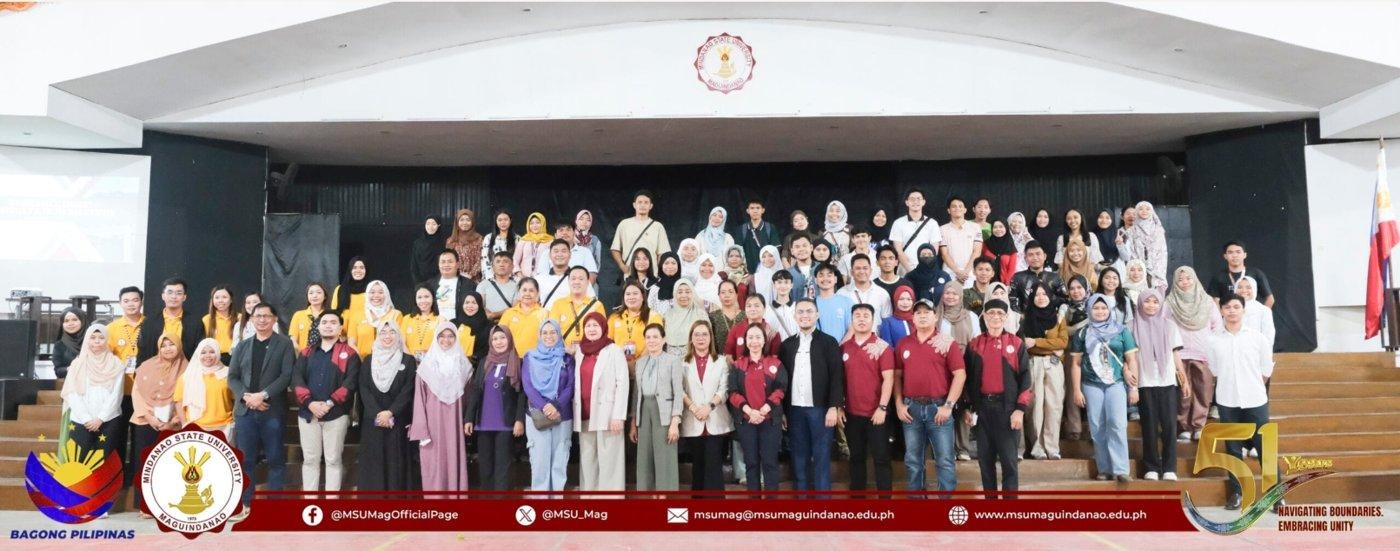
Mindanao State University–Maguindanao Consults Government Agencies, Communities, Parents, and Alumni on Its 2026 Priorities
Mindanao State University–Maguindanao, through the Office of the Vice Chancellor for Planning and Development, conducted its 2025 Stakeholders' Consultation Meeting on February 28, 2025, at the DOS Gymnasium. The University brought together its officials, faculty, staff, students, alumni, and parents with local government units and representatives of the Ministry of Health, the Ministry of Public Works, and the Rural Health Unit of Datu Odin Sinsuat. The goal was to make sure that the people the University serves have a direct voice in shaping its programs.University officials presented the University's accomplishments, development priorities, and proposed programs for 2026 in infrastructure, research, extension, and health services. In an open forum, stakeholders gave feedback and recommendations on these priorities and on community needs. The discussions also covered the MILF Camp Transformation Projects and the MNLF Study Grant Program supported by the Office of the Presidential Adviser on Peace, Reconciliation and Unity (OPAPRU), linking the University's plans with peacebuilding and community development efforts in the Bangsamoro. The meeting ended with a Commitment Wall Signing, in which participants pledged their support for the University's future initiatives.Participants of the 2025 MSU–Maguindanao Stakeholders' Consultation Meeting, February 28, 2025.The consultation gathered recommendations that were incorporated into the University's 2026 plans, and strengthened the University's working relationships with government agencies and local partners. By opening its planning to parents, alumni, local communities, and public agencies, the University empowers and promotes the social and political inclusion of all, irrespective of status, and ensures that decisions on its services are responsive, inclusive, and participatory, while building effective partnerships with government and local stakeholders.A stakeholder raises a concern during the open forum.The University will continue to hold stakeholder consultations each year and to report back on how the recommendations shape its programs, making participatory planning a standing part of its governance.
February 28, 2025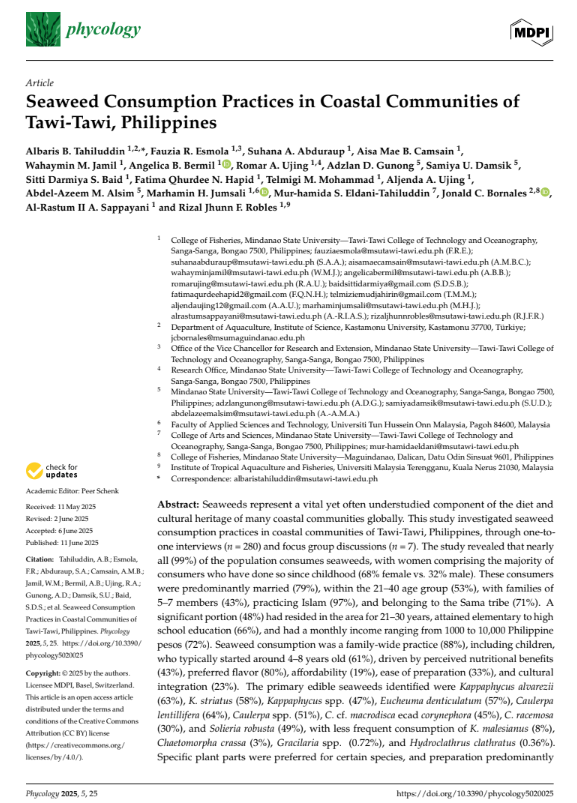
Seaweed Consumption Practices in Coastal Communities of Tawi-Tawi, Philippines
Jonald C. Bornales of Mindanao State University–Maguindanao, working alongside Albaris B. Tahiluddin from MSU–Tawi-Tawi and an international team of researchers, surveyed 280 residents across seven coastal municipalities to document how local communities prepare and value edible seaweed. Despite seaweed being deeply rooted in the Bangsamoro diet, systematic data on consumption habits and health perceptions had remained limited.By combining community surveys with seven focus group discussions, the team uncovered a strong culinary tradition that heavily relies on family heritage. The study was published in the journal Phycology. The findings show that 95% of participants learned how to prepare and eat seaweed directly from older generations. These local families value seaweed not only as a daily dietary staple, but also as a accessible source of essential nutrition that supports household food security.This research directly advances the increase of scientific knowledge and develops research capacity, while also advancing zero hunger and responsible consumption and production, by highlighting sustainable marine resource use and safeguarding local food heritage. Ultimately, by putting real numbers behind these age-old habits, the team offers local leaders the evidence they need to design better nutrition programs and keep these healthy and ocean-based food traditions alive.
February 6, 2025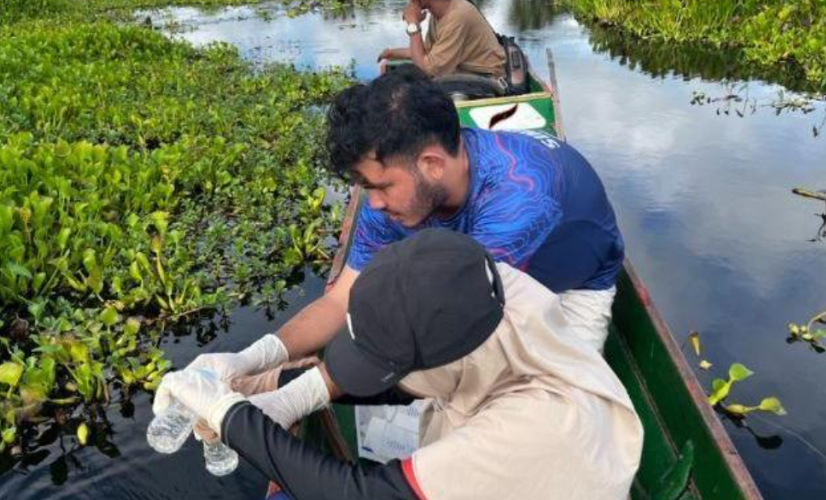
MSU-Maguindanao Team Wades Into Liguasan Marsh to Characterize Its Waters
IGUASAN MARSH, Maguindanao - The MinSuPala Innovative Research and Development Consortium (MinSuPala IRDC) Project Team of Mindanao State University-Maguindanao (MSU-Maguindanao) conducted a water characterization activity in Liguasan Marsh on January 3, 2025, collecting water samples from selected water bodies within the wetland to generate baseline scientific data on their condition.MSU-Maguindanao MinSuPala-IRDC Team obtaining water samples from Liguasan MarshThe fieldwork falls under Study 1: Water Quality Assessment of the University's broader water-resources research program, led by Prof. Peter Jan D. De Vera and formally constituted through a Special Order issued by the MSU-Maguindanao Office of the Chancellor. Working from small boats to reach water bodies surrounded by dense aquatic vegetation, team members in protective gear collected samples and took on-site measurements across the marsh.Generating evidence-based information on water quality and the marsh's water resources is the core of this work, contributing to efforts to improve water quality and support the sustainable and efficient management of water resources. Liguasan Marsh communities, the local government units of Upper and Lower Kabuntalan, and environmental stakeholders can draw on the resulting baseline data for future conservation and water-resource decisions, while MSU-Maguindanao faculty and researchers strengthened their field-based research capacity and students gained an opening for hands-on environmental research experience.Rather than a one-time field activity, the characterization is meant to anchor continued scientific assessment and informed decision-making for Liguasan Marsh, with MSU-Maguindanao positioning the initiative as a foundation for future partnerships with government agencies, schools, and research institutions working on water-resource management in the region.
January 10, 2025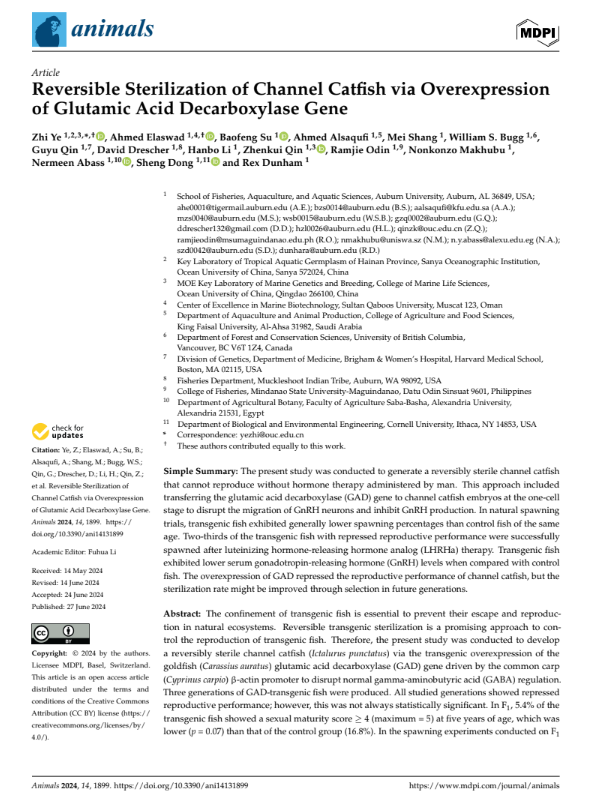
Reversible Sterilization of Channel Catfish via Overexpression of Glutamic Acid Decarboxylase Gene
Dr. Ramjie Y. Odin from Mindanao State University–Maguindanao joined an international research team led by Auburn University to tackle one of modern aquaculture's trickiest dilemmas: keeping genetically modified fish from breeding with wild populations if they ever escape. Supported by the U.S. Department of Agriculture, the scientists tested a biological containment strategy on channel catfish (Ictalurus punctatus) by overexpressing the glutamic acid decarboxylase (GAD) gene to temporarily shut down natural reproduction.Over three generations, the team introduced a goldfish GAD gene construct into catfish embryos using electroporation to suppress essential reproductive hormones. Published in the journal Animals, the results showed a noticeable drop in natural breeding, with only 27.8% of the modified catfish spawned on their own compared to 75% of the untreated control fish. When researchers administered targeted hormone injections, several suppressed fish successfully spawned, which proves that fertility can indeed be turned back on when needed.This milestone directly advances SDG 14: Life Below Water by laying the groundwork for safer and more controlled aquatic biotechnology. While the method still needs fine-tuning before commercial use, it gives scientists and fish farmers a realistic path toward protecting wild aquatic ecosystems without giving up on sustainable fish farming innovations.
January 7, 2025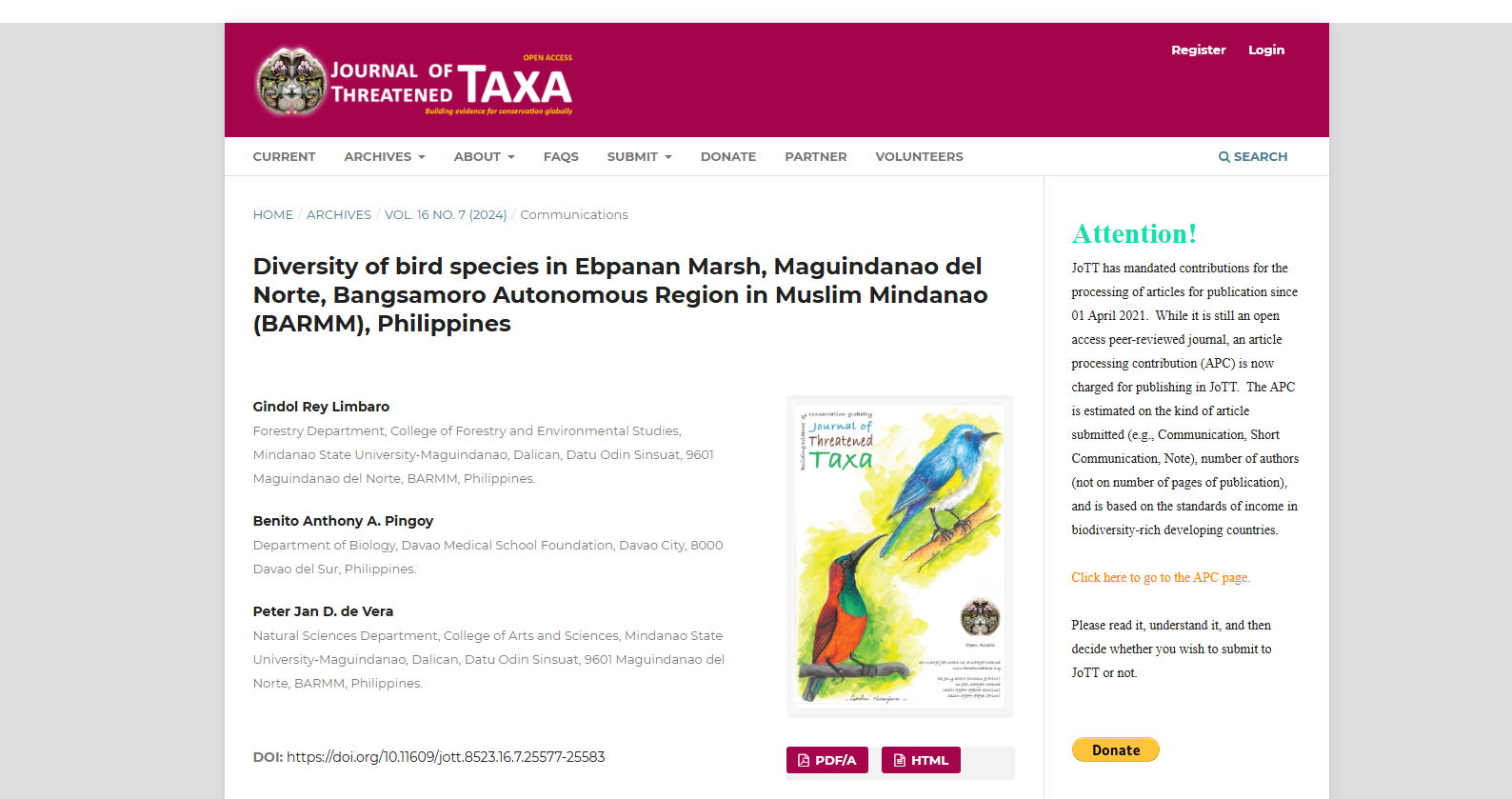
Diversity of Bird Species in Ebpanan Marsh, Maguindanao del Norte, Bangsamoro Autonomous Region in Muslim Mindanao (BARMM), Philippines
Peter Jan D. de Vera and Gindol Rey Limbaro, faculty members from Mindanao State University–Maguindanao and a researcher from Davao Medical School Foundation, documented the bird diversity of Ebpanan Marsh in Kabuntalan, Maguindanao del Norte, through a field assessment conducted on March 6–12, 2022. The study addressed the lack of published bird records for this ecologically important wetland within the Ligawasan Marsh complex, which faces threats from hunting and habitat conversion. Journal PublicationThe researchers observed birds at ten sites in the freshwater swamp forest and herbaceous swamp across approximately 64.23 hectares of Ebpanan Marsh. They recorded 36 bird species from 24 families, with herons and egrets being the most common. Of these, 23 were resident species, eight were endemic, four were migratory, and one was introduced. Two species, the Philippine Duck (Anas luzonica) and Philippine Collared Dove (Streptopelia dusumieri), were classified as Vulnerable, while the introduced Java Sparrow (Padda oryzivora) was classified as Endangered under the IUCN Red List. All endemic species were found in the remaining freshwater swamp forest, highlighting the importance of protecting this habitat. Published in the Journal of Threatened Taxa in July 2024, the study provides the first published bird checklist for Ebpanan Marsh. The findings benefit nearby communities, local government units, environmental agencies, and conservation researchers by providing baseline data to guide habitat protection, hunting regulations, and biodiversity monitoring. The study also strengthens MSU-Maguindanao’s research contributions to wildlife conservation and wetland management in the Bangsamoro region.The research supports the conservation and sustainable use of terrestrial and inland freshwater ecosystems while highlighting the urgent need to reduce habitat degradation and prevent biodiversity loss. By documenting bird diversity and identifying species of conservation concern, the study provides scientific evidence to guide habitat protection and conservation efforts, helping preserve the ecological integrity of Ebpanan Marsh.
October 25, 2024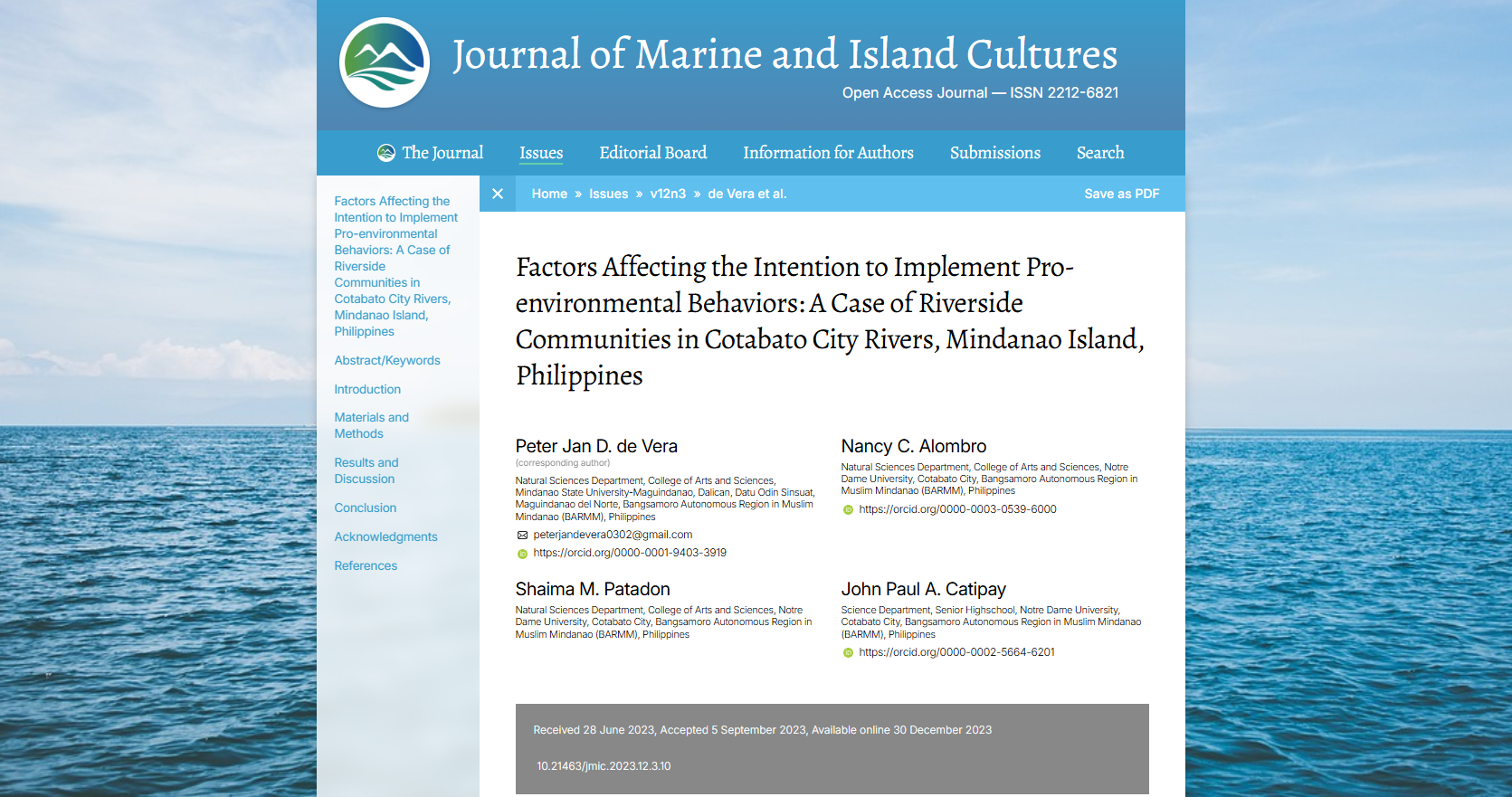
Factors Affecting the Intention to Implement Pro-environmental Behaviors: A Case of Riverside Communities in Cotabato City Rivers, Mindanao Island, Philippines
Dr. Peter Jan D. de Vera, the lead researcher from Mindanao State University–Maguindanao, alongside collaborators from Notre Dame University, investigated the key drivers behind community-led environmental practices across 15 riverside barangays in Cotabato City. The study was funded by the Ministry of Science and Technology (MOST-BARMM) which evaluated how residents living along the Matampay, Tamontaka, Esteros, and Rio Grande de Mindanao Rivers view waste management and river conservation before these waterways empty into Ilana Bay.Journal PublicationApplying the Theory of Planned Behavior and analyzing 387 validated household surveys through Structural Equation Modeling, the researchers mapped out direct links between social mindsets and action. Moreover, the study was published in the Journal of Marine and Island Cultures. The findings reveal that community expectations (subjective norms) and personal mindsets (attitudes) strongly shape a resident's willingness to adopt eco-friendly habits. The study also highlighted notable gender differences in how residents perceive their own control over environmental choices.This research directly supports the elimination of land-based water pollution) and protection of water-related ecosystems.By identifying what actually motivates riverbank communities to care for their local waterways, the team provides local barangay leaders and BARMM policymakers with clear evidence to build better waste management drives. Rather than relying on top-down mandates, these insights help local leaders design community-driven cleanup initiatives that truly resonate with the people living along the riverbanks.
December 30, 2023