Articles
Monitoring Aquatic Ecosystem Health through River Water Quality Monitoring and Collaborative Research
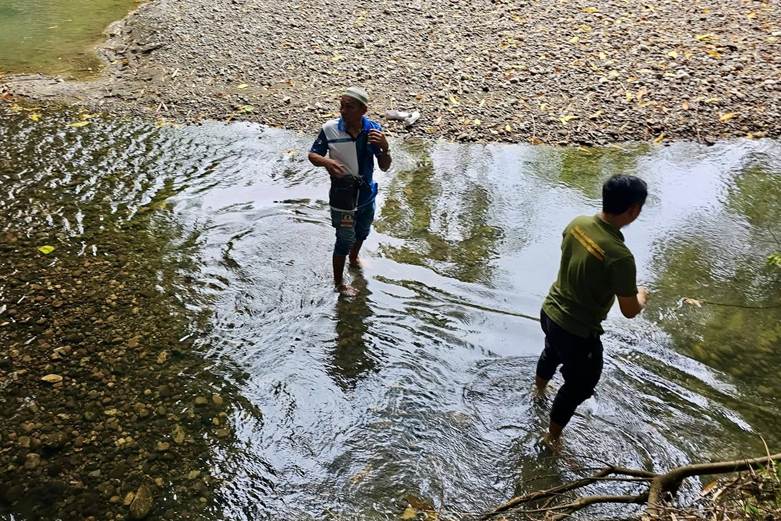
River Water Quality Monitoring through Government and Community PartnershipsThe University strengthened its participation in monitoring and assessing aquatic ecosystem health through river water-quality sampling, research on important inland water bodies, and collaboration with government environmental agencies, local government units, and other academic institutions. These initiatives generated scientific information on water quality, fisheries resources, watershed conditions, and aquatic biodiversity to support environmental protection and the sustainable management of the region's aquatic ecosystems.A direct example was the joint river water-quality monitoring and protection initiative conducted on June 30, 2025. Through the College of Forestry and Environmental Science, the University partnered with the Ministry of Environment, Natural Resources, and Energy–Environmental Management Services (MENRE-EMS) and the Local Government Unit of Datu Odin Sinsuat to launch the Brar River Pilot Water Sampling Program and continue water-quality monitoring in the Simuay River. The activity included an orientation on standardized water-sampling procedures and waterbody classification for faculty members, students, and local government personnel, consistent with Republic Act No. 9275, or the Philippine Clean Water Act of 2004. Building on the Adopt-an-Estero partnership established in 2022, the initiative strengthened local capacity for environmental monitoring. MENRE-EMS also continued regular water sampling at three established monitoring stations along the Simuay River, with the University serving as an institutional partner in the monitoring initiative.researchFaculty members and research personnel conduct river water-quality sampling and field monitoring along the Brar Rivers, Maguindanao Del SurCollaborative Research and Assessment of Major Inland Aquatic EcosystemsThe University's participation in aquatic ecosystem assessment was further demonstrated through the Mindanao-Sulu-Palawan Innovative Research and Development Consortium (MinSuPala-IRDC). On February 27, 2025, the University hosted a Stakeholders' Consultation that brought together four state universities and colleges (SUCs) to present research findings on the environmental conditions of important water bodies in Central Mindanao and the Bangsamoro Autonomous Region in Muslim Mindanao (BARMM). The consultation formed part of the ₱45-million (US $ 776,800) Department of Budget and Management (DBM)-funded research project entitled “Assessment and Characterization of Water Quality, Inland Capture Fisheries, Watershed, and Socioeconomic Aspects of Important Water Bodies for Social and Economic Transformation in Central Mindanao.” The research covered four major aquatic ecosystems: Ligawasan Marsh, Lake Buluan, the Rio Grande de Mindanao, and Lake Lanao.Researcher conducted water-quality assessment through the collection and laboratory examination of water samples, using scientific equipment and field-based sampling procedures to evaluate the condition of selected water bodies.Consolidated Terminal Report titled “Water Bodies in Central Mindanao,” documenting the assessment and characterization of water quality, inland capture fisheries, watershed conditions, and socioeconomic aspects of important water bodies to support sustainable resource management and social and economic transformation in Central Mindanao.Researchers from MSU–Maguindanao, the University of Southern Mindanao–Kidapawan City Campus (USM-KCC), Cotabato State University (CotSU), and Adiong Memorial State College (AMSC) presented assessments of water quality, fisheries resources, watershed conditions, and socio-economic factors affecting these aquatic ecosystems. The findings provided scientific information for identifying environmental concerns, determining conservation priorities, and supporting the sustainable management of aquatic resources. The consultation also engaged representatives from the Ministry of Agriculture, Fisheries and Agrarian Reform–BARMM, the Bangsamoro Planning and Development Authority, DOST-PCAARRD, provincial environmental offices, and participating local government units. Through the discussions, researchers and government stakeholders exchanged information and considered how research findings could guide environmental planning, ecosystem monitoring, pollution prevention, and conservation initiatives.A researcher presents the findings of the collaborative assessment of water quality, fisheries resources, watershed conditions, and socioeconomic factors affecting aquatic ecosystems in Central Mindanao, sharing scientific results and recommendations with academic institutions, government agencies, and local stakeholders to support evidence-based environmental planning and sustainable natural resource management.Community-Based Monitoring and Identification of Aquatic Biodiversity PrioritiesFurther support for water quality and aquatic bioassessment was provided through coordination meetings with the local government units of Cotabato City, Kabuntalan, Talitay, Datu Piang, and Northern Kabuntalan. Under Phase 2 of the MinSuPala-IRDC project, “Establishment and Preservation of Indigenous Fish and Crop Products,” community leaders, farmers, and fisherfolk participated in a Prioritization Tool Survey to identify indigenous fish and other biological resources requiring preservation. This activity contributed local knowledge to the identification of biodiversity conservation priorities and the protection of aquatic ecosystems.The MSU–Maguindanao team of MinSuPala–IRDC conducts coordination meetings and strengthens partnerships with local government units in Cotabato and Maguindanao to promote collaborative research, institutional cooperation, and community-based initiatives for sustainable regional development.Continuing Institutional Commitment to Aquatic Ecosystem MonitoringThrough these activities, the University demonstrated its institutional participation in monitoring and assessing aquatic ecosystem health in 2025. Its partnership with MENRE-EMS and the local government supported direct river water-quality monitoring, while MinSuPala-IRDC research provided broader assessments of water quality, inland fisheries, watershed conditions, and aquatic biodiversity in major water bodies across Central Mindanao and BARMM. These efforts strengthened the University's contribution to science-based environmental planning, the identification of ecological concerns, and the sustainable management and conservation of aquatic ecosystems.
December 22, 2025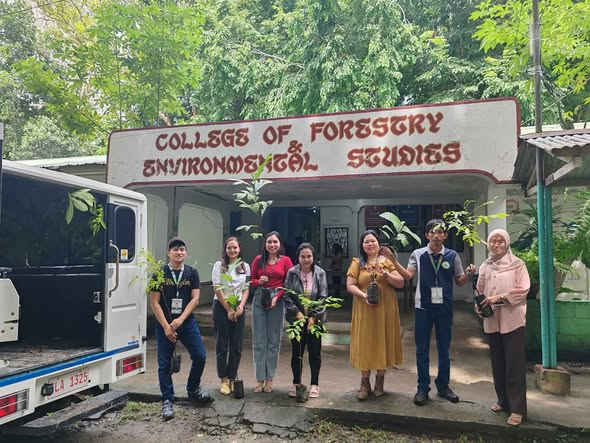
MSU-Maguindanao Donates 200 Seedlings to MENRE-BARMM for Reforestation Efforts
Mindanao State University–Maguindanao, through its College of Forestry and Environmental Studies (CFES), donated 200 quality seedlings to the Ministry of Environment, Natural Resources, and Energy of the Bangsamoro Autonomous Region in Muslim Mindanao (MENRE-BARMM) on June 5, 2025, in observance of Environment Day 2025.Faculty members of the College of Forestry and Environmental Studies of MSU–Maguindanao with seedlings prepared for the Environment Day 2025 donation to MENRE-BARMM, supporting regional reforestation and ecosystem restoration effortsThe initiative provided planting materials to support MENRE-BARMM’s reforestation efforts and regional environmental programs. Through this collaboration, MSU-Maguindanao supported local environmental initiatives to restore vegetation and promote environmental awareness. The activity also highlighted the role of academic institutions and government agencies in supporting environmental conservation efforts in the Bangsamoro region.The donation directly benefited MENRE-BARMM by providing 200 seedlings for its environmental initiatives. Through this activity, MSU-Maguindanao contributed to Sustainable Development Goal 13: Climate Action, which calls for urgent action to combat climate change and its impacts. By providing seedlings for reforestation efforts, the University supported an environmental initiative relevant to climate action. The activity also demonstrated collaboration between the University and MENRE-BARMM in pursuing shared environmental objectives.Moving forward, MSU-Maguindanao, through CFES, continues to support environmental initiatives and collaborative efforts that contribute to climate action and environmental sustainability in the Bangsamoro region.
December 22, 2025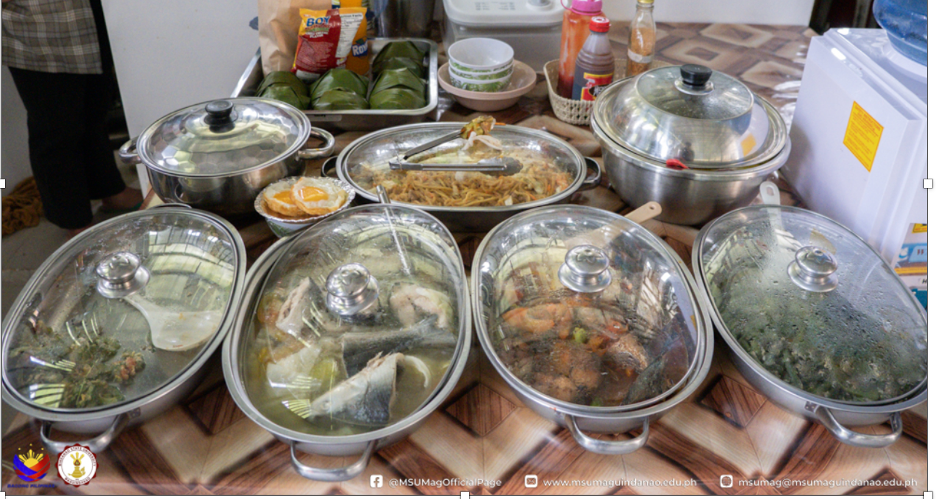
Budget-Friendly Canteen Meals Keep Healthy Food Within Reach
Every school day, eight canteen stalls at Mindanao State University–Maguindanao (MSU–Maguindanao) cook fresh meals for students, faculty, staff, and visitors, with a cup of rice at about ₱15 ($0.25) and a vegetable viand at about ₱25 ($0.42 USD), so a full meal costs around ₱40 ($0.68 USD). The University's Sustainability Policy directs it to "provide for affordable, healthy, and safe food options in canteens and cafes in the campus" (Article VII, Section 7), a rule that, under Article II, applies to every concessionaire operating on campus.Freshly cooked viands such as ampalaya with egg, fish, and noodle dishes are ready to serve at a campus canteen.Most meals are home-style dishes cooked daily: rice served with fried or stewed fish, vegetables, eggs, or chicken, and Maguindanaon favorites such as pastil. Pastil, steamed rice topped with shredded chicken or fish and wrapped in banana leaf, is one of the cheapest complete meals on campus, and both students and employees rely on it for a quick, filling meal between classes and work. Pastil, a traditional Maguindanaon meal consisting of steamed rice topped with seasoned shredded chicken, wrapped in banana leaves as a natural, biodegradable alternative to single-use plastic packaging.Snacks such as camote balls, turon, rice cakes, and siomai cost as little as ₱5 ($0.08) to ₱15($0.24). Prices are posted at the stalls, so diners know what a meal costs before they order.Because meals are cooked fresh each day and kept at low prices, students on tight budgets can eat a balanced, filling meal on campus instead of going hungry between classes.To make the healthiest choice on campus also the most affordable one, the University plans to work with its concessionaires on expanding fresh fruit and vegetable options at every stall.Article VII, Section 7 of the MSU–Maguindanao Sustainability Policy, which commits the University to uphold food security for students, faculty, and staff and to provide affordable, healthy, and safe food options on campus.
December 22, 2025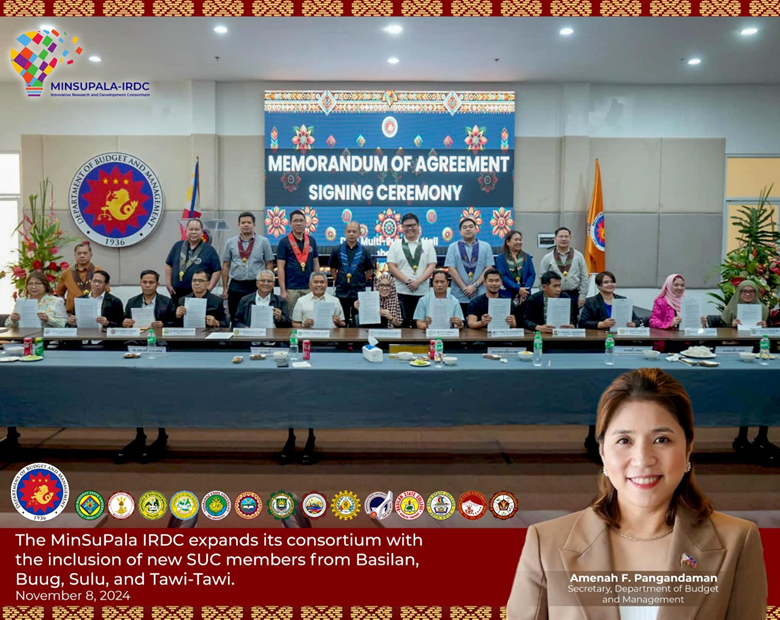
University-Supported Programs and Incentives for Promoting and Sustaining Good Aquatic Stewardship Practices
Through fisheries and aquaculture research, technical assistance, capacity-building, technology development, community engagement, and institutional recognition, the University provides opportunities for researchers, students, fisherfolk, farmers, and local communities to acquire knowledge, improve their practices, and participate in initiatives that contribute to aquatic ecosystem protection. Strengthening Institutional Partnerships and Collaborative ResearchA major institutional initiative supporting aquatic stewardship is the University's participation and leadership in the Mindanao-Sulu-Palawan Innovative Research and Development Consortium (MinSuPala-IRDC). The consortium strengthened its regional research network through the formal signing of a Memorandum of Agreement on November 13, 2024, at the Department of Budget and Management (DBM) Region XI in Davao City. The agreement welcomed six additional state universities and colleges from Basilan, Buug, Sulu, and Tawi-Tawi. The expanded partnership, implemented in 2025, strengthened inter-institutional collaboration, research capacity, innovation, and regional development across Mindanao, Sulu, and Palawan. Through this network, the University supports collaborative research and knowledge-sharing initiatives that promote the responsible management and sustainable utilization of natural resources.Representatives of participating state universities and colleges formalize the expansion of MinSuPala-IRDC through the signing of a Memorandum of Agreement on November 13, 2024, at DBM Region XI in Davao City. The partnership strengthens inter-institutional collaboration and provides opportunities for joint research, innovation, and sustainable natural resource management across Mindanao, Sulu, and Palawan.Building on this expanded partnership, MSU–Maguindanao hosted a MinSuPala-IRDC Stakeholders' Consultation on February 27, 2025, bringing together researchers from four state universities and colleges, government agencies, and local stakeholders to discuss research findings concerning Ligawasan Marsh, Lake Buluan, the Rio Grande de Mindanao, and Lake Lanao. The collaborative research examined water quality, inland capture fisheries, watershed conditions, and socioeconomic factors affecting these aquatic ecosystems. The consultation provided a platform for presenting scientific findings, identifying conservation priorities, and encouraging coordinated approaches to aquatic resource management. By bringing researchers, government representatives, and local stakeholders together, the University strengthened the connection between scientific research, environmental planning, and the needs of communities dependent on inland water resources.Researchers, government representatives, and local stakeholders participate in the MinSuPala-IRDC Stakeholders' Consultation hosted by MSU–Maguindanao on February 27, 2025. The consultation facilitates the sharing of research findings, identification of conservation priorities, and development of collaborative approaches to managing important inland water bodies in Central Mindanao and BARMM.Promoting Research and Innovation for Responsible AquacultureIn addition to collaborative research on inland water ecosystems, the University supports the development of improved aquaculture technologies through the National Tilapia Research and Development Program, particularly Program B: Productivity Enhancement of SPIN Tilapia Culture Systems. Funded by the Department of Science and Technology–Philippine Council for Agriculture, Aquatic and Natural Resources Research and Development (DOST-PCAARRD), the program's inception meeting was held on June 19, 2025, at Capiz State University, with MSU–Maguindanao leading the collaborative research initiative. Focusing on the Saline-tolerant Population of Improved Nilotica (SPIN), the program involves partner institutions in improving hatchery and grow-out systems, feeding strategies, microbial-based nursery production, acclimation and transport methods, and locally developed probiotics. These research activities aim to improve production efficiency, strengthen fish health management, and promote better utilization of aquaculture resources. Through externally funded research, technology development, and institutional collaboration, the University encourages the adoption of improved production practices that can benefit fish farmers and contribute to more sustainable aquaculture systems.Organizational structure of the DOST-PCAARRD-funded National Tilapia Research and Development Program, Program B: Productivity Enhancement of SPIN Tilapia Culture Systems. The structure identifies the program leader and project leaders from participating institutions, demonstrating the collaborative research arrangement supporting the development and improvement of tilapia production technologies.Translating Aquatic Stewardship into Community Livelihood OpportunitiesBeyond research and technological development, the University recognizes that responsible aquatic resource management must also provide practical benefits to communities. In 2025, in collaboration with the Office of the Presidential Adviser on Peace, Reconciliation, and Unity (OPAPRU) and other development partners, MSU–Maguindanao supported sustainable and climate-smart farming initiatives among transformed Moro Islamic Liberation Front (MILF) communities in Camp Abubakar, Camp Badre, and Camp Omar. Through technical assistance, capacity-building activities, and lectures on sustainable farming, participating beneficiaries gained knowledge and practical skills in responsible fish production, integrated farming systems, efficient water utilization, and environmentally sound production practices. These activities encouraged beneficiaries to apply resource-efficient approaches to their farming and aquaculture activities while creating opportunities for livelihood improvement and community development.Community beneficiaries participate in fish production and sustainable farming activities supported through the University's collaboration with OPAPRU and development partners. The activity demonstrates the application of aquaculture knowledge and practical production skills in community-based livelihood development.The livelihood initiative also connected fish production with value-added processing, product development, and marketing. Under the community livelihood initiative known as "A Taste of Peace," participating beneficiaries showcased locally produced goods, including bottled hito (catfish), tilanggit (processed tilapia), organically grown vegetables, and other halal-processed food products. One example is bottled hito (325 g), marketed under the GrowTogaig brand at ₱150.00 (USD 2.80) per jar. By linking fish production with food processing and market opportunities, the initiative enables participating communities to increase the value of their harvests, explore small enterprise development, and generate additional household income. These opportunities provide practical economic incentives for beneficiaries to sustain their livelihood activities while recognizing the value of responsible fish production and resource utilization.Harvesting of cultured fish using a seine net during a community-based aquaculture production activity. The activity demonstrates the practical application of fish farming as a livelihood activity and provides fish for subsequent processing and value addition.Value-added processing and marketing of bottled hito (325 g) under the GrowTogaig brand, produced by transformed MILF communities in Camp Abubakar, Camp Badre, and Camp Omar. Offered at ₱150.00 (USD 2.80) per jar, the product demonstrates how locally produced fish can be transformed into marketable food products, creating opportunities for community enterprise, additional income, and sustainable livelihood development.Recognizing Research Excellence and Encouraging Continued InnovationAt the institutional level, MSU–Maguindanao further encourages research and innovation through its 2025 Research Excellence and Academic Publication (REAP) Awards, which recognize the research achievements and academic publication contributions of its faculty members and researchers. This recognition serves as an institutional incentive for faculty and research personnel to continue producing quality research and scholarly publications. Research contributions in fisheries, aquaculture, aquatic biodiversity, and environmental management generate scientific knowledge and practical recommendations that can support conservation initiatives and sustainable resource management. By recognizing the achievements of its researchers, the University strengthens a culture of academic excellence and encourages continued research engagement in addressing environmental concerns and community development priorities.MSU–Maguindanao recognizes and celebrates the research achievements and academic publication contributions of its faculty members and researchers during the 2025 Research Excellence and Academic Publication (REAP) Awards. This institutional recognition encourages continued scholarly work and research contributions in fisheries, aquaculture, aquatic biodiversity, and environmental management.Sustaining Institutional Support through Research-Based Extension and Community ProgramsThe University's commitment to community-based and research-driven development is also reflected in the official excerpt of the 273rd Meeting of the MSU System Board of Regents held on December 9, 2025. The documented matters endorsed by MSU–Maguindanao included Project ILAW, the Memorandum of Agreement with the Government Procurement Policy Board–Technical Support Office (GPPB-TSO), the MNLF Transformation Study Grant Program with Peace Formation Sessions, and five proposals under the Community Advancement through Research-Based Extension Services (CARES) Program. These institutional initiatives demonstrate the University's efforts to support research-based extension, community advancement, institutional cooperation, and inclusive development. In particular, the inclusion of Project ILAW and the CARES proposals reflects institutional support for initiatives that connect University expertise and resources with community development priorities.Official excerpt from the 273rd Meeting of the MSU System Board of Regents held on December 9, 2025, documenting matters endorsed by MSU–Maguindanao, including Project ILAW, the MNLF Transformation Study Grant Program with Peace Formation Sessions, and five CARES Program proposals. The document provides evidence of institutional support for research-based extension, community advancement, and collaborative development initiatives.Among these continuing initiatives is Project ILAW sa Ligawasan, implemented in 2025 and continuing to the present. The project represents the University's sustained engagement in community-oriented development in the Ligawasan Marsh area. Its implementation reflects the importance of maintaining institutional programs that respond to local development priorities and strengthen cooperation with communities and partner organizations. Considering the ecological and socioeconomic importance of Ligawasan Marsh, continuing community engagement and institutional collaboration are essential in promoting responsible resource utilization and supporting the well-being of communities whose livelihoods are closely connected to the marsh. Project ILAW complements the University's broader research, extension, and partnership activities directed toward sustainable resource management and community advancement.Project ILAW sa Ligawasan, implemented in 2025 and continuing to the present. The initiative reflects MSU–Maguindanao's continuing institutional engagement in the Ligawasan Marsh area and its commitment to supporting community-oriented development and sustainable resource management.
December 21, 2025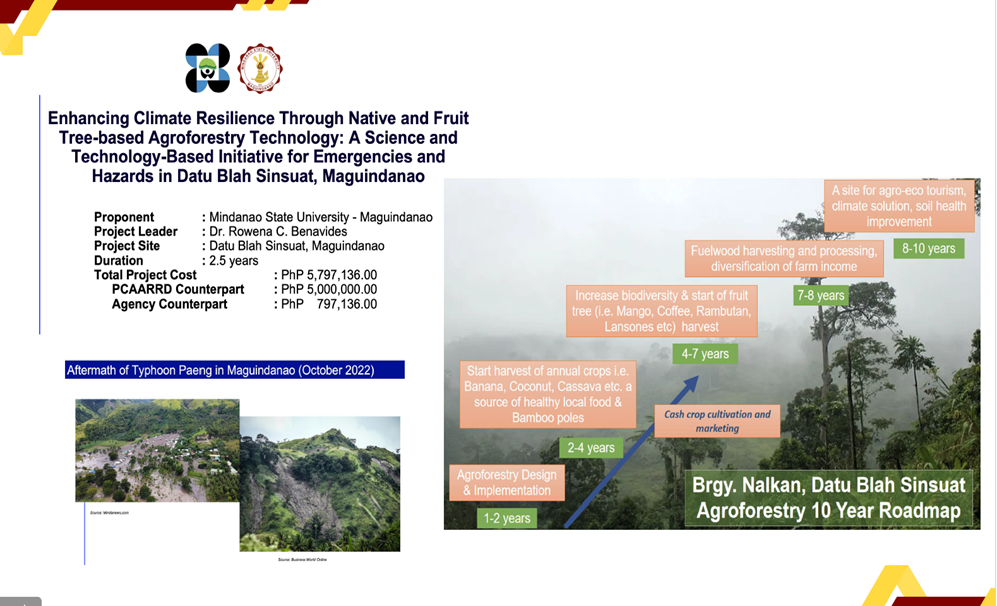
MSU-Maguindanao Champions Sustainable Land Management for Future Agro-Ecotourism Development
The College of Forestry and Environmental Studies (CFES) of Mindanao State University–Maguindanao is implementing the project "Enhancing Climate Resilience through Native Tree and Fruit Tree-Based Agroforestry Technology: A Science and Technology-Based Initiative for Emergencies and Hazards in Datu Blah Sinsuat, Maguindanao." Funded with ₱5 million (approximately US$87,111) by the Department of Science and Technology–Philippine Council for Agriculture, Aquatic and Natural Resources Research and Development (DOST-PCAARRD), in partnership with the University of the Philippines Los Baños–Institute of Agroforestry (UPLB-IAF), the project aims to rehabilitate 10 hectares of degraded upland areas and produce 50,000 seedlings, consisting of 20,000 native trees and 30,000 fruit trees. These interventions aim to restore vegetation cover, improve soil and water conservation, reduce erosion, and strengthen the project site's ecological resilience in Barangay Nalkan, Datu Blah Sinsuat, Maguindanao del Norte.The Project Site - Barangay Nalkan, Datu Blah SInsuat, Maguindanao del Norte Agroforestry 10-Year Road MapThrough the project, 2 nurseries for propagating and maintaining native and fruit tree seedlings have been established and developed, which have already produced 52,000 seedlings, exceeding the initial target of 50,000 by 2,000 seedlings. These comprise 22,000 native tree seedlings and 30,000 fruit tree seedlings, providing sufficient planting materials for the planned agroforestry establishment and rehabilitation of the target area.As part of its long-term vision, the project aims to transform the rehabilitated landscape into an agro-ecotourism site within 8 to 10 years. Through sustained agroforestry development, restoration of native vegetation, and the cultivation of fruit-bearing trees, the site is envisioned to serve as a destination for nature-based tourism, environmental education, and community learning on sustainable land management. This long-term initiative also seeks to demonstrate how science-based agroforestry can support biodiversity conservation, climate resilience, and sustainable livelihood opportunities for local communities while laying the foundation for responsible tourism development.
December 21, 2025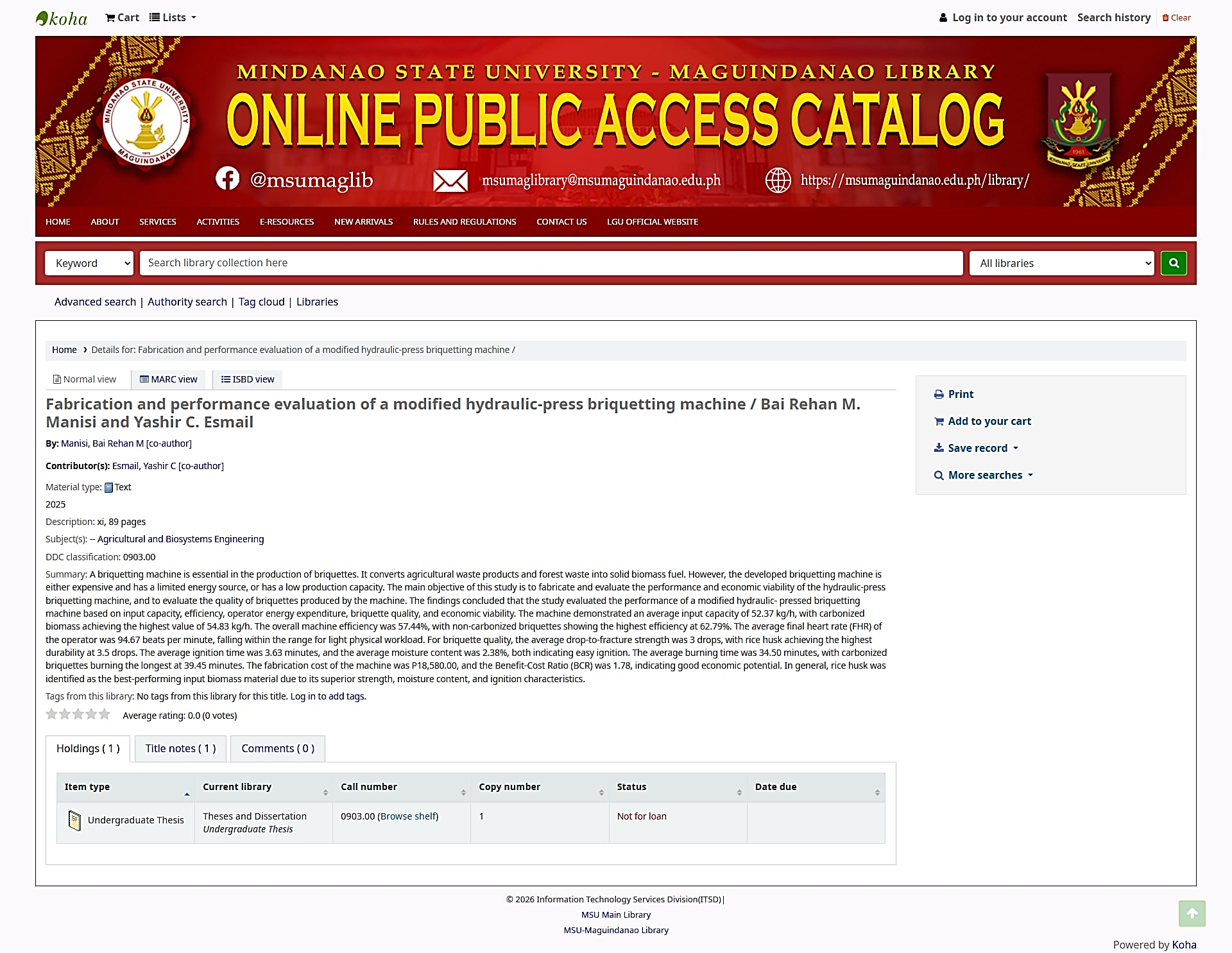
A Modified Hydraulic-Press Briquetting Machine
Bai Rehan M. Manisi and Yashir C. Esmail from Mindanao State University–Maguindanao engineered a modified hydraulic-press briquetting machine to transform rural agricultural residues like rice husk and sawdust into valuable biomass fuel. The researchers built a locally accessible press designed to curb improper waste disposal while offering a practical resource-recovery solution by seeking an alternative to expensive or energy-intensive commercial models.Research found in Online Public Access CatalogThe team systematically tested the machine's operational performance, input capacity, briquette quality, and economic viability through structured trials. Their evaluation demonstrated an average input capacity of up to 54.83 kg/h with carbonized biomass, alongside high overall briquetting efficiency and strong economic potential. Furthermore, performance metrics revealed that rice husk yields exceptional durability, easy ignition, and steady burning characteristics.This initiative supports universal access to affordable, reliable and modern energy services. By converting agricultural by-products into efficient solid fuel, this locally developed machine empowers rural communities to turn farm waste into reliable energy.ReferenceManisi, B. R., & Esmail, Y. C. (2025). Fabrication and performance evaluation of a modified hydraulic-press briquetting machine [Unpublished undergraduate thesis]. Mindanao State University–Maguindanao.
December 21, 2025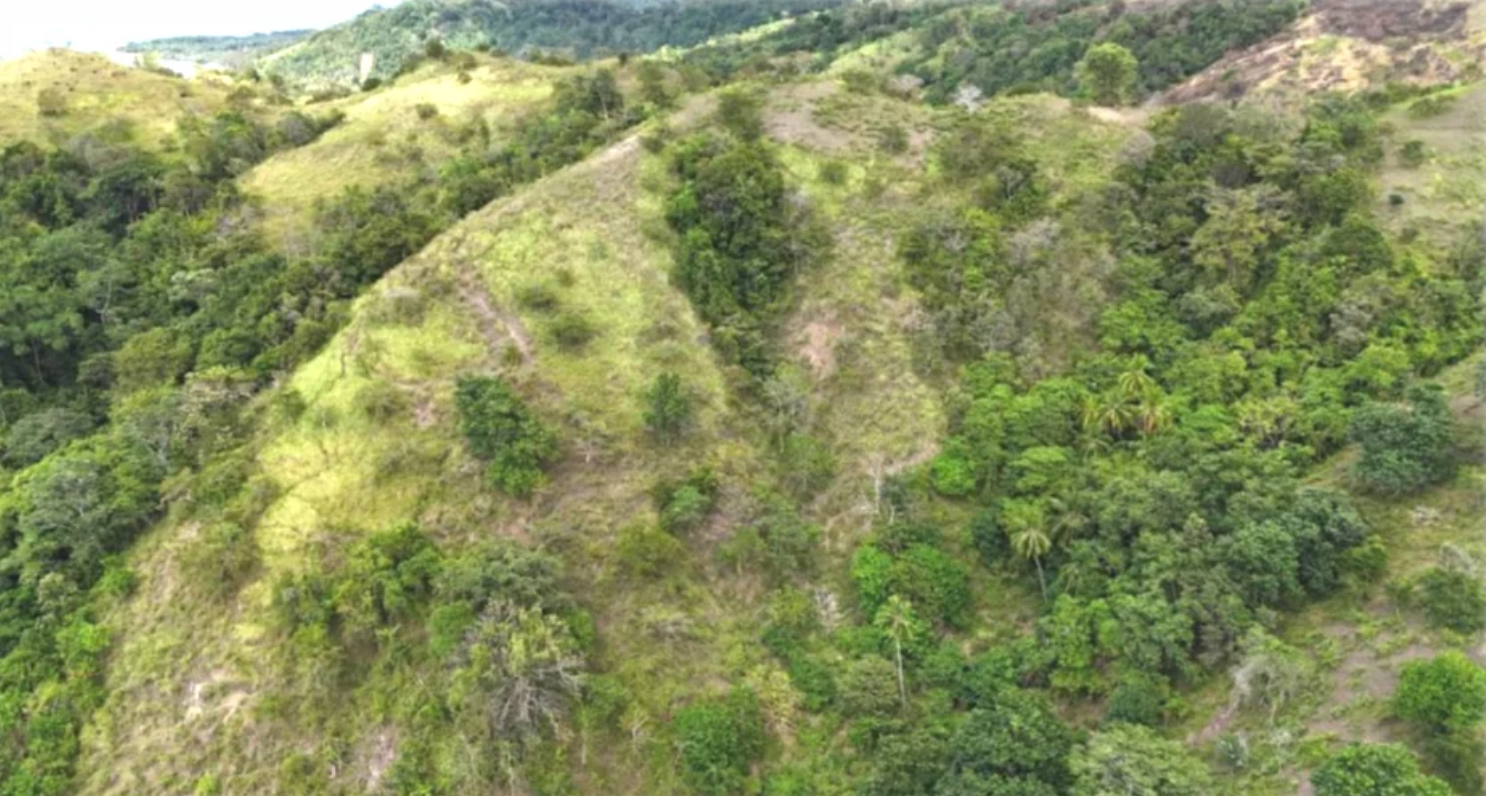
The College of Forestry and Environmental Studies Implements Ecosystem Rehabilitation and Biodiversity Conservation Through Native and Fruit Tree-Based Agroforestry in Datu Blah Sinsuat, Maguindanao del Norte
Aerial view of the project site for “Enhancing Climate Resilience through Native Tree and Fruit Tree-Based Agroforestry Technology: A Science and Technology-Based Initiative for Emergencies and Hazards in Datu Blah Sinsuat, Maguindanao"The College of Forestry and Environmental Studies (CFES) of Mindanao State University–Maguindanao is implementing the 2.5-year project "Enhancing Climate Resilience through Native Tree and Fruit Tree-Based Agroforestry Technology: A Science and Technology-Based Initiative for Emergencies and Hazards in Datu Blah Sinsuat, Maguindanao." With a project funding of ₱5 million (approximately US$87,111) from the Department of Science and Technology–Philippine Council for Agriculture, Aquatic and Natural Resources Research and Development (DOST-PCAARRD), and in partnership with the University of the Philippines Los Baños–Institute of Agroforestry (UPLB-IAF), the project aims to rehabilitate 10 hectares of degraded upland areas and produce 50,000 seedlings, consisting of 20,000 native trees and 30,000 fruit trees. These interventions aim to restore vegetation cover, improve soil and water conservation, reduce erosion, and strengthen the project site's ecological resilience in Barangay Nalkan, Datu Blah Sinsuat, Maguindanao del Norte.To support the agroforestry establishment, the University developed nurseries for propagating and maintaining native and fruit tree seedlings. The nurseries has produced 52,000 seedlings, exceeding the initial target of 50,000 by 2,000 seedlings. These comprise 22,000 native tree seedlings and 30,000 fruit tree seedlings, providing sufficient planting materials for the planned agroforestry establishment and rehabilitation of the target area.Project Leader Dr. Rowena C. Benavides of MSU-Maguindanao during the ceremonial tree planting for the project, “Enhancing Climate Resilience through Native and Fruit Tree-Based Agroforestry Technology,” held on February 19, 2026, in Barangay Nalkan, Datu Blah Sinsuat, Maguindanao del Norte.The project team, in close coordination with the funding and local partners, will continue implementing the project until 2026, through additional planting activities, site maintenance, and community engagement to complete the 10-hectare rehabilitation target. The outcomes of these interventions, particularly seedling survival, vegetation establishment, and improvements in soil and habitat conditions, will also be regularly monitored by the University. The initiative aims to support long-term ecosystem restoration, strengthen climate resilience, and promote local biodiversity conservation.
December 21, 2025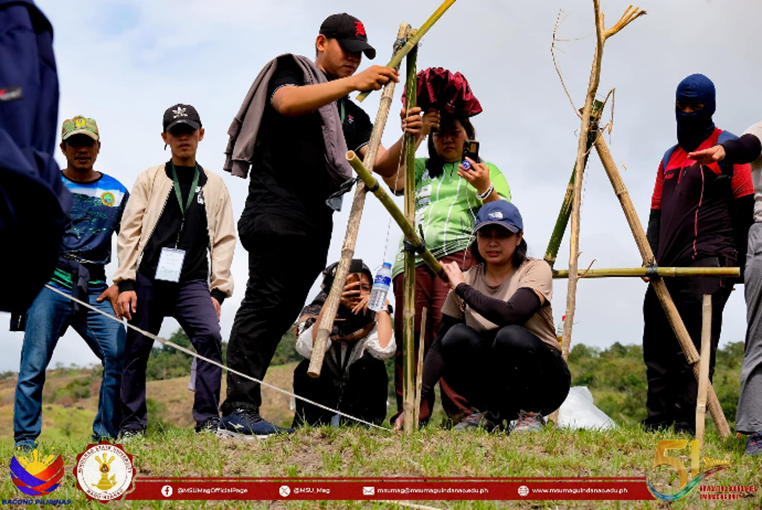
MSU-Maguindanao Supports Land and Forest Conservation through Agroforestry Development and Sustainable Natural Resource Management
In response to growing threats to land and forest ecosystems, MSU-Maguindanao conducts and supports agroforestry capacity-building, environmental forums, stakeholder consultations, and tree-planting activities to strengthen land and forest conservation.Capacity-Building ActivityOn February 25–27, 2025, the College of Forestry and Environmental Studies conducted a three-day Training of Trainers on Agroforestry Establishment and Development: Leveraging ALCAMS for Effective Land Assessment held at the University and Barangay Nalkan, Datu Blah Sinsuat, Maguindanao del Norte. The training was conducted as part of the project "Enhancing Climate Resilience through Native Tree and Fruit Tree-Based Agroforestry Technology: A Science and Technology-Based Initiative for Emergencies and Hazards in Datu Blah Sinsuat, Maguindanao," funded by the Department of Science and Technology–Philippine Council for Agriculture, Aquatic and Natural Resources Research and Development (DOST-PCAARRD). The training gathered 40 participants from MSU-Maguindanao, MSU-Marawi, MSU-Buug, MSU-LNAC, DOST-PCAARRD, and partner institutions, with technical experts from UPLB-IAF serving as resource persons. Participants learned about agroforestry systems, ecosystem services, soil and water conservation, and methods for assessing soil erosion.The training also included field exercises at the project site in Barangay Nalkan, where 35 participants applied the Agroforestry Land Capability Assessment and Mapping Scheme (ALCAMS). Through hands-on activities, they learned to assess land use, measure slopes, test soil fertility, map contour lines using an A-frame, and classify land suitability for agroforestry. They also developed re-entry plans to guide the application of these skills in their respective project sites and communities.Participants engage in hands-on field exercises on land assessment using the Agroforestry Land Capability Assessment and Mapping Scheme (ALCAMS) at the project site in Nalkan, Datu Blah Sinsuat, Maguindanao del Norte on the 2nd day of the Training of Trainers on Agroforestry Establishment and Development: Leveraging ALCAMS for Effective Land Assessment held on February 25–27, 2025.Environmental ForumBeyond its community-based agroforestry initiatives, MSU-Maguindanao also exercised institutional leadership in regional environmental conservation efforts through the 1st Mindanao Forum on Waters and Natural Resources, held on November 26–28, 2025, in General Santos City. Through its leadership in the Mindanao Sulu Palawan–Innovative Research and Development Consortium (MinSuPala-IRDC), the University supported the organization of the three-day forum, which gathered more than 200 representatives from academic institutions, government agencies, research organizations, and development partners. The forum featured scientific presentations and thematic discussions on watershed resilience, biodiversity conservation, sustainable resource utilization, and environmental governance.During the forum, MSU-Maguindanao researchers presented three studies on the Sifaran Watershed in Maguindanao. These presentations provided scientific evidence on the watershed’s biodiversity, vegetation, physical characteristics, and ecological resilience, contributing to discussions on watershed protection and sustainable resource management.MSU-Maguindanao Chancellor Dr. Bai Hejira Nefertiti M. Limbona joins Region XII DBM Director Usman and the Presidents and Chancellors of member universities of the MinSuPala-IRDC during the 1st Mindanao Forum on Waters and Natural Resources, held on November 26–28, 2025, in General Santos City.Tree Planting ActivitiesOn November 28, 2025, as part of the 1st Mindanao Forum on Waters and Natural Resources organized in General Santos City, MSU-Maguindanao supported and actively participated in the Mangrove Growing Activity at the Baluan Mangrove Sanctuary in Barangay Baluan. The activity gathered 80 participants who planted 107 mangrove seedlings, demonstrating a shared commitment to mangrove conservation, coastal resilience, and sustainable environmental management.Dr. Raquel Santiago-Arenas, MSU-Maguindanao Vice Chancellor, along with other participants plants mangroves in Bualan Mangrove Sanctuary in General Santos on November 28, 2025.In partnership with the Office of the Presidential Adviser on Peace, Reconciliation and Unity (OPAPRU), the University organized an Environmental Awareness and Agroforestry Establishment Activity on June 9, 2025, in Camp Omar, Datu Hoffer, Maguindanao del Sur.The activity, conducted under the MILF Camps Transformation Plan and the Normalization Track of the Comprehensive Agreement on the Bangsamoro, brought together partner farmers from four community organizations, members of the Aljasuws OFW Agri-Business Association, Limpongo Women's Organization, Talibadok Kauyagan Marketing Cooperative, and Mujahidin a Nagapas Agri-Producer Cooperative, along with 49 MSU-Maguindanao student leaders.A total of 500 fruit tree seedlings, consisting of 250 Marang and 250 Rambutan, were planted in the identified sites. The activity also included an orientation on climate resilience, agroforestry systems, and environmental responsibility, highlighting how integrating trees into agricultural landscapes can improve farm productivity, strengthen food security, and support climate change adaptation.Students from MSU-Maguindanao and other participants of the Tree Planting Activity at Camp Omar, Datu Hoffer Ampatuan, Maguindanao del SurThrough sustained agroforestry development, environmental education, and collaborative natural resource management, the University remains committed to supporting ecosystem restoration, protecting biodiversity, and promoting climate-resilient and sustainable landscapes across the Bangsamoro region and beyond.
December 21, 2025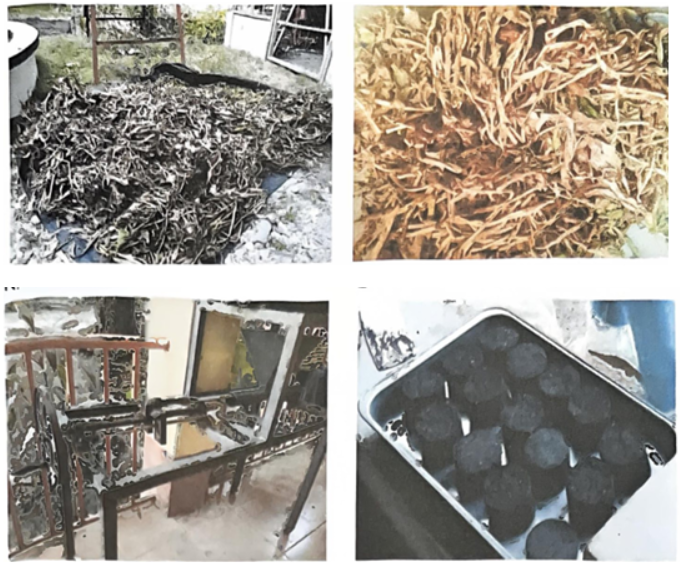
Production and Characterization of Biomass Charcoal Briquettes
Angelica F. Dumaguite from Mindanao State University–Maguindanao examined the dual challenge of clearing invasive aquatic weeds and curbing dependence on wood charcoal by converting problematic water hyacinths into renewable solid fuel. Gathering plants from local waterways near the Pulangi River, the research investigated how different biomass-to-binder formulations affect the quality and burning efficiency of alternative charcoal briquettes.Biomass CharcoalThe study evaluated the physical, combustion, and thermophysical properties of briquettes produced using corn starch and cassava starch binders across multiple mix ratios. Utilizing a manually operated briquetting machine developed on campus, the work demonstrated a practical engineering approach to resource recovery. Results showed that binder selection significantly influenced structural durability, with specific ratios delivering optimal moisture content, ignition speed, and steady combustion performance.This research directly advances the substantial increase in the share of renewable energy in the global energy mix. By turning waterway weeds into a viable energy source, this initiative provides communities with a sustainable alternative to conventional wood charcoal. ReferenceDumaguite, A. F. (2024). Production and characterization of biomass charcoal briquettes from water hyacinth (Eichhornia crassipes) using different binders at various ratios [Unpublished undergraduate thesis]. Mindanao State University–Maguindanao.
December 20, 2025