Articles
The Humanitarian and Development Assistance Program in Maguindanao Province
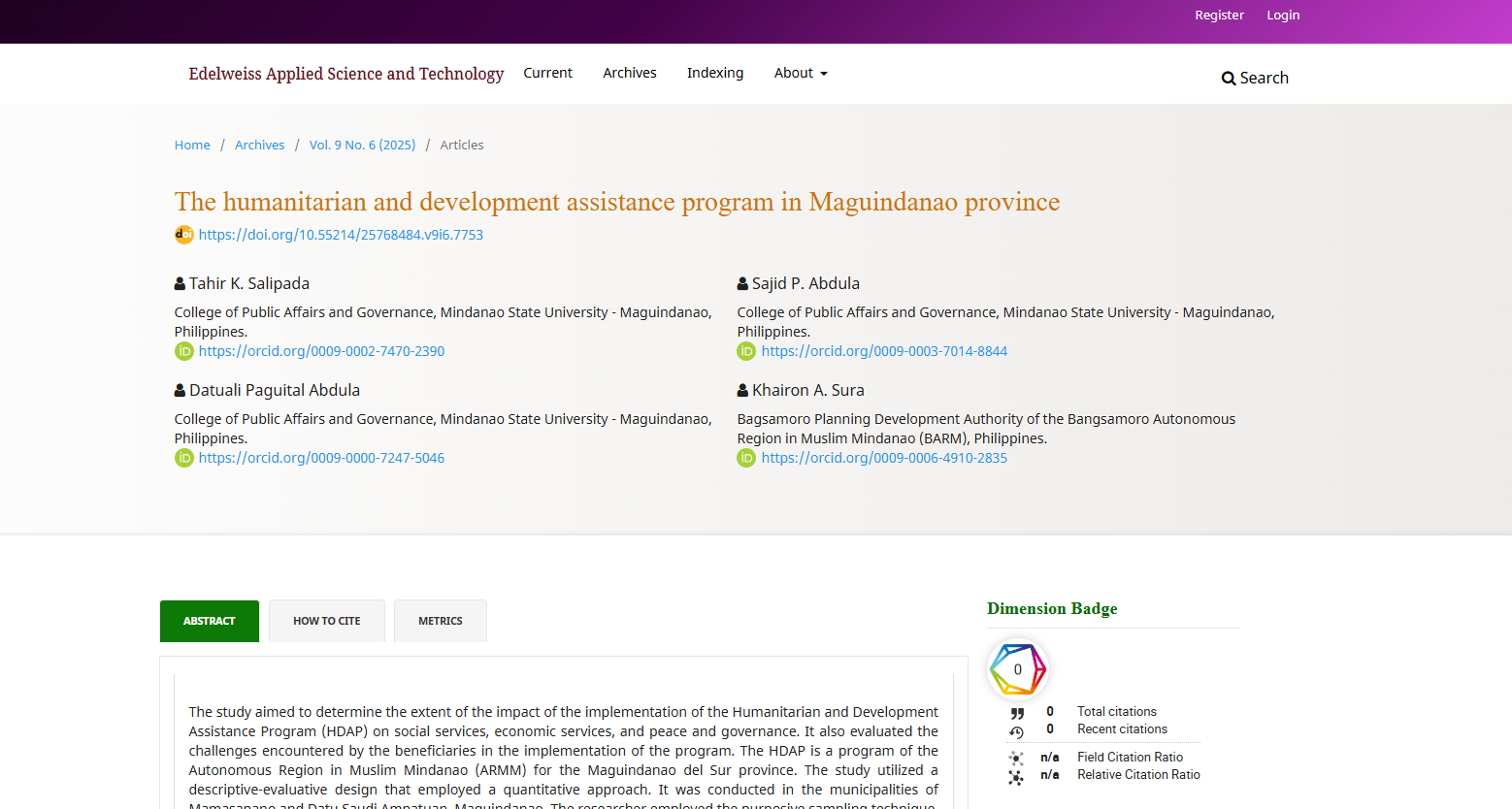
Tahir K. Salipada, Sajid P. Abdula, and Datuali Paguital Abdula of the College of Public Affairs and Governance of Mindanao State University–Maguindanao, with Khairon A. Sura of the Bangsamoro Planning and Development Authority (BPDA), published an evaluation of the Humanitarian and Development Assistance Program (HDAP) in Edelweiss Applied Science and Technology (Volume 9, Number 6, 2025).First page of the published article, showing the authors from Mindanao State University–Maguindanao and the Bangsamoro Planning and Development Authority.HDAP was established in 2016 to support war-affected municipalities through health, education, social welfare, infrastructure, livelihood, and peace and governance projects, and its unfinished projects passed to the BPDA after the transition to BARMM. The researchers surveyed 100 program beneficiaries, 50 each from Mamasapano and Datu Saudi Ampatuan.Beneficiaries rated the program’s impact on social services, economic services, and peace and governance as extensive, but reported delays in service delivery linked to local peace and order conditions.As a joint study by a university and a regional planning authority, the research promotes effective public partnerships. It gives decision-makers evidence for more responsive and accountable public services for conflict-affected and vulnerable communities.
December 25, 2025MSU–Maguindanao Collaborates with Non-Government Organizations to Tackle the Sustainable Development Goals through Education, Peacebuilding, Food Security, and Climate Resilience in 2025
In 2025, Mindanao State University–Maguindanao (MSU–Maguindanao) collaborated with international development organizations, non-governmental institutions, and academic partners to tackle the Sustainable Development Goals (SDGs) through inclusive education, peacebuilding, technical capacity development, food security, and climate resilience. These institutional engagements brought together academic expertise, development resources, and community-based approaches to address sustainable development challenges in the Bangsamoro Autonomous Region in Muslim Mindanao (BARMM).Through its collaboration with the United Nations Development Programme (UNDP) Philippines, supported by the British Embassy Manila and the Philippine Center for Islam and Democracy, the University participated in the International Learning Exchange on Women, Peace and Security held in Yogyakarta, Indonesia, on June 18–20, 2025. The initiative supported the University's Diploma in Women, Peace and Security through international knowledge sharing, institutional visits, and policy dialogues. It also facilitated academic agreements with three Indonesian universities, promoting women's leadership, gender-responsive education, inclusive participation in peacebuilding, and international cooperation for sustainable development.The University also entered into a Memorandum of Agreement with the Asian Center of Education, Research and Tutelage for Innovation (ACERT) and MSU–Tawi-Tawi College of Technology and Oceanography, announced on January 24, 2025, to develop an Indigenous Peoples Education Framework for BARMM. This collaboration established a foundation for advancing culturally responsive education, inclusive learning opportunities, recognition of Indigenous knowledge, and educational equity through partnerships between academic institutions and nongovernmental organizations.In engineering and technological education, MSU–Maguindanao engaged with Zuitt Learning Institute, Inc. through a consultative meeting reported on October 30, 2025. The engagement explored integrating applied technical training and industry-oriented learning into engineering laboratory courses. It aimed to strengthen technical and vocational skills, improve education-to-employment pathways, and support technological innovation and capacity development in BARMM.On August 12, 2025, the University formalized its partnership with the United Nations World Food Programme (WFP) through a Memorandum of Agreement focused on food security, nutrition, and climate resilience. The accompanying 2025–2027 cooperation work plan identified collaborative initiatives in smallholder farmer capacity-building, climate-smart agriculture, local climate change adaptation planning, watershed management, post-harvest loss reduction, and sustainable agricultural livelihoods. By combining research and extension expertise with international development cooperation, the partnership established a framework for addressing hunger, strengthening community resilience, and promoting sustainable food systems.These collaborations reflect MSU–Maguindanao's institutional commitment to sharing knowledge, expertise, technology, and resources through international cooperation, capacity-building, and multi-stakeholder partnerships. By connecting academic instruction, research, and community engagement with local and international development priorities, the University supports inclusive education, gender equality, peaceful and inclusive societies, sustainable agriculture, climate adaptation, and equitable socioeconomic development.MSU–Maguindanao will continue expanding partnerships with nongovernmental organizations, international development institutions, and academic networks to mobilize knowledge and resources, enhance capacity-building, and support the implementation of the Sustainable Development Goals through measurable, community-responsive initiatives that contribute to a more inclusive, resilient, and sustainable Bangsamoro.
December 24, 2025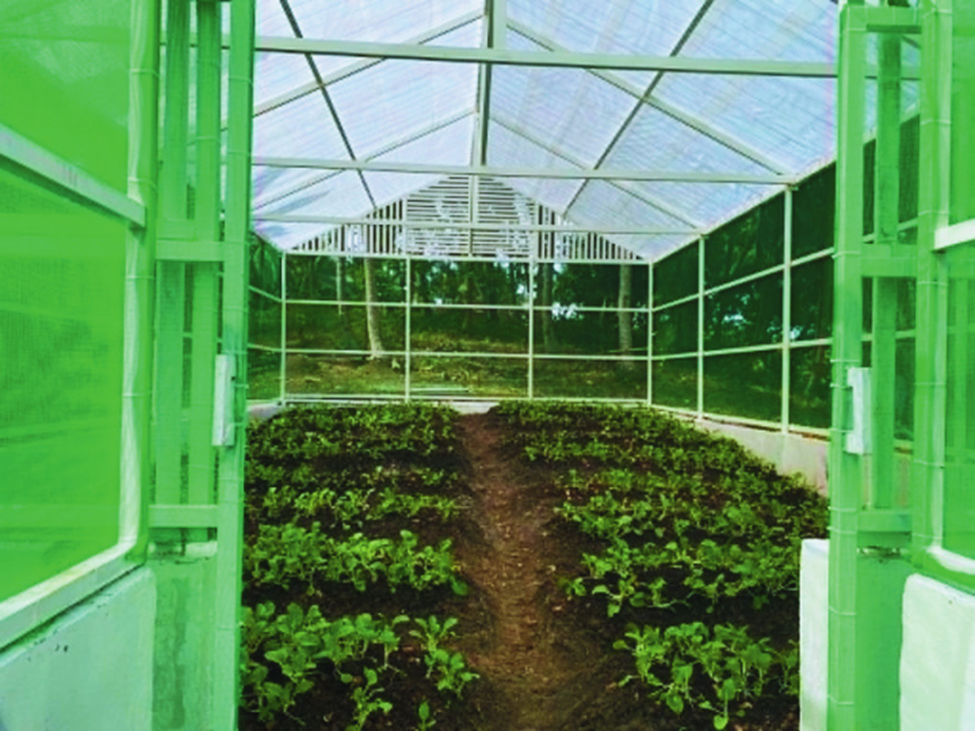
Seeds, Livestock and Farm Facilities Equip Camp Cooperatives for Sustainable Food Production
Partner-farmers in Camps Abubakar, Badre and Omar receive seedlings, soil test kits, livestock and agricultural technologies from MSU–Maguindanao. Greenhouses and livestock housing built within the camps complement these inputs, giving cooperatives access to production facilities at their community farming sites.The support forms part of an ongoing livelihood initiative funded by the Office of the Presidential Adviser on Peace, Reconciliation, and Unity (OPAPRU) under the MILF Camps Transformation Plan. Since July 2024, the initiative has reached 305 partner-farmers organized in cooperatives across Barira, Datu Odin Sinsuat and Datu Hoffer.The project is implemented by a multidisciplinary team of experts from the University’s College of Agriculture, College of Fisheries, College of Engineering and Computing Sciences, and College of Public Affairs and Governance. The team combines technical expertise with the provision of inputs, technologies and production facilities.Planting materials and crop production technologiesThe University supplies partner-farmers with seedlings, vegetable seeds, soil test kits, agricultural tools, organic fertilizers and other farm inputs. Distribution of agricultural inputs began in August 2024 and continued as the project developed production sites in the three camps.Vegetables grow inside the climate-smart greenhouse built for the Sigay Kutawato Women RTW Marketing Cooperative in Barangay Bugawas, Camp Badre.Project support included a climate-smart greenhouse for the Sigay Kutawato Women RTW Marketing Cooperative in Barangay Bugawas, Camp Badre, and another for the AL JAASUWS OFW Agri-Business Association in Camp Omar. Completed in March 2025, the Camp Omar greenhouse included hydroponics, vermibeds and a water system.In Camp Abubakar, the project reinforced the Calagan Women’s Marketing Cooperative’s greenhouse and established a nursery for strawberry seedlings. Partner-farmers have harvested eggplant, tomatoes, pechay, green chilies and cucumbers from the supported production sites.Livestock and facilities within the campsThe G.K. Village Togaig Farmers’ Marketing Cooperative in Camp Abubakar, Sif-Ku Producers Cooperative in Camp Badre, and Talibadok Kauyagan Farmers Marketing Cooperative in Camp Omar each received 10 goats and a climate-smart goat house. Pasture and forage areas complemented the livestock support, including one hectare planted with Napier grass and Madre de Agua in Camp Omar.A project official speaks (left) at the January 27, 2025 turnover of the climate-smart goat house for halal goat production built for the G.K. Village Togaig Farmers' Marketing Cooperative in Barangay Tugaig, Barira, Camp Abubakar, where the cooperative's goats are now housed on a slatted floor (right).The Matado Agrarian Reform Cooperative in Camp Badre and the Limpongo Women’s Organization in Camp Omar each received a climate-smart poultry house stocked with 100 ready-to-lay heritage chickens. The two Camp Abubakar cooperatives also received ready-to-lay heritage chickens and renovated poultry houses.Solar-powered incubators provided additional production technology, including a unit with a 216-egg setter delivered to Camp Badre in March 2025 to support local chick hatching.These inputs and facilities were provided free of charge through OPAPRU funding, allowing participating cooperatives to use them within their communities.Production outputs and access to University facilitiesFrom January to June 2025, the Limpongo poultry house averaged 30–40 eggs per day. Camp Abubakar flocks produced at least 25 eggs daily. These figures provide production data for monitoring the use and performance of the poultry facilities and livestock supplied.Members of the Limpongo Women's Organization and project officials cut the ribbon at the turnover ceremony of the climate-smart poultry house for halal poultry production, stocked with 100 ready-to-lay heritage chickens, in Barangay Limpongo, Camp Omar, January 2025.Alongside the facilities established in the camps, the University also provided access to its College of Agriculture goat and cattle facilities in Dalican. In 2025, farmers and agricultural technicians trained at these facilities through the FAO-funded Halal Livestock Farmer Field School and Demonstration Farm, extending access to University facilities for practical livestock learning.Planned follow-up support includes helping cooperatives establish feed banks for organic poultry feed and arranging regular animal health monitoring with veterinarians. These measures aim to sustain the livestock and production systems beyond the initial provision of inputs and facilities.
December 24, 2025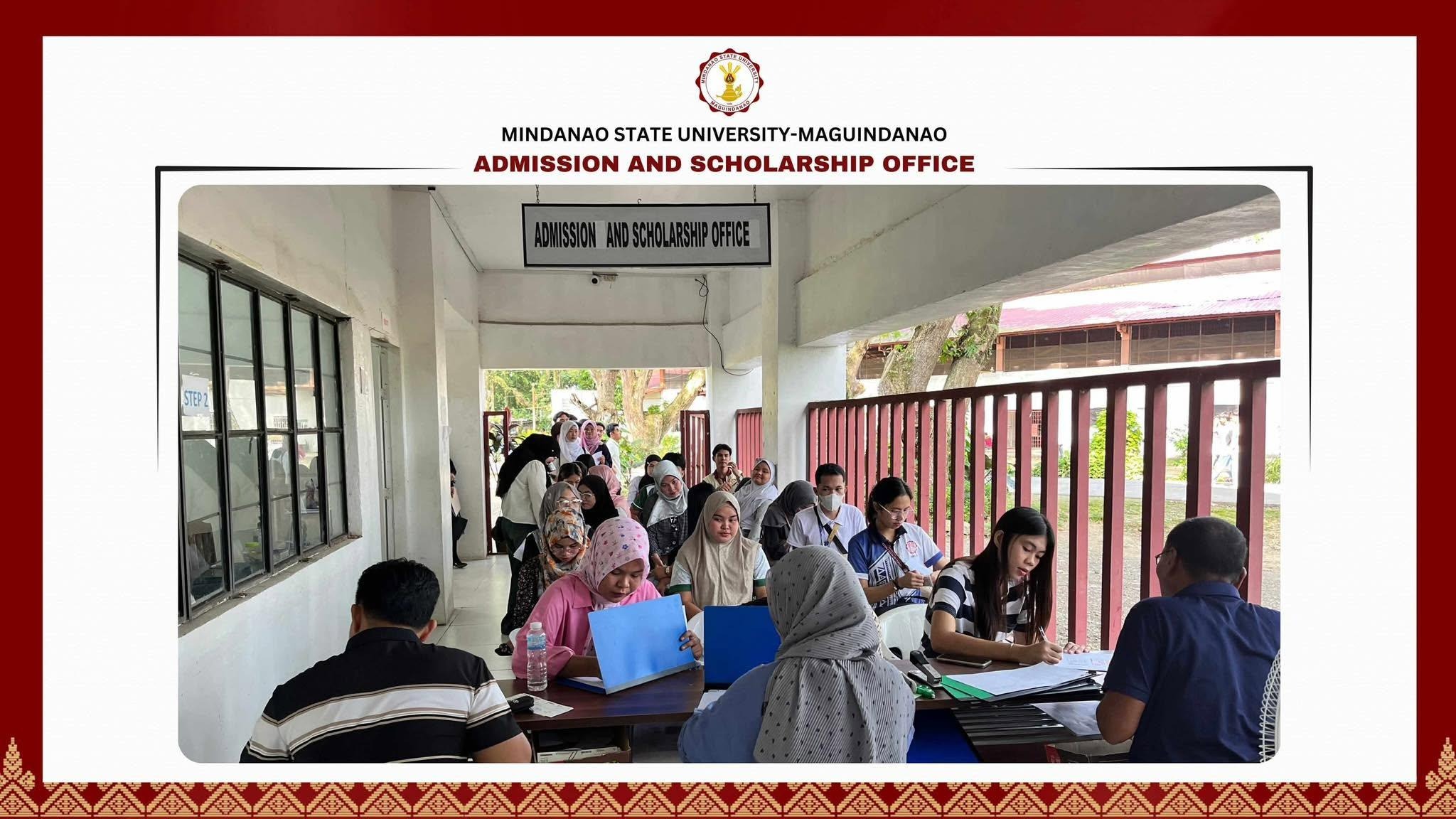
MSU–Maguindanao Distributes Tulong Dunong Allowances to 103 Scholars
Mindanao State University–Maguindanao, through its Admission and Scholarship Office, distributed the first-semester allowances to 103 scholars under the Tulong Dunong Program (TDP) for Academic Year 2024–2025 on December 11, 2025. With financial assistance facilitated through the Commission on Higher Education’s Unified Student Financial Assistance System for Tertiary Education (CHED-UniFAST), the initiative provided direct support for students’ educational needs.The distribution at the University's Admission and Scholarship Office enabled qualified scholars to receive their allowances through the established scholarship assistance process. This collaboration highlights the role of public higher education institutions in connecting government-funded student support with the needs of learners pursuing their degrees.By helping cover education-related expenses, the allowances provide financial relief to the 103 scholars and may ease the burden on their families. The initiative helps address financial barriers to higher education, supporting students' opportunities to develop the knowledge and qualifications needed for future livelihood opportunities.Students receiving Tulong dunong financial assistanceadsmf,andsf,mandsf,mnads,mfns,dmfna,mdsfn,msdnf,msdnf,s
December 23, 2025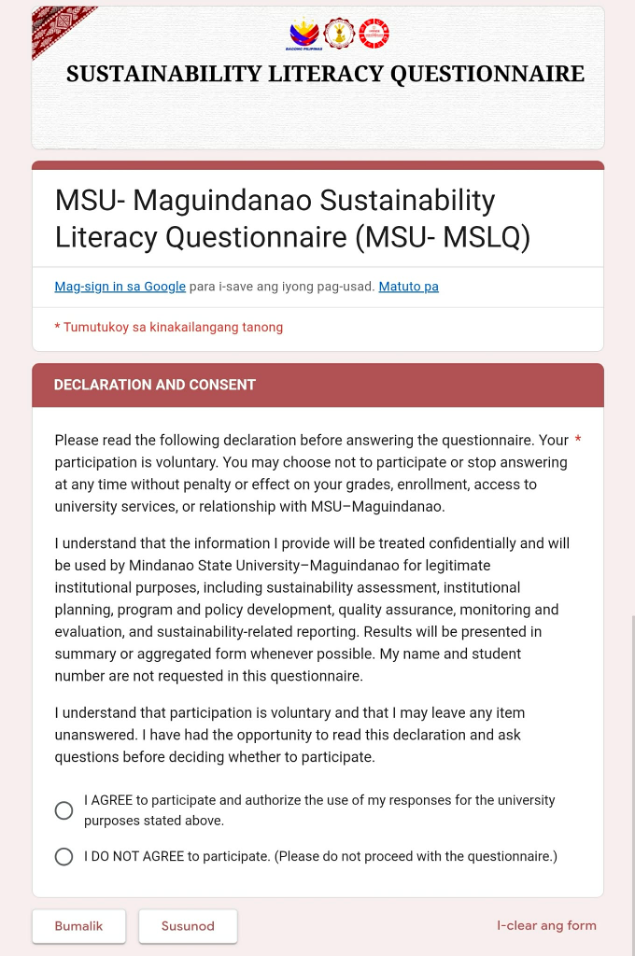
Measuring What Students Know, Value, and Do for Sustainability, a University-Wide Survey Sets the Baseline
At least 87.68% of the students who answered the MSU–Maguindanao Sustainability Literacy Questionnaire (MSU–MSLQ) showed high to very high sustainability literacy in each of its five dimensions, as Mindanao State University–Maguindanao measures the sustainability literacy of its students directly rather than relying only on the courses, campaigns, and environmental activities it offers.The Office of the Vice Chancellor for Research and Extension (OVCRE) developed the MSU–MSLQ, a structured 30-item assessment that experts reviewed before use, to give the University evidence for institutional planning, quality assurance, program development, and sustainability monitoring. The questionnaire covers five dimensions: knowledge and awareness of sustainable development, the SDGs, climate change, biodiversity, and responsible consumption; values and attitudes, such as environmental responsibility, protecting resources for future generations, social equity, and the role of universities in sustainable development; systems thinking, or seeing how environmental, social, and economic concerns connect; awareness of the environmental challenges facing Maguindanao and the Bangsamoro and of the University’s responsibility toward them; and sustainable practices such as waste segregation, reducing plastic use, conserving resources, and joining sustainability activities. Students rated each item on a four-point scale, from 4 (Very High) to 1 (Very Low). OVCRE administered the questionnaire online to all undergraduate and graduate students throughout November 2025. Participation was voluntary, and the questionnaire asked for no names or student numbers.The MSU–MSLQ opens with a declaration and consent page assuring students that participation is voluntary and that no names or student numbers are collected.Values and attitudes emerged as the strongest dimension, with 92.12% of respondents rating high or very high and 78.82% rating very high. Knowledge and awareness followed at 90.64%, local and institutional sustainability awareness at 90.15%, and systems thinking and sustainability application at 88.18%. Sustainable practices and behavioral engagement recorded the lowest share at 87.68%, and the smallest very high group at 52.71%, which shows that students’ values run ahead of their everyday habits.Most respondents rate high or very high in all five dimensions, with values and attitudes strongest and sustainable practices weakest.The results, which are based on students’ own ratings, show that respondents see sustainability not only as an environmental concern but also as a matter of social equity, economic choices, institutional accountability, and community development. They give the University a baseline for each dimension and point to where its teaching and campus programs should focus next.The University aims to use these results to strengthen the dimension where students lag, by building waste segregation, plastic reduction, and resource conservation into campus activities and classes, and to deepen systems thinking through interdisciplinary teaching, research, and community-based problem-solving. OVCRE will administer the questionnaire every year, which will show whether these efforts change how students act.
December 23, 2025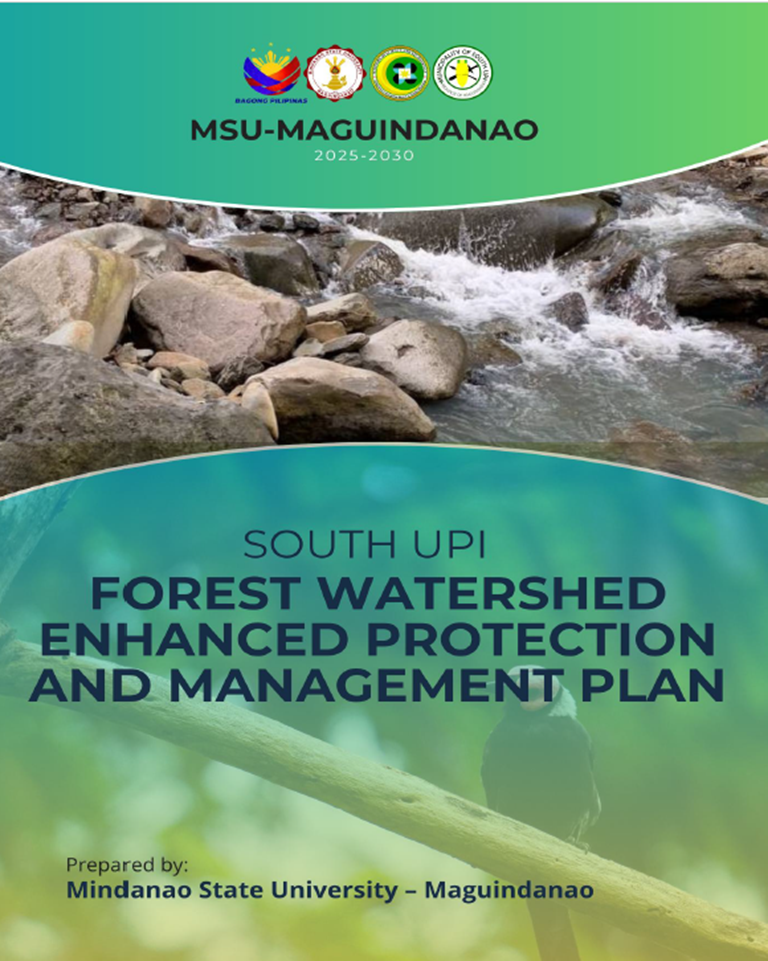
Protecting Watersheds and Conserving Aquatic Biodiversity Through Science-Based Environmental Management
Location-Specific Watershed Management, Sustainable Water Resources, and Community-Based Biodiversity Conservation in BARMMThe sustainable management of watersheds and aquatic ecosystems requires scientific understanding of local environmental conditions, biodiversity, water resources, and the communities that depend on them. Recognizing this, Mindanao State University–Maguindanao has strengthened its institutional initiatives on watershed management, aquatic biodiversity conservation, forest protection, and sustainable natural resource management through research, environmental assessment, management planning, stakeholder engagement, and partnerships with government agencies and local communities.A major initiative demonstrating this commitment is the South Upi Forest Watershed Enhanced Protection and Management Plan (2025–2030), developed through a research project funded by the Ministry of Science and Technology–Bangsamoro Autonomous Region in Muslim Mindanao (MOST–BARMM). Complementing this initiative are research and environmental management activities involving Ligawasan Marsh, Lake Buluan, the Rio Grande de Mindanao, and Lake Lanao. These initiatives integrate location-specific environmental information, biodiversity considerations, community knowledge, and institutional collaboration to support the protection of watersheds and the sustainable management of aquatic resources.South Upi Forest Watershed Enhanced Protection and Management Plan (2025–2030)A major institutional contribution to sustainable watershed management is the development of the South Upi Forest Watershed Enhanced Protection and Management Plan (2025–2030) under the MOST–BARMM-funded research project entitled “Characterization of South Upi Forest Watershed cum Landslide Vulnerability Assessment: Basis for Enhanced Protection and Management Plan.”The project covers approximately 1,894 hectares across five barangays—Romangaob, Looy, Bongo, Kigan, and Pandan—in the Municipality of South Upi, Maguindanao del Sur. The preparation of the management plan involved baseline data collection, geographic mapping, biodiversity and habitat profiling, field observations, and assessment of environmental conditions and landslide vulnerability.The assessment identified environmental concerns affecting the watershed, including illegal logging, land conversion, unsustainable farming practices, soil erosion, landslide risks, biodiversity loss, and potential water quality degradation. These findings provided the scientific basis for identifying appropriate management interventions responsive to the ecological characteristics and environmental pressures of the area.The resulting five-year management plan establishes priority strategies covering:Watershed zoning and protection to safeguard critical watershed areas and environmentally sensitive locations.Sustainable land-use management to minimize forest degradation, soil erosion, and environmental risks.Forest rehabilitation and agroforestry through assisted natural regeneration, agroforestry practices, and native species planting.Biodiversity and habitat conservation to protect forest habitats and indigenous biological resources.Water resource management to protect water sources and maintain watershed functions and water quality.Community-based environmental protection through local participation in conservation and sustainable resource management.Environmental monitoring and institutional coordination to support biodiversity assessment, environmental education, local enforcement, and long-term watershed management.The plan provides a location-specific management framework that considers the actual environmental conditions, land-use characteristics, and conservation priorities of the South Upi Forest Watershed. It also recognizes the relationship between forest protection, watershed functions, water resources, and the aquatic ecosystems that depend on healthy watersheds. South Upi Forest Watershed Enhanced Protection and Management Plan (2025–2030), developed through the MOST–BARMM-funded research project, providing a five-year framework for watershed protection, forest rehabilitation, biodiversity conservation, and sustainable natural resource management.Field Assessment and Community Participation in Watershed ProtectionCommunity participation was an important component of the South Upi watershed characterization and management planning process. Field assessment and stakeholder consultation activities involved local government representatives, Indigenous Teduray communities, farmers, and other stakeholders in gathering information about watershed conditions, identifying environmental concerns, and determining appropriate management priorities.Through collaboration with MOST–BARMM and local stakeholders, the University incorporated community perspectives into the assessment and planning process. The participation of Indigenous communities and local resource users recognizes the importance of traditional knowledge and local experience in protecting forest resources, maintaining watershed functions, and addressing environmental pressures affecting the area.These activities strengthened coordination among the University, local government units, environmental agencies, and communities, providing a foundation for continued cooperation in watershed protection and sustainable natural resource management.MSU–Maguindanao and MOST–BARMM research team members with local government representatives and members of the Indigenous Teduray community during field assessment and stakeholder consultation activities for the South Upi Forest Watershed Enhanced Protection and Management Plan.Strengthening Local Capacity Through Advanced QGIS TrainingEffective watershed management requires reliable environmental information and the technical capacity to assess changes in land use, forest cover, and watershed conditions. To support these requirements, the University conducted the Application Training on Advanced Quantum Geographic Information System (QGIS) on February 5–7, 2025, at Balay Silangan Conference Hall in Nuro, Upi.The training was attended by personnel from the Local Government Units of South Upi and North Upi and the Ministry of Science and Technology (MOST). It focused on geospatial applications for watershed management, landslide vulnerability assessment, and the preparation of Land Use and Land Cover (LULC) maps.Assoc. Prof. Peter Jan D. De Vera, the project leader, facilitated the LULC mapping session, while For. Kristine Joy B. Rendon conducted a refresher session on QGIS fundamentals.The training strengthened the technical capacity of local partners to use geospatial information in land-use assessment, environmental planning, spatial analysis, and future watershed monitoring. These capabilities are important in supporting the implementation, monitoring, and periodic updating of the South Upi Forest Watershed Enhanced Protection and Management Plan.Local government and MENRE personnel participating in the Advanced QGIS Training on February 5–7, 2025, to strengthen technical capacity in watershed mapping, land-use assessment, and environmental planning.Community-Based Conservation of Indigenous Fish and Crop ResourcesThe University's biodiversity conservation initiatives also extend to the identification and preservation of indigenous biological resources through the MinSuPala–IRDC Phase 2 project entitled “Establishment and Preservation of Indigenous Fish and Crop Products.”From July 23–25, 2025, coordination and consultation activities were conducted with the Local Government Units of Cotabato City, Kabuntalan, Talitay, Datu Piang, and Northern Kabuntalan. Community leaders, farmers, and fisherfolk participated in a Prioritization Tool Survey to identify indigenous fish and crop species considered important for preservation.This initiative recognizes the contribution of local knowledge in identifying biological resources that support food security, livelihoods, and cultural heritage. It also provides opportunities to incorporate community-identified conservation priorities into research, product development, and community-based resource management initiatives.Through these activities, the University promotes community participation in biodiversity conservation and the sustainable use of indigenous biological resources.University research team and local government representatives during the July 23–25, 2025 coordination meetings and community prioritization activities for indigenous fish and crop resources under MinSuPala–IRDC Phase 2.Sustaining Watershed Management Through Institutional and Community PartnershipsThe South Upi Forest Watershed Enhanced Protection and Management Plan (2025–2030) provides a five-year framework for continuing watershed protection and sustainable natural resource management. Its long-term effectiveness depends on sustained coordination among the University, MOST–BARMM, local government units, environmental agencies, Indigenous Teduray communities, farmers, and other stakeholders.Priority actions include integrating watershed protection measures into local development and environmental plans, conducting periodic assessments of forest and water resources, monitoring biodiversity and habitat conditions, strengthening environmental education, and supporting community-based conservation initiatives.Similarly, research findings from Ligawasan Marsh, Lake Buluan, the Rio Grande de Mindanao, and Lake Lanao can continue to inform location-specific management recommendations, fisheries interventions, water quality monitoring, and future conservation programs.The University recognizes that effective watershed management requires more than the preparation of a management plan. It also requires sustained implementation, adequate resources, technical capacity, regular monitoring, and active participation from the communities and institutions responsible for protecting these ecosystems.Through its South Upi Forest Watershed Enhanced Protection and Management Plan, aquatic ecosystem research, stakeholder consultations, technical training, community-based conservation initiatives, and collaborative water quality monitoring, the University demonstrates its institutional commitment to location-specific watershed management and aquatic biodiversity conservation.By connecting scientific evidence with local knowledge, institutional partnerships, and community participation, the University contributes to protecting aquatic habitats, sustaining biodiversity, promoting responsible fisheries management, and safeguarding natural resources for present and future generations.
December 23, 2025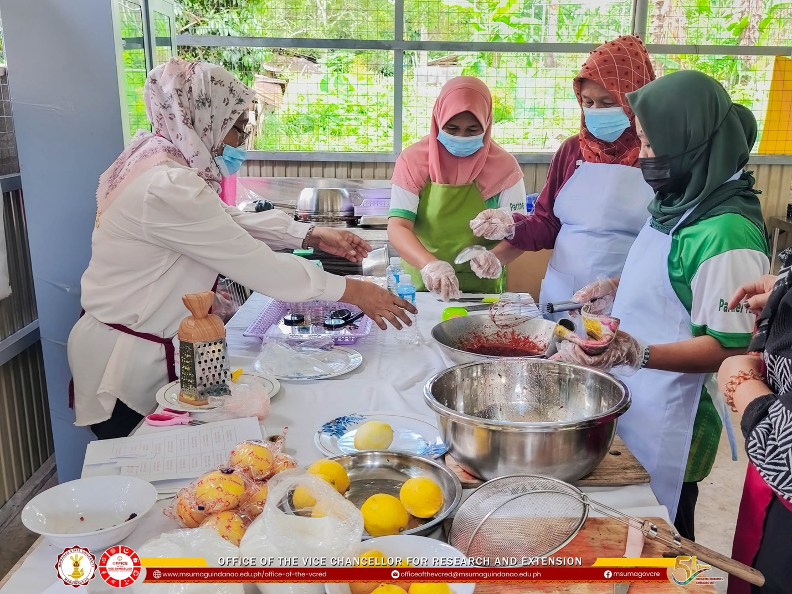
Women and Former Combatants Build Livelihoods through Farming and Food Processing in MILF Camps
For women’s cooperatives, former combatants, and their families in previously acknowledged Moro Islamic Liberation Front (MILF) Camps, livelihood support means having practical tools to grow food, process harvests, and manage community enterprises.In 2025, partner-farmers in Camps Abubakar, Badre and Omar received training, production facilities and farm inputs free of charge to support climate-smart crop, fish and livestock production. Through an Office of the Presidential Adviser on Peace, Reconciliation, and Unity (OPAPRU)-funded project implemented by MSU–Maguindanao, local farmers and food producers gained access to faculty expertise, practical skills and technologies for producing food and developing community enterprises.Ongoing since July 2024, the Agricultural Livelihood Support Project using science and technology-based mixed farming initiative has reached 305 partner-farmers in Maguindanao del Norte and Maguindanao del Sur, including women’s cooperative members and former combatants. Support combines agricultural and aquaculture training with food processing, branding, packaging, and cooperative management to help participants apply their skills across production and enterprise activities.Faculty members specializing in agronomy, animal science, and fisheries have provided training in climate-smart vegetable production, halal goat raising, organic poultry production, fish culture, and processing. Agricultural and biosystems engineering specialists have supported the development of production facilities, including greenhouses with drip irrigation, goat and poultry houses, fish cages and tanks, and solar-powered incubators. These facilities allow participants to put their training into practice.For women’s cooperatives, the support also creates opportunities to add value to agricultural products. Members have learned to prepare banana chips, sinamak, banana ketchup, strawberry jam, tilanggit, and Spanish-style hito. Training in branding and packaging complements food processing, helping members prepare products for sale.Women’s cooperative members in Partner Farmer aprons take part in a hands-on food processing session on jam making, part of the MSU–Maguindanao Agricultural Livelihood Support Project funded by OPAPRU.Faculty members in agribusiness management and sustainable community development have also provided financial and cooperative management training. These sessions help members understand how to manage funds, organize operations, and make decisions about sustaining their enterprises.Partner-farmers tend strawberry plants inside a net-covered greenhouse fitted with drip irrigation. The project built this facility so participants can practice climate-smart crop productionBy connecting farming, food processing, and cooperative enterprise, the project expands participants’ options for producing household food and developing sources of income within their communities.As the project moves into its scaling phase, continued technical assistance and production monitoring will support the cooperatives in strengthening operations, expanding facilities, and reaching wider markets.
December 23, 2025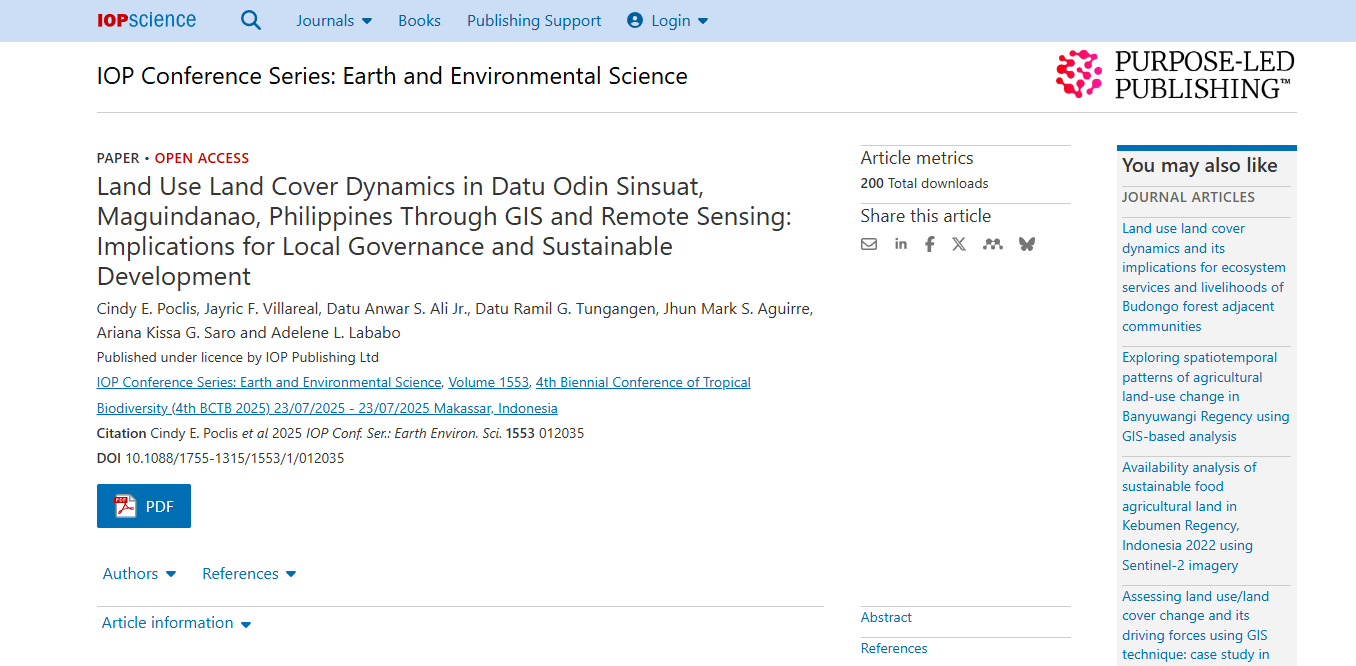
Land Use Land Cover Dynamics in Datu Odin Sinsuat, Maguindanao, Philippines Through GIS and Remote Sensing: Implications for Local Governance and Sustainable Development
Cindy E. Poclis and six fellow researchers from the College of Forestry and Environmental Studies at Mindanao State University–Maguindanao published a study mapping land-use change in Dalican Poblacion, Datu Odin Sinsuat, in IOP Conference Series: Earth and Environmental Science (Volume 1553, 2025). Poclis and co-author Jayric F. Villareal also hold affiliations with Nanjing Forestry University in China.Published article, showing the authors’ affiliations with Mindanao State University–Maguindanao and Nanjing Forestry University, China.From January to May 2025, the team combined land cover maps and boundary data from the Ministry of Environment, Natural Resources and Energy (MENRE-BARMM) with Landsat 8/9 satellite imagery processed in QGIS to produce a new 2025 land use map, and interviewed barangay officials on zoning and environmental compliance.Across the 452.17-hectare study area, perennial crops declined by 21.36 hectares between 2010 and 2020 while built-up areas expanded. The 2025 map now gives the local government a planning baseline, and the researchers recommend regular satellite-based monitoring and stronger community participation in land-use decisions.Through international research collaboration and the use of regional government data, the study strengthens cooperation on science, technology, and knowledge sharing across borders, while supporting participatory, sustainable land-use planning and the sustainable use of terrestrial ecosystems.
December 23, 2025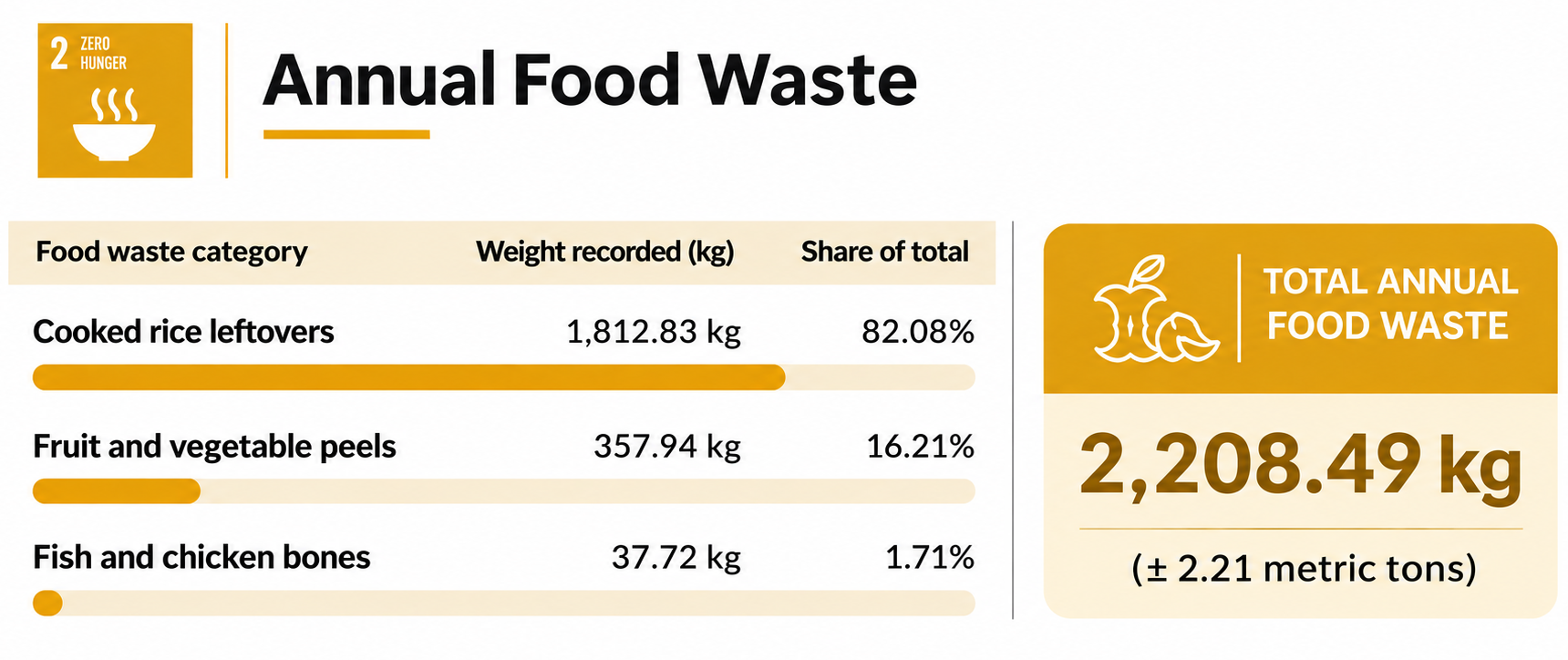
Annual Food Waste Assessment and Management at MSU-Maguindanao
A food waste assessment conducted at the University canteen of Mindanao State University–Maguindanao over 15 monitoring days in 2025 measured how much food waste the canteen generates and what that waste is made of. Carried out by BS Agricultural and Biosystems Engineering students in coordination with the canteen concessionaires, the assessment used direct weighing and waste composition analysis. After the vendors were oriented on their roles, food waste was collected using strainers at the two dishwashing areas of the canteen, weighed each afternoon, and classified into three categories: cooked-rice leftovers, fruit and vegetable peels, and fish and chicken bones.The assessment recorded 90.76 kilograms of food waste over the 15 days, an average of 6.05 kilograms per monitoring day. Projected over a full year, this corresponds to an estimated 2,208.49 kilograms (2.21 metric tons) of food waste from the canteen. Cooked-rice leftovers made up the largest share at 82.08 percent, or about 1,812.83 kilograms a year, followed by fruit and vegetable peels at 16.21 percent (357.94 kilograms) and fish and chicken bones at 1.71 percent (37.72 kilograms).Annual food waste generated by University Cafeteria by Category, with total weight and equivalent in metric tons.The dominance of cooked-rice leftovers points to serving portions, food preparation, and meal demand as the main sources of avoidable waste in the canteen. The relatively small overall volume also reflects existing food service arrangements, including the practice of some concessionaires bringing pre-processed or pre-cooked ingredients, which reduces preparation-related waste on campus, as well as students and personnel taking meals outside the canteen. Beyond establishing a baseline, the measured quantity and composition were used to determine the capacity of a biogas digester installed behind the canteen, and the collected food waste then served as feedstock to evaluate the digester's performance, linking waste measurement directly with an organic waste treatment option on campus.The assessment supports the University's Sustainability Policy, which requires cafeteria operators and food establishments on campus to minimize food waste (Article VII, Section 1). The 2025 canteen food waste baseline gives MSU–Maguindanao a documented starting point for planning waste prevention measures, assessing treatment capacity, and comparing subsequent measurements to determine changes in food waste generation.
December 22, 2025