SDG14
Monitoring the Health of Rivers, Lakes and Marshes
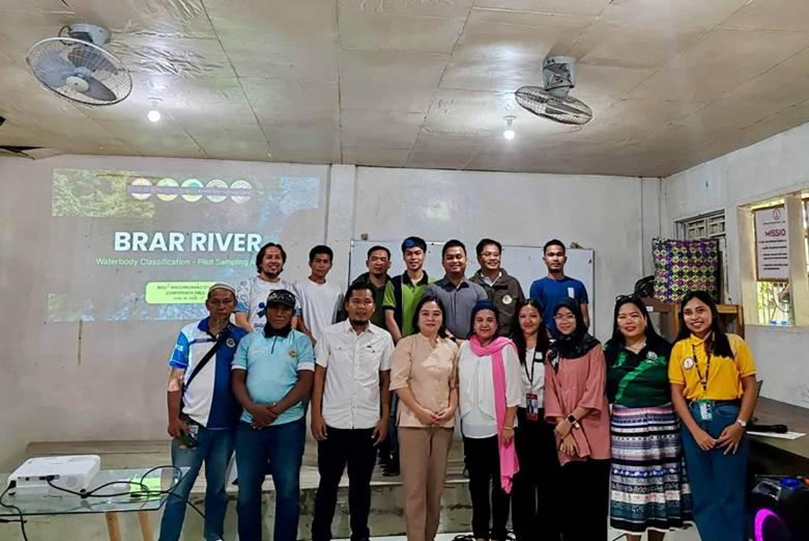
MSU–Maguindanao monitors the health of the inland waters of Central Mindanao with government agencies and local communities.River monitoring with MENRE–EMSUnder the Adopt-an-Estero partnership, in place since 2022, the University supports regular water sampling by MENRE–EMS at three monitoring stations along the Simuay River. In June 2025, the University and MENRE–EMS extended monitoring to the Brar River through a pilot water sampling program.MSU–Maguindanao faculty, MENRE–EMS personnel and local stakeholders during the Brar River waterbody classification and pilot water-sampling activity, 2025.Water quality at eight inland sitesIn 2025, University researchers measured pH, water temperature, dissolved oxygen and electrical conductivity at eight inland sampling sites in Talitay, Datu Piang, Northern Kabuntalan, Kabuntalan, Cotabato City and Sifaran. pH ranged from 7.51 to 8.54 and water temperature from 29.8 °C to 34.2 °C. Dissolved oxygen ranged from 1.07 to 8.52 mg/L; the lowest readings, well below the level most fish need, mark sites for follow-up monitoring and possible management action.Physicochemical characteristics of water samples from selected inland sites, 2025Assessing major water bodiesThrough the DBM-funded project of the MinSuPala-IRDC, the project teams assessed water quality, inland capture fisheries and watershed conditions in Ligawasan Marsh. The results were presented at the 1st Mindanao Forum on Waters and Natural Resources in November 2025, so that monitoring findings feed directly into regional planning.
November 7, 2026Minimizing Physical, Chemical and Biological Change to Aquatic Ecosystems
MSU–Maguindanao manages its activities to limit physical, chemical and biological alteration of the rivers, lakes and marshes around it.Chemical alterationThe MSU Sustainability Policy (BOR Resolution No. 358, s. 2023) requires regular testing of water sources for heavy metals and other contaminants (Article VII, Section 2(b)), proper handling of chemicals, chemical waste and biohazardous waste (Section 1(e)), segregation of waste at source (Section 1(l)) and initiatives to reduce marine pollution (Section 5(f)). Campus wastewater is managed under the General Effluent Standards of DENR Administrative Order No. 2016-08, as updated by DAO 2021-19, and the requirements of the Philippine Clean Water Act.Physical alterationThe South Upi Forest Watershed Enhanced Protection and Management Plan (2025–2030), prepared by the University, addresses the main physical threats to connected waters across 1,894 hectares, namely soil erosion, land conversion and illegal logging, through watershed zoning, sustainable land use, assisted natural regeneration and native species planting.Biological alterationIn aquaculture, the University’s National Tilapia R&D Program develops locally made probiotics and microbial-based nursery systems that reduce reliance on chemical treatments, and feeding strategies that cut the nutrient loading that drives algal blooms and oxygen depletion in receiving waters.
November 7, 2026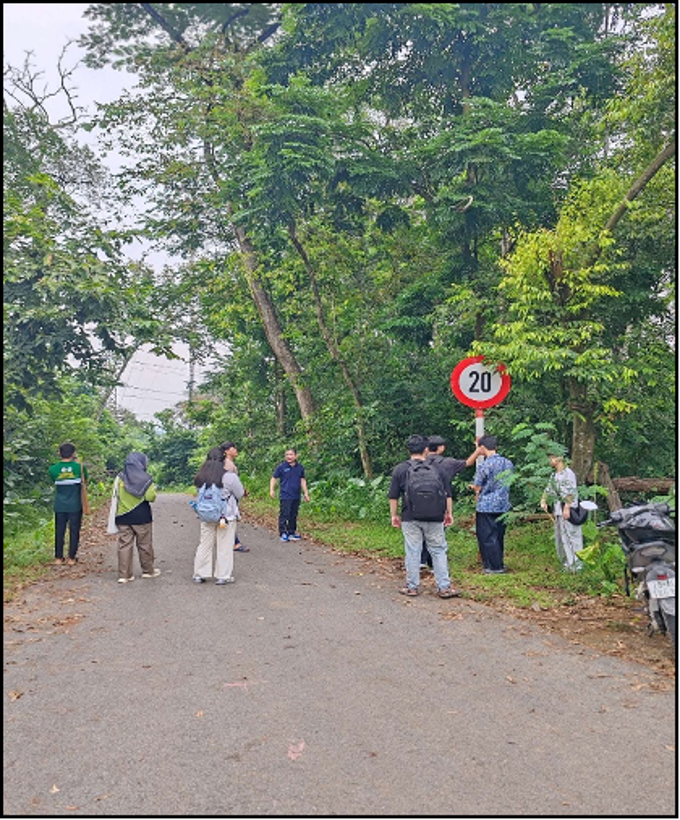
Collaboration with International Universities to Review Comparative Approaches and Develop Research-Based Best Practices for Sustainable Development
Five hundred Maguindanao residents surveyed with partners in Greece, 280 seaweed consumers interviewed with researchers in Türkiye and Malaysia, and biodiversity measurements shared at an international conference the University co-hosted show how Mindanao State University–Maguindanao participates in international collaboration on gathering and measuring data for sustainable development. Through joint research, international conferences, and exchange, its researchers collect field data in the Bangsamoro with international partners, measure it with shared methods, and make it available to the international scientific community.International Research CollaborationWith the Democritus University of Thrace in Greece, Peter Jan D. de Vera of MSU–Maguindanao measured how much the public values protecting the endangered long-tailed macaque, a primate that lives close to farms and settlements in Maguindanao. Conservation programs need to know whether residents will support protection, and how much they value it, before agencies can design and fund it. Working with Isshi Rayna Bel E. Paquingan and John Paul A. Catipay of Notre Dame University and Vasileios J. Kontsiotis and Vasilios Liordos of the Greek university, he surveyed 500 Maguindanao residents with approval from the MSU–Maguindanao Ethics Research Committee, asking how much each would be willing to pay every year to protect the species. The study, published in Environments (Vol. 12, Issue 12, Art. No. 467, 2025) with its dataset openly available, found an average willingness to pay of PHP 46.90 a year, or about PHP 10.5 million a year across the study area.A second collaboration, with researchers in Türkiye and Malaysia, gathered data on food and coastal livelihoods. Seaweed farming supports many families in Tawi-Tawi, but little had been recorded about how much seaweed local people eat and which species they use. Jonald C. Bornales of the College of Fisheries joined a 19-member team led by Albaris B. Tahiluddin that documented seaweed consumption in seven Tawi-Tawi municipalities: Bongao, Panglima Sugala, Simunul, Sitangkai, Sibutu, Tandubas, and South Ubian. Working under ethics approval OVCRE-ERC-004-2024-18 from the MSU–Maguindanao Research Ethics Committee, the team held 280 interviews and seven focus group discussions. It found that about 99 percent of respondents eat seaweed and identified 13 edible species (Phycology, Vol. 5, Issue 2, Art. No. 25, June 2025).The University also builds the skills to gather such data. Under a Memorandum of Understanding with the Vietnam National University of Forestry, the College of Forestry and Environmental Studies sent four BS Forestry students to Hanoi from August 11, 2025, when they were formally received by the university’s coordinators for international students, to October 5, 2025, for training in Natural Resources Ecology and Measurement and in Global Change Ecology: Impacts and Mitigation, learning field methods for ecological assessment that they can apply to forests in the Bangsamoro.BS Forestry students take part in a hands-on field activity during their exchange at the Vietnam National University of Forestry, Hanoi, August to October 2025.Co-hosting of Research ConferenceThe University also shares its measurements internationally. On July 23, 2025, it co-hosted the 4th Biennial Conference on Tropical Biodiversity with the Faculty of Forestry of Hasanuddin University in Indonesia, Tomsk Polytechnic University in Russia, Universiti Teknologi MARA in Malaysia, and the University of North Sumatra, held in Makassar and online. Ten University faculty researchers presented 13 studies, with field measurements of birds, epiphytes, tree species diversity, aboveground biomass and carbon stocks, the wood properties of native and fruit trees, and soil and water quality, along with assessments of land-use change, forest management for climate change, public attitudes toward conserving the Philippine brown deer, and residents’ willingness to pay for protecting two watersheds. The presenters were Sandra Samaon Akmad, Cindy Poclis, Kristine Joy Rendon, Adelene Lababo, Datulabi Untong Jr., Jayric Villareal, Mercedita Laurie, Peter Jan De Vera, Rolly James F. Cheng, and Rowena C. Benavides. One of these studies, a land use and land cover analysis of Datu Odin Sinsuat co-authored with researchers affiliated with Nanjing Forestry University in China, was published in IOP Conference Series: Earth and Environmental Science (Vol. 1553, 2025).MSU–Maguindanao faculty present biodiversity at the 4th Biennial Conference on Tropical Biodiversity, July 23, 2025.
December 29, 2025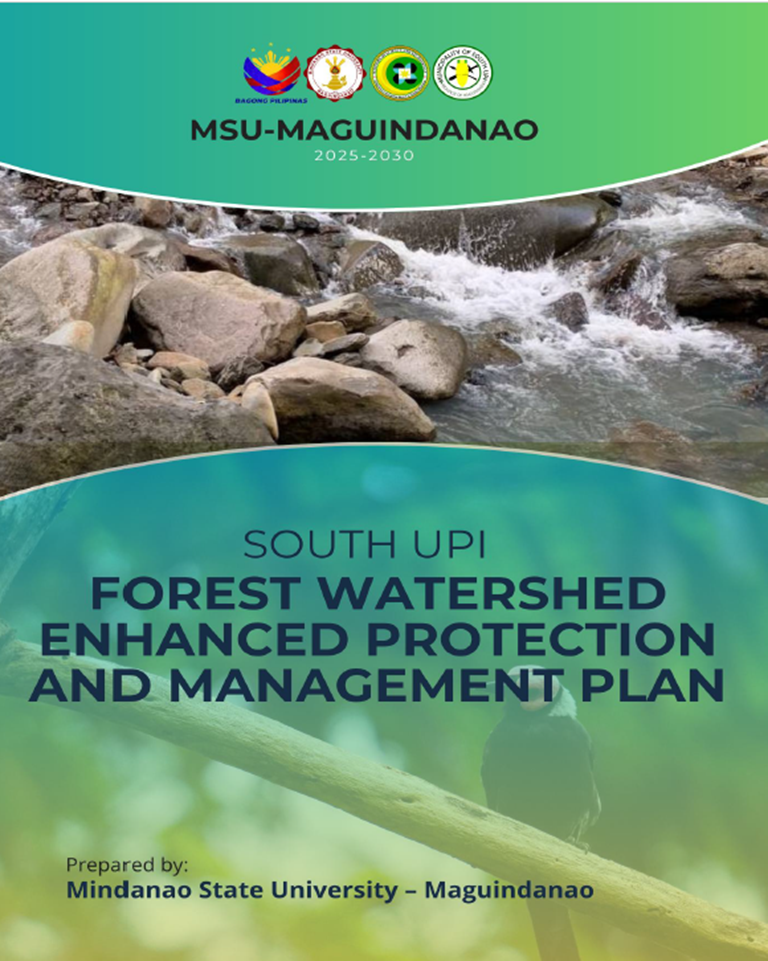
Protecting Watersheds and Conserving Aquatic Biodiversity Through Science-Based Environmental Management
Location-Specific Watershed Management, Sustainable Water Resources, and Community-Based Biodiversity Conservation in BARMMThe sustainable management of watersheds and aquatic ecosystems requires scientific understanding of local environmental conditions, biodiversity, water resources, and the communities that depend on them. Recognizing this, Mindanao State University–Maguindanao has strengthened its institutional initiatives on watershed management, aquatic biodiversity conservation, forest protection, and sustainable natural resource management through research, environmental assessment, management planning, stakeholder engagement, and partnerships with government agencies and local communities.A major initiative demonstrating this commitment is the South Upi Forest Watershed Enhanced Protection and Management Plan (2025–2030), developed through a research project funded by the Ministry of Science and Technology–Bangsamoro Autonomous Region in Muslim Mindanao (MOST–BARMM). Complementing this initiative are research and environmental management activities involving Ligawasan Marsh, Lake Buluan, the Rio Grande de Mindanao, and Lake Lanao. These initiatives integrate location-specific environmental information, biodiversity considerations, community knowledge, and institutional collaboration to support the protection of watersheds and the sustainable management of aquatic resources.South Upi Forest Watershed Enhanced Protection and Management Plan (2025–2030)A major institutional contribution to sustainable watershed management is the development of the South Upi Forest Watershed Enhanced Protection and Management Plan (2025–2030) under the MOST–BARMM-funded research project entitled “Characterization of South Upi Forest Watershed cum Landslide Vulnerability Assessment: Basis for Enhanced Protection and Management Plan.”The project covers approximately 1,894 hectares across five barangays—Romangaob, Looy, Bongo, Kigan, and Pandan—in the Municipality of South Upi, Maguindanao del Sur. The preparation of the management plan involved baseline data collection, geographic mapping, biodiversity and habitat profiling, field observations, and assessment of environmental conditions and landslide vulnerability.The assessment identified environmental concerns affecting the watershed, including illegal logging, land conversion, unsustainable farming practices, soil erosion, landslide risks, biodiversity loss, and potential water quality degradation. These findings provided the scientific basis for identifying appropriate management interventions responsive to the ecological characteristics and environmental pressures of the area.The resulting five-year management plan establishes priority strategies covering:Watershed zoning and protection to safeguard critical watershed areas and environmentally sensitive locations.Sustainable land-use management to minimize forest degradation, soil erosion, and environmental risks.Forest rehabilitation and agroforestry through assisted natural regeneration, agroforestry practices, and native species planting.Biodiversity and habitat conservation to protect forest habitats and indigenous biological resources.Water resource management to protect water sources and maintain watershed functions and water quality.Community-based environmental protection through local participation in conservation and sustainable resource management.Environmental monitoring and institutional coordination to support biodiversity assessment, environmental education, local enforcement, and long-term watershed management.The plan provides a location-specific management framework that considers the actual environmental conditions, land-use characteristics, and conservation priorities of the South Upi Forest Watershed. It also recognizes the relationship between forest protection, watershed functions, water resources, and the aquatic ecosystems that depend on healthy watersheds. South Upi Forest Watershed Enhanced Protection and Management Plan (2025–2030), developed through the MOST–BARMM-funded research project, providing a five-year framework for watershed protection, forest rehabilitation, biodiversity conservation, and sustainable natural resource management.Field Assessment and Community Participation in Watershed ProtectionCommunity participation was an important component of the South Upi watershed characterization and management planning process. Field assessment and stakeholder consultation activities involved local government representatives, Indigenous Teduray communities, farmers, and other stakeholders in gathering information about watershed conditions, identifying environmental concerns, and determining appropriate management priorities.Through collaboration with MOST–BARMM and local stakeholders, the University incorporated community perspectives into the assessment and planning process. The participation of Indigenous communities and local resource users recognizes the importance of traditional knowledge and local experience in protecting forest resources, maintaining watershed functions, and addressing environmental pressures affecting the area.These activities strengthened coordination among the University, local government units, environmental agencies, and communities, providing a foundation for continued cooperation in watershed protection and sustainable natural resource management.MSU–Maguindanao and MOST–BARMM research team members with local government representatives and members of the Indigenous Teduray community during field assessment and stakeholder consultation activities for the South Upi Forest Watershed Enhanced Protection and Management Plan.Strengthening Local Capacity Through Advanced QGIS TrainingEffective watershed management requires reliable environmental information and the technical capacity to assess changes in land use, forest cover, and watershed conditions. To support these requirements, the University conducted the Application Training on Advanced Quantum Geographic Information System (QGIS) on February 5–7, 2025, at Balay Silangan Conference Hall in Nuro, Upi.The training was attended by personnel from the Local Government Units of South Upi and North Upi and the Ministry of Science and Technology (MOST). It focused on geospatial applications for watershed management, landslide vulnerability assessment, and the preparation of Land Use and Land Cover (LULC) maps.Assoc. Prof. Peter Jan D. De Vera, the project leader, facilitated the LULC mapping session, while For. Kristine Joy B. Rendon conducted a refresher session on QGIS fundamentals.The training strengthened the technical capacity of local partners to use geospatial information in land-use assessment, environmental planning, spatial analysis, and future watershed monitoring. These capabilities are important in supporting the implementation, monitoring, and periodic updating of the South Upi Forest Watershed Enhanced Protection and Management Plan.Local government and MENRE personnel participating in the Advanced QGIS Training on February 5–7, 2025, to strengthen technical capacity in watershed mapping, land-use assessment, and environmental planning.Community-Based Conservation of Indigenous Fish and Crop ResourcesThe University's biodiversity conservation initiatives also extend to the identification and preservation of indigenous biological resources through the MinSuPala–IRDC Phase 2 project entitled “Establishment and Preservation of Indigenous Fish and Crop Products.”From July 23–25, 2025, coordination and consultation activities were conducted with the Local Government Units of Cotabato City, Kabuntalan, Talitay, Datu Piang, and Northern Kabuntalan. Community leaders, farmers, and fisherfolk participated in a Prioritization Tool Survey to identify indigenous fish and crop species considered important for preservation.This initiative recognizes the contribution of local knowledge in identifying biological resources that support food security, livelihoods, and cultural heritage. It also provides opportunities to incorporate community-identified conservation priorities into research, product development, and community-based resource management initiatives.Through these activities, the University promotes community participation in biodiversity conservation and the sustainable use of indigenous biological resources.University research team and local government representatives during the July 23–25, 2025 coordination meetings and community prioritization activities for indigenous fish and crop resources under MinSuPala–IRDC Phase 2.Sustaining Watershed Management Through Institutional and Community PartnershipsThe South Upi Forest Watershed Enhanced Protection and Management Plan (2025–2030) provides a five-year framework for continuing watershed protection and sustainable natural resource management. Its long-term effectiveness depends on sustained coordination among the University, MOST–BARMM, local government units, environmental agencies, Indigenous Teduray communities, farmers, and other stakeholders.Priority actions include integrating watershed protection measures into local development and environmental plans, conducting periodic assessments of forest and water resources, monitoring biodiversity and habitat conditions, strengthening environmental education, and supporting community-based conservation initiatives.Similarly, research findings from Ligawasan Marsh, Lake Buluan, the Rio Grande de Mindanao, and Lake Lanao can continue to inform location-specific management recommendations, fisheries interventions, water quality monitoring, and future conservation programs.The University recognizes that effective watershed management requires more than the preparation of a management plan. It also requires sustained implementation, adequate resources, technical capacity, regular monitoring, and active participation from the communities and institutions responsible for protecting these ecosystems.Through its South Upi Forest Watershed Enhanced Protection and Management Plan, aquatic ecosystem research, stakeholder consultations, technical training, community-based conservation initiatives, and collaborative water quality monitoring, the University demonstrates its institutional commitment to location-specific watershed management and aquatic biodiversity conservation.By connecting scientific evidence with local knowledge, institutional partnerships, and community participation, the University contributes to protecting aquatic habitats, sustaining biodiversity, promoting responsible fisheries management, and safeguarding natural resources for present and future generations.
December 23, 2025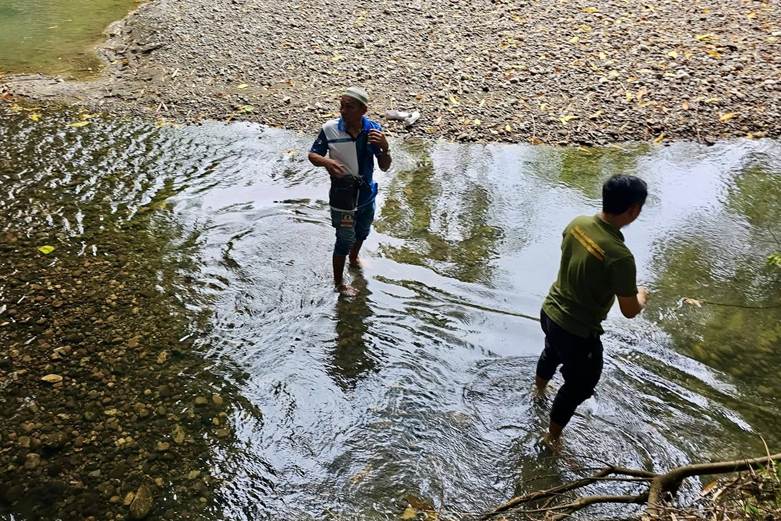
Monitoring Aquatic Ecosystem Health through River Water Quality Monitoring and Collaborative Research
River Water Quality Monitoring through Government and Community PartnershipsThe University strengthened its participation in monitoring and assessing aquatic ecosystem health through river water-quality sampling, research on important inland water bodies, and collaboration with government environmental agencies, local government units, and other academic institutions. These initiatives generated scientific information on water quality, fisheries resources, watershed conditions, and aquatic biodiversity to support environmental protection and the sustainable management of the region's aquatic ecosystems.A direct example was the joint river water-quality monitoring and protection initiative conducted on June 30, 2025. Through the College of Forestry and Environmental Science, the University partnered with the Ministry of Environment, Natural Resources, and Energy–Environmental Management Services (MENRE-EMS) and the Local Government Unit of Datu Odin Sinsuat to launch the Brar River Pilot Water Sampling Program and continue water-quality monitoring in the Simuay River. The activity included an orientation on standardized water-sampling procedures and waterbody classification for faculty members, students, and local government personnel, consistent with Republic Act No. 9275, or the Philippine Clean Water Act of 2004. Building on the Adopt-an-Estero partnership established in 2022, the initiative strengthened local capacity for environmental monitoring. MENRE-EMS also continued regular water sampling at three established monitoring stations along the Simuay River, with the University serving as an institutional partner in the monitoring initiative.researchFaculty members and research personnel conduct river water-quality sampling and field monitoring along the Brar Rivers, Maguindanao Del SurCollaborative Research and Assessment of Major Inland Aquatic EcosystemsThe University's participation in aquatic ecosystem assessment was further demonstrated through the Mindanao-Sulu-Palawan Innovative Research and Development Consortium (MinSuPala-IRDC). On February 27, 2025, the University hosted a Stakeholders' Consultation that brought together four state universities and colleges (SUCs) to present research findings on the environmental conditions of important water bodies in Central Mindanao and the Bangsamoro Autonomous Region in Muslim Mindanao (BARMM). The consultation formed part of the ₱45-million (US $ 776,800) Department of Budget and Management (DBM)-funded research project entitled “Assessment and Characterization of Water Quality, Inland Capture Fisheries, Watershed, and Socioeconomic Aspects of Important Water Bodies for Social and Economic Transformation in Central Mindanao.” The research covered four major aquatic ecosystems: Ligawasan Marsh, Lake Buluan, the Rio Grande de Mindanao, and Lake Lanao.Researcher conducted water-quality assessment through the collection and laboratory examination of water samples, using scientific equipment and field-based sampling procedures to evaluate the condition of selected water bodies.Consolidated Terminal Report titled “Water Bodies in Central Mindanao,” documenting the assessment and characterization of water quality, inland capture fisheries, watershed conditions, and socioeconomic aspects of important water bodies to support sustainable resource management and social and economic transformation in Central Mindanao.Researchers from MSU–Maguindanao, the University of Southern Mindanao–Kidapawan City Campus (USM-KCC), Cotabato State University (CotSU), and Adiong Memorial State College (AMSC) presented assessments of water quality, fisheries resources, watershed conditions, and socio-economic factors affecting these aquatic ecosystems. The findings provided scientific information for identifying environmental concerns, determining conservation priorities, and supporting the sustainable management of aquatic resources. The consultation also engaged representatives from the Ministry of Agriculture, Fisheries and Agrarian Reform–BARMM, the Bangsamoro Planning and Development Authority, DOST-PCAARRD, provincial environmental offices, and participating local government units. Through the discussions, researchers and government stakeholders exchanged information and considered how research findings could guide environmental planning, ecosystem monitoring, pollution prevention, and conservation initiatives.A researcher presents the findings of the collaborative assessment of water quality, fisheries resources, watershed conditions, and socioeconomic factors affecting aquatic ecosystems in Central Mindanao, sharing scientific results and recommendations with academic institutions, government agencies, and local stakeholders to support evidence-based environmental planning and sustainable natural resource management.Community-Based Monitoring and Identification of Aquatic Biodiversity PrioritiesFurther support for water quality and aquatic bioassessment was provided through coordination meetings with the local government units of Cotabato City, Kabuntalan, Talitay, Datu Piang, and Northern Kabuntalan. Under Phase 2 of the MinSuPala-IRDC project, “Establishment and Preservation of Indigenous Fish and Crop Products,” community leaders, farmers, and fisherfolk participated in a Prioritization Tool Survey to identify indigenous fish and other biological resources requiring preservation. This activity contributed local knowledge to the identification of biodiversity conservation priorities and the protection of aquatic ecosystems.The MSU–Maguindanao team of MinSuPala–IRDC conducts coordination meetings and strengthens partnerships with local government units in Cotabato and Maguindanao to promote collaborative research, institutional cooperation, and community-based initiatives for sustainable regional development.Continuing Institutional Commitment to Aquatic Ecosystem MonitoringThrough these activities, the University demonstrated its institutional participation in monitoring and assessing aquatic ecosystem health in 2025. Its partnership with MENRE-EMS and the local government supported direct river water-quality monitoring, while MinSuPala-IRDC research provided broader assessments of water quality, inland fisheries, watershed conditions, and aquatic biodiversity in major water bodies across Central Mindanao and BARMM. These efforts strengthened the University's contribution to science-based environmental planning, the identification of ecological concerns, and the sustainable management and conservation of aquatic ecosystems.
December 22, 2025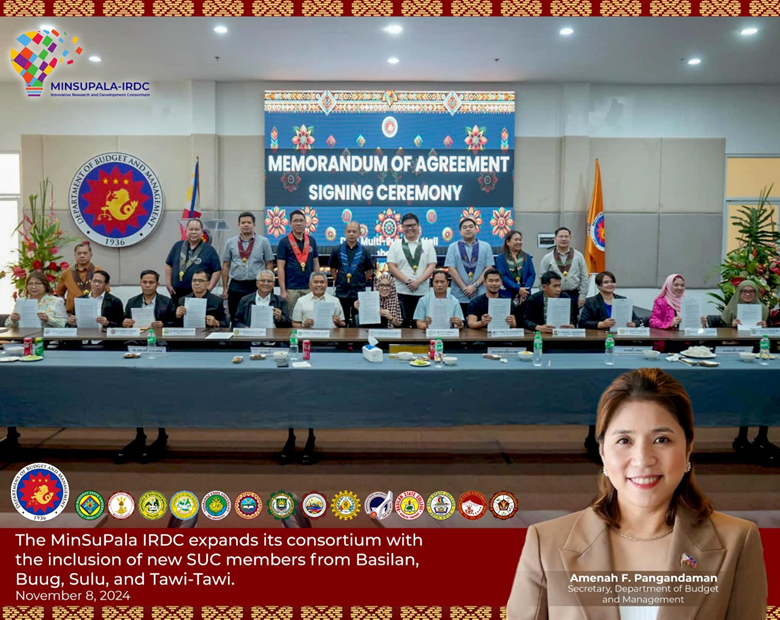
University-Supported Programs and Incentives for Promoting and Sustaining Good Aquatic Stewardship Practices
Through fisheries and aquaculture research, technical assistance, capacity-building, technology development, community engagement, and institutional recognition, the University provides opportunities for researchers, students, fisherfolk, farmers, and local communities to acquire knowledge, improve their practices, and participate in initiatives that contribute to aquatic ecosystem protection. Strengthening Institutional Partnerships and Collaborative ResearchA major institutional initiative supporting aquatic stewardship is the University's participation and leadership in the Mindanao-Sulu-Palawan Innovative Research and Development Consortium (MinSuPala-IRDC). The consortium strengthened its regional research network through the formal signing of a Memorandum of Agreement on November 13, 2024, at the Department of Budget and Management (DBM) Region XI in Davao City. The agreement welcomed six additional state universities and colleges from Basilan, Buug, Sulu, and Tawi-Tawi. The expanded partnership, implemented in 2025, strengthened inter-institutional collaboration, research capacity, innovation, and regional development across Mindanao, Sulu, and Palawan. Through this network, the University supports collaborative research and knowledge-sharing initiatives that promote the responsible management and sustainable utilization of natural resources.Representatives of participating state universities and colleges formalize the expansion of MinSuPala-IRDC through the signing of a Memorandum of Agreement on November 13, 2024, at DBM Region XI in Davao City. The partnership strengthens inter-institutional collaboration and provides opportunities for joint research, innovation, and sustainable natural resource management across Mindanao, Sulu, and Palawan.Building on this expanded partnership, MSU–Maguindanao hosted a MinSuPala-IRDC Stakeholders' Consultation on February 27, 2025, bringing together researchers from four state universities and colleges, government agencies, and local stakeholders to discuss research findings concerning Ligawasan Marsh, Lake Buluan, the Rio Grande de Mindanao, and Lake Lanao. The collaborative research examined water quality, inland capture fisheries, watershed conditions, and socioeconomic factors affecting these aquatic ecosystems. The consultation provided a platform for presenting scientific findings, identifying conservation priorities, and encouraging coordinated approaches to aquatic resource management. By bringing researchers, government representatives, and local stakeholders together, the University strengthened the connection between scientific research, environmental planning, and the needs of communities dependent on inland water resources.Researchers, government representatives, and local stakeholders participate in the MinSuPala-IRDC Stakeholders' Consultation hosted by MSU–Maguindanao on February 27, 2025. The consultation facilitates the sharing of research findings, identification of conservation priorities, and development of collaborative approaches to managing important inland water bodies in Central Mindanao and BARMM.Promoting Research and Innovation for Responsible AquacultureIn addition to collaborative research on inland water ecosystems, the University supports the development of improved aquaculture technologies through the National Tilapia Research and Development Program, particularly Program B: Productivity Enhancement of SPIN Tilapia Culture Systems. Funded by the Department of Science and Technology–Philippine Council for Agriculture, Aquatic and Natural Resources Research and Development (DOST-PCAARRD), the program's inception meeting was held on June 19, 2025, at Capiz State University, with MSU–Maguindanao leading the collaborative research initiative. Focusing on the Saline-tolerant Population of Improved Nilotica (SPIN), the program involves partner institutions in improving hatchery and grow-out systems, feeding strategies, microbial-based nursery production, acclimation and transport methods, and locally developed probiotics. These research activities aim to improve production efficiency, strengthen fish health management, and promote better utilization of aquaculture resources. Through externally funded research, technology development, and institutional collaboration, the University encourages the adoption of improved production practices that can benefit fish farmers and contribute to more sustainable aquaculture systems.Organizational structure of the DOST-PCAARRD-funded National Tilapia Research and Development Program, Program B: Productivity Enhancement of SPIN Tilapia Culture Systems. The structure identifies the program leader and project leaders from participating institutions, demonstrating the collaborative research arrangement supporting the development and improvement of tilapia production technologies.Translating Aquatic Stewardship into Community Livelihood OpportunitiesBeyond research and technological development, the University recognizes that responsible aquatic resource management must also provide practical benefits to communities. In 2025, in collaboration with the Office of the Presidential Adviser on Peace, Reconciliation, and Unity (OPAPRU) and other development partners, MSU–Maguindanao supported sustainable and climate-smart farming initiatives among transformed Moro Islamic Liberation Front (MILF) communities in Camp Abubakar, Camp Badre, and Camp Omar. Through technical assistance, capacity-building activities, and lectures on sustainable farming, participating beneficiaries gained knowledge and practical skills in responsible fish production, integrated farming systems, efficient water utilization, and environmentally sound production practices. These activities encouraged beneficiaries to apply resource-efficient approaches to their farming and aquaculture activities while creating opportunities for livelihood improvement and community development.Community beneficiaries participate in fish production and sustainable farming activities supported through the University's collaboration with OPAPRU and development partners. The activity demonstrates the application of aquaculture knowledge and practical production skills in community-based livelihood development.The livelihood initiative also connected fish production with value-added processing, product development, and marketing. Under the community livelihood initiative known as "A Taste of Peace," participating beneficiaries showcased locally produced goods, including bottled hito (catfish), tilanggit (processed tilapia), organically grown vegetables, and other halal-processed food products. One example is bottled hito (325 g), marketed under the GrowTogaig brand at ₱150.00 (USD 2.80) per jar. By linking fish production with food processing and market opportunities, the initiative enables participating communities to increase the value of their harvests, explore small enterprise development, and generate additional household income. These opportunities provide practical economic incentives for beneficiaries to sustain their livelihood activities while recognizing the value of responsible fish production and resource utilization.Harvesting of cultured fish using a seine net during a community-based aquaculture production activity. The activity demonstrates the practical application of fish farming as a livelihood activity and provides fish for subsequent processing and value addition.Value-added processing and marketing of bottled hito (325 g) under the GrowTogaig brand, produced by transformed MILF communities in Camp Abubakar, Camp Badre, and Camp Omar. Offered at ₱150.00 (USD 2.80) per jar, the product demonstrates how locally produced fish can be transformed into marketable food products, creating opportunities for community enterprise, additional income, and sustainable livelihood development.Recognizing Research Excellence and Encouraging Continued InnovationAt the institutional level, MSU–Maguindanao further encourages research and innovation through its 2025 Research Excellence and Academic Publication (REAP) Awards, which recognize the research achievements and academic publication contributions of its faculty members and researchers. This recognition serves as an institutional incentive for faculty and research personnel to continue producing quality research and scholarly publications. Research contributions in fisheries, aquaculture, aquatic biodiversity, and environmental management generate scientific knowledge and practical recommendations that can support conservation initiatives and sustainable resource management. By recognizing the achievements of its researchers, the University strengthens a culture of academic excellence and encourages continued research engagement in addressing environmental concerns and community development priorities.MSU–Maguindanao recognizes and celebrates the research achievements and academic publication contributions of its faculty members and researchers during the 2025 Research Excellence and Academic Publication (REAP) Awards. This institutional recognition encourages continued scholarly work and research contributions in fisheries, aquaculture, aquatic biodiversity, and environmental management.Sustaining Institutional Support through Research-Based Extension and Community ProgramsThe University's commitment to community-based and research-driven development is also reflected in the official excerpt of the 273rd Meeting of the MSU System Board of Regents held on December 9, 2025. The documented matters endorsed by MSU–Maguindanao included Project ILAW, the Memorandum of Agreement with the Government Procurement Policy Board–Technical Support Office (GPPB-TSO), the MNLF Transformation Study Grant Program with Peace Formation Sessions, and five proposals under the Community Advancement through Research-Based Extension Services (CARES) Program. These institutional initiatives demonstrate the University's efforts to support research-based extension, community advancement, institutional cooperation, and inclusive development. In particular, the inclusion of Project ILAW and the CARES proposals reflects institutional support for initiatives that connect University expertise and resources with community development priorities.Official excerpt from the 273rd Meeting of the MSU System Board of Regents held on December 9, 2025, documenting matters endorsed by MSU–Maguindanao, including Project ILAW, the MNLF Transformation Study Grant Program with Peace Formation Sessions, and five CARES Program proposals. The document provides evidence of institutional support for research-based extension, community advancement, and collaborative development initiatives.Among these continuing initiatives is Project ILAW sa Ligawasan, implemented in 2025 and continuing to the present. The project represents the University's sustained engagement in community-oriented development in the Ligawasan Marsh area. Its implementation reflects the importance of maintaining institutional programs that respond to local development priorities and strengthen cooperation with communities and partner organizations. Considering the ecological and socioeconomic importance of Ligawasan Marsh, continuing community engagement and institutional collaboration are essential in promoting responsible resource utilization and supporting the well-being of communities whose livelihoods are closely connected to the marsh. Project ILAW complements the University's broader research, extension, and partnership activities directed toward sustainable resource management and community advancement.Project ILAW sa Ligawasan, implemented in 2025 and continuing to the present. The initiative reflects MSU–Maguindanao's continuing institutional engagement in the Ligawasan Marsh area and its commitment to supporting community-oriented development and sustainable resource management.
December 21, 2025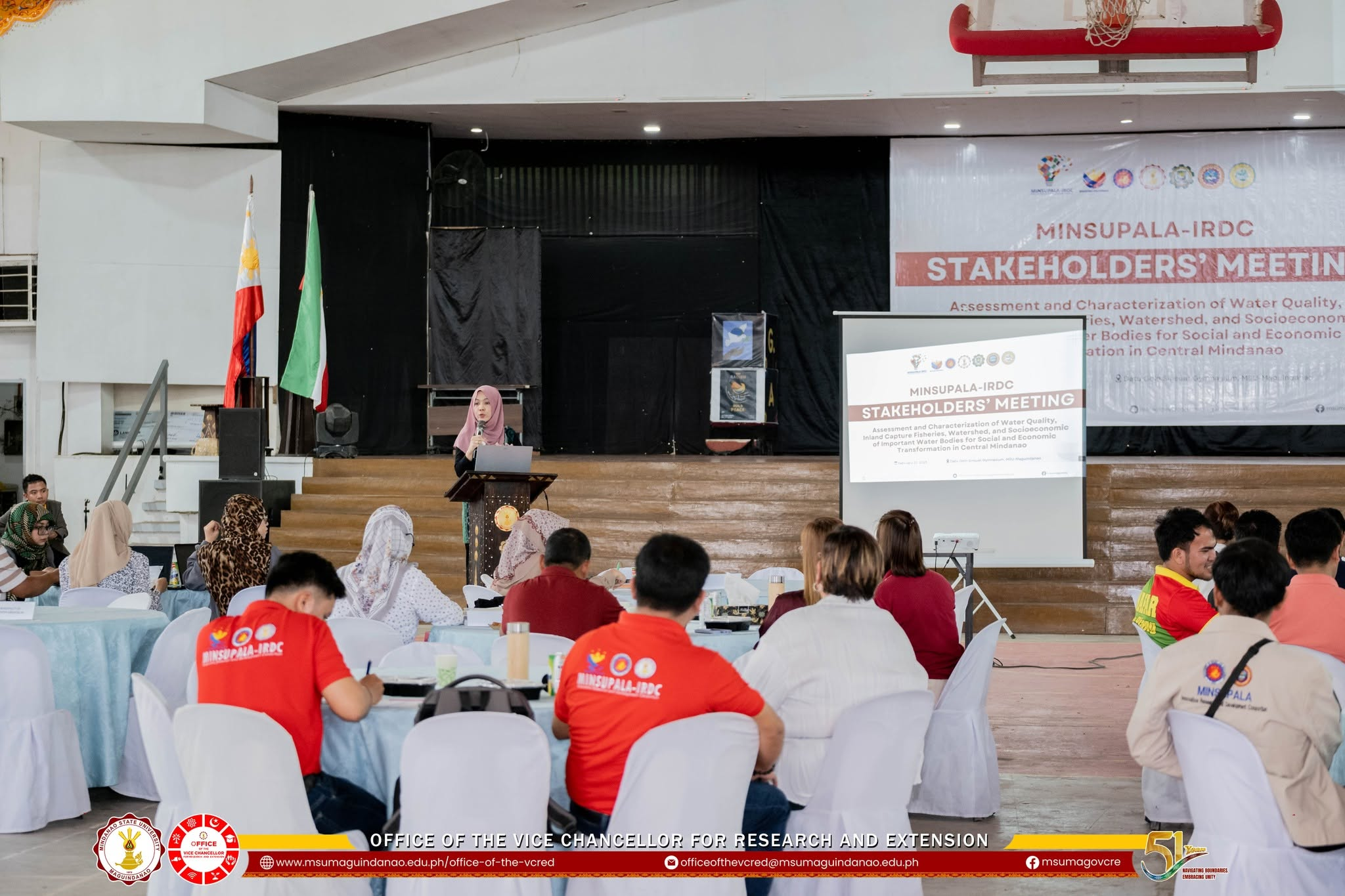
University Research Shapes Policy on Water, Peace Education, and Camp Livelihoods
Data on the water, fisheries, and livelihoods of 930 residents around Ligawasan Marsh became five policy recommendations that local governments validated in October 2025, as Mindanao State University–Maguindanao gave national and Bangsamoro government direct input into policy development on sustainable development, from identifying problems to monitoring interventions. Its research and extension teams helped the Department of Budget and Management (DBM), the Office of the Presidential Adviser on Peace, Reconciliation and Unity (OPAPRU), BARMM ministries, and local governments identify problems and challenges, develop policies and strategies, and monitor and report on interventions.Identifying Problems and ChallengesThe largest of these efforts runs through the Mindanao–Sulu–Palawan Innovative Research and Development Consortium (MinSuPala–IRDC), a network funded by the Department of Budget and Management (DBM) and led by MSU–Maguindanao. Local governments around the major water bodies of Central Mindanao had little local data on the condition of their rivers, marshes, and fisheries. In the consortium’s first phase, the University’s ₱5,000,000 (about US$87,300) component assessed water quality, inland capture fisheries, watershed conditions, and the livelihoods of 930 residents around Ligawasan Marsh, working with the Ministry of Environment, Natural Resources and Energy (MENRE), the Ministry of Agriculture, Fisheries and Agrarian Reform (MAFAR), and the local governments of Cotabato City, Kabuntalan, Northern Kabuntalan, Talitay, and Datu Piang, and produced five policy recommendations. The University then led Phase 2, “Establishment and Preservation of Indigenous Fish and Crop Products,” carried out by nine member institutions from January to December 2025. DBM funds each phase of the consortium’s work at ₱45,000,000 (about US$786,000), of which the University’s Phase 2 component received ₱10,000,000 (about US$174,700).The network itself has grown to reach more of the region. On November 13, 2023, at the Department of Budget and Management Region XI office in Davao City, MSU–Maguindanao and the existing members signed a Memorandum of Agreement admitting state universities and colleges in Sulu, Basilan, and Tawi-Tawi, extending the consortium’s research on the region’s waters and resources to the island provinces. The consortium now has 14 member state universities and colleges.The consortium first tested its findings with the agencies that would use them. On February 27, 2025, MSU–Maguindanao hosted the MinSuPala–IRDC Stakeholders’ Consultation, where research teams from MSU–Maguindanao, the University of Southern Mindanao–Kidapawan City Campus, Cotabato State University, and Adiong Memorial State College presented their assessments of water quality, fisheries, watershed conditions, and socio-economic conditions in Ligawasan Marsh, Lake Buluan, the Rio Grande de Mindanao, and Lake Lanao. Representatives of the Ministry of Agriculture, Fisheries and Agrarian Reform–BARMM, the Bangsamoro Planning and Development Authority, the Department of Science and Technology–PCAARRD, the Provincial Environment, Natural Resources and Energy Office of Maguindanao, environmental organizations, fisherfolk associations, and the local governments of Datu Piang, Talitay, Northern Kabuntalan, Cotabato City, Mangudadatu, and Sultan Kudarat discussed the findings, aligned them with local conservation and resource management plans, and helped shape the policy recommendations for conserving and managing these water bodies.Chancellor Limbona delivers her message to government agencies, local governments, and fisherfolk associations at the Stakeholders’ Consultation, Datu Odin Sinsuat Gymnasium, February 27, 2025.The University’s Phase 2 team is set out in Special Order No. 234, s. 2025, issued by Chancellor Bai Hejira Nefertiti M. Limbona on September 23, 2025. Dr. Raquel D. Santiago-Arenas serves as Project Coordinator over four projects: Nutritional Analysis, led by Asst. Prof. Always A. Germo; Market Potential and Value Chain Analysis, led by Asst. Prof. Irene S. Aquino; Agronomic Practices Assessment, led by Mr. Dominic B. Masecambo; and Establishment of Demo Farm and Knowledge Materials, led by Mr. John Louie C. Natan. Dr. Joel C. Arenas, Dr. Ramjie Y. Odin, and Engr. Bai Aljannah S. Macalandong served as a consultant.Developing Policies and StrategiesIn July 2025, the Phase 2 team led by Asst. Prof. Irene S. Aquino held coordination meetings with the five local governments and conducted key informant interviews with fisherfolk, farmers, and cooperatives to identify the native crops and fish most worth conserving. In October 2025, a team led by Mr. John Louie C. Natan, Study Leader of Inland Capture Fisheries, with technical support from Ms. Rhea Mae C. Talaron, presented the Phase 1 results and policy recommendations to each local government and its barangays. Cotabato City, under Mayor Mohammad Ali Matabalao, was represented by Agriculture Technologist Ms. Priyanka B. Saji-Sabpeten; Kabuntalan, under Mayor Datu Sharif Diocolano, by Municipal Administrator Mr. Efrel Oric Midtimbang; Datu Piang, under Mayor Victor Samama, by Executive Assistant Ms. Sherriejean S. Ampatuan; Talitay, under Mayor Sidik Amiril, by MAFAR Municipal Officer Mr. Dasib Mendato; and Northern Kabuntalan, under Mayor Datu Umbra Diocolano, by Administrator Mr. Allan Cando. Local officials, barangay representatives, and community members validated the findings and chose gabi (taro) and okra as priority crops, and haluan, native katipa, and popoyu as priority indigenous fish; each local government affirmed its readiness to work with the consortium on Phase 2.The MinSuPala–IRDC project page documents the DBM-funded work that MSU–Maguindanao leads with five Central Mindanao local governments, 2025The same steps, from identifying a problem to recommending a policy, guided a second project in the uplands. Funded by the Ministry of Science and Technology–BARMM with ₱1,199,418 (about US$20,950), it ran from June 2024 to July 2025 with MENRE and the LGU of Upi. The College of Forestry and Environmental Studies characterized the South Upi Forest Watershed and assessed its vulnerability to landslides, providing MENRE and the municipality with a watershed vulnerability map and policy recommendations for managing the area.Policy input also runs through national development agencies. On July 30, 2025, Chancellor Limbona, who chairs the consortium, and DBM Region XII Director Akmad J. Usman, its Executive Director, paid a courtesy visit to Secretary Leo Magno of the Mindanao Development Authority (MinDA) and held an exploratory meeting with Executive Director Janet M. Lopoz on working together on a Mindanao Forum on Waters and Natural Resources. MinDA Director III Olie B. Dagala of the Investment Promotions and Public Affairs Office and Chief Public Relations Officer Dr. Adrian Tamayo attended, with Vice Chancellor Raquel D. Santiago-Arenas and Ms. Aljannah Macalandong of the University. The meeting led to the 1st Mindanao Forum on Waters and Natural Resources in General Santos City from November 26 to 28, 2025, where the consortium turned over its Phase 1 reports and published books to Director Usman and DBM XII, moving its research from outputs to policy application.Chancellor Limbona and DBM Region XII Director Akmad J. Usman meet MinDA Secretary Leo Magno and Executive Director Janet M. Lopoz, July 30, 2025The University also gave the national legislature direct input on peace education policy. On September 16, 2025, Chancellor Limbona, with DWPS Technical Working Group Chairperson Grant Warren Lu and DWPS faculty members Dr. Arceli B. Naraga and Ms. Aljannah Macalandong, submitted the University’s position paper to the House Committee on Higher and Technical Education at its 2nd regular meeting, which deliberated on House Resolution No. 160 commending the MSU Board of Regents and MSU–Maguindanao for pioneering the Diploma in Women, Peace and Security. The position paper presented the program as a model of peace-oriented higher education that other institutions could replicate. Committee Chairperson Rep. Jude Acidre thanked the University for its work in peace education, and Vice Chairperson Rep. Eulogio R. Rodriguez sponsored the resolution for adoption. The resolution remains pending in the House.Chancellor Limbona submits the University’s position paper on the Diploma in Women, Peace and Security to the House Committee on Higher and Technical Education, September 16, 2025.Strategies also depend on the officials who carry them out. On August 12, 2025, at the Institute of Management, Chancellor Limbona and Regis Chapman, Representative and Country Director of the United Nations World Food Programme (WFP), signed a Memorandum of Agreement for a 2025–2027 partnership under which the University contributes experts in food systems, climate adaptation, and gender-responsive programming to help priority barangays prepare Local Climate Change Adaptation Plans and to strengthen farmer cooperatives, while WFP provides technical resources and exchange visits. Under this partnership, in September 2025, University extension staff Sarah Jane Mokamad, Lahmudin Abdulhadi, and Jona Fabay trained 30 MAFAR municipal officers and agricultural extension workers in a WFP-funded Training of Trainers. Each participant drafted a six-month action plan to strengthen farmer cooperatives in their municipality.Chancellor Bai Hejira Nefertiti M. Limbona and WFP Country Director Regis Chapman sign the 2025–2027 partnership on food security and climate resilience, Institute of Management, August 12, 2025.Monitoring and Reporting on InterventionsThe Humanitarian and Development Assistance Program (HDAP) was set up in 2016 under the former Autonomous Region in Muslim Mindanao to bring health, education, social welfare, infrastructure, livelihood, and governance projects to war-affected towns, and its unfinished projects passed to the Bangsamoro Planning and Development Authority (BPDA) after the transition to BARMM. College of Public Affairs and Governance faculty Tahir K. Salipada, Sajid P. Abdula, and Datuali Paguital Abdula evaluated the program with Khairon A. Sura of the BPDA. They surveyed 100 beneficiaries, 50 each in Mamasapano and Datu Saudi Ampatuan. They found that the program had an extensive impact on social services, economic services, and peace and governance, but that delivery was delayed by local peace and order conditions (Edelweiss Applied Science and Technology, Vol. 9, No. 6, 2025).For OPAPRU’s camp transformation program, part of the Normalization Track of the Comprehensive Agreement on the Bangsamoro, the University implemented ₱32.36 million (about US$565,200) in livelihood projects in Camps Badre, Omar, and Abubakar. In 2024, beneficiaries first completed a Values Transformation Training funded by the Bangsamoro Development Agency before their technical training. On June 18, 2025, with OPAPRU, the University turned over the Camp Abubakar projects, including a newly constructed kitchen facility for the Calagan Women’s Marketing Cooperative and the Gawad Kalinga Village Togaig Farmer’s Marketing Cooperative, supporting women-led enterprise and the reintegration of decommissioned combatants. Officials of the Office of the Special Assistant to the President, OPAPRU, and the Philippine Marine Corps, together with the municipal government of Barira and the Camp Abubakar MILF camp coordinators, witnessed the turnover. The community kitchens built in the other camps were completed in 2025 and are scheduled for turnover. After the training, the University holds Kamustahan sessions, follow-up check-ins with the cooperatives, as its mechanism for monitoring the projects, and it reports on them with OPAPRU and the Joint Task Forces on Camps Transformation. The newly turned over kitchen facility in Camp Abubakar, Barira, Maguindanao del Norte, on June 18, 2025.From Recommendations to Policy, and What Comes NextAs a result, five local governments now hold validated priorities for conserving their indigenous crops and fish, MENRE has a hazard map for the South Upi watershed, the regional planning authority has field evidence on why its assistance was delayed, and the House Committee on Higher and Technical Education has the University’s position on peace-oriented higher education. The consortium carries this work into Phase 3 in 2026, which will develop and market products from the priority crops and fish. Through its 2025–2027 partnership with WFP, the University will also continue to help priority barangays prepare local climate change adaptation plans, and its Kamustahan sessions will keep track of the camp livelihood projects so that they stay productive for the cooperatives that run them.
December 20, 2025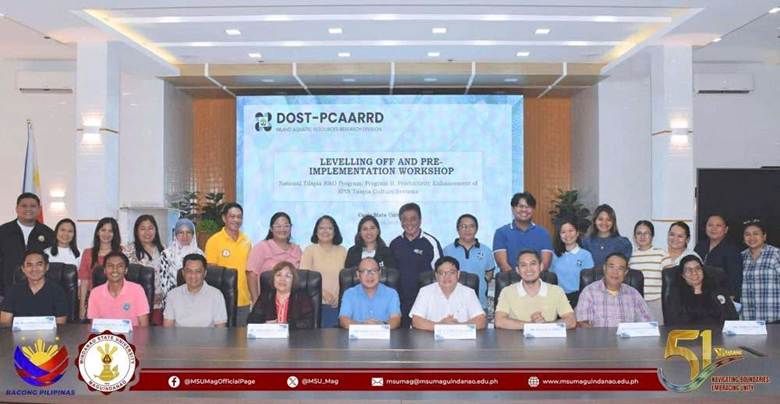
Strengthening Community Education and Outreach on Sustainable Fisheries, Aquaculture, and Responsible Tourism Through Academic Programs and Community Partnerships
Academic Programs for Developing Fisheries Professionals and PractitionersSustainable fisheries, aquaculture, and responsible tourism play important roles in protecting aquatic ecosystems, supporting food security, and creating livelihood opportunities for local communities. Mindanao State University–Maguindanao (MSU–Maguindanao) contributes to these objectives through its academic programs, research initiatives, extension activities, and partnerships with government agencies, research institutions, and community organizations. Through these initiatives, the University promotes scientific knowledge, technical skills, and responsible resource-use practices that support sustainable fisheries production, aquaculture development, aquatic biodiversity conservation, and community livelihood improvement.The University's academic offerings provide a foundation for developing professionals and technical personnel in fisheries and aquaculture. These include the Bachelor of Science in Fisheries, the Diploma in Fisheries Technology major in Aquaculture, and the Diploma in Fisheries Technology major in Fish Processing. Their curricula cover relevant areas such as capture fisheries, sustainable aquaculture, hatchery management, fish nutrition, fish health management, fisheries management, fish processing, and post-harvest technology. Through classroom instruction, laboratory activities, practical exercises, and industry exposure, students develop the scientific knowledge and technical competencies needed for responsible fisheries operations, sustainable aquaculture production, and the efficient utilization of aquatic resources.Research and Technology Development for Sustainable AquacultureBeyond formal academic instruction, the University extends fisheries and aquaculture education to local communities through research collaborations and livelihood development initiatives. One of its research contributions in 2025 was its participation in the National Tilapia Research and Development Program: Program B – Productivity Enhancement of SPIN Tilapia Culture Systems, funded by the Department of Science and Technology–Philippine Council for Agriculture, Aquatic and Natural Resources Research and Development (DOST–PCAARRD). Led by Dr. Ramjie Y. Odin, the initiative involved collaboration with Capiz State University, Northern Iloilo State University, Zamboanga State College of Marine Sciences and Technology, and the University of the Philippines. The research focused on improving saline-tolerant tilapia culture systems to support aquaculture productivity, production efficiency, and sustainability. The project contributes scientific information that can support improved aquaculture practices and the transfer of appropriate technologies to the fisheries sector.MSU–Maguindanao leads a collaborative national research program, supported by DOST-PCAARRD, to enhance salinity-tolerant tilapia culture systems through research, innovation, and institutional partnershipsCommunity-Based Training and Livelihood DevelopmentThe University's community outreach was further demonstrated through its partnership with the Office of the Presidential Adviser on Peace, Reconciliation and Unity (OPAPRU). From 2023 to 2025, MSU–Maguindanao implemented agricultural livelihood initiatives in Camps Abubakar, Badre, and Omar, involving former Moro Islamic Liberation Front (MILF) combatants, their families, farmers, and community organizations. These initiatives provided technical lectures, hands-on demonstrations, and practical training in fish farming, tilapia and catfish production, aquaculture management, integrated farming, and enterprise development. Participants gained practical knowledge and skills that can be applied to household food production, community-based aquaculture, and livelihood development.These activities also provide opportunities for government practitioners, local government personnel, fisheries technicians, agricultural extension workers, and other community-based development workers to learn about and apply improved fisheries and aquaculture practices.Partner farmers participate in a hands-on demonstration on proper fish feeding practices and fish tank management, gaining practical knowledge on feeding techniques and basic aquaculture production.Training on Agri-Aqua Production and Enterprise DevelopmentFrom 2024 to 2025, the University also implemented the Enhancement of Agri-Aqua Value Production and Value Chain of Economically Important Commodities in Camp Abubakar, with funding of ₱12,000,000 (USD 215,000.00). The project provided training in agricultural and aquaculture production, product processing, packaging, and marketing. It aimed to improve community production capacities, increase the value of locally produced commodities, and strengthen livelihood and enterprise opportunities.During the same period, the University implemented the Development of Science and Technology-Based Climate-Smart Mixed Farming System for Crop, Fish, and Livestock Production in Camps Omar and Badre, with ₱10,182,314.00 (USD 173, 000.00) allocated to each project location. Through technical training, demonstrations, and integrated production activities, participants learned climate-smart approaches to fish farming, crop cultivation, and livestock production. These interventions promoted diversified food production, efficient resource utilization, and more resilient agricultural livelihoods.Community participants also received practical instruction in aquaculture operations, farm management, product handling, storage, processing, packaging, branding, and enterprise development. These activities helped beneficiaries strengthen their capacity to produce and market agricultural and fisheries products for local consumption and potential participation in trade fairs, exhibitions, and other market opportunities. By combining technical instruction with livelihood and enterprise development, the University helps translate fisheries and aquaculture knowledge into practical economic opportunities for participating communities.The University's community-based training and extension activities provide practical learning opportunities for farmers, fisherfolk, government practitioners, and local development personnel. Where supported by the project arrangements, these training activities are provided free of charge to beneficiaries.Knowledge Sharing and Professional Development in Sustainable FisheriesAt the national level, the University contributed to knowledge-sharing activities on sustainable fisheries. On April 24, 2025, it participated in the TBTI Philippines 2025 April Webinar Series, which brought together researchers, faculty members, students, and fisheries practitioners to discuss small-scale fisheries, seaweed development, and sustainable aquatic resource management. Dr. Ramjie Y. Odin presented the study entitled “Fishing through Conflict: Unveiling the Socio-Economic Pulse of Ligawasan Marsh's Small-Scale Fisheries.” The presentation highlighted the socioeconomic conditions and challenges experienced by fishing communities in Ligawasan Marsh and provided an opportunity to share research findings relevant to small-scale fisheries management.Dr. Ramjie Y. Odin, Dean of the College of Fisheries, MSU–Maguindanao, presents a research discussion on the socio-economic conditions, livelihoods, and challenges of small-scale fishing communities in Ligawasan Marsh, highlighting the relationship between fisheries and local conflict.Furthermore, MSU–Maguindanao participated in the Second Philippine Small-Scale Fisheries National Symposium, held on October 21–23, 2025, at the MSU Main Campus in Marawi City. With more than 300 participants, the symposium provided a national platform for fisherfolk, researchers, fisheries managers, local government representatives, policymakers, and development partners to discuss sustainable fisheries management. Topics included inland and marine fisheries, fisheries governance, climate resilience, technological innovations, and the socioeconomic conditions of small-scale fishing communities. The University's participation strengthened opportunities for research dissemination, professional exchange, and engagement with stakeholders involved in fisheries development and management.MSU–Maguindanao joins the national advocacy for sustainable small-scale fisheries, reaffirming its commitment to responsible fisheries management, the protection of aquatic resources, and the promotion of sustainable livelihoods among local fishing communitiesResearch and Conservation Supporting Responsible TourismThe University's research and conservation activities also provide relevant scientific foundations for responsible nature-based tourism. Studies on the conservation value of the Philippine duck and community support for mangrove conservation in Katunggan Coastal Ecopark highlight the importance of protecting wetland and coastal habitats, promoting environmental awareness, and encouraging community participation in conservation. These research contributions are relevant to the development of responsible tourism approaches in natural environments, where the protection of biodiversity and ecosystem integrity is essential. Maintaining healthy wetlands, mangroves, and other aquatic habitats helps preserve the natural resources that may support educational visits, nature appreciation, and community-based tourism opportunities. MSU–Maguindanao participates in the 1st Mindanao Forum on Waters and Natural Resources, highlighting its commitment to environmental conservation and sustainable resource management through a mangrove-growing activity that promotes coastal rehabilitation and the protection of aquatic ecosystems.Institutional Contribution to Community Education and OutreachThrough its academic programs, collaborative research, technical training, community livelihood projects, and participation in national fisheries knowledge-sharing activities, MSU–Maguindanao extends fisheries and aquaculture education to students, former MILF combatants, farming households, local organizations, and fisheries stakeholders. Its educational and outreach activities also benefit government practitioners, local government personnel, fisheries managers, agricultural extension workers, and other professionals involved in fisheries and aquaculture development. These initiatives strengthen practical skills, promote sustainable aquaculture production, support fisheries-related livelihoods, and encourage responsible utilization of aquatic resources. By connecting scientific knowledge with community needs and institutional partnerships, the University contributes to sustainable fisheries and aquaculture development while providing a foundation for responsible tourism and aquatic ecosystem conservation.
December 20, 2025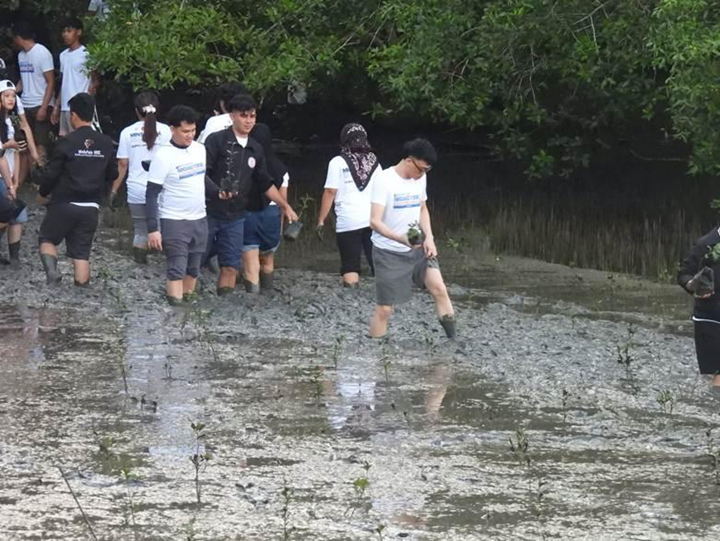
Restoring Mangroves and Preserving Indigenous Fish Species
Mangrove restoration at the Baluan Mangrove SanctuaryOn 28 November 2025, MSU–Maguindanao and partner state universities and colleges under MinSuPala-IRDC planted 107 mangrove seedlings at the Baluan Mangrove Sanctuary as the environmental action component of the 1st Mindanao Forum on Waters and Natural Resources. Mangroves protect coastlines, filter land-based pollution and provide nursery habitat for fish and other aquatic species, so restoring them maintains and extends a threatened coastal ecosystem.MSU-Maguindanao together with Partner universities and stakeholders plant 107 mangrove seedlings at the Baluan Mangrove Sanctuary, 28 November 2025.Preserving indigenous fish speciesInland waters in Maguindanao are home to native fish species valued for food, livelihood and culture. In 2025, the University launched the second phase of the MinSuPala-IRDC project “Establishment and Preservation of Indigenous Fish and Crop Products,” supported by a ₱5-million allocation from the Department of Budget and Management.On 23–25 July 2025, the project team met the Local Government Units of Cotabato City, Kabuntalan, Talitay, Datu Piang and Northern Kabuntalan, and ran a Prioritization Tool Survey in which community leaders, farmers and fisherfolk identified the indigenous species most important to preserve. Earlier key informant interviews had pointed to native fish such as haluan, native katipa and popoyu. The LGUs committed to partner with the project, which now moves to community-based conservation of the species identified.The MinSuPala-IRDC team with LGU partners during the July 2025 coordination meetings for the preservation of indigenous fish and crop species.
December 15, 2025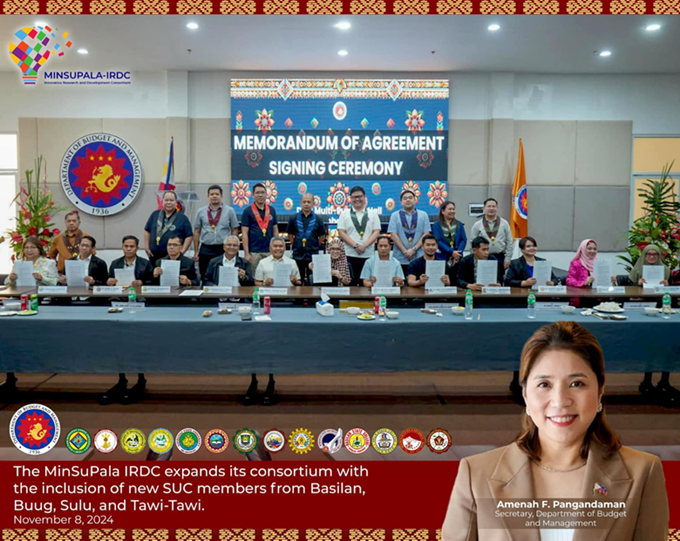
Working with Communities to Protect Shared Waters
Rivers, lakes and marshes are shared resources, and MSU–Maguindanao works with local communities, governments and partner institutions to manage them together.A regional consortium for shared watersMSU–Maguindanao leads MinSuPala-IRDC, which expanded in 2025 after a Memorandum of Agreement signed on 13 November 2024 at the Department of Budget and Management Region XI welcomed six more state universities and colleges from Basilan, Buug, Sulu and Tawi-Tawi.Through the consortium, the University hosted a stakeholder consultation on 27 February 2025 where researchers, MAFAR–BARMM, the Bangsamoro Planning and Development Authority, DOST–PCAARRD, provincial environmental offices, LGU officials and fisherfolk associations reviewed research on Ligawasan Marsh, Lake Buluan, the Rio Grande de Mindanao and Lake Lanao, and identified shared priorities for protecting habitats, preventing pollution and sustaining inland fisheries.Signing of the MinSuPala-IRDC expansion agreement at DBM Region XI, Davao City, 13 November 2024.Researchers, government representatives, LGU officials and community stakeholders at DOS Gymnasium, MSU-MaguindanaoRestoring mangroves with partner universitiesOn 28 November 2025, the University joined partner state universities and colleges and local stakeholders in planting 107 mangrove seedlings at the Baluan Mangrove Sanctuary, turning the discussions of the 1st Mindanao Forum on Waters and Natural Resources into shared action on the ground.MSU–Maguindanao and partners at the mangrove-growing activity of the 1st Mindanao Forum on Waters and Natural Resources, November 2025.
December 13, 2025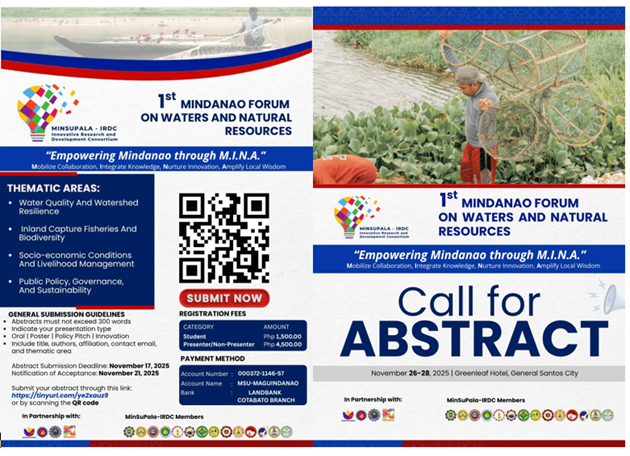
Bringing Mindanao Together for Its Lakes, Rivers and Marshes
In 2025, MSU–Maguindanao organized and co-organized two major events promoting the conservation and sustainable use of inland and marine aquatic resources.1st Mindanao Forum on Waters and Natural ResourcesOn 26–28 November 2025, MinSuPala-IRDC, led by MSU–Maguindanao Chancellor Dr. Bai Hejira Nefertiti M. Limbona, held the 1st Mindanao Forum on Waters and Natural Resources at Greenleaf Hotel, General Santos City, with the Mindanao Development Authority (MinDA) and the National Research Council of the Philippines (NRCP). More than 170 researchers, faculty, policymakers and development partners from nine state universities and colleges, government agencies, local governments and communities took part.Under the theme “Empowering Mindanao through M.I.N.A.,” the forum presented research on water quality, inland capture fisheries, watershed conditions and community livelihoods in Lake Lanao, Ligawasan Marsh, Lake Buluan, Lake Sebu, the Rio Grande de Mindanao and the Pulangi River, building on Phase 1 research funded by the Department of Budget and Management. Through presentations, policy workshops and innovation sessions, participants turned these findings into recommendations for freshwater conservation, sustainable inland fisheries and better water governance.Poster of the 1st Mindanao Forum on Waters and Natural Resources and its four thematic areas.Mr. John Louie C. Natan of MSU–Maguindanao presents research findings at the Forum.Second Philippine Small-Scale Fisheries National SymposiumMSU–Maguindanao also co-hosted the national symposium of the National Consortium for Small-Scale Fisheries Research and Development (TBTI Philippines) on 21–23 October 2025 at the MSU Main Campus, Marawi City. Through a keynote lecture, seven plenary sessions and parallel sessions across eight themes, from inland and marine fisheries and governance to climate resilience, gender and technology, more than 300 participants shared approaches to protecting aquatic resources while sustaining fishing livelihoods.Delegates at the Second Philippine Small-Scale Fisheries National Symposium, 21–23 October 2025.
December 3, 2025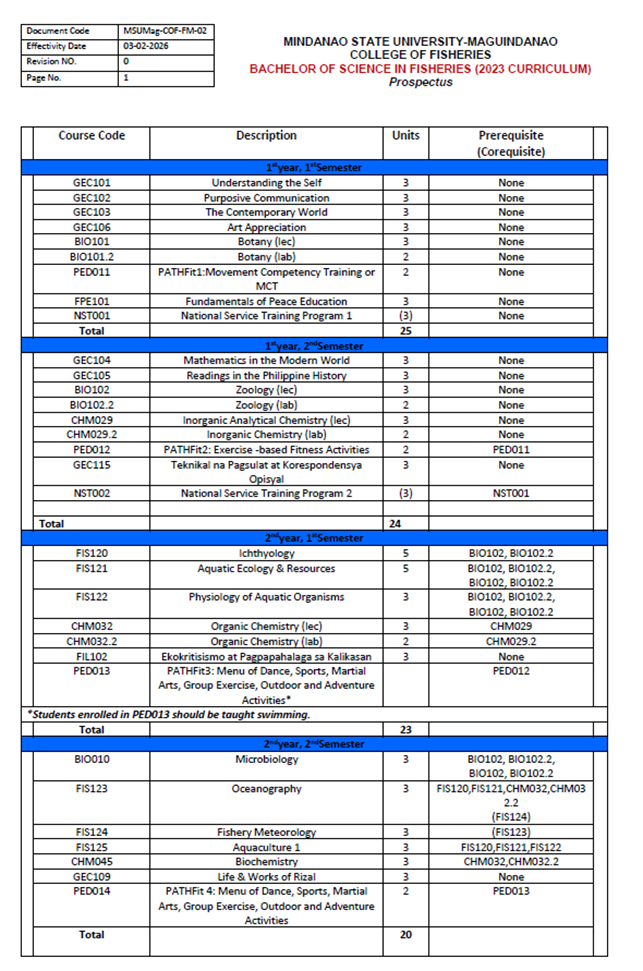
Advancing Freshwater Ecosystem Education and Community-Based Training in Water Quality Monitoring, Sustainable Fisheries, and Water Resource Management
Access to quality education, scientific knowledge, and practical training plays an important role in protecting freshwater ecosystems and promoting the sustainable use of water resources. Mindanao State University–Maguindanao (MSU–Maguindanao) supports these objectives through its academic programs, research initiatives, extension activities, and partnerships with government agencies, higher education institutions, and local communities. Through these initiatives, the University provides educational opportunities and practical learning experiences in fisheries, aquaculture, freshwater ecosystem conservation, water quality monitoring, irrigation, and water resource management. Its approach connects formal academic instruction with field-based learning, technical demonstrations, research dissemination, and community engagement.Academic Programs in Fisheries, Aquaculture, and Water Resource ManagementThe University's academic offerings provide a foundation for developing professionals and technical personnel in fisheries, aquaculture, and agricultural water management. These include the Bachelor of Science in Fisheries (BS Fisheries), with a curriculum totaling 180 units; the Diploma in Fisheries Technology major in Aquaculture, with 125 units; and the Diploma in Fisheries Technology major in Fish Processing, with 124 units. The University also offers the Bachelor of Science in Agricultural and Biosystems Engineering (BS ABE), with a curriculum totaling 193 units.These programs cover relevant areas such as aquatic ecology, capture fisheries, sustainable aquaculture, fisheries management, fish processing, irrigation and drainage engineering, hydrometeorology, and land and water conservation engineering. Through these academic offerings, students acquire scientific knowledge and technical competencies applicable to freshwater resource management, sustainable fisheries production, aquaculture operations, and efficient agricultural water utilization.Through the BS Fisheries program, the University develops future fisheries professionals and practitioners equipped with the knowledge and competencies needed to work in fisheries resource management, aquatic ecosystem conservation, aquaculture, and related fields. Upon graduation, BS Fisheries graduates can serve as fisheries professionals, practitioners, technical personnel, researchers, and extension workers who can contribute to the sustainable management of freshwater and other aquatic resources.The University's academic programs and community extension activities also support access to education and capacity development. Community-based orientations, training sessions, technical demonstrations, and extension activities are provided free of charge to participating local communities, fisherfolk, farmers, and other stakeholders.BS FISHERIES PROGRAM PROSPECTUSDiploma in Fisheries Technology Major in Fish Processing ProspectusDiploma in Fisheries Technology Major in Aquaculture ProspectusBS Agricultural and Biosystem EngineeringFree Community-Based Training and Environmental EducationBeyond formal classroom instruction, the University extends freshwater ecosystem education through practical environmental monitoring and collaboration with local government units. On June 30, 2025, through its College of Forestry and Environmental Science, MSU–Maguindanao partnered with the Ministry of Environment, Natural Resources and Energy–Environmental Management Services (MENRE–EMS), BARMM, and the Local Government Unit of Datu Odin Sinsuat to launch the Brar River Pilot Water Sampling Program and continue water quality monitoring of the Simuay River.An orientation conducted at the University's College of Forestry and Environmental Science introduced faculty members, students, and LGU personnel to standardized water-sampling procedures and waterbody classification. The activity provided practical exposure to environmental monitoring and strengthened the capacity of academic and local stakeholders to assess river conditions and support freshwater resource protection. MENRE–EMS continues regular water sampling at three established monitoring stations along the Simuay River. Building on the University's Adopt-an-Estero partnership established in 2022, this initiative promotes awareness of upstream water quality and the importance of preventing land-based pollution from reaching downstream aquatic and coastal ecosystems.These orientations and learning activities are conducted as part of the University's community service and extension efforts, with no training fee charged to participating community members and local stakeholders.Lecture and orientation on standardized water-sampling procedures and waterbody classification.Dissemination and Stakeholder Education on Freshwater EcosystemsThe University also promotes research-based education and knowledge sharing through the Mindanao-Sulu-Palawan Innovative Research and Development Consortium (MinSuPala–IRDC). On February 27, 2025, MSU–Maguindanao convened a stakeholder consultation involving researchers from participating state universities and colleges, government agencies, local government units, and fisherfolk associations.The consultation presented research findings on the environmental conditions of four important inland water bodies: Ligawasan Marsh, Lake Buluan, Rio Grande de Mindanao, and Lake Lanao. The assessments covered water quality, inland capture fisheries, watershed conditions, and socioeconomic factors affecting aquatic ecosystem health. Discussions focused on research-based recommendations for watershed management, water pollution reduction, aquatic biodiversity conservation, and ecosystem protection and restoration. By bringing together researchers and local stakeholders, the activity provided an opportunity to share scientific information and connect research findings with local environmental concerns and resource management priorities.A participant sharing insights during the MinSuPala–IRDC Stakeholders' Consultation on February 27, 2025.Knowledge Exchange on Water and Natural ResourcesRegional education and knowledge exchange were further strengthened through the University's support for the First Mindanao Forum on Waters and Natural Resources, held on November 26–28, 2025, in General Santos City through MinSuPala–IRDC. The forum brought together more than 170 researchers, faculty experts, policymakers, and development partners from nine state universities and colleges, together with government agencies, local government units, and community stakeholders.Through research presentations, policy workshops, and discussions, participants examined scientific assessments of water quality, inland capture fisheries, watershed conditions, and community livelihoods across major Mindanao water bodies, including Lake Lanao, Ligawasan Marsh, Lake Buluan, Lake Sebu, Rio Grande de Mindanao, and Pulangi River. The forum provided a platform for sharing scientific findings and translating research into recommendations for freshwater ecosystem conservation, sustainable inland fisheries management, and improved water resource governance. It also strengthened collaboration and knowledge exchange among academic institutions, government agencies, and communities.MSU–Maguindanao faculty members presenting research findings on water quality, inland capture fisheries, watershed conditions, and community livelihoods across major Mindanao water bodies.Community-Based Aquaculture and Livelihood TrainingCommunity-based education also extends to fisheries and aquaculture livelihood development. Through its partnership with the Office of the Presidential Adviser on Peace, Reconciliation, and Unity (OPAPRU), MSU–Maguindanao has implemented agricultural livelihood initiatives in Camps Abubakar, Badre, and Omar in support of the Comprehensive Agreement on the Bangsamoro.Initiated in 2023 and continuing in 2025, these initiatives provide former Moro Islamic Liberation Front combatants, their families, farmers, and community organizations with educational sessions, hands-on demonstrations, and learning visits on fish farming, aquaculture production, and enterprise development. Participants gain practical knowledge and skills in aquaculture operations, product handling, storage, packaging, and branding. These activities help extend technical knowledge beyond the University and support household food production, livelihood opportunities, and community-based aquaculture enterprises.The training and learning activities provided under these community-based initiatives are free for participating beneficiaries, helping local communities gain access to practical knowledge and skills without the cost of formal training.MSU–Maguindanao, in partnership with OPAPRU, demonstrates climate-smart aquaculture through tilapia and African catfish (hito) production in a community-based fish farming facility under the Science-and-Technology-Based and Climate-Smart Mixed Farming System, supporting sustainable livelihoods, food security, and economic opportunities for beneficiary communities in Camps Abubakar, Omar, and Badre.Partnerships Supporting Community Education and Environmental ManagementThe University's educational, research, and extension initiatives are supported by partnerships with government agencies, higher education institutions, research organizations, and local stakeholders. These include MENRE–EMS and local government units for river monitoring and environmental protection; the Ministry of Agriculture, Fisheries and Agrarian Reform (MAFAR–BARMM), DOST–PCAARRD, and other regional agencies for aquatic resource research and conservation; and participating state universities and colleges under MinSuPala–IRDC for research collaboration, knowledge exchange, and science-based policy development.These partnerships help translate academic and scientific knowledge into practical learning opportunities, environmental monitoring activities, and community-oriented resource management initiatives.Contribution to Freshwater Ecosystem Education and Sustainable Resource ManagementThrough its academic programs, practical environmental activities, research consultations, regional forums, and community-based training, MSU–Maguindanao provides educational opportunities for students, local government personnel, researchers, fisherfolk, farmers, and community organizations. Its initiatives strengthen knowledge and practical competencies in freshwater ecosystem assessment, water quality monitoring, watershed management, aquatic biodiversity conservation, sustainable fisheries, aquaculture production, irrigation, and efficient agricultural water utilization.By integrating formal education with hands-on environmental activities, research dissemination, and community engagement, the University contributes to strengthening local and regional capacity for the responsible management, conservation, and sustainable use of freshwater and aquatic resources.These continuing efforts demonstrate the University's commitment to education as an instrument for environmental sustainability and community development. Through the development of skilled graduates, practical learning opportunities for local stakeholders, and sustained collaboration with government and research institutions, MSU–Maguindanao contributes to promoting informed decision-making, protecting freshwater ecosystems, and supporting the responsible use of water resources for present and future generations.
December 3, 2025