SDG14
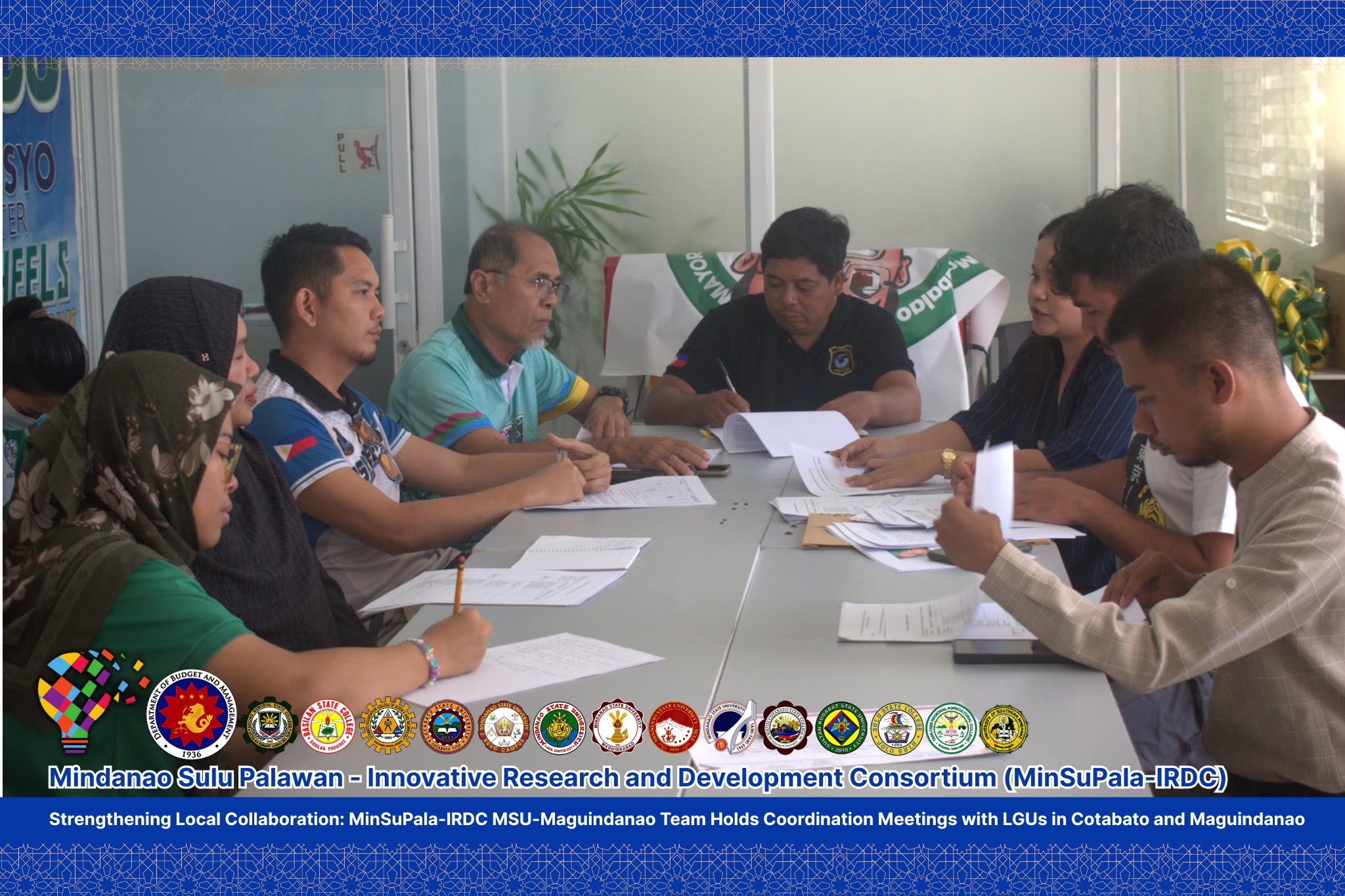
Strengthening Local Collaboration: MinSuPala-IRDC MSU-Maguindanao Team Holds Coordination Meetings with in Cotabato City and Maguindanao Del Norte for Preservation of Indigenous Crops and Fish Species
In a series of productive dialogues held from July 23 to 25, 2025, the MSU-Maguindanao MinSuPala-IRDC project team convened coordination meetings with the Local Government Units (LGUs) of Cotabato City, Kabuntalan (Maguindanao del Norte), Talitay (Maguindanao del Norte), Datu Piang (Maguindanao del Sur), and Northern Kabuntalan (Maguindanao del Norte). These meetings served as a vital platform for launching the second phase of the consortium’s flagship project titled “Establishment and Preservation of Indigenous Fish and Crop Products.”Strengthening Local Collaboration: MinSuPala-IRDC MSU-Maguindanao Team Holds Coordination Meetings with LGUs in Cotabato and Maguindanao for Phase 2 ProjectThe project aims to protect and promote indigenous fish and crop species that are vital to the culture, livelihood, and food traditions of local communities in the region. By enhancing food security and supporting sustainable farming and fishing practices, the initiative seeks to improve the well-being of local populations. As part of the coordination meetings, the MinSuPala-IRDC team conducted the Prioritization Tool Survey, which allowed community leaders, farmers, and fisherfolk to identify the most important indigenous species for preservation. Their input will guide the research team on conducting the Phase 2 project.Local Government Units (LGUs) expressed strong support and committed to partnering with the project team. They recognized the potential of the project to help preserve natural resources and improve community life. The meetings also strengthened the collaboration between MSU-Maguindanao and the LGUs, setting a solid foundation for Phase 2.The success of these coordination meetings was made possible through the unwavering support of MSU-Maguindanao Chancellor Bai Hejira Nefertiti M. Limbona, whose leadership continues to inspire innovation and collaboration across the university’s research and extension initiatives. The active participation of the project team members—composed of faculty researchers and staff—ensured meaningful engagements with stakeholders and facilitated the smooth conduct of the activity. With this collective effort, the project is now well-positioned to move forward with more focused, community-based actions to conserve and sustain indigenous fish and crop species for future generations.
August 26, 2025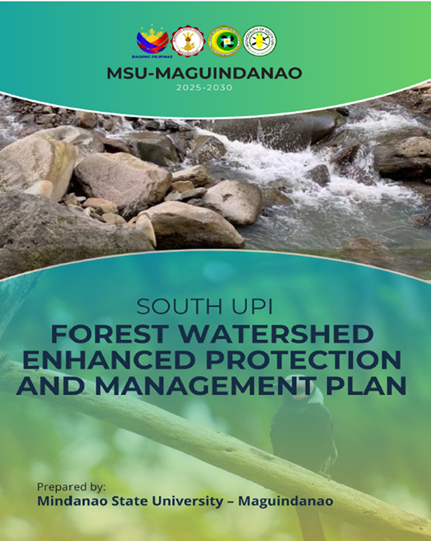
Protecting the South Upi Watershed, from Forest to Fish
Healthy watersheds keep rivers clean and aquatic habitats intact. In 2025, MSU–Maguindanao developed the South Upi Forest Watershed Enhanced Protection and Management Plan (2025–2030) through the research project “Characterization of South Upi Forest Watershed cum Landslide Vulnerability Assessment: Basis for Enhanced Protection and Management Plan,” funded by the Ministry of Science and Technology–BARMM (MOST–BARMM).The plan covers about 1,894 hectares across five barangays of South Upi, Maguindanao del Sur: Romangaob, Looy, Bongo, Kigan and Pandan. Baseline data collection, GIS mapping, biodiversity and habitat profiling and landslide vulnerability assessment identified the pressures on the watershed: illegal logging, land conversion, unsustainable farming, soil erosion, landslides, biodiversity loss and potential degradation of water quality.The five-year plan responds with seven strategies:Watershed zoning and protection of critical and environmentally sensitive areasSustainable land-use management to limit forest degradation and soil erosionForest rehabilitation through assisted natural regeneration, agroforestry and native species plantingBiodiversity and habitat conservationWater resource management to protect water sources and water qualityCommunity-based environmental protectionEnvironmental monitoring and institutional coordinationThe plan was built with the people who live in the watershed. LGUs, Indigenous Teduray communities, farmers and other stakeholders took part in field assessments and consultations, contributing local and traditional knowledge to the plan. In February 2025, the University also trained South Upi and North Upi LGU personnel in advanced QGIS mapping so they can monitor land use and update the plan themselves.The strategy is grounded in the aquatic species of the area. MinSuPala-IRDC assessments of inland capture fisheries and the 2025 community prioritisation of indigenous fish species, including haluan, native katipa and popoyu, identify the species that depend on clean, well-protected waters downstream.South Upi Forest Watershed Enhanced Protection and Management Plan (2025–2030).MSU–Maguindanao and MOST–BARMM researchers with local officials and members of the Indigenous Teduray community during field assessment and consultation.
August 7, 2025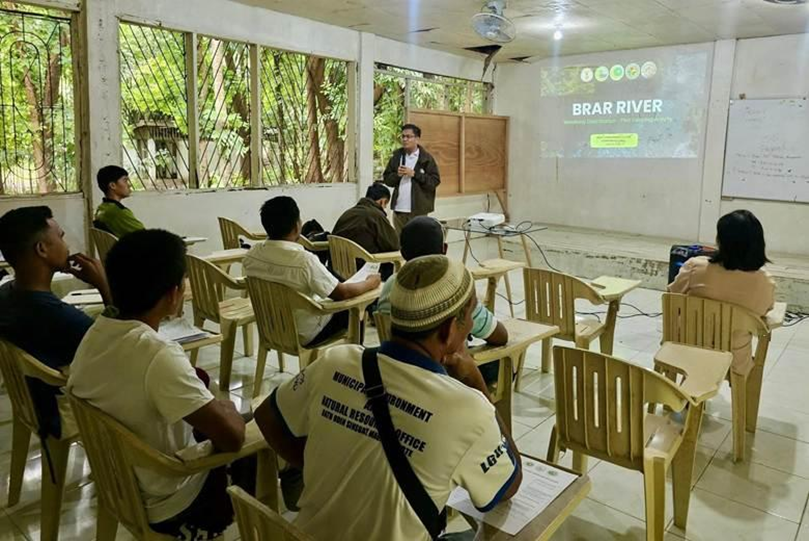
Teaching Communities to Protect Their Freshwater Ecosystems
In 2025, MSU–Maguindanao offered free education on freshwater ecosystems to local governments, agencies, fisherfolk and students in Maguindanao del Norte and del Sur, covering river water sampling, the condition of major inland water bodies, and the mapping skills needed to manage water ecosystems. All of these activities were offered free of charge to participants.These activities and outreach programs are supported by the University’s degree programs in fisheries, aquaculture and agricultural water management, which develop the professionals who carry this knowledge into the field. The offering of the Bachelor of Science in Fisheries (BS Fisheries), with a curriculum totaling 180 units cover relevant areas such as aquatic ecology, capture fisheries, sustainable aquaculture, fisheries management, fish processing. The Bachelor of Science in Agricultural and Biosystems Engineering (BS ABE) covers irrigation and drainage engineering, hydrometeorology, and land and water conservation engineering. Likewise, the Bachelor of Science in Forestry and the Bachelor of Science in Environmental Studies provide guidance on watershed management, landslide susceptibility mapping, and ecosystem valuation. These degree programs prepare the professionals who carry the technical skills and knowledge into the communities.Training local governments to monitor their riversOn 30 June 2025, the faculty from Bachelor of Science in Forestry in partnership with the Ministry of Environment, Natural Resources, and Energy–Environmental Management Services (MENRE–EMS) of BARMM and the Local Government Unit (LGU) of Datu Odin Sinsuat (DOS) launched the Brar River Pilot Water Sampling Program. An orientation trained faculty members, students and LGU personnel in standardized water-sampling procedures and waterbody classification under the Philippine Clean Water Act (Republic Act No. 9275), giving local partners the skills to assess river conditions themselves.Orientation on standardized water-sampling procedures and waterbody classification for faculty, students and LGU personnel, 30 June 2025.Sharing research on Mindanao’s inland watersOn 27 February 2025, MSU–Maguindanao convened a MinSuPala-IRDC stakeholder consultation with researchers from other state universities and colleges: University of Southern Mindanao-Kidapawan City Campus (USM-KCC), Cotabato State University (CotSU), and Adiong Memorial State College (AMSC), government agencies including Ministry of Agriculture, Fihseries and Agrarian Reform (MAFAR–BARMM), the Bangsamoro Planning and Development Authority (BPDA), Department of Science and Technology – Philippine Council for Agriculture, Aquatic and Natural Resources Research and Development (DOST–PCAARRD) and provincial environmental offices, local government units and fisherfolk associations. The stakeholders' meeting provided a plated for the researchers to present their assessments on water quality, fisheries, watershed conditions, and socio-economic factors affecting the critical water bodies such as Ligawasan Marsh, Lake Buluan, the Rio Grande de Mindanao, and Lake Lanao. The findings provide scientific data for policy-making and conservation strategies aimed at protecting these ecosystems while ensuring their socio-economic benefits for local communities.Bringing together experts and stakeholders during the Stakeholders' Consultation Meeting hosted by MSU–Maguindanao at the DOS Gymnasium, 27 February 2025.Building watershed mapping skillsOn 5–7 February 2025, the project team of the Ministry of Science and Technology (MOST)-funded project “Characterization of South Upi Forest Watershed cum Landslide Vulnerability Assessment: basis for enhanced protection and management plan" conducted the Application Training on Advanced Quantum Geographic Information System (QGIS) at the Balay Silangan Conference Hall in Nuro, Upi, for personnel of the Local Government Units of South Upi and North Upi and MENRE-BARMM. Participants learned to produce land use and land cover maps and to apply geospatial tools to watershed management and landslide vulnerability assessment.The Application Training on Advanced Quantum Geographic Information System (QGIS) guided the participants to develop susceptibility mapping and overlay analyses
July 25, 2025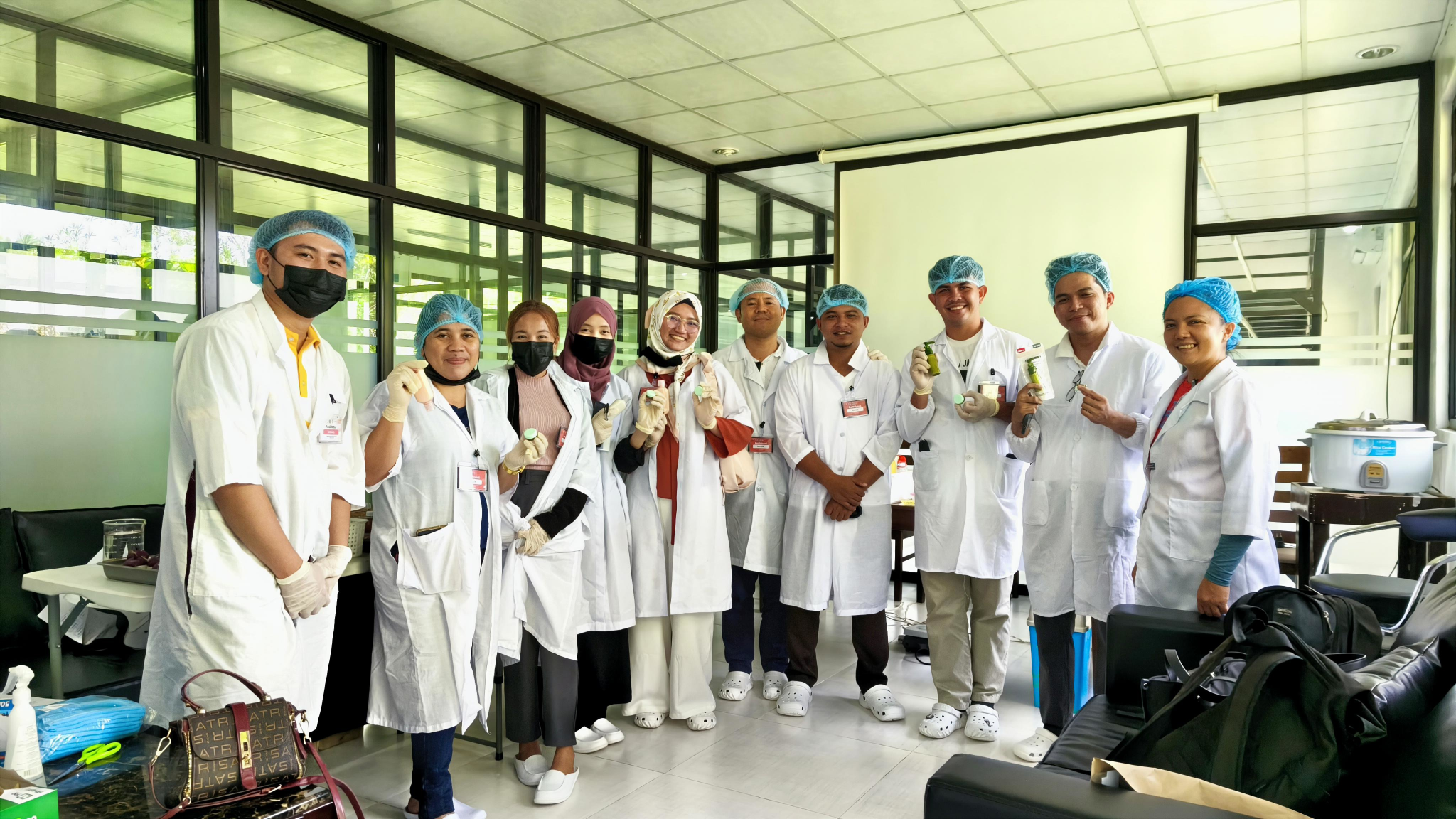
MSU-Maguindanao and MinSuPala–IRDC Harness the Nutritional and Economic Potential of Indigenous Species
The Mindanao State University–Maguindanao joined forces with 12 other State Universities and Colleges (SUCs) across Mindanao for an intensive "Training-Workshop on Preliminary Nutritional Assays of Indigenous Crops and Fishes for Product Development" hosted by MSU-General Santos. Funded by the Department of Budget and Management (DBM) under the MinSuPala–Innovative Research and Development Consortium (IRDC), the three-day initiative trained regional researchers to perform advanced laboratory assays to analyze and commercialize native aquatic and agricultural species.Nutritional Analysis TrainingThrough hands-on laboratory sessions, researchers evaluated raw indigenous fish and crops to build precise nutritional profiles and create high-value product prototypes, including functional food items, nutraceuticals, and cosmeceuticals. Dr. Bai Hejira Nefertiti M. Limbona, the Chancellor of MSU-Maguindanao, Atty. Shidik T. Abantas, the Chancellor of MSU-GenSan, and Dr. Christine Dawn G. Obemio, the MSU-GenSan Vice Chancellor for Research, championed the multi-institutional network that unties academic institutions from mainland Mindanao to island provinces like Basilan, Sulu, and Tawi-Tawi.This high-impact initiative advances sustainable management and protection of indigenous crops and fishes to avoid significant adverse impacts; effectively regulate harvesting; and implement science-based management plans by supporting small-scale fishers. By converting raw native fish into high-value nutritional products, it equips local institutions to maximize the economic returns of indigenous species without increasing fishing pressure. Through these collaborative efforts, MSU-Maguindanao accelerates scientific innovation that strengthens regional food security, protects aquatic biological resources, and elevates local livelihoods.
July 8, 2025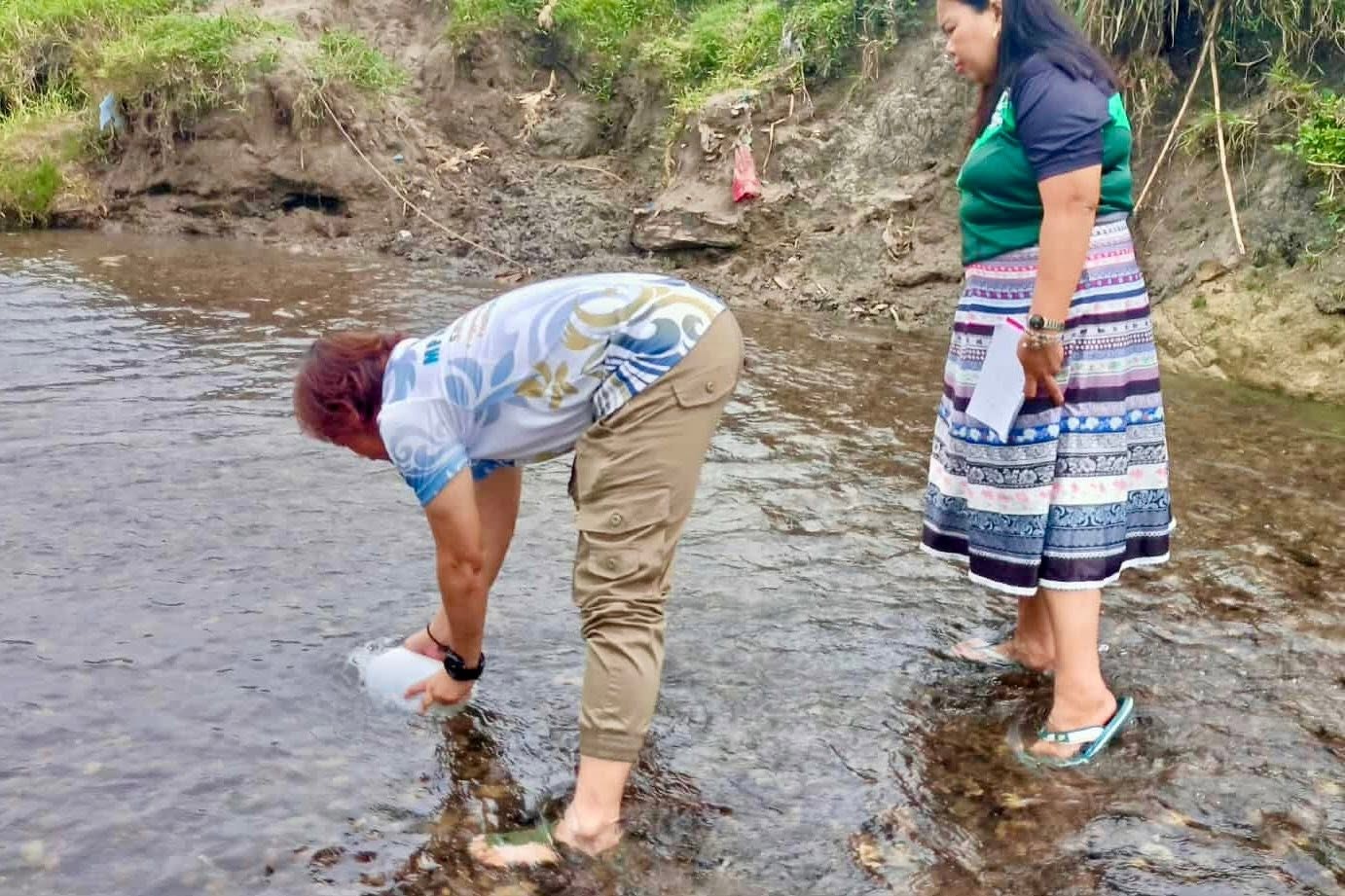
MSU-Maguindanao, MENRE-BARMM, and LGU DOS Mobilize Joint River Water Quality Monitoring and Protection Initiative
The Mindanao State University–Maguindanao, through the College of Forestry and Environmental Science (CFES), joined forces with the BARMM Ministry of Environment, Natural Resources, and Energy - Environmental Management Services (MENRE-EMS) and the Local Government Unit of Datu Odin Sinsuat (LGU-DOS) to launch the Brar River Pilot Water Sampling Program and continue water quality monitoring for the Simuay River.Water samplingThe program was officially launched during an orientation held at the MSU-Maguindanao CFES Hall, introducing faculty, students, and LGU personnel to standardized water sampling procedures and waterbody classification. Led by Dr. Rowena Benavides, the CFES Dean, together with representatives of the LGU of Datu Odin Sinsuat, headed by Engr. Muslimin Paglala, the activity trained academic and local stakeholders in hands-on environmental monitoring in accordance with Republic Act No. 9275, or the Philippine Clean Water Act of 2004. In parallel, MENRE-EMS continues regular water sampling across three established monitoring stations along the Simuay River.Lecture and orientation on the sampling activityBuilding on the Adopt-an-Estero partnership started in 2022, this team effort stops trash from rivers and streams from reaching the ocean, keeping marine life safe while helping scientists learn more about protecting our waters. By tracking upstream river quality and training students in scientific sampling methods, the partners prevent land-based pollutants from reaching downstream aquatic and coastal ecosystems. Moving forward, MSU-Maguindanao remains committed to expanding its research and extension efforts to protect local watersheds and promote sustainable environmental governance.
June 30, 2025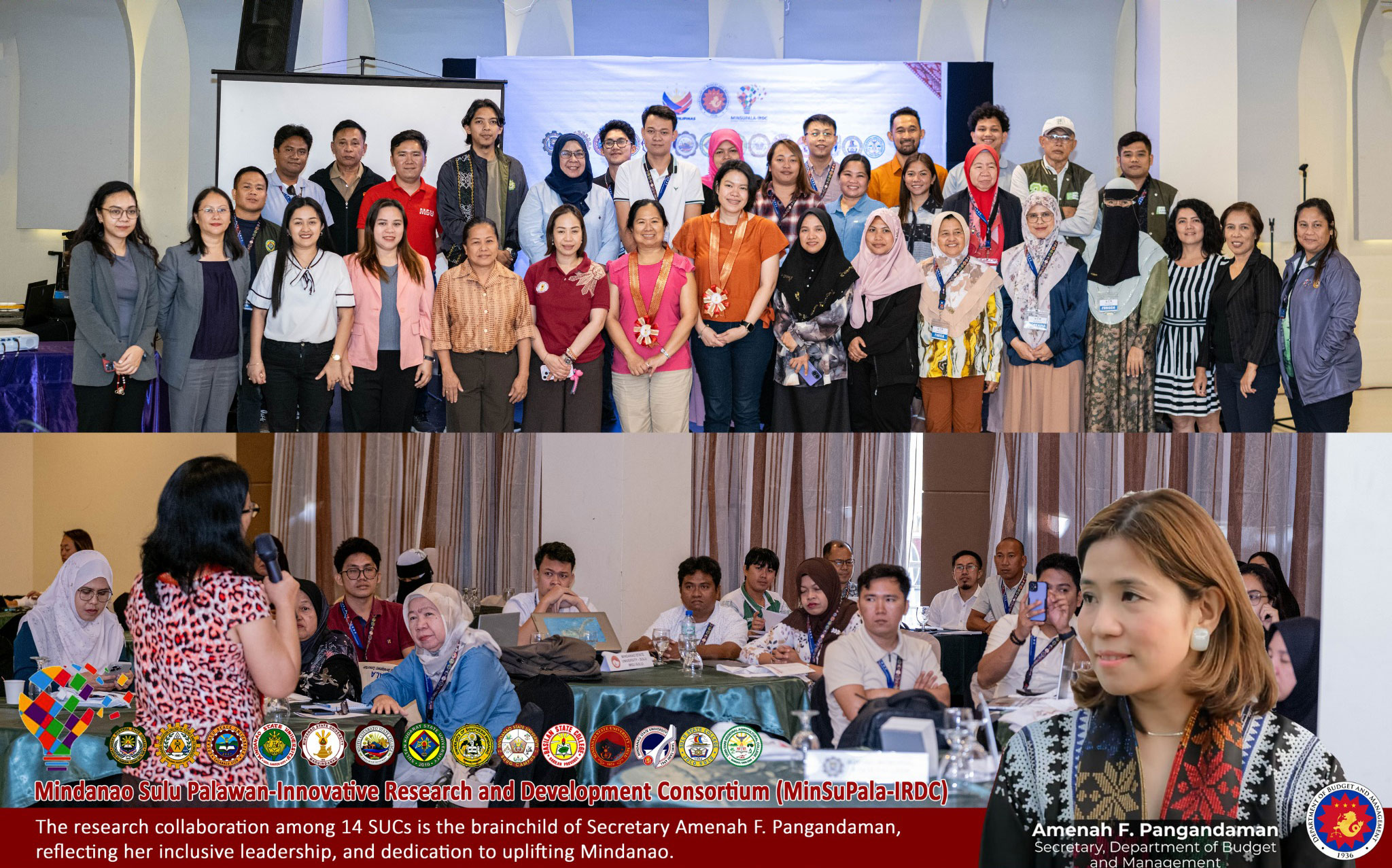
MSU-Maguindanao and MinSuPala–IRDC Transform Aquatic Research into Actionable Policy Solutions
The Mindanao State University–Maguindanao and State Universities and Colleges (SUCs) under the Mindanao-Sulu-Palawan Innovative Research and Development Consortium (MinSuPala–IRDC) executed an intensive two-day Policy Brief Writeshop at the Oroderm City Functions and Events Place, Davao City. The writeshop trained 40 researchers and technical personnel to convert Phase 1 scientific data into high-impact, policy-oriented briefs for decision-makers and regional government agencies.Policy Brief WriteshopLed by UP-CIDS Executive Director Dr. Rosalie Arcala Hall and UP Diliman Teaching Fellow Ms. Honey Lou Alerta, the workshop guided participants through policy structuring, concise framing, and expert review. Researchers synthesized empirical findings on water quality, inland capture fisheries, watershed systems, and socio-economic dynamics across major Central Mindanao water bodies into clear policy recommendations ready for submission to regulatory bodies.This strategic initiative aims to sustainably manage and protect water ecosystems to avoid significant adverse impacts by strengthening their resilience and taking action for their restoration. In addition, it also strengthens research capacity and knowledge transfer By bridging the gap between field research and regional governance, the consortium equips local institutions to deliver evidence-based regulations that protect inland fisheries and aquatic ecosystems. Through these sustained efforts, MSU-Maguindanao reinforces its role as a key driver of environmental protection and community resilience in Central Mindanao.
June 3, 2025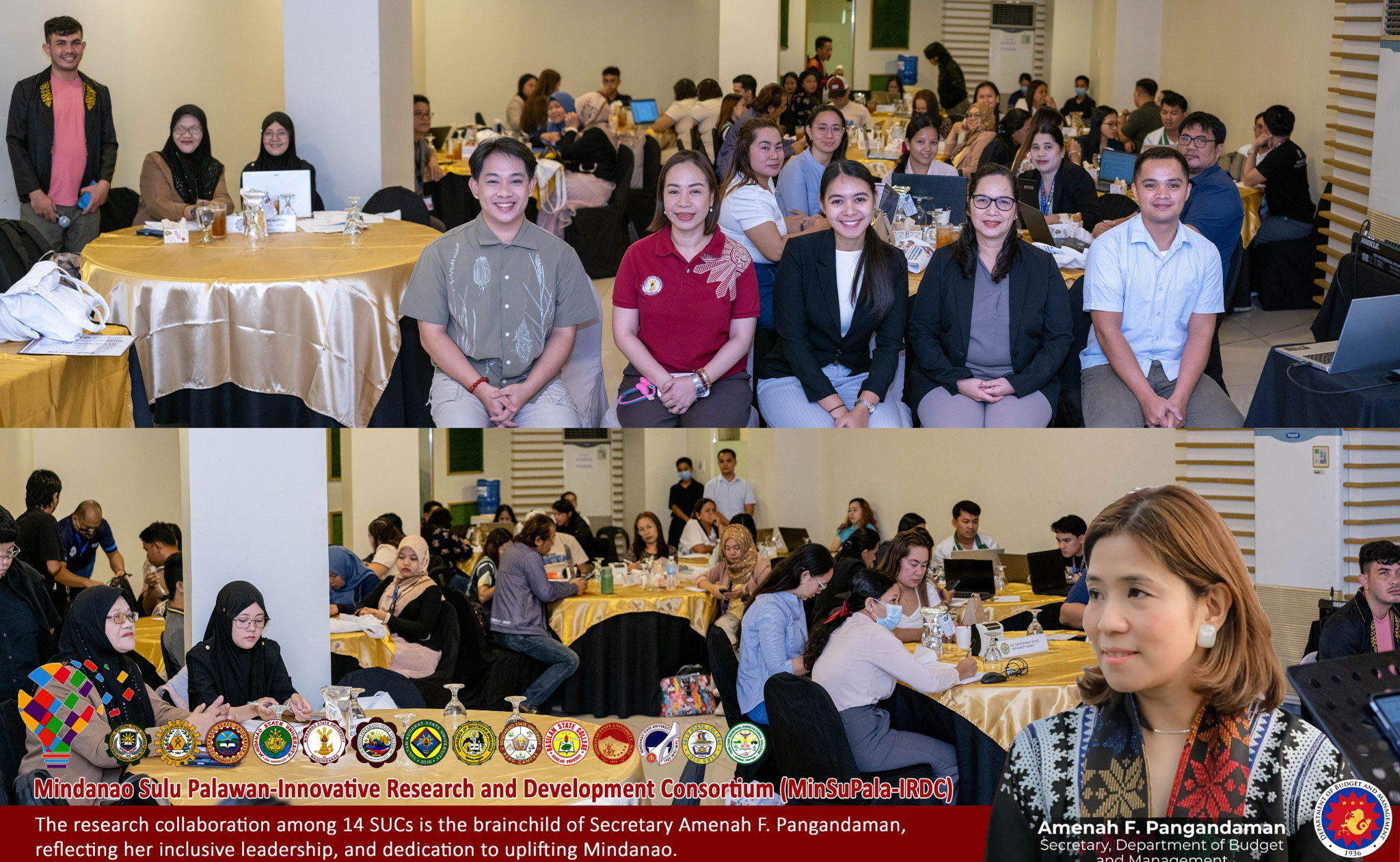
MSU-Maguindanao and MinSuPala–IRDC Empower Regional Researchers to Advance Indigenous Fish and Crop Value Chains
The Mindanao State University–Maguindanao and State Universities and Colleges (SUCs) under the Mindanao-Sulu-Palawan Innovative Research and Development Consortium (MinSuPala–IRDC) executed an intensive two-day workshop on "Designing Survey Tools and Protocols for Market Potential and Value Chain Analysis of Indigenous Species" at the Oroderm City Functions and Events Place, Davao City. The training equipped regional researchers with standardized, evidence-based methodologies to evaluate the commercial viability, economic value, and market systems of native crops and aquatic species.MSU Maguindanao joined MinSuPala IRDC training and workshopThe workshop featured technical training modules led by Asst. Prof. Shemaiah Gail P. Placencia and Ms. Carol Q. Balgos from the UP Mindanao Agri-Aqua Value Chain Laboratory, alongside a session on the Women, Peace, and Security (WPS) agenda by Assoc. Prof. Grant Warren D. Lu of MSU-Maguindanao. Under the guidance of Dr. Raquel D. Santiago-Arenas, the Vice Chancellor for Research, Innovation, and Sustainable Engagements of MSU-Maguindanao, participating researchers evaluated Phase 1 findings and co-developed a unified prioritization framework and standardized research protocol for Phase 2 implementation.This strategic capacity-building initiative accelerates progress toward increasing scientific knowledge and research capacity; protecting the socio-economic wellbeing and food security of indigenous fishing communities; and supporting small-scale fisheries by improving infrastructure, supply chains, and market access.By standardizing value chain assessment tools for native fish species, it empowers local institutions to generate actionable data that advance sustainable fisheries management, boost fisherfolk income, and inform evidence-based policy across Mindanao, Sulu, and Palawan. Having these sustained efforts, MSU-Maguindanao continues to transform academic research into tangible economic and environmental solutions for coastal and aquatic communities.
June 3, 2025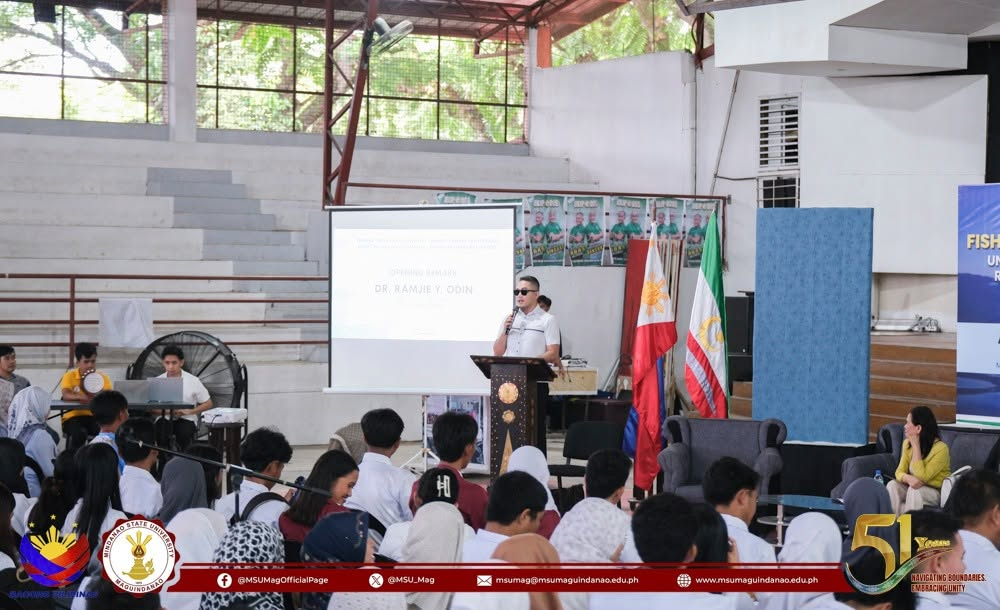
MSU-Maguindanao Champions Small-Scale Fisheries Governance in Policy Seminar on Municipal Waters
The Mindanao State University–Maguindanao College of Fisheries convened an expert-led seminar titled "Understanding the Supreme Court Ruling Allowing Commercial Fishing in Municipal Waters" at the Datu Odin Sinsuat Gymnasium. The event was organized to equip future fisheries professionals with legal literacy, addressing critical governance challenges surrounding commercial access to municipal waters and the protection of local fishing livelihoods.Dr. Ramjie Y. Odin opens the program.The seminar featured Atty. Mohammad Muktadir A. Estrella, the BARMM Ministry of Social Services and Development Director General. He discussed the legal foundations of the Supreme Court ruling, municipal government mandates under Republic Act No. 8550 (Philippine Fisheries Code), and Bangsamoro autonomy under Republic Act No. 11054. In addition, Dr. Mohammadtaha S. Pendaliday, the BARMM Ministry of Agriculture, Fisheries, and Agrarian Reform (MAFAR) Director, also detailed regional regulatory frameworks. With the guidance of Dr. Ramjie Y. Odin, Dean of the College of Fisheries, and supported by Chancellor Bai Hejira Nefertiti M. Limbona, the participants finalized the session with a Commitment Wall signing to champion municipal fisheries protection.Atty. Mohammad Muktadir A. Estrella sharing his insightsThis decisive educational drive advances effective regulation of effective fishing practices and implement science-based management plans. It targets sustainable management and protection of water ecosystems.By training students and faculty in complex fisheries jurisprudence, the university builds essential institutional capacity to safeguard small-scale fishing rights and prevent overexploitation in Bangsamoro municipal waters. Through these proactive initiatives, MSU-Maguindanao strengthens its role as a key driver of evidence-informed policy enforcement and sustainable marine governance.
May 5, 2025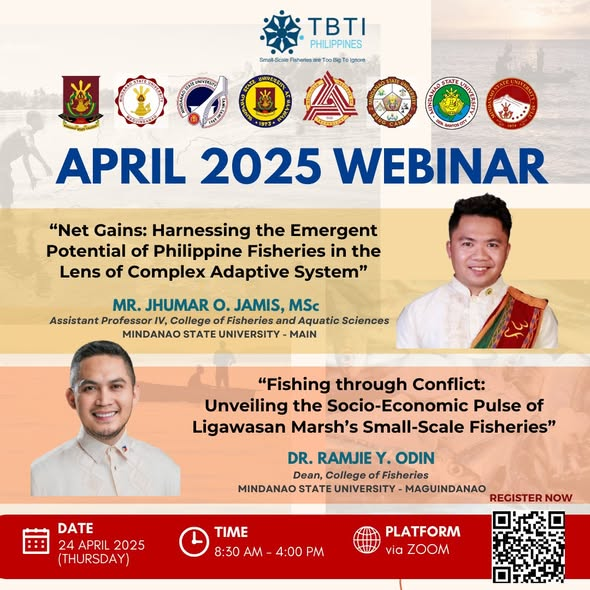
MSU-Maguindanao Advances Small-Scale Fisheries Knowledge for Sustainable Aquatic Resource Management
In collaboration with partner institutions across the Mindanao State University System, the Mindanao State University–Maguindanao spearheaded knowledge-sharing efforts during the nationwide TBTI Philippines 2025 April Webinar Series. The platform brought together researchers, faculty, students, and practitioners to address critical challenges and opportunities in small-scale fisheries, seaweed development, and sustainable aquatic resource management across the country.PubmatDr. Ramjie Y. Odin, Dean of the College of Fisheries, delivered a featured presentation entitled "Fishing through Conflict: Unveiling the Socio-Economic Pulse of Ligawasan Marsh's Small-Scale Fisheries." His talk highlighted the lived socio-economic realities of local fishing communities navigating complex conflict environments in Ligawasan Marsh. Moreover, complementary presentations from partner researchers explored complex adaptive fisheries systems, science-based seaweed cultivation, and coastal fishing practices in Zamboanga Sibugay.This national engagement directly supports small-scale fishers; targets the increase of scientific knowledge and research capacity; and promotes sustainable fisheries management.By translating field research into actionable insights for inclusive governance, the university brings the needs of vulnerable inland fishers to the forefront of national policy discussions. Through these dedicated efforts, the university bridges field-level realities with scientific discourse to foster resilient aquatic ecosystems and coastal livelihoods.
April 25, 2025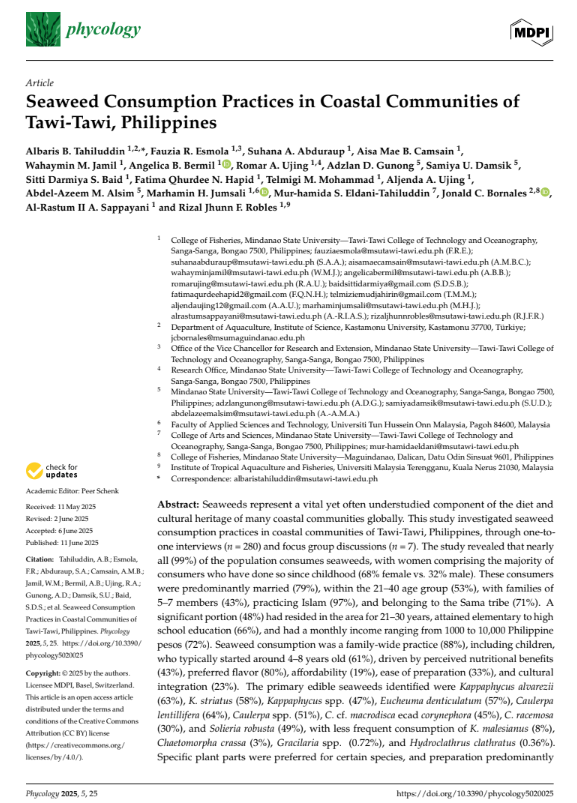
Seaweed Consumption Practices in Coastal Communities of Tawi-Tawi, Philippines
Jonald C. Bornales of Mindanao State University–Maguindanao, working alongside Albaris B. Tahiluddin from MSU–Tawi-Tawi and an international team of researchers, surveyed 280 residents across seven coastal municipalities to document how local communities prepare and value edible seaweed. Despite seaweed being deeply rooted in the Bangsamoro diet, systematic data on consumption habits and health perceptions had remained limited.By combining community surveys with seven focus group discussions, the team uncovered a strong culinary tradition that heavily relies on family heritage. The study was published in the journal Phycology. The findings show that 95% of participants learned how to prepare and eat seaweed directly from older generations. These local families value seaweed not only as a daily dietary staple, but also as a accessible source of essential nutrition that supports household food security.This research directly advances the increase of scientific knowledge and develops research capacity, while also advancing zero hunger and responsible consumption and production, by highlighting sustainable marine resource use and safeguarding local food heritage. Ultimately, by putting real numbers behind these age-old habits, the team offers local leaders the evidence they need to design better nutrition programs and keep these healthy and ocean-based food traditions alive.
February 6, 2025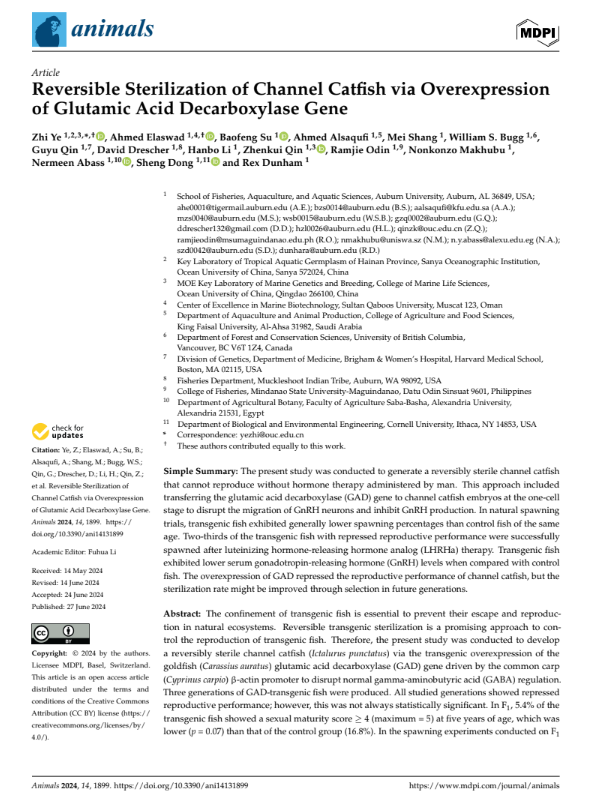
Reversible Sterilization of Channel Catfish via Overexpression of Glutamic Acid Decarboxylase Gene
Dr. Ramjie Y. Odin from Mindanao State University–Maguindanao joined an international research team led by Auburn University to tackle one of modern aquaculture's trickiest dilemmas: keeping genetically modified fish from breeding with wild populations if they ever escape. Supported by the U.S. Department of Agriculture, the scientists tested a biological containment strategy on channel catfish (Ictalurus punctatus) by overexpressing the glutamic acid decarboxylase (GAD) gene to temporarily shut down natural reproduction.Over three generations, the team introduced a goldfish GAD gene construct into catfish embryos using electroporation to suppress essential reproductive hormones. Published in the journal Animals, the results showed a noticeable drop in natural breeding, with only 27.8% of the modified catfish spawned on their own compared to 75% of the untreated control fish. When researchers administered targeted hormone injections, several suppressed fish successfully spawned, which proves that fertility can indeed be turned back on when needed.This milestone directly advances SDG 14: Life Below Water by laying the groundwork for safer and more controlled aquatic biotechnology. While the method still needs fine-tuning before commercial use, it gives scientists and fish farmers a realistic path toward protecting wild aquatic ecosystems without giving up on sustainable fish farming innovations.
January 7, 2025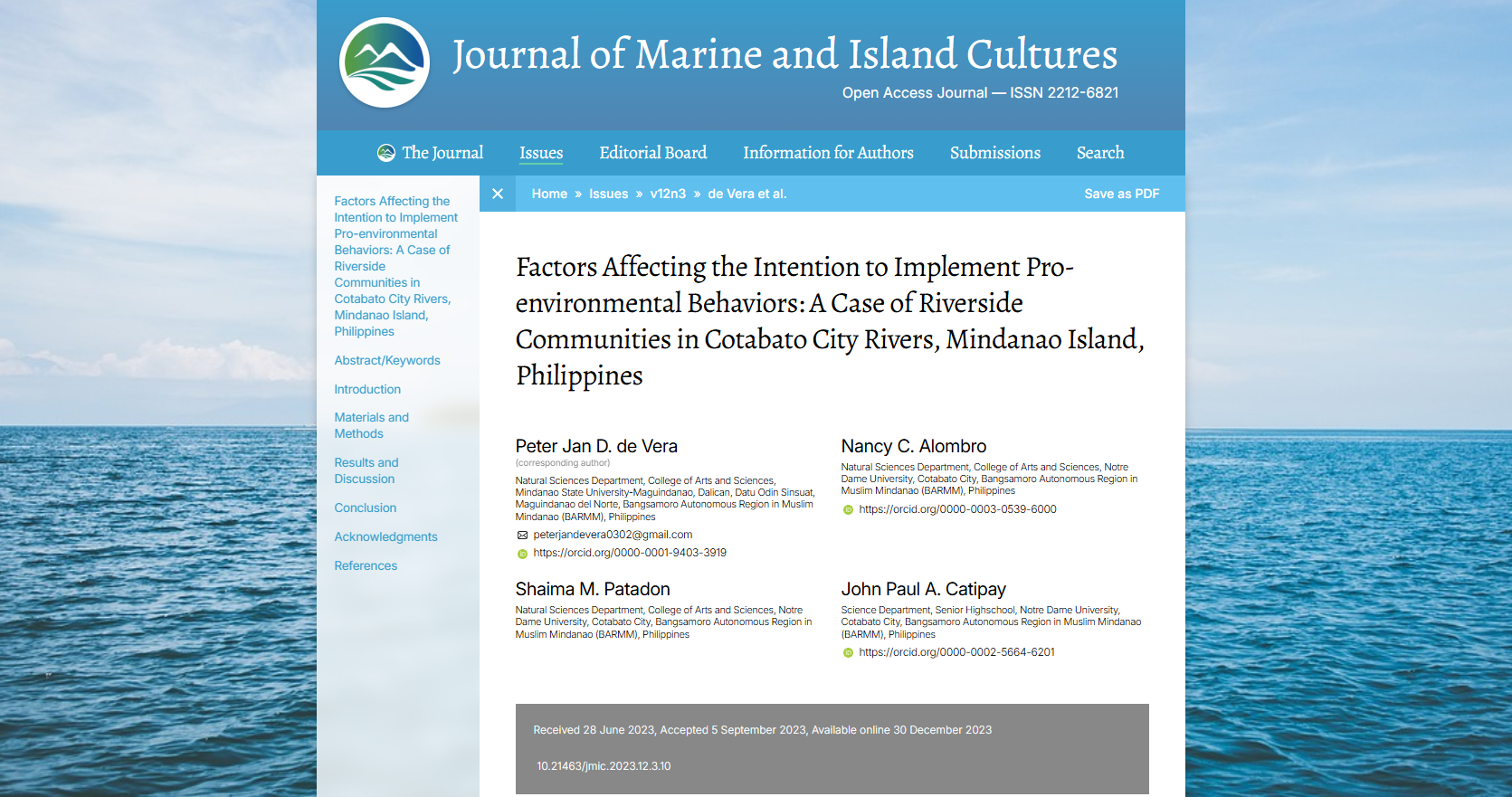
Factors Affecting the Intention to Implement Pro-environmental Behaviors: A Case of Riverside Communities in Cotabato City Rivers, Mindanao Island, Philippines
Dr. Peter Jan D. de Vera, the lead researcher from Mindanao State University–Maguindanao, alongside collaborators from Notre Dame University, investigated the key drivers behind community-led environmental practices across 15 riverside barangays in Cotabato City. The study was funded by the Ministry of Science and Technology (MOST-BARMM) which evaluated how residents living along the Matampay, Tamontaka, Esteros, and Rio Grande de Mindanao Rivers view waste management and river conservation before these waterways empty into Ilana Bay.Journal PublicationApplying the Theory of Planned Behavior and analyzing 387 validated household surveys through Structural Equation Modeling, the researchers mapped out direct links between social mindsets and action. Moreover, the study was published in the Journal of Marine and Island Cultures. The findings reveal that community expectations (subjective norms) and personal mindsets (attitudes) strongly shape a resident's willingness to adopt eco-friendly habits. The study also highlighted notable gender differences in how residents perceive their own control over environmental choices.This research directly supports the elimination of land-based water pollution) and protection of water-related ecosystems.By identifying what actually motivates riverbank communities to care for their local waterways, the team provides local barangay leaders and BARMM policymakers with clear evidence to build better waste management drives. Rather than relying on top-down mandates, these insights help local leaders design community-driven cleanup initiatives that truly resonate with the people living along the riverbanks.
December 30, 2023