SDG4
Quality Education
Ensure inclusive and equitable quality education and promote lifelong learning opportunities for all.
MSU–Maguindanao’s SULONG-Agham program records significant gains in Grade 7 learners’ scientific literacy
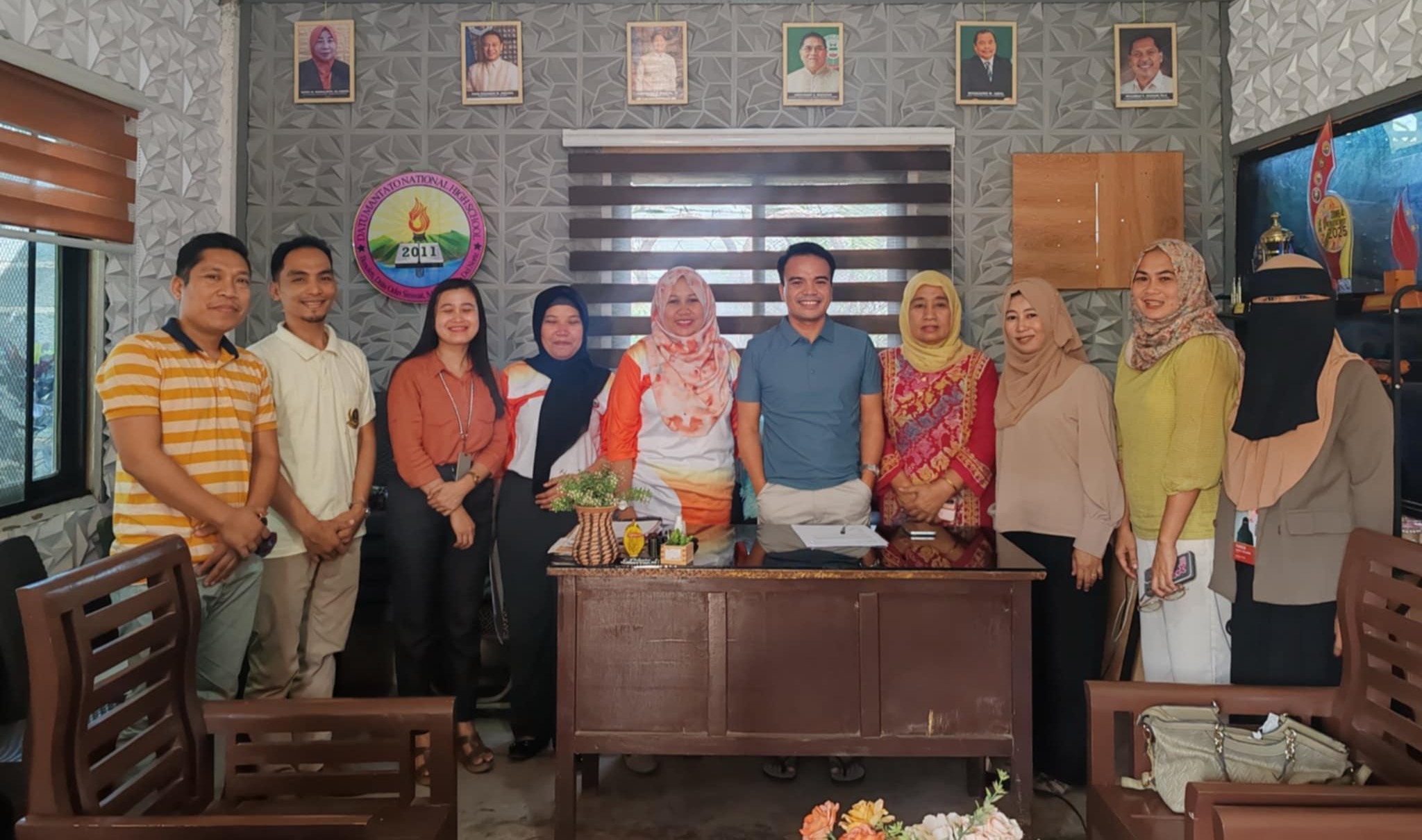
Mindanao State University–Maguindanao (MSU–Maguindanao), through the College of Education and its Bachelor of Secondary Education major in Sciences (BSEd–Sciences) program, implemented the KAGKATAW NU BANGSAMORO: SULONG-Agham Scientific Literacy Program in partnership with Datu Mantato National High School in Barangay Benolen, Datu Odin Sinsuat, Maguindanao del Norte. The extension initiative provided targeted science-learning support to 12 selected Grade 7 learners and engaged 12 BSEd–Sciences pre-service teachers as facilitators under faculty supervision.The program responded to learning gaps identified through school consultations, teacher recommendations, academic records, and a baseline diagnostic assessment. The assessment focused on conceptual understanding, scientific reasoning, inquiry, interpretation of scientific information, and science-related problem-solving. These findings informed the selection of learners who needed additional support in science.MSU–Maguindanao project personnel and Datu Mantato National High School representatives during a coordination meeting for the SULONG-Agham Scientific Literacy ProgramMSU–Maguindanao developed the SULONG-Agham Science Intervention Modules aligned with the Grade 7 MATATAG Science Curriculum. Reviewed by science education specialists and experienced faculty members, the modules incorporated inquiry-based learning, collaborative activities, locally relevant examples, simple scientific investigations, formative assessments, and reflective learning activities. The materials were designed to connect science concepts with situations familiar to learners.The program commenced on March 30, 2026, at Datu Mantato National High School. Reported sessions followed on April 10, 17 and 24; May 1, 8, 22 and 29, 2026. Learners participated in activities involving scientific models, hypotheses, falling objects, household chemistry, microscopy and cells, force and motion, Earth systems, and the Sun’s influence on Earth. Faculty members supervised the sessions, while the 12 pre-service teachers facilitated small-group learning and gained practical experience in inquiry-based instruction, classroom management, assessment, and learner facilitation.Pre- and post-program assessments showed an increase in the learners’ mean scientific literacy score from 9.500 (SD = 1.679) to 16.833 (SD = 6.548). A paired-samples t-test reported a statistically significant difference (t = –4.72, p < .001). The mean gain was 7.333 points, or approximately 77.2% of the pre-test mean. These results indicate that the participating learners performed better after the intervention. Because the report does not identify a control or comparison group, the results should not be presented as proof that the program alone caused the improvement.The initiative also strengthened the partnership between MSU–Maguindanao and Datu Mantato National High School. In addition to learner support, the program provided the 12 pre-service teachers with supervised teaching experience and generated reusable instructional resources. The project team formally turned over the developed science intervention modules and related instructional materials to the partner school, creating an opportunity for their continued use beyond the original intervention.BSEd–Sciences pre-service teachers participate in a hands-on workshop in preparation for facilitating the SULONG-Agham sessionsThe program supports efforts to improve the quality of primary and secondary education by providing learners with relevant learning experiences and opportunities to develop the knowledge and skills needed for continued learning. It also contributes to the preparation of future science teachers through supervised teaching practice and the development of instructional competencies. The documented evidence supports these educational contributions; however, the report does not provide direct measures of broader environmental or peacebuilding outcomes.Through SULONG-Agham, MSU–Maguindanao connected science-education expertise with a learning need identified by a partner public school. The assessment results and turnover of instructional materials provide a basis for future improvement and possible continuation of the intervention. Follow-up assessment and documentation of the school’s subsequent use of the modules would help establish whether the learning gains and resources are sustained.
July 18, 2026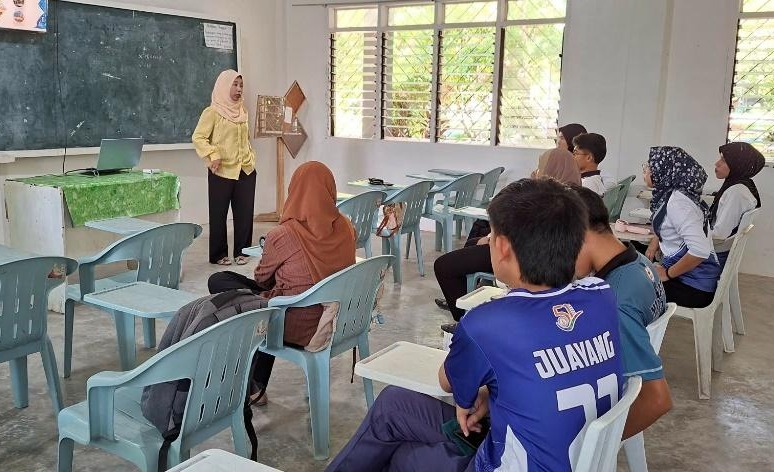
MSU–Maguindanao’s BANGON-Math program records learning gains among Grade 7 learners
Mindanao State University–Maguindanao (MSU–Maguindanao), through the College of Education and its Bachelor of Secondary Education major in Mathematics (BSEd–Mathematics) program, implemented the KAGKATAW NU BANGSAMORO: BANGON-Math Numeracy Program in partnership with Datu Mantato National High School in Barangay Benolen, Datu Odin Sinsuat, Maguindanao del Norte. The extension initiative provided targeted numeracy support to 12 selected Grade 7 learners and engaged 12 BSEd–Mathematics pre-service teachers as facilitators under faculty supervision.The program responded to learning needs identified through stakeholder coordination and a needs assessment. The University worked with school administrators, Mathematics teachers, parents or guardians, and other stakeholders to identify learners’ numeracy gaps and contextual learning needs. Learners participated voluntarily with parental consent.Workshop for BSEd–Mathematics pre-service teachers preparing to facilitate the BANGON-Math sessions.A key output was the development of contextualized BANGON-Math Numeracy Learning Modules aligned with the Grade 7 MATATAG Mathematics Curriculum. Reviewed by Mathematics education experts and faculty members, the modules incorporated mathematical games, guided practice, collaborative learning, real-life problem-solving, and activities promoting cooperation, respect, empathy, inclusion, responsible citizenship, and peace awareness.The program began on March 30, 2026, at Datu Mantato National High School and delivered 10 interactive numeracy sessions. Faculty members supervised the intervention and mentored the pre-service teachers, who gained practical experience in learner-centered instruction, contextualized teaching, facilitation, classroom management, and community engagement. The partner school supported coordination with teachers, learners, and families.Pre- and post-program assessments provided measurable evidence of learning gains. The participating learners’ mean assessment score increased from 8.167 before the intervention to 13.500 afterward; the reported difference was statistically significant (t = 5.53, p < .001). These results indicate improved performance among the participating learners following the program. Because the report does not identify a comparison group, the findings should not be interpreted as proof that the intervention alone caused the improvementThe BANGON-Math project team formally submits its terminal report to the school head of Datu Mantato National High School.The initiative strengthened collaboration between MSU–Maguindanao and Datu Mantato National High School while connecting community extension activities with teacher preparation. Through the College of Education, the University applied its academic expertise to address a locally identified educational need and provided pre-service teachers with supervised opportunities to develop their instructional skills in an actual school setting. By supporting teaching practice, strengthening educators’ competencies, and responding to learners’ needs, the initiative contributes to efforts to improve the quality of learning and help students acquire the knowledge and skills needed for continued education.The BANGON-Math Numeracy Program illustrates how university-school collaboration can connect identified learning needs with contextualized teaching materials, direct learner support, and outcome monitoring. The results provide a basis for reviewing the modules and strengthening future extension activities.
July 16, 2026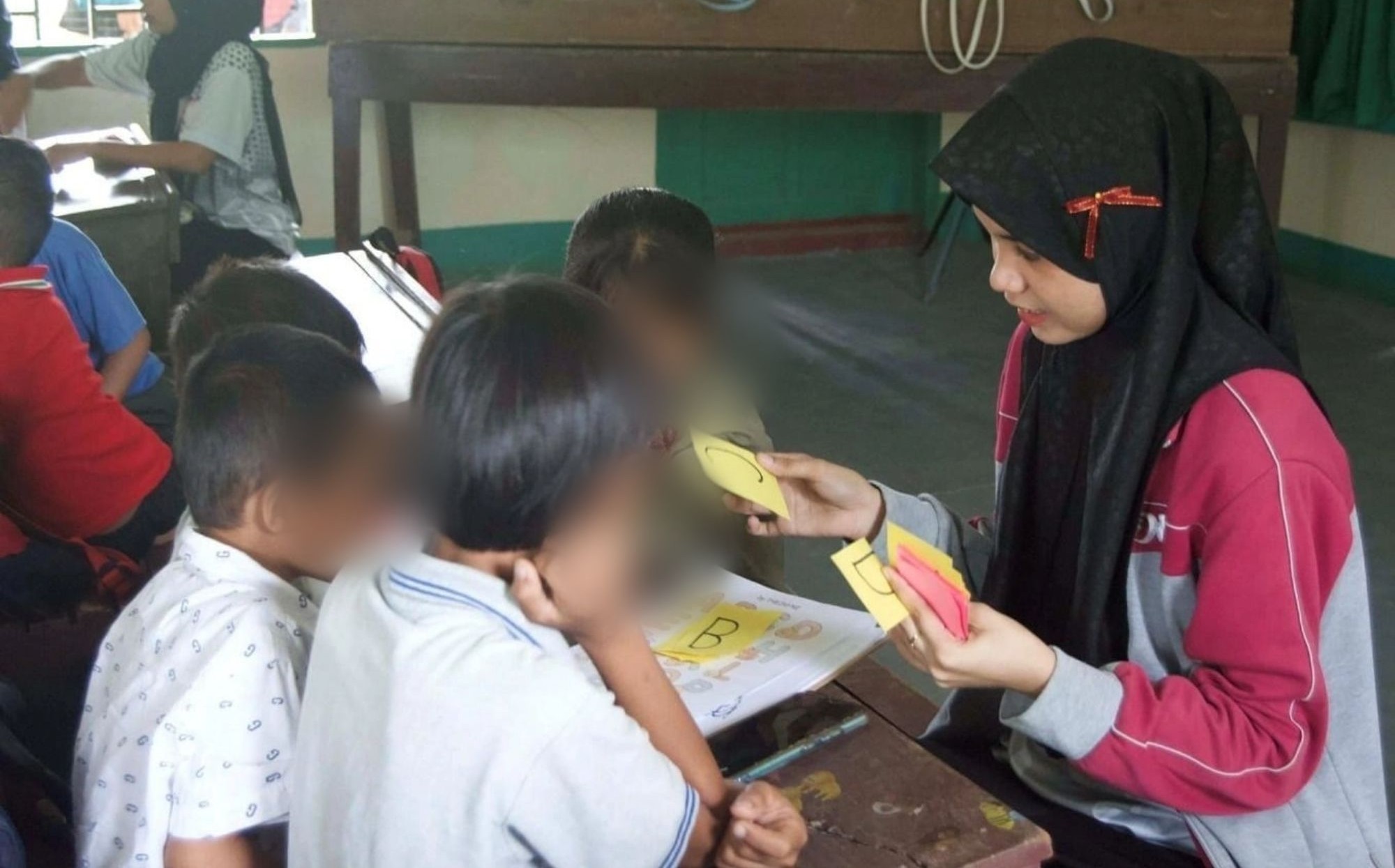
MSU–Maguindanao literacy and numeracy program helps struggling young learners improve foundational skills
Mindanao State University–Maguindanao (MSU–Maguindanao), through the College of Education and the National Service Training Program (NSTP) Office, implemented the Basic English (Reading and Writing) Literacy and Numeracy Program in partnership with Adaon Elementary School and Barangay Adaon. The initiative provided targeted instruction in reading, writing, and arithmetic to 30 identified Grade 1 and Grade 2 learners who needed additional support with foundational skills.LTS student facilitators provide hands-on reading and learning support to participating elementary learners.The program responded to diagnostic assessments and classroom observations that identified substantial learning gaps. At baseline, 26 of the 28 learners assessed in reading (92.86%) were classified at the non-reader or frustration level, while two (7.14%) were at the instructional level; none read independently. The report also identified weaknesses in writing and basic arithmetic, alongside challenges with letter-sound recognition, word decoding, sentence construction, number concepts, attention, retention, and learner confidence.Participants and university and partner-school representatives during the opening ceremony of the literacy and numeracy extension program.MSU–Maguindanao mobilized faculty supervision and 29 Literacy Training Service (LTS) students to deliver the intervention. Across 21 reported sessions, facilitators worked on English sounds and phonics, word and sentence reading, comprehension, spelling, paragraph writing, number recognition, place value, arithmetic operations, and mathematical problem-solving. Learning activities included guided practice, games, drills, collaborative tasks, hands-on exercises, and individualized remediation.The program was designed around the learners’ local language and learning context. Because Maguindanaon and Filipino were the primary languages used in their daily lives and English exposure was limited, facilitators used repetition, review, varied activities, and one-to-one support to respond to different learning needs. A feeding component, conducted from April 18 to May 31, 2026, also supported learner well-being and continued participation.Post-assessment results showed substantial improvement in reading among the 28 learners assessed. Fourteen learners (50.00%) reached the independent reading level and 13 (46.43%) reached the instructional level; one learner (3.57%) remained at the frustration level. In total, 27 of 28 learners (96.43%) were classified at the instructional or independent levels after the intervention. The report also states that 74.19% attained Fair to Excellent performance in writing and 51.62% attained Proficient or Advanced performance in arithmetic. These writing and arithmetic figures should be confirmed against the original assessment tables before publication.The intervention also provided practical training for the 29 LTS students, who worked under faculty supervision to plan lessons, tutor learners, monitor progress, and adapt instruction to individual needs. Adaon Elementary School gained an extension partner and additional support for learners requiring remediation, while the project strengthened coordination among the University, school personnel, parents or guardians, and barangay stakeholders.The program helped primary learners strengthen foundational reading, writing, and numeracy skills needed for continued learning. Post-assessment results showed improvements in reading proficiency, with most assessed learners reaching the instructional or independent reading levels. These outcomes demonstrate progress toward ensuring that children complete primary education with relevant foundational competencies. However, the report did not measure longer-term effects on learner retention, grade progression, or subsequent academic achievement.Through this extension initiative, MSU–Maguindanao applied its academic and community-service functions to an identified learning need in Barangay Adaon. The assessment results provide a basis for refining future literacy and numeracy support, while follow-up assessments and reconciled learner records would help determine whether the gains are sustained.
June 25, 2026Progress and Info
Ensure inclusive and equitable quality education and promote lifelong learning opportunities for all.
Quality Education