SDG1
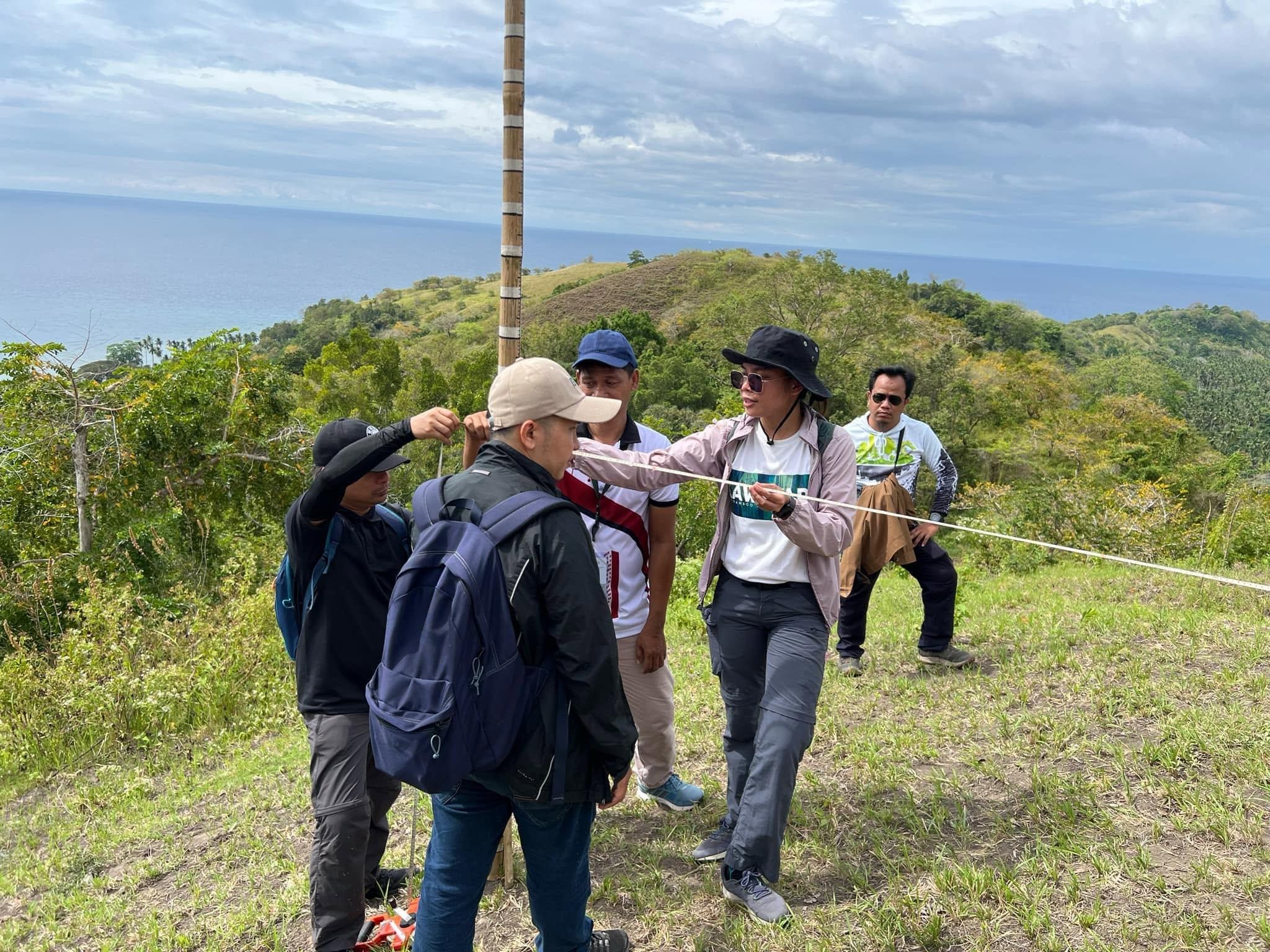
Training of Trainers on Agroforestry Establishment and Development: Leveraging ALCAMS for Effective Land Assessment
Mindanao State University–Maguindanao, through its College of Forestry and Environmental Studies (CFES), partnered with the University of the Philippines Los Baños–Institute of Agroforestry (UPLB-IAF) conducted the Training of Trainers on Agroforestry Establishment and Development: Leveraging the Agroforestry Land Capability Assessment and Mapping Scheme (ALCAMS) for Effective Land Assessment from February 25–27, 2025. Supported by a DOST-PCAARRD-funded project, the training aimed to strengthen local capacity for sustainable land management and climate-resilient livelihoods in Datu Blah Sinsuat, Maguindanao.Training session on ALCAMS and agroforestry development, demonstrating the integration of scientific knowledge and practical land-management approachesThe three-day activity combined discussion, field assessments, and practical agroforestry planning. Participants learned to use ALCAMS to assess slope, vegetation, and soil conditions. Field exercises in Barangay Nalkan enabled them to apply these techniques and develop site-specific agroforestry plans suited to local land characteristics.The training brought together faculty and students from forestry, agriculture, and engineering programs, representatives from other Mindanao State University campuses, and personnel from the Ministry of Environment, Natural Resources and Energy (MENRE). Participants also prepared re-entry action plans to apply their learning in their respective institutions and communities.By strengthening technical skills in land assessment and agroforestry planning, the initiative supports sustainable land use, soil and water conservation, and livelihood diversification. These practices can help farming households protect productive resources, manage climate-related risks, and develop more resilient livelihood opportunities.Through continued application of these skills, trained participants can help communities make informed land-use decisions and promote sustainable agroforestry practices across climate-vulnerable areas of the Bangsamoro region.Training session on ALCAMS and agroforestry development, demonstrating the integration of scientific knowledge and practical land-management approaches
April 23, 2026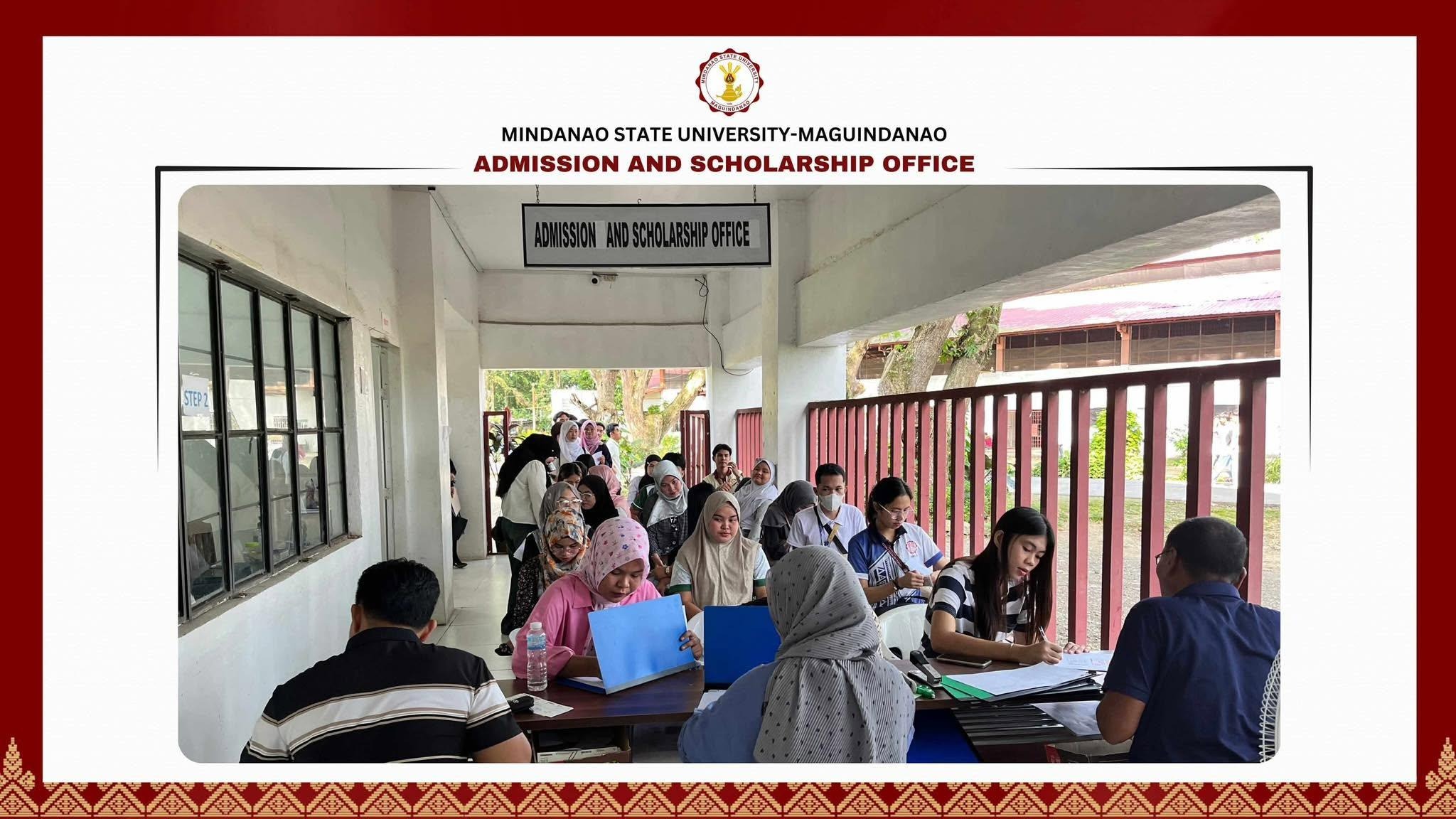
MSU–Maguindanao Distributes Tulong Dunong Allowances to 103 Scholars
Mindanao State University–Maguindanao, through its Admission and Scholarship Office, distributed the first-semester allowances to 103 scholars under the Tulong Dunong Program (TDP) for Academic Year 2024–2025 on December 11, 2025. With financial assistance facilitated through the Commission on Higher Education’s Unified Student Financial Assistance System for Tertiary Education (CHED-UniFAST), the initiative provided direct support for students’ educational needs.The distribution at the University's Admission and Scholarship Office enabled qualified scholars to receive their allowances through the established scholarship assistance process. This collaboration highlights the role of public higher education institutions in connecting government-funded student support with the needs of learners pursuing their degrees.By helping cover education-related expenses, the allowances provide financial relief to the 103 scholars and may ease the burden on their families. The initiative helps address financial barriers to higher education, supporting students' opportunities to develop the knowledge and qualifications needed for future livelihood opportunities.Students receiving Tulong dunong financial assistanceadsmf,andsf,mandsf,mnads,mfns,dmfna,mdsfn,msdnf,msdnf,s
December 23, 2025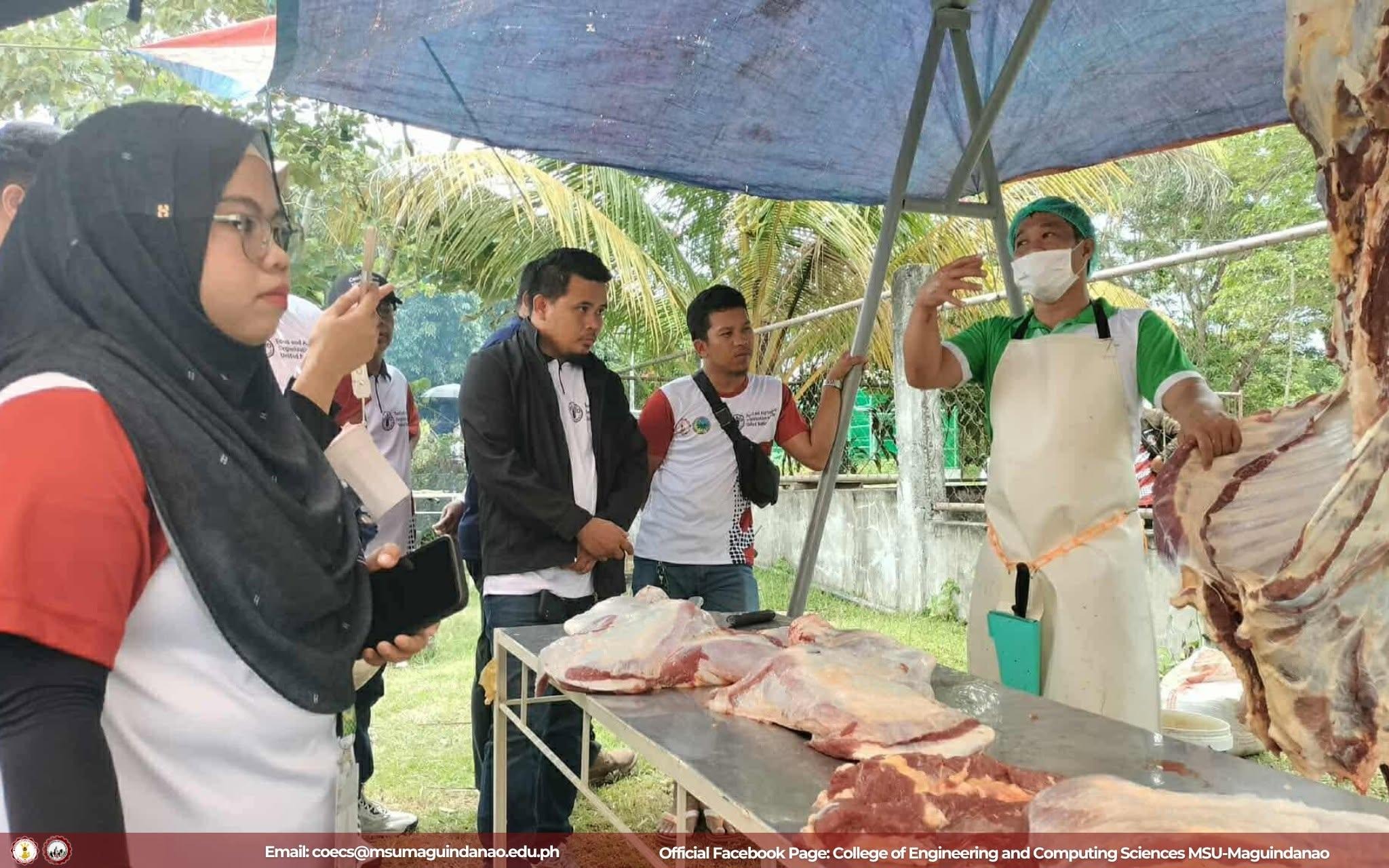
MSU–Maguindanao Trains Farmers in Halal Livestock Production to Strengthen Rural Livelihoods
Mindanao State University–Maguindanao, through its College of Agriculture and College of Engineering and Computing Sciences, partnered with the Food and Agriculture Organization of the United Nations (FAO) and the Ministry of Agriculture, Fisheries and Agrarian Reform (MAFAR) to conduct a five-day Farmers’ Training on Halal Livestock Production from October 2–6, 2025. Implemented under the TCP/PHI/3903 Project on the Development of Halal Agricultural Production Systems in Mindanao, Phase II, the initiative equipped farmers and agricultural practitioners with practical knowledge to improve livestock management and strengthen livelihood opportunities.Farmers and agricultural practitioners participating in the five-day Farmers’ Training on Halal Livestock Production, October 2–6, 2025.The training featured lectures, demonstrations, and hands-on activities on Halal slaughtering of cattle and goats, allowing participants to apply the full cycle of halal livestock production practices. In her closing message, Dr. Raquel S. Arenas, Vice Chancellor for Research and Extension, emphasized that this initiative is more than a technical training; it is part of a larger mission to empower local farmers, elevate livestock quality, and enhance Mindanao’s reputation as a center for authentic and ethical halal food production.Resource persons from MSU–Maguindanao and MAFAR included Dr. Manan E. Undong, Asst. Prof. Shiela Mae A. Dionaldo, Asst. Prof. Taskier S. Musa, Dr. Saidona A. Lawan, Sr. Agri. Norhid O. Wahab, Dr. Bai Zharinah M. Mangindra, Sr. Agri. Saban B. Belongan, and Dr. Norodin A. Kuit, among others. During the closing program, Vice Chancellor for Research and Extension Dr. Raquel S. Arenas highlighted the importance of empowering farmers, improving livestock quality, and strengthening Mindanao’s potential in ethical halal food production.The training strengthened farmers’ competencies in animal health, feeding, biosecurity, and sustainable livestock management. These skills can help farmers use local resources more efficiently, reduce preventable livestock losses, and explore livelihood opportunities in the halal agricultural sector. Participating farmers and agricultural practitioners were the direct beneficiaries, while their households and rural communities may benefit from more resilient livelihoods and improved food availability.By equipping farmers with practical production skills, the initiative lays the groundwork for more sustainable livestock enterprises, diversified livelihood opportunities, and stronger rural economic resilience across Mindanao.
December 2, 2025Progress and Info
End poverty in all its forms everywhere.
No Poverty