SDG2
Zero Hunger
End hunger, achieve food security and improved nutrition, and promote sustainable agriculture.
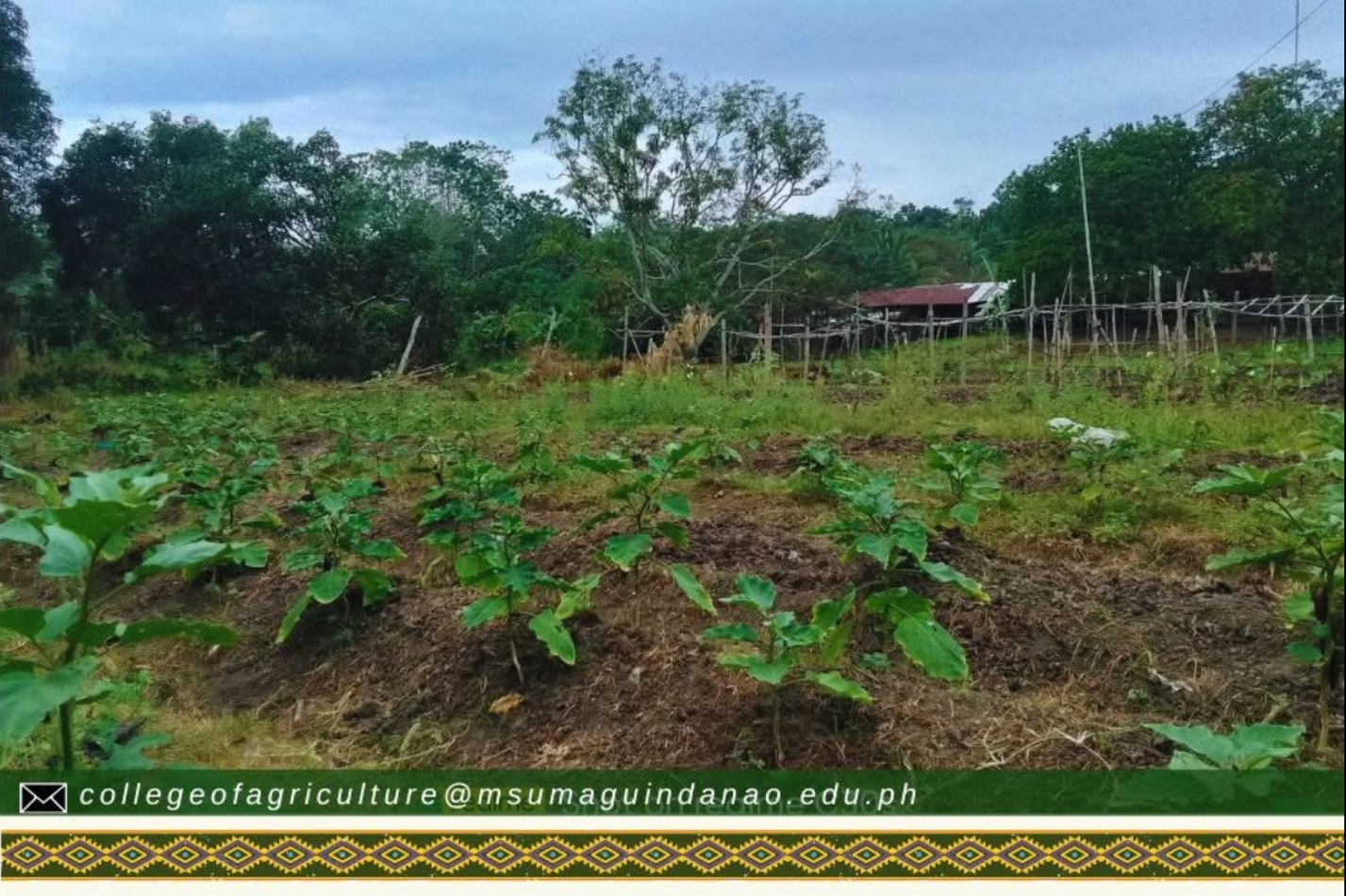
College of Agriculture Turns Campus Land into a Student Farm for Vegetable and High-Value Crop Production
MSU-MAGUINDANAO CAMPUS - The College of Agriculture of Mindanao State University-Maguindanao (MSU-Maguindanao) has designated a dedicated field laboratory and production area for Vegetable Production and High-Value Crops Production, giving students hands-on space to grow what they study in the classroom.Vegetable and production area within College of AgricultureThe initiative began with a coordination meeting led by College of Agriculture Dean Dr. Norhaya S. Tiago, together with University Income-Generating Project (IGP) Head Lemuel T. Embate, College Nursery Personnel Mohaimin Lumambas, and staff member Jemuel Sorbito, who identified potential sites and outlined how the areas would support instruction, research, extension, and production. A site validation and field inspection followed, led by Agriculture faculty member Nurjhon Subat and Horticulturist Ana Liza D. Latinang-Garcia, to assess land suitability before the areas were formally delineated for College use.The designated space now functions as a student field laboratory for Vegetable Production and High-Value Crops Production, giving students, faculty, and eventually nearby farmers access to a working site for crop production and applied research. Growing vegetables and high-value crops sustainably on these plots contributes to efforts to end hunger and ensure access to sufficient, safe, and nutritious food, while strengthening the productivity of small-scale food producers who can draw on the models and technologies the field laboratories are expected to generate.Rather than treat the land as passive infrastructure, MSU-Maguindanao is positioning it as a living laboratory that keeps producing competent graduates, applied research, and community-ready technologies well beyond this initial validation phase, carrying its impact from the classroom to farms across the region.
February 19, 2026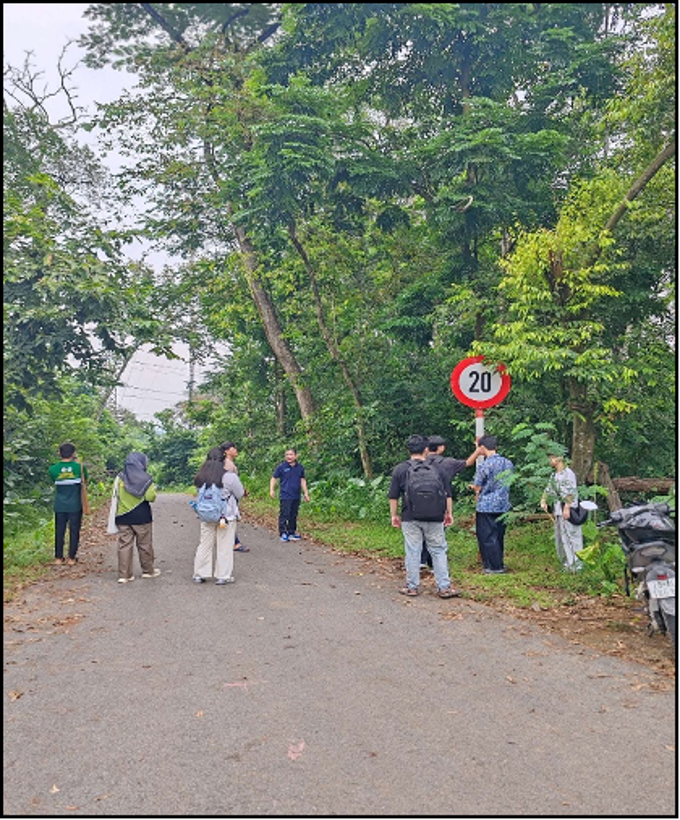
Collaboration with International Universities to Review Comparative Approaches and Develop Research-Based Best Practices for Sustainable Development
Five hundred Maguindanao residents surveyed with partners in Greece, 280 seaweed consumers interviewed with researchers in Türkiye and Malaysia, and biodiversity measurements shared at an international conference the University co-hosted show how Mindanao State University–Maguindanao participates in international collaboration on gathering and measuring data for sustainable development. Through joint research, international conferences, and exchange, its researchers collect field data in the Bangsamoro with international partners, measure it with shared methods, and make it available to the international scientific community.International Research CollaborationWith the Democritus University of Thrace in Greece, Peter Jan D. de Vera of MSU–Maguindanao measured how much the public values protecting the endangered long-tailed macaque, a primate that lives close to farms and settlements in Maguindanao. Conservation programs need to know whether residents will support protection, and how much they value it, before agencies can design and fund it. Working with Isshi Rayna Bel E. Paquingan and John Paul A. Catipay of Notre Dame University and Vasileios J. Kontsiotis and Vasilios Liordos of the Greek university, he surveyed 500 Maguindanao residents with approval from the MSU–Maguindanao Ethics Research Committee, asking how much each would be willing to pay every year to protect the species. The study, published in Environments (Vol. 12, Issue 12, Art. No. 467, 2025) with its dataset openly available, found an average willingness to pay of PHP 46.90 a year, or about PHP 10.5 million a year across the study area.A second collaboration, with researchers in Türkiye and Malaysia, gathered data on food and coastal livelihoods. Seaweed farming supports many families in Tawi-Tawi, but little had been recorded about how much seaweed local people eat and which species they use. Jonald C. Bornales of the College of Fisheries joined a 19-member team led by Albaris B. Tahiluddin that documented seaweed consumption in seven Tawi-Tawi municipalities: Bongao, Panglima Sugala, Simunul, Sitangkai, Sibutu, Tandubas, and South Ubian. Working under ethics approval OVCRE-ERC-004-2024-18 from the MSU–Maguindanao Research Ethics Committee, the team held 280 interviews and seven focus group discussions. It found that about 99 percent of respondents eat seaweed and identified 13 edible species (Phycology, Vol. 5, Issue 2, Art. No. 25, June 2025).The University also builds the skills to gather such data. Under a Memorandum of Understanding with the Vietnam National University of Forestry, the College of Forestry and Environmental Studies sent four BS Forestry students to Hanoi from August 11, 2025, when they were formally received by the university’s coordinators for international students, to October 5, 2025, for training in Natural Resources Ecology and Measurement and in Global Change Ecology: Impacts and Mitigation, learning field methods for ecological assessment that they can apply to forests in the Bangsamoro.BS Forestry students take part in a hands-on field activity during their exchange at the Vietnam National University of Forestry, Hanoi, August to October 2025.Co-hosting of Research ConferenceThe University also shares its measurements internationally. On July 23, 2025, it co-hosted the 4th Biennial Conference on Tropical Biodiversity with the Faculty of Forestry of Hasanuddin University in Indonesia, Tomsk Polytechnic University in Russia, Universiti Teknologi MARA in Malaysia, and the University of North Sumatra, held in Makassar and online. Ten University faculty researchers presented 13 studies, with field measurements of birds, epiphytes, tree species diversity, aboveground biomass and carbon stocks, the wood properties of native and fruit trees, and soil and water quality, along with assessments of land-use change, forest management for climate change, public attitudes toward conserving the Philippine brown deer, and residents’ willingness to pay for protecting two watersheds. The presenters were Sandra Samaon Akmad, Cindy Poclis, Kristine Joy Rendon, Adelene Lababo, Datulabi Untong Jr., Jayric Villareal, Mercedita Laurie, Peter Jan De Vera, Rolly James F. Cheng, and Rowena C. Benavides. One of these studies, a land use and land cover analysis of Datu Odin Sinsuat co-authored with researchers affiliated with Nanjing Forestry University in China, was published in IOP Conference Series: Earth and Environmental Science (Vol. 1553, 2025).MSU–Maguindanao faculty present biodiversity at the 4th Biennial Conference on Tropical Biodiversity, July 23, 2025.
December 29, 2025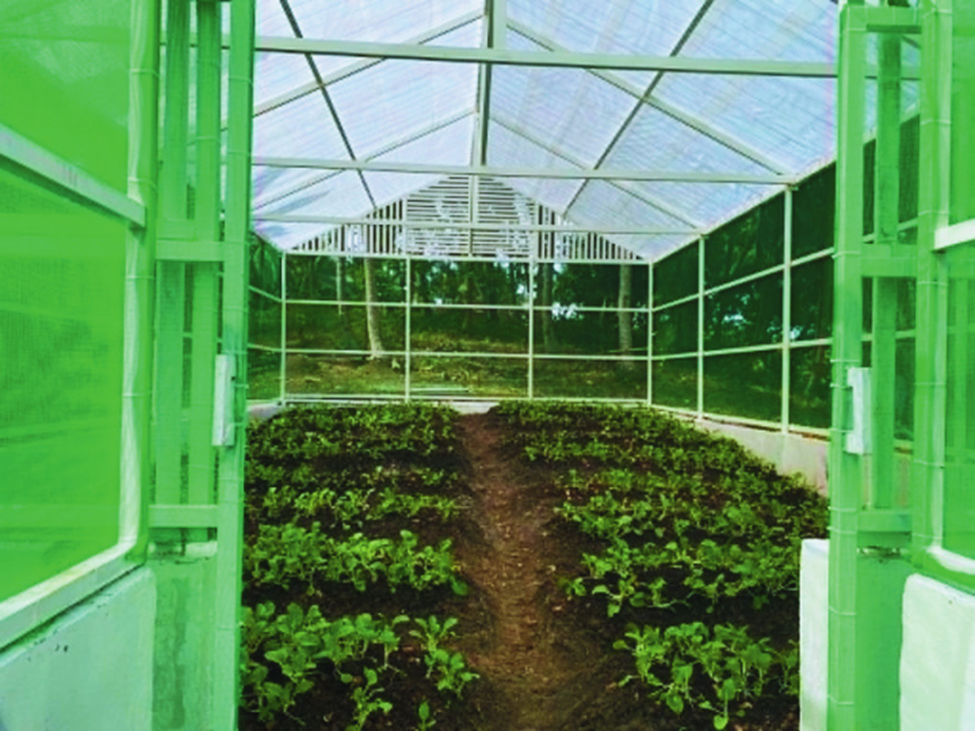
Seeds, Livestock and Farm Facilities Equip Camp Cooperatives for Sustainable Food Production
Partner-farmers in Camps Abubakar, Badre and Omar receive seedlings, soil test kits, livestock and agricultural technologies from MSU–Maguindanao. Greenhouses and livestock housing built within the camps complement these inputs, giving cooperatives access to production facilities at their community farming sites.The support forms part of an ongoing livelihood initiative funded by the Office of the Presidential Adviser on Peace, Reconciliation, and Unity (OPAPRU) under the MILF Camps Transformation Plan. Since July 2024, the initiative has reached 305 partner-farmers organized in cooperatives across Barira, Datu Odin Sinsuat and Datu Hoffer.The project is implemented by a multidisciplinary team of experts from the University’s College of Agriculture, College of Fisheries, College of Engineering and Computing Sciences, and College of Public Affairs and Governance. The team combines technical expertise with the provision of inputs, technologies and production facilities.Planting materials and crop production technologiesThe University supplies partner-farmers with seedlings, vegetable seeds, soil test kits, agricultural tools, organic fertilizers and other farm inputs. Distribution of agricultural inputs began in August 2024 and continued as the project developed production sites in the three camps.Vegetables grow inside the climate-smart greenhouse built for the Sigay Kutawato Women RTW Marketing Cooperative in Barangay Bugawas, Camp Badre.Project support included a climate-smart greenhouse for the Sigay Kutawato Women RTW Marketing Cooperative in Barangay Bugawas, Camp Badre, and another for the AL JAASUWS OFW Agri-Business Association in Camp Omar. Completed in March 2025, the Camp Omar greenhouse included hydroponics, vermibeds and a water system.In Camp Abubakar, the project reinforced the Calagan Women’s Marketing Cooperative’s greenhouse and established a nursery for strawberry seedlings. Partner-farmers have harvested eggplant, tomatoes, pechay, green chilies and cucumbers from the supported production sites.Livestock and facilities within the campsThe G.K. Village Togaig Farmers’ Marketing Cooperative in Camp Abubakar, Sif-Ku Producers Cooperative in Camp Badre, and Talibadok Kauyagan Farmers Marketing Cooperative in Camp Omar each received 10 goats and a climate-smart goat house. Pasture and forage areas complemented the livestock support, including one hectare planted with Napier grass and Madre de Agua in Camp Omar.A project official speaks (left) at the January 27, 2025 turnover of the climate-smart goat house for halal goat production built for the G.K. Village Togaig Farmers' Marketing Cooperative in Barangay Tugaig, Barira, Camp Abubakar, where the cooperative's goats are now housed on a slatted floor (right).The Matado Agrarian Reform Cooperative in Camp Badre and the Limpongo Women’s Organization in Camp Omar each received a climate-smart poultry house stocked with 100 ready-to-lay heritage chickens. The two Camp Abubakar cooperatives also received ready-to-lay heritage chickens and renovated poultry houses.Solar-powered incubators provided additional production technology, including a unit with a 216-egg setter delivered to Camp Badre in March 2025 to support local chick hatching.These inputs and facilities were provided free of charge through OPAPRU funding, allowing participating cooperatives to use them within their communities.Production outputs and access to University facilitiesFrom January to June 2025, the Limpongo poultry house averaged 30–40 eggs per day. Camp Abubakar flocks produced at least 25 eggs daily. These figures provide production data for monitoring the use and performance of the poultry facilities and livestock supplied.Members of the Limpongo Women's Organization and project officials cut the ribbon at the turnover ceremony of the climate-smart poultry house for halal poultry production, stocked with 100 ready-to-lay heritage chickens, in Barangay Limpongo, Camp Omar, January 2025.Alongside the facilities established in the camps, the University also provided access to its College of Agriculture goat and cattle facilities in Dalican. In 2025, farmers and agricultural technicians trained at these facilities through the FAO-funded Halal Livestock Farmer Field School and Demonstration Farm, extending access to University facilities for practical livestock learning.Planned follow-up support includes helping cooperatives establish feed banks for organic poultry feed and arranging regular animal health monitoring with veterinarians. These measures aim to sustain the livestock and production systems beyond the initial provision of inputs and facilities.
December 24, 2025Progress and Info
End hunger, achieve food security and improved nutrition, and promote sustainable agriculture.
Zero Hunger